
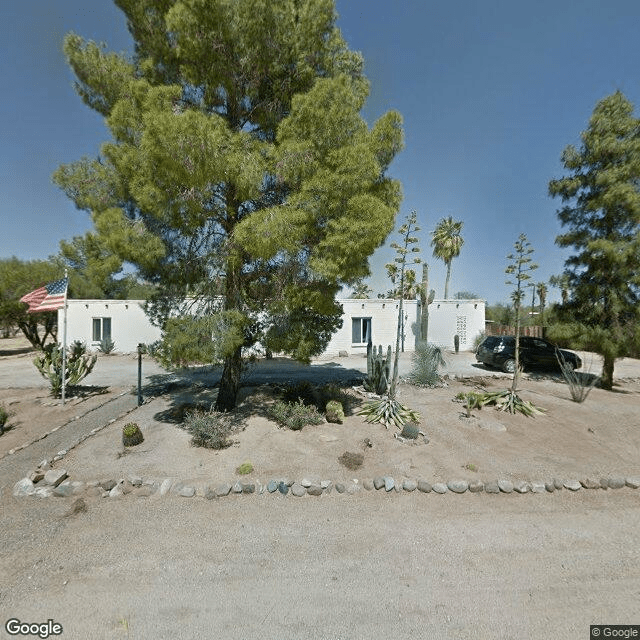
6840 North Cassim Place, Tucson, AZ 85704
For more information about senior living options: (866) 208-4318
Northwest Assisted Living II Costs & Pricing
Northwest Assisted Living II offers competitive pricing for its services compared to the broader market in Pima County and the state of Arizona. For semi-private rooms, residents pay $2,200 per month, significantly lower than the county average of $2,805 and the state average of $2,820. Similarly, for private rooms, the cost at Northwest Assisted Living II is $2,500 - well below both the county's average of $3,332 and Arizona's average of $3,345. This pricing structure not only highlights Northwest Assisted Living II's commitment to affordability but also positions it as a compelling option for families seeking quality care without the burden of excessive costs.
| Floor plans | Northwest Assisted Living II | Pima County | Arizona |
|---|---|---|---|
| Semi-Private | $2,200 | $2,805 | $2,820 |
| Private | $2,500 | $3,332 | $3,345 |
Assisted Living communities with a similar price nearby
-
from -$350 / mo
Connie's Manor Home
$1,850 to $2,300 / month0.8 miles away -
About the same
Gentlemen's Inn I
$2,200 / month13.4 miles away -
from +$300 / mo
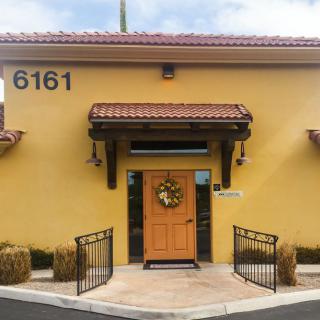
Fairmount Assisted Living
$2,500 to $3,500 / month10.7 miles away -
from +$75 / mo
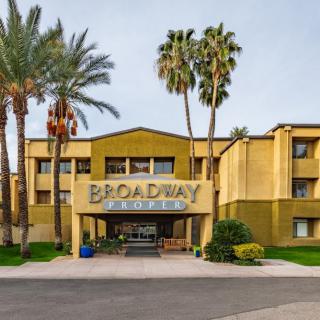
Broadway Proper Senior Living
$2,275 to $3,075 / month13.1 miles away -
from -$72 / mo
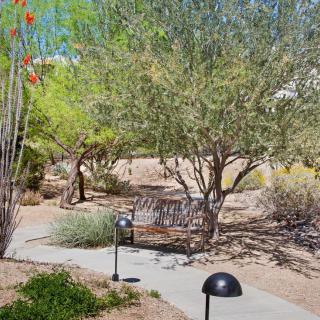
Sunrise at River Road
$2,128 to $3,530 / month3.7 miles away
Overall Review of Northwest Assisted Living II
Pros
 La Paz is a homey, clean, spacious, professional, and responsibly managed space.
- Cate and her staff are competent, thorough, considerate, and kind.
- The residents are relaxed and happy.
- The homemade meals customized for dietary needs are highly praised.
- Cate provides a peaceful and supportive space for end-of-life care.
- La Paz is an appealing, safe, and supportive environment for obtaining care.
- The care and support during cancer treatment is immeasurably valuable.
- Cate is trusted to know what to do in hospice situations.
Cons
 None. The review is entirely positive about La Paz Assisted Living and Cate.
Review
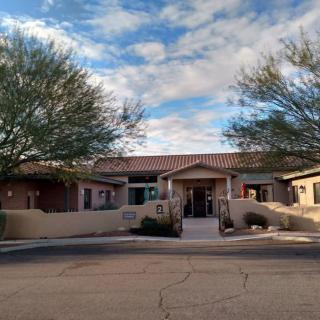
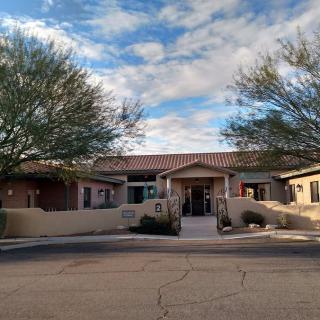
Northwest Assisted Living II in Tucson is best suited for families that want a warm, home-like environment where caregivers know residents well and respond with immediacy to evolving needs. The care model reflected in the available feedback centers on intimate, well-coordinated support for seniors navigating serious illness, treatment schedules, and even hospice. When leadership is present on-site and the caregiving team is thorough, considerate, and consistently kind, daily life feels orderly and safe. This combination creates a dependable backdrop for families seeking stability and personal attention during challenging days, rather than a clinical, detached facility experience.
Those who should consider alternatives are families chasing a more clinical, hospital-like atmosphere or a larger campus with expansive medical partnerships and rehab programs. If a resident requires frequent on-site physician coordination, rapid-response medical teams, or structured therapy services beyond what a small home-like setting typically offers, a bigger, more resource-rich community may be a better fit. Likewise, if convenient access to a broad array of services, social venues, and transportation in a dense urban area is a priority, a larger campus could deliver more comprehensive breadth. In short, the model shown in the reviewed setting excels at personal attention; alternatives may better serve higher medical complexity or broader program needs.
The strongest pros, home-like comfort, cleanliness, spaciousness, and professional management, offer a practical offset to potential limits. A setting that feels homely and well-run, with staff who are competent, thorough, and genuinely caring, supports daily life with predictability and reassurance. Tailored meals that accommodate dietary restrictions reflect a daily commitment to residents’ health and enjoyment, an asset that often differentiates small homes from more impersonal institutions. On-site leadership that can guide care plans and respond quickly to changes translates into steadiness for families during transitions or when palliative steps become necessary. The result is a calm, dignified atmosphere where emotional and physical comfort sits at the center of every decision.
To gauge whether Northwest II delivers similarly, probe three operational anchors drawn from the described model. First, ask about on-site leadership, how long the manager or owner has been involved and how hands-on daily care remains. Second, verify staff stability and the ability to sustain individualized attention, including dietary customization and mobility support. Third, confirm the facility’s capacity for medical coordination, hospice experience, emergency response, and how meals, activities, and transportation are organized. Residents should experience predictable routines, quiet safety, and meaningful opportunities for engagement. A tour should include a meal sample and conversations with current residents when possible, with staff interactions that feel patient, present, and unhurried. These elements, exemplified in the La Paz feedback, are predictive of a well-functioning, home-like community when evaluated against Northwest II.
Additionally, evaluate the environment and how well it fits family expectations for daily life outside the walls. The neighborhood’s character, a tree-lined, walkable area near parks and amenities, can augment independence and mood for residents who thrive on routine and small, accessible pleasures. The reviewed setting demonstrated that surroundings contribute to a sense of normalcy and security when paired with a well-run operation. Families should look for similar balance at Northwest II: a space that feels comfortable, clean, and stable, with a resident community that appears relaxed and engaged rather than institutionalized. When these conditions exist, the decision becomes clearer: a warm, connected home with reliable leadership and personalized care often outperforms larger, more impersonal campuses for those prioritizing peace of mind and intimate, day-to-day support.
Bottom line: Northwest II is likely to serve best those who want a hands-on, empathetic, home-like setting where daily routines and medical support are tightly aligned through attentive leadership and a dedicated caregiving team. If Northwest II can demonstrate comparable on-site leadership, stable staffing, and robust, individualized meal and care planning, it can deliver the same sense of safety, dignity, and continuity highlighted in the positive feedback from families seeking care in similar environments. Where medical breadth, rehab flexibility, or urban density exceed what a smaller, intimate home can routinely provide, consider alternatives. The right match hinges on clear on-site leadership, reliable staff relationships, and a demonstrated commitment to personalized care.
 5 resident community capacity
 Assisted Living
 Board and Care Home
 Cable or satellite TV
 Dining room
 Fully furnished
 Garden
 Housekeeping services
 Move-in coordination
 Outdoor space
 Private
 Telephone
 Wi-Fi/high-speed internet available
 Tucson International (15 miles away)
 24-hour supervision
 Activities of daily living assistance
 Assistance with bathing
 Assistance with dressing
 Assistance with transfers
 Diabetes diet
 Diabetic care
 Incontinence care
 Meal preparation and service
 Medication management
 Special dietary restrictions
 Transportation arrangement (medical)
 Transportation to doctors appointments

 Assisted Living Expenses and Long-Term Care Insurance: A Comprehensive Exploration
 Securing Financial Support for Assisted Living: A Comprehensive Overview
 Social Security Benefits and Assisted Living: Navigating Options Across the U.S.