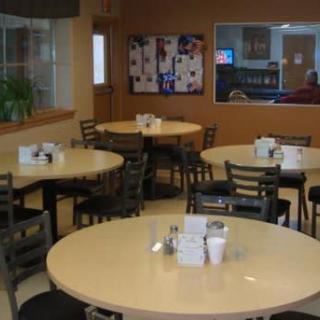


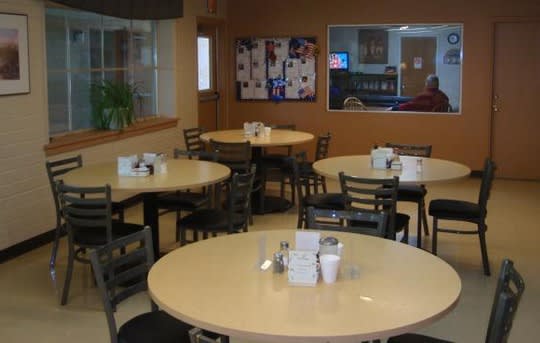

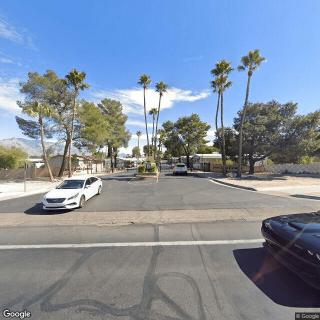
3314 South 16Th Avenue, Tucson, AZ 85713
For more information about senior living options: (866) 208-4318
Marshall Home For Men Costs & Pricing
Marshall Home for Men offers competitive rates for assisted living compared to the broader market in both Pima County and across Arizona. With a monthly fee of $1,500 for semi-private rooms, it provides significant savings against the county's average of $2,805 and the state average of $2,820. For those seeking a more private accommodation, the one-bedroom option at Marshall Home is priced at $2,150, which remains well below Pima County's average of $3,660 and Arizona's statewide average of $3,532. These pricing advantages make Marshall Home for Men an appealing choice for individuals seeking quality care without stretching their financial resources too thin.
| Floor plans | Marshall Home For Men | Pima County | Arizona |
|---|---|---|---|
| Semi-Private | $1,500 | $2,805 | $2,820 |
| 1 Bedroom | $2,150 | $3,660 | $3,532 |
Assisted Living communities with a similar price nearby
-
from +$50 / mo

Arroyo Gardens
$1,550 to $5,330 / month21.6 miles away -
from +$145 / mo

Fellowship Square at Tucson
$1,645 to $2,235 / month9.8 miles away -
from +$250 / mo

Sherwood Village Assisted Living & Memory Care
$1,750 to $2,450 / month9.7 miles away -
from +$95 / mo
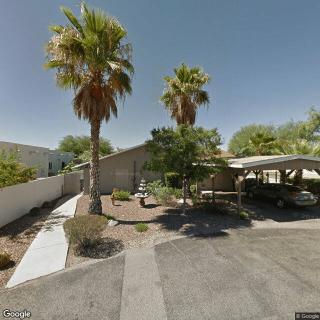
Camino De Paz Assisted Living
$1,595 to $3,500 / month4.8 miles away
Overall Review of Marshall Home For Men
Pros
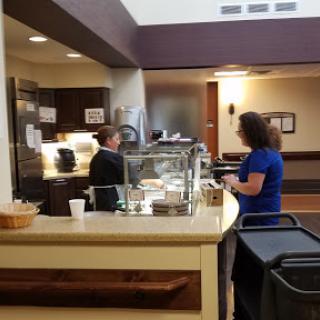
 The staff is very friendly.
- The food is delicious.
- It takes care of low-income men, including many veterans, and is worth supporting.
- It is regarded as a great place that does the best with what it has.
- It offers single rooms and a caring, respectful environment.
Cons
 It is the worst place ever.
- The staff and cooks are very mean to the men.
- They mentally abuse the men.
- The kitchen manager would give donated food and donuts to employees to sell.
- It is sad what the men have to deal with.
Review
Marshall Home For Men is best suited for low-income men who need straightforward, stable housing with reliable medication assistance and predictable meals, and who do not require extensive medical care or private accommodations. The home operates with a simple, serviceable model that prioritizes affordability and consistency, and it is positioned to support residents who are navigating tight budgets while needing a supervised environment. It is a male‑only setting, and its niche is clear: a place where veterans or men with limited means can find basic daily structure and ongoing support without the frills of more upscale facilities.
Prospective residents and families should also understand who may want to consider alternatives. For anyone seeking a coed environment, enhanced privacy, or higher-end amenities, this is not the right fit. If safety concerns about staff conduct or the quality of day-to-day operations are paramount, or if a resident requires specialized medical or rehabilitative services, exploring other options with stronger oversight and documented grievance procedures would be prudent. The mix of reviews, ranging from strongly favorable to alarming, signals that results can vary by shift, by staff, and by resident expectations, making a careful site visit essential.
The core strengths here hinge on mission alignment and practical daily care. The facility’s advantage is its ability to serve a very specific demographic, low-income men, many of them veterans, who need affordable lodging and routine support. Reviewers note friendly staff who manage medications reliably (three daily pill passes) and a residential environment that includes both shared and private room options. Food and meal timing emerge as notable positives in several accounts, with meals scheduled around 7:00 am, noon, and approximately 5:00 pm, creating a predictable rhythm that can help residents maintain routine. In addition, the presence of single rooms alongside shared arrangements offers a degree of flexibility for individuals sensitive to living with roommates.
Yet those advantages are not without tension. The most disquieting critique centers on reports of mistreatment and abusive staff behavior, which, if true, would fundamentally undermine safety and dignity. A single, scalding account describes mental and physical abuse, with accusations that food and supplies were misused or misdirected by staff. While other reviews dispute or downplay these concerns, they cannot be dismissed outright when evaluating a facility that houses vulnerable adults. Another practical snag highlighted in reviews is variability in resource management and everyday operations, including concerns about how food and other provisions are distributed. These issues, whether isolated or systemic, can erode trust and lead to uneven resident experiences.
In practical terms, families weighing this option should balance the positives against the reported negatives with a tight risk lens. The meaningful upside is the ability to provide a stable, low-cost option tailored to men who need structure, routine, and basic medical support, particularly veterans who may lack other affordable housing pathways. The potential downsides demand direct engagement: arrange a visit, tour the living spaces, observe interactions with staff, and ask pointed questions about grievance procedures, staff training, incident history, and how residents can raise concerns safely. If anything sounds evasive or inconsistent, that hesitation should carry weight.
The bottom-line recommendation is nuanced but clear: Marshall Home For Men can be an excellent match for men who require affordable, steady housing and can tolerate the environment as is, provided safety and staff conduct can be affirmed through due diligence. Families should pursue a proactive approach, schedule a tour, request recent grievance logs, and speak with current residents if possible. If a resident prioritizes privacy, clinical care, or a consistently respectful, highly regulated environment, alternatives with stronger accreditation, more private space, and clearer safety records should be pursued. In the right circumstances, this community fills a critical niche; in others, it warrants cautious comparison against similarly priced options with stronger assurances of resident rights and day-to-day quality.
 52 resident community capacity
 Assisted Living
 Activities off-site
 Air-conditioning
 Beauty salon
 Cable or satellite TV
 Computer center
 Devotional services off-site
 Dining room
 Financial aid
 Fitness room
 Full kitchen
 Fully furnished
 Gaming room
 Garden
 Housekeeping services
 Indoor common areas
 Laundry
 Move-in coordination
 Outdoor common areas
 Private bathrooms
 Respite or short term stays offered
 Restaurant-style dining
 Small library
 Telephone
 Wellness center
 Wi-Fi/high-speed internet available
 Tucson International (5 miles away)
 Community operated transportation
 12-16 hour nursing
 24-hour call system
 Ambulatory care
 Assistance with bathing
 Assistance with dressing
 Assistance with transfers
 Diabetes diet
 Diabetic care
 Incontinence care
 Medication management
 Mental wellness program
 Special dietary restrictions
 Concierge services
 Planned day trips
 English




 A Detailed Exploration of Assisted Living Medicaid Waivers Across the United States
 Comprehensive Residential Support and Assisted Living Solutions for Individuals with Disabilities
 Comprehensive Supportive Living Arrangements for Adults with Disabilities