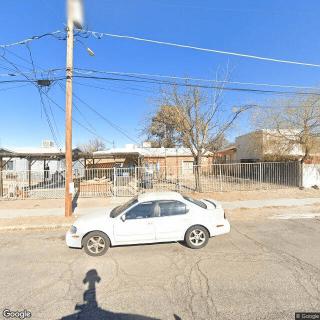
Overall Review of St Jude/Casa De Maria Care
common
7 reviews mention this
Clean, modern space stands out
Residents frequently comment on a clean, modern environment.
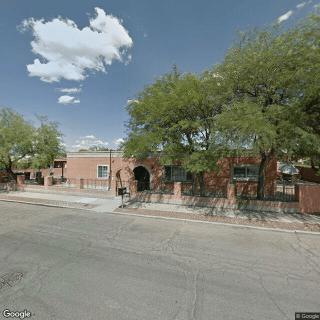
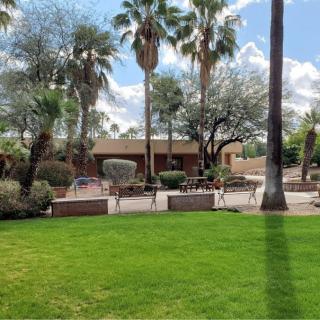
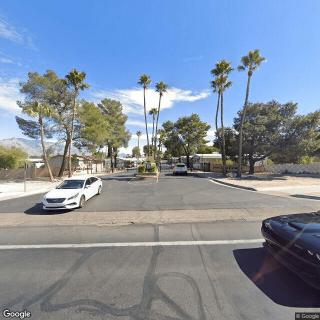
Multiple families describe the building as clean and well maintained, and they note the space feels modern. A couple of reviews also call out cleanliness in specific areas, like the kids’ play area, as a point needing improvement. Overall, the physical environment is a consistent part of residents’ day-to-day impressions.
caveat
3 reviews mention this
Staff changes can disrupt continuity
Several families report problems with staff stability.
Some reviews describe frequent turnover in coordinators, therapists, or medical providers, saying it reduced stability. Others specifically mention changes in who is assigned for medication management or how quickly new providers come in. A few families also say they had gaps or lost the provider they depended on, prompting them to look elsewhere.
caveat
2 reviews mention this
Communication issues come up often
Residents and families describe scheduling and follow-up problems.
One family describes arriving for an appointment only to find the therapist was not in the office that day. Another review mentions difficulty getting timely follow-up, paired with confusion around how care is handled when assignments change. Together, these accounts point to variability in how smoothly scheduling and communication work.
How we summarize
Counts show how many written reviews mention each theme; a review can touch several themes, and only frequently mentioned themes are displayed.
Nearby Places of Interest
This area of Tucson, Arizona offers a convenient and diverse range of amenities for seniors looking to settle down in a vibrant community. With close proximity to various restaurants such as Tacos Apson and Culver's, as well as popular chains like McDonald's and In-N-Out Burger, dining options are plentiful. Access to healthcare services is also readily available with multiple physicians' offices and hospitals nearby, including the VA Medical Center and St Mary's Hospital. Pharmacies such as Fry's Pharmacy and Walgreens are conveniently located for medication needs. For leisure activities, residents can enjoy movies at Century Theaters at Tucson Marketplace or take a stroll in Reid Park. Additionally, there are cafes like Starbucks and Exo Roast Co. for socializing with friends or relaxing with a cup of coffee. Places of worship such as St Augustine Cathedral and Islamic Center Tucson provide spiritual support within the community. Overall, this part of Tucson offers a well-rounded living experience with easy access to essential services and recreational opportunities.
Restaurants
- Tacos Apson (0.4 miles)
- Taqueria Pico De Gallo (0.8 miles)
- El Torero Restaurant (1.4 miles)
- McDonald's (1.4 miles)
- In-N-Out Burger (1.5 miles)
- Culver's (2.1 miles)
- Barrio Brewing Co. (2.2 miles)
Physicians
- Savahcs Saguaro Clinic (1 miles)
- Clinica Del Alma (1.5 miles)
- El Rio Health Center (2.3 miles)
- Arizona Institute of Urology (2.9 miles)
- Gambro Healthcare (3 miles)
- Tucson Vascular Specialists (3 miles)
- UAMC South Campus Outpatient Clinics (3.1 miles)
Hospitals
- VA Medical Center (1.1 miles)
- VA Hospital Building 80/Lab (1.1 miles)
- St Mary's Hospital (3 miles)
- University of Arizona Healthcare Hospital (3 miles)
- Arizona Cancer Center (3.6 miles)
- Tucson Natural (3.7 miles)
- The University of Arizona Medical Center - Medicine Clinic Physician Offices (4.2 miles)
Pharmacies
- Fry's Pharmacy (1.5 miles)
- Walgreens (2.7 miles)
- The Downtown Dispensary (2.9 miles)
- Safeway Pharmacy (2.9 miles)
- Safeway Pharmacy (3.1 miles)
- Walgreens (3.2 miles)
- CVS Pharmacy (3.3 miles)
Theaters
- Century Theaters at Tucson Marketplace (1.7 miles)
- The Loft Cinema (4.7 miles)
Cafes
- Starbucks (1.9 miles)
- Exo Roast Co. (2 miles)
- Dutch Bros Coffee (2.1 miles)
- Cartel Coffee Lab (2.4 miles)
- Starbucks (3.3 miles)
- Starbucks (3.4 miles)
- Starbucks (3.5 miles)
Places of Worship
- St Augustine Cathedral (2.2 miles)
- Islamic Center Tucson (3.5 miles)
- Our Saviour's Lutheran Church (4.1 miles)
- Apostolic Bethel Temple (4.2 miles)
- Benedictine Sanctuary (4.5 miles)
Transportation
- Union Pacific Railroad (2.5 miles)
- U-Haul Moving & Storage (2.7 miles)
- Ascent Aviation Services (4.4 miles)
Parks
- Reid Park (3.7 miles)
- Joaquin Murrieta Park (4 miles)

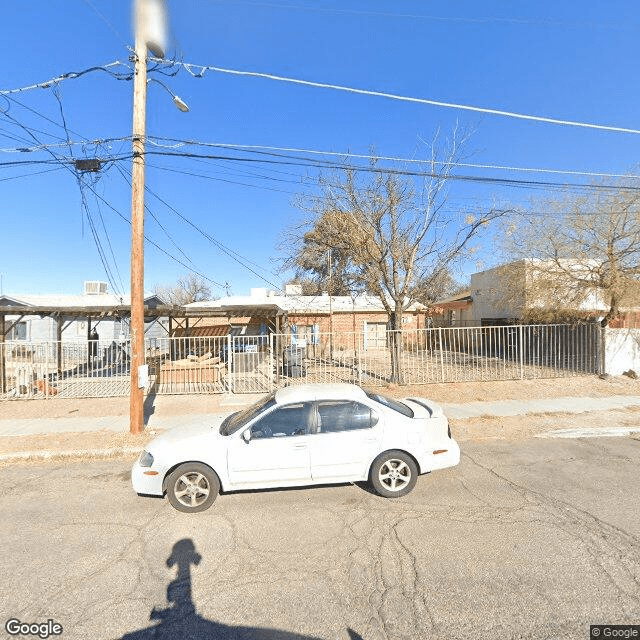
 Skilled Nursing Facility
 Tucson International (5 miles away)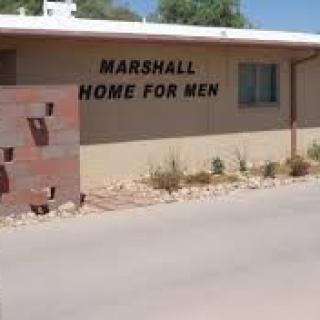
 Friendly staff and good meals; supports low-income men, including veterans.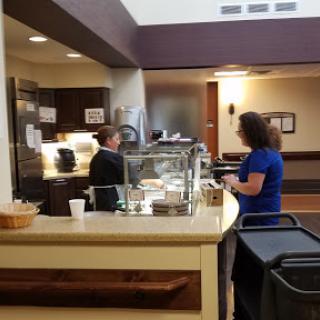

 Weight Training for Seniors: Building Strength and Vitality
 Understanding the Sandwich Generation: Stress and Responsibilities for Multigenerational Caregivers
 8 Essential Assistive Devices for Older Adults