





555 East Ajo Way, Prescott, AZ 85713
For more information about senior living options: (866) 208-4318
Overall Review of Arizona State Veteran Home - Tucson
Pros
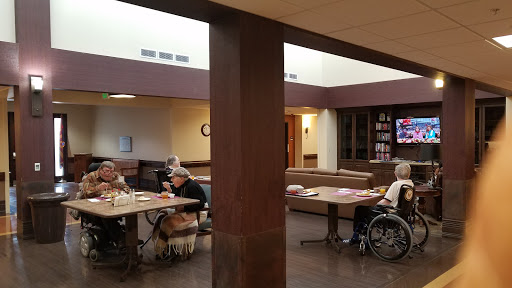
 The facility offers large rooms, good food, and very good care for residents.
- Staff are amazing and committed to providing excellent care.
- It is a wonderful place for veterans in need.
- The care provided is second to none.
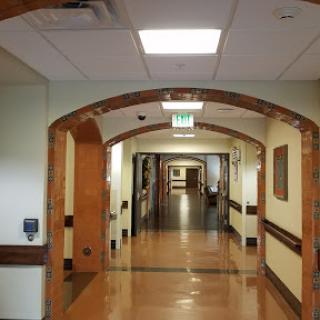
- The facility is top notch in care and campus.
- The staff are incredibly communicative and keep families informed.
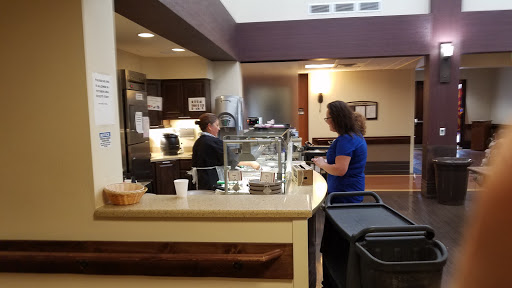
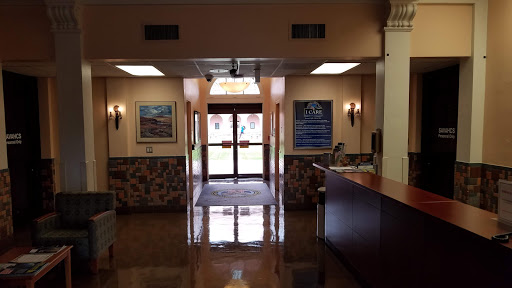
- The facility is very clean, with veterans well cared for and staff who are helpful and pleasant.
- If asked, people would rate the facility ten stars for its care and service.
- The care team focuses on keeping residents safe and well cared for.
Cons
 The facility provides poor care for seniors; no one paid attention to his dying father, who fell out of bed and sustained a gash on his forehead.
- Medications due every four hours were not delivered in a timely fashion.
- The food here is garbage.
- The care at this facility was nowhere near as good as at the Tucson AZ State Vet Home.
- Stay away—the place is dangerous and unprofessional; it allegedly drugs residents.
- 500 wing is in need of routine cleaning; outdoor areas are dirty with leaves, pollen, seeds, and dead insects; private patient rooms have debris on furniture, floors, clothing, footwear, and bedding.
Review
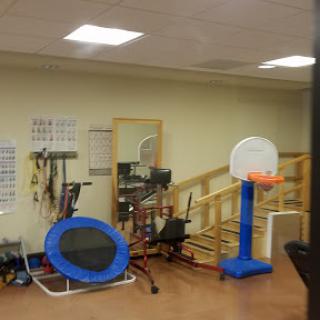
Arizona State Veteran Home – Tucson is best suited for veterans and their spouses who want a facility where nursing and rehabilitation care are emphasized, and where many families consistently report attentive, capable staff in place to manage acute and post-acute needs. The experiences cited by multiple residents and families point to large private rooms, generally solid dining, and care teams that can deliver strong clinical support when the situation calls for it. For those whose loved ones require meaningful rehab after serious illness or surgery, this community frequently emerges as a viable option with a focus on getting residents back on their feet. In short, this is a place to consider when the priority is serious, hands-on care from a team that clearly buys into the mission of veteran-focused support.
The most persuasive positives center on the staff and the rehabilitation narrative. Several reviewers highlight RN and CNA competency, with remarks that caregivers are genuinely engaged and committed to residents’ well-being. Rehabbing residents report remarkable progress and attribute much of that success to the quality of on-site care, often describing staff as attentive, communicative, and reliable during crucial recovery periods. Private rooms and a sense of cleanliness also recur in praise, lending credibility to an environment that can feel calm and private for families navigating difficult health episodes. When care works as advertised, this home delivers a level of personal attention that families value deeply, particularly for seniors who need steady medical oversight and match-with-therapy routines.
Yet, no review landscape is without sharp cautions. A cohort of families reports significant safety and reliability concerns, painting a far more mixed picture. Incidents of falls, with injuries such as head gashes, raise questions about supervision and risk management at certain times and locations within the facility. Medication timing is another sore point for some families, with accounts of delays that undermine confidence in daily routines and medication reconciliation. On the quality front, some reviewers describe the dining experience as below expectations, and others flag general maintenance lapses, outdoor walkways, smoking-area upkeep, and even cleaning frequency in shared spaces, as detractors that can detract from overall comfort and safety. There are outright accusations of unprofessional conduct in some narratives, including troubling characterizations about staff licensing and notary practices, and even claims of systemic neglect raised by relatives who feel voiceless or unsupported. While not all families report these issues, the frequency and gravity of such claims cannot be dismissed.
The core question becomes how these pros and cons stack up against each other in a real-world decision. The strong rehabilitation and nursing stories demonstrate what the facility can deliver at its best: highly capable clinicians, devoted caregivers, and real strides in recovery when a resident’s condition is serious but recoverable. Those positives can overpower the negatives for families prioritizing short- to mid-term healing, a robust clinical floor, and a facility that appears to rally around veterans’ needs. However, the darker reports cannot be ignored. When serious safety lapses, inconsistent medication administration, and reported communication gaps color the experience, the risk to a resident’s day-to-day welfare rises and family confidence erodes. The variability across reviews suggests that outcomes may hinge on specific wings, shifts, or care teams, rather than being uniformly consistent.
Given the mix, certain families should consider alternatives. If dependable, transparent daily communication with updates is nonnegotiable, or if ensuring timely med delivery is mission-critical due to complex regimens, this community may pose unacceptable risk. If dining quality, ongoing outdoor maintenance, or strict, uniformly high safety standards are top priorities, it is prudent to compare with other options, preferably by arranging direct time with leadership, requesting to observe a shift change, and reviewing incident and maintenance logs. Out-of-state families may also want to probe how updates are shared and whether virtual visits or regular conference calls are reliably scheduled. In short, use a front-to-back due-diligence filter: observe care in action, confirm staffing levels, inspect common and outdoor areas, and test communication processes before committing.
Bottom line: the Tucson State Veterans Home offers a compelling package for those who prize strong clinical care and a staff that can deliver tangible rehab gains. That advantage is real and repeatedly documented. Yet the facility also carries credible red flags about safety, consistency, and operational gaps that can abruptly shift the experience from “excellent” to “problematic.” For veterans or spouses prioritizing recovery outcomes and dedicated nursing attention, this home is a strong candidate worth pursuing with disciplined due diligence. For families where reliable medication delivery, constant family updates, and pristine day-to-day environments are nonnegotiable, it makes sense to evaluate alternatives in parallel and quantify expectations against the risk of mixed experiences.
 120 resident community capacity
 Assisted Living
 Skilled Nursing Facility
 Air-conditioning
 Beauty salon
 Cable or satellite TV
 Computer center
 Dining room
 Fitness room
 Fully furnished
 Gaming room
 Garden
 Housekeeping services
 Kitchenette
 Move-in coordination
 Outdoor space
 Private bathrooms
 Restaurant-style dining
 Small library
 Telephone
 Wellness center
 Wi-Fi/high-speed internet available
 Tucson International (5 miles away)
 Community operated transportation
 24-hour call system
 Activities of daily living assistance
 Assistance with bathing
 Assistance with dressing
 Assistance with transfers
 Diabetes diet
 Medication management
 Special dietary restrictions
 Concierge services
 Planned day trips





 Is Assisted Living Deductible on Your Taxes? Understanding the Complexities of Assisted Living Expenses and Deductions
 Assisted Living Support for Veterans: A Complete and Detailed Overview
 Exploring the Contrasts Between Assisted Living and Skilled Nursing