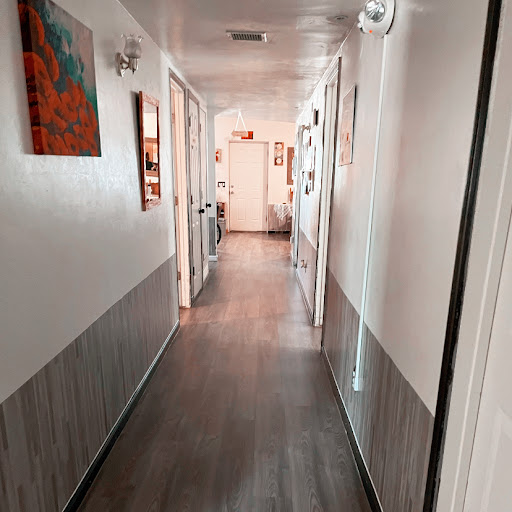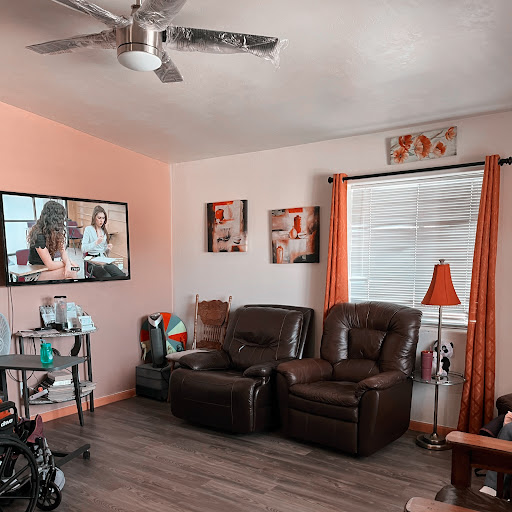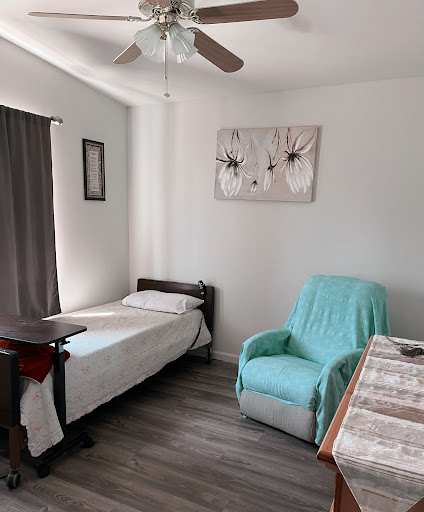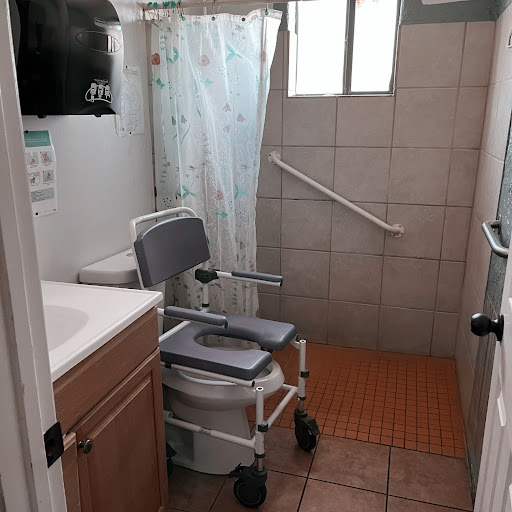
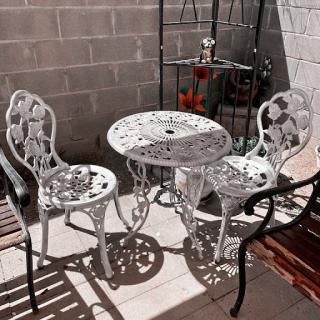
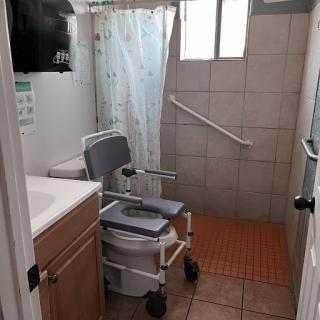

424 East President, Tucson, AZ 85714
For more information about senior living options: (866) 208-4318
Manantial De Vida Costs & Pricing
Manantial De Vida offers a range of monthly costs that reflect its commitment to quality care within the local context of Pima County and Arizona as a whole. For those seeking semi-private accommodations, prices range from $2,300 to $4,586, positioning them slightly below the county average of $2,805 and the state average of $2,820. Conversely, private rooms are priced between $3,000 and $5,503. This range is competitive when compared to Pima County's average of $3,332 and Arizona's overall average of $3,345. Such pricing suggests that Manantial De Vida provides a viable option for individuals looking for care without compromising on comfort or quality.
| Floor plans | Manantial De Vida | Pima County | Arizona |
|---|---|---|---|
| Semi-Private | $2,300 to $4,586 | $2,805 | $2,820 |
| Private | $3,000 to $5,503 | $3,332 | $3,345 |
Assisted Living communities with a similar price nearby
-
from -$450 / mo

Connie's Manor Home
$1,850 to $2,300 / month11.6 miles away -
from -$100 / mo

Gentlemen's Inn I
$2,200 / month9.0 miles away -
from -$100 / mo
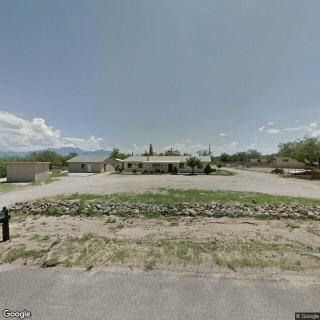
The Villa Rosa
$2,200 to $2,500 / month18.1 miles away -
from +$400 / mo

Casa De Los Abuelos Dos
$2,700 to $3,200 / month11.4 miles away -
from +$200 / mo
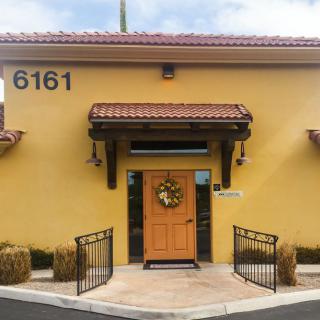
Fairmount Assisted Living
$2,500 to $3,500 / month7.4 miles away
Overall Review of Manantial De Vida
Pros
 The environment is very clean and family-oriented.
- The staff are professional and dedicated to what they do.
- The facility is very clean and inviting.
- The staff care for the patients with love, compassion, and dignity.
- The environment is loving, caring, welcoming, and clean.
- The people are lovely and the place is clean.
- They provide excellent care and are responsive to concerns.
- The caregivers are caring and compassionate, treating residents like family.
Cons
 The staff were rude and showed bad manners.
- The patient was not prepared for her window visit, with hair messy and no shoes.
- The facility does not provide wipes, and only provides toilet paper.
- The owner said she does not get paid enough to buy wipes.
- During tours, the facility was not impressive and lacked the things they were looking for.
Review
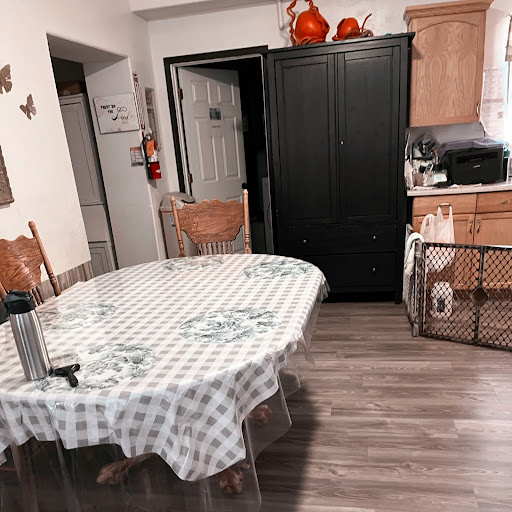
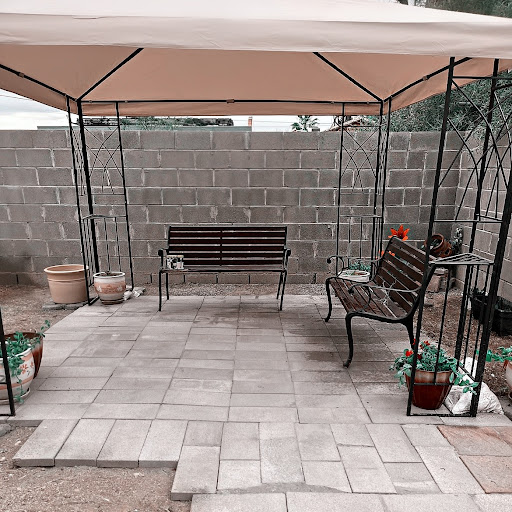
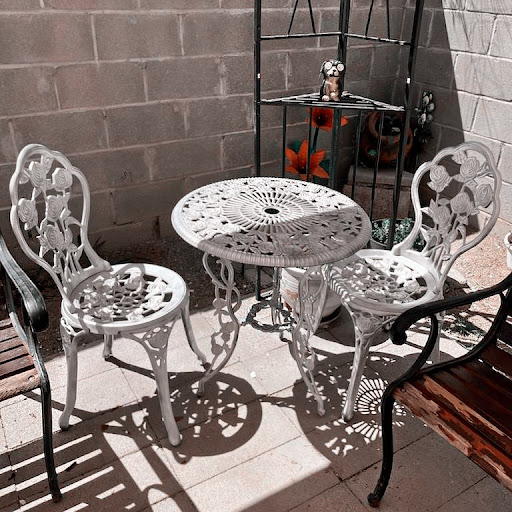
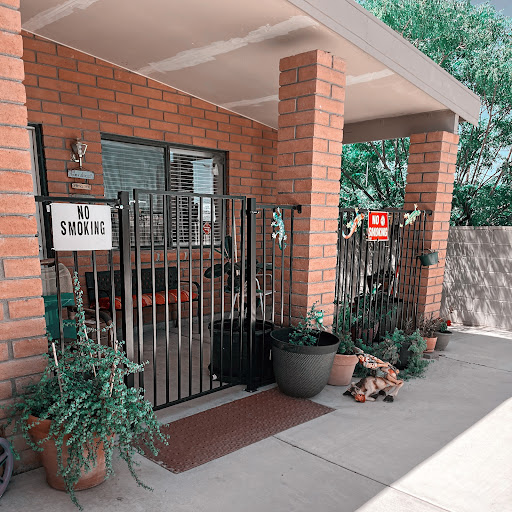
Manantial De Vida in Tucson is best suited for families seeking a warm, home-like setting where cleanliness, personal attention, and compassionate daily care are the top priorities. Reviews consistently describe a facility that is very clean and inviting, staffed by people who treat residents with dignity and genuine kindness. It serves seniors who want a smaller, family-oriented atmosphere in which caregivers work to know individuals well, provide timely meals, and respond to concerns with warmth. The experiences shared also suggest strong fit for end-of-life care, where comfort and supportive contact matter deeply and can translate into meaningful peace of mind for loved ones.
Potential buyers should consider alternatives if unwavering professionalism or absolute consistency in operations is non-negotiable. A couple of reviews flag rude or inconsistent staff interactions, and one account notes a failure to provide basic comforts like wipes, along with delays in delivering necessities. Such episodes stand in contrast to the broader chorus of praise and raise questions about reliability under pressure. A few tours also left some prospective residents feeling underwhelmed by what the facility initially presented. For families that prize uniform, transparent operations and flawless service delivery, exploring other options is prudent.
On the positive side, the facility’s strongest assets are evident in the day-to-day living environment. The combination of meticulous cleanliness, a welcoming, family-like vibe, and staff described as professional and dedicated creates a sense of safety and comfort. Caregivers are repeatedly portrayed as loving and attentive, delivering care with dignity and preserving residents’ wishes. The reliability of routines, meals, schedules, and general responsiveness to concerns, provides essential predictability for families, which in turn reduces anxiety about a loved one’s welfare.
Yet the downsides cannot be ignored. When routines slip or basic needs are perceived as unmet, trust erodes quickly, especially in a setting that bills itself on warmth and personal attention. The two negative experiences highlighted, perceived rude behavior and the lack of essential supplies, highlight a vulnerability: in a home highlighted for its compassionate ethos, any hint of neglect or disrespect can undermine the overall impression. For families whose decision hinges on consistently high interpersonal standards or on having every daily amenity readily available, these reports are a meaningful red flag that cannot be dismissed.
Practical due diligence becomes essential. Prospective residents should insist on meeting frontline caregivers, and should probe staffing patterns, turnover, and the facility’s escalation process for concerns. Request a clear rundown of what is included in daily care and what is reliably stocked, and confirm expectations around meals, personal care items, and accessibility. If end-of-life or palliative support is a goal, seek explicit assurances about comfort measures, pain management, and the presence of attentive companionship during vulnerable hours. Speaking with current families who have residents with similar needs can illuminate whether warmth and attentiveness translate into consistent daily practice.
Bottom line: Manantial De Vida stands out for families who value a clean, affectionate, home-like setting with responsive, compassionate care. Its strongest appeal lies in genuine kindness and daily attentiveness, which many residents and families interpret as true peace of mind. However, not every family will tolerate the possibility of occasional rude interactions or lapses in basic supplies; those who require flawless consistency should compare options more broadly. For many others, this community offers a compelling blend of dignity, comfort, and practical nursing support, provided that due diligence confirms steady, respectful care across all shifts and conditions.
 9 resident community capacity
 Assisted Living
 Board and Care Home
 Respite Care
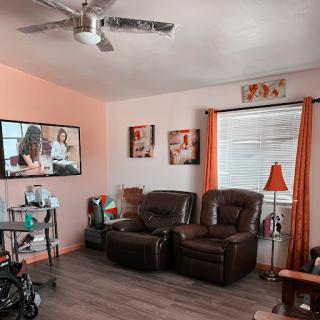
 Cable or satellite TV
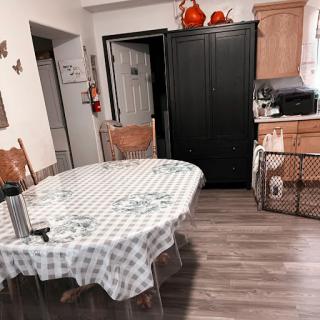
 Dining room
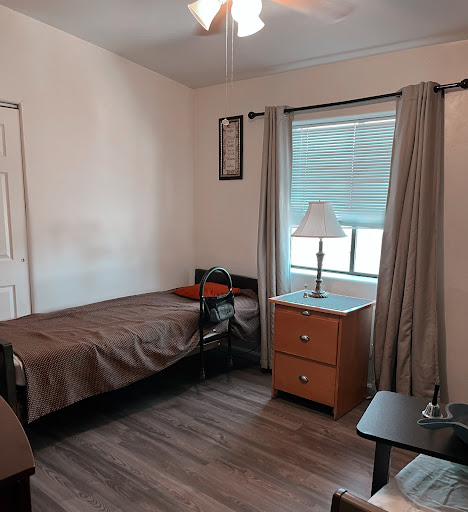
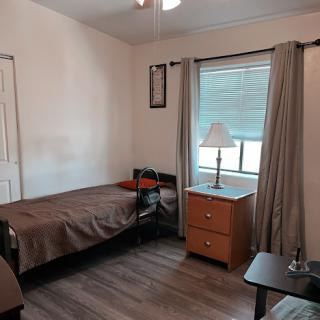
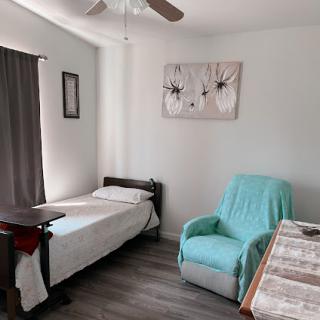
 Fully furnished
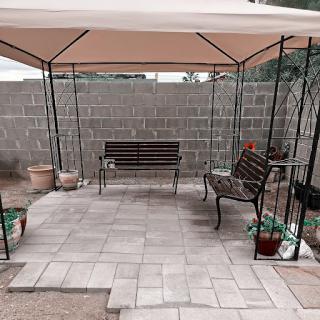
 Garden
 Housekeeping services
 Move-in coordination
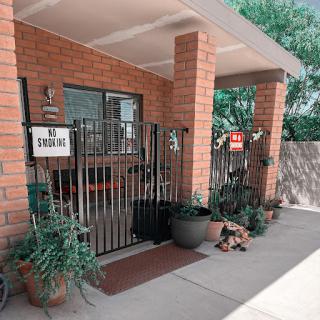
 Outdoor space
 Private
 Telephone
 Wi-Fi/high-speed internet available
 Tucson International (4 miles away)
 24-hour supervision
 Activities of daily living assistance
 Assistance with bathing
 Assistance with dressing
 Assistance with transfers
 Diabetes diet
 Diabetic care
 Meal preparation and service
 Medication management
 Special dietary restrictions
 Transportation arrangement (medical)
 Transportation to doctors appointments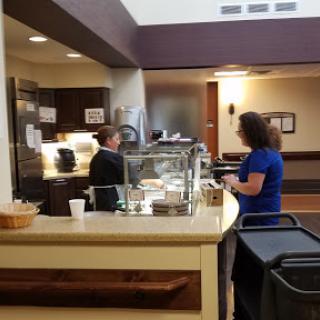






 Assisted Living and Memory Care: Understanding Their Core Differences
 Beyond the Bingo Hall: 50+ Enriching Activities for Seniors in Assisted Living
 Understanding the Distinctions: Assisted Living and Memory Care Explained