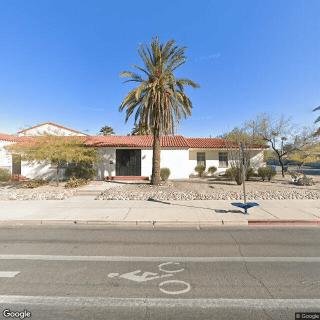
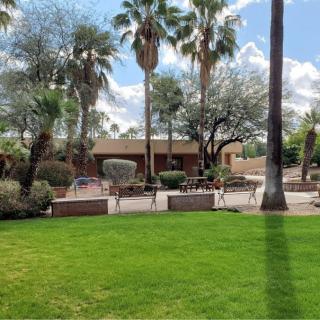
House Of Prayer II in Tucson, AZ

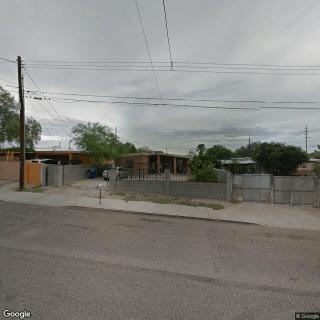
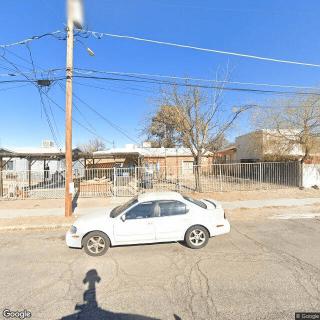
920 East 30Th Street, Tucson, AZ 85713

For more information about senior living options: (844) 490-3973

3.7 from 3 reviews
5 stars
2
4 stars
0
3 stars
0
2 stars
0
1 stars
1

Assisted Living Board and Care Home

Overall Review of House Of Prayer II

Pros

  • pro The place is truly blessed.
  • pro Jesus is president and love is here.
  • pro There is great care for loved ones.

Review

House Of Prayer II in Tucson, AZ is best suited for families seeking a faith-centered assisted living where spiritual life and compassionate care are the core operating principles. The community's identity appears to be built around Christian guidance and a loving atmosphere, with residents and families describing a place where faith informs daily care. For families who want a warm, values-driven environment - and who are comfortable with a strong religious orientation as a defining feature - this facility offers a coherent, purpose-filled option.

Those with secular preferences or those looking for a broadly multi-faith or highly non-religious setting may want to consider alternatives. The emphasis on spirituality, visible through phrases that position Jesus at the center of leadership and daily life, can be a significant fit for some families but a misfit for others. If comfort with religious language, rituals, or doctrinal framing is limited, or if a more varied cultural milieu is desired, another community could better align with expectations, routines, and social activities.

On the plus side, the strongest takeaways center on care that feels personal and a culturally cohesive environment. The reviews consistently highlight a sense of being cherished, with "great care for your loved ones" and a "truly blessed place" where love is evident. This translates into practical advantages: a close-knit feel, attentive staff, and a framework in which residents may experience consistent reassurance through familiar practices, pastoral support, and a schedule that reinforces a supportive, family-like setting. For families prioritizing stability, spiritual continuity, and a trusted, faith-forward leadership, these are tangible competencies that can ease daily decisions and reduce anxiety about declines in health or memory.

Nevertheless, one reviewer assigned a 1-star rating, signaling that the experience may not meet every family's expectations. While no specific shortcomings are detailed, this note matters. It reminds prospective residents that the strong religious identity and intimate community tone, while a source of comfort for many, can create disconnects for those seeking a more secular environment, broader activity options, or different communication styles. In short, the potential drawbacks are not about care quality in broad terms but about fit - whether the facility's core culture aligns with the resident's and family's values and preferences.

When the strengths and the caveats are weighed, the strength of a faith-centered, caring environment often compensates for the potential downsides for families who share the community's framework. The care experience described as "great" and the sense of being genuinely valued can offset the lack of secular diversity or alternative programming for residents who thrive on spiritual structure and consistent moral orientation. The 5-star experiences provide credibility that, for the right match, the environment can deliver not only safety but also meaning, companionship, and ritual that resonate with both seniors and their families.

Decision-makers should approach with a practical, targeted checklist. Visit in person and observe interactions - do staff members speak with warmth, remain patient, and include spiritual components without overshadowing individual needs? Inquire about how care plans are developed and updated, how religious services are integrated into weekly life, and how residents express personal preferences within the faith framework. Ask for details on daily routines, meal options, activity calendars, and opportunities for private time or secular engagement for residents who desire it. Consider whether the resident's values align with the community's religious leadership and cultural tone, and weigh how important that alignment is against the desire for broader secular amenities. If the answer is a confident yes, House Of Prayer II presents a sound, purpose-driven environment where care and faith reinforce one another. If not, explore alternatives that better match secular expectations, diverse programming, or different care cultures while still prioritizing safety, dignity, and personalized attention.

Features

Housing

  • 8 resident community capacity 8 resident community capacity

Types of Care

  • Assisted Living Assisted LivingAssisted living facilities provide crucial support and care for seniors who may need help with daily tasks such as medication management, bathing, and meal preparation. These communities offer a safe and comfortable environment where seniors can maintain their independence while receiving the assistance they need to thrive in their golden years.
  • Board and Care Home Board and Care HomeBoard and care homes provide a smaller, more intimate setting for seniors who require assistance with daily tasks but do not need the level of care offered by a nursing home. They offer personalized care, meals, and social activities in a homelike environment, ensuring that seniors receive individualized attention and support in their golden years.

Amenities

  • Cable or satellite TV Cable or satellite TVCable or satellite TV is important for seniors because it provides entertainment, news, and companionship, helping to combat loneliness and boredom. It also offers a wide range of programming options tailored to different interests and preferences.
  • Dining room Dining roomDining rooms are important for seniors as they provide a space for socialization, connection, and nutritious meals. They offer opportunities for residents to bond over shared meals, foster a sense of community, and promote healthy eating habits. Dining rooms also ensure that seniors have access to well-balanced meals tailored to their dietary needs and preferences.
  • Fully furnished Fully furnishedFully furnished senior living communities are important for seniors because they provide convenience, comfort, and a hassle-free moving experience. Seniors can easily settle into their new living space without the stress of having to buy and move furniture. This allows them to focus on enjoying their new home and community.
  • Garden GardenGardens are important for seniors as they provide a peaceful and therapeutic environment for relaxation, physical activity, and socialization. Being in nature has been shown to reduce stress, improve mood, and promote overall well-being. Gardens also offer opportunities for seniors to engage in gardening activities, which can improve mobility, flexibility, and cognitive function. Additionally, gardens create a sense of community and connection with others who share a passion for plants and outdoor spaces.
  • Housekeeping services Housekeeping servicesHousekeeping services are important for seniors because they help maintain a clean and safe living environment, promote independence, and reduce the risk of accidents or illnesses. Additionally, having assistance with household chores can alleviate physical strain and allow seniors to focus on other aspects of their well-being.
  • Move-in coordination Move-in coordinationMove-in coordination is important for seniors because it helps ease the transition into their new living environment. It ensures that all logistics, such as packing, organizing movers, and setting up utilities are taken care of, allowing seniors to focus on settling in and adjusting to their new home. Having a smooth move-in process can alleviate stress and anxiety, making the transition smoother and more enjoyable for seniors.
  • Outdoor space Outdoor spaceOutdoor spaces are important for seniors as they provide opportunities for physical activity, social interaction, exposure to natural light and fresh air, and a sense of connection to nature. Having access to outdoor spaces can improve overall well-being and quality of life for older adults living in senior communities.
  • Telephone TelephoneTelephones are important for seniors as they provide a lifeline for communication with loved ones, emergency services, and healthcare providers. They offer a sense of security and independence, enabling seniors to stay connected and access assistance when needed.
  • Wi-Fi/high-speed internet available Wi-Fi/high-speed internet availableWi-Fi/high-speed internet is important for seniors to stay connected with loved ones, access online resources, and participate in virtual activities to combat feelings of loneliness and isolation. It also allows them to easily manage healthcare needs, access entertainment, and engage in lifelong learning opportunities.

Transportation

  • Tucson International (6 miles away) Tucson International (6 miles away)

Care Services

  • 24-hour supervision 24-hour supervision24-hour supervision is important for seniors to ensure their safety, well-being, and access to immediate assistance in case of emergencies or health issues. This constant support provides peace of mind for both seniors and their loved ones, allowing them to age in place with dignity and security.
  • Activities of daily living assistance Activities of daily living assistanceActivities of daily living assistance are important for seniors because they provide essential support with tasks such as eating, bathing, dressing, and mobility. This assistance helps seniors maintain their independence, dignity, and overall quality of life as they age.
  • Assistance with bathing Assistance with bathingAssistance with bathing is crucial for seniors as it helps maintain personal hygiene, prevents infections, and ensures their overall well-being and comfort. It also provides a sense of dignity and independence for seniors who may struggle with this task on their own.
  • Assistance with dressing Assistance with dressingAssistance with dressing is important for seniors because it helps maintain their independence, promotes personal hygiene, prevents accidents and injuries, and improves overall quality of life. This service ensures that seniors can continue to dress comfortably and confidently, despite any physical limitations they may have.
  • Assistance with transfers Assistance with transfersAssistance with transfers is crucial for seniors as it helps prevent falls and injuries, maintains their independence, and ensures they can safely navigate their living environment. It also provides peace of mind for both seniors and their loved ones.
  • Coordination with health care providers Coordination with health care providersCoordination with health care providers is crucial for seniors to ensure proper medical care, medication management, and overall well-being. This collaboration helps prevent overlapping treatments, track progress more effectively, and provide comprehensive support tailored to individual needs.
  • Diabetes diet Diabetes dietA diabetes diet is crucial for seniors as it helps manage blood sugar levels, reduce risks of complications, and improve overall health and well-being. By following a balanced and nutritious diet tailored to their specific needs, seniors can better control their diabetes and enhance their quality of life.
  • Meal preparation and service Meal preparation and serviceMeal preparation and service are crucial for seniors as they may have limited mobility or energy to cook nutritious meals. Having access to healthy and convenient food options can ensure they are getting the proper nutrition needed to maintain their overall health and well-being.
  • Medication management Medication managementMedication management is crucial for seniors to ensure they are taking the right medications at the correct dosages and times. This helps prevent adverse drug interactions, reduces the risk of medication errors, and promotes overall health and well-being. Proactive management also allows for adjustments as needed based on changing health conditions or new prescriptions.
  • Special dietary restrictions Special dietary restrictionsSpecial dietary restrictions are important for seniors because age-related changes in metabolism and health conditions can make it difficult for their bodies to process certain foods. By following a diet tailored to their specific needs, seniors can maintain their overall health and well-being, manage chronic conditions, and reduce the risk of complications such as malnutrition or food interactions with medications.
  • Transportation arrangement (medical) Transportation arrangement (medical)Transportation arrangements for medical purposes are essential for seniors as they may have difficulty driving themselves to appointments or accessing public transportation. Having reliable and safe transportation options ensures that seniors can receive timely medical care and maintain their health and well-being.
  • Transportation to doctors appointments Transportation to doctors appointmentsTransportation to doctors' appointments is crucial for seniors as it ensures they have access to necessary medical care and support for their health needs. Without reliable transportation, seniors may struggle to attend important appointments, leading to potential delays in treatment and health complications. Providing transportation services helps seniors maintain their overall well-being and quality of life.

Dining

  • Diabetes diet Diabetes dietA diabetes diet is crucial for seniors as it helps manage blood sugar levels, reduce risks of complications, and improve overall health and well-being. By following a balanced and nutritious diet tailored to their specific needs, seniors can better control their diabetes and enhance their quality of life.
  • Special dietary restrictions Special dietary restrictionsSpecial dietary restrictions are important for seniors because age-related changes in metabolism and health conditions can make it difficult for their bodies to process certain foods. By following a diet tailored to their specific needs, seniors can maintain their overall health and well-being, manage chronic conditions, and reduce the risk of complications such as malnutrition or food interactions with medications.

Activities

  • Community-sponsored activities Community-sponsored activitiesCommunity-sponsored activities are important for seniors as they provide opportunities for social interaction, mental stimulation, and physical activity. These activities can help improve overall well-being, combat loneliness and isolation, and promote a sense of belonging and purpose among older adults.
  • Scheduled daily activities Scheduled daily activitiesScheduled daily activities are important for seniors because they provide structure, socialization, mental stimulation, and physical activity. Engaging in regular activities can improve overall well-being and quality of life for seniors living in a community setting.

Description

House Of Prayer II in Tucson, AZ is a warm and welcoming board and care home that offers a range of services and amenities to ensure the comfort and well-being of its residents. The community provides fully furnished accommodations, creating a cozy and homelike atmosphere for its residents.

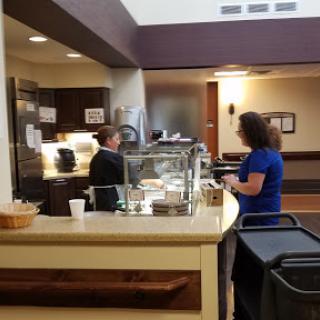
Residents can enjoy delicious meals served in the dining room, with special dietary restrictions taken into consideration. Housekeeping services are provided to maintain a clean and organized living environment.

The community offers various outdoor spaces, including a garden, where residents can relax and enjoy nature. Wi-Fi internet access is available throughout the premises, ensuring that residents can stay connected with their loved ones.

House Of Prayer II provides assistance with activities of daily living such as bathing, dressing, and transfers. The dedicated staff members coordinate with healthcare providers to ensure that each resident receives the necessary medical attention and follow-up care.

Diabetes management is offered at the community, including specialized diets to support residents' health needs. Medications are managed by experienced professionals to ensure accuracy and compliance.

Transportation arrangements are made for medical appointments, offering convenience for residents who require regular check-ups or treatments. Additionally, transportation services are available for other outings or social engagements.

To keep residents engaged and entertained, scheduled daily activities are organized within the community. These activities provide opportunities for socialization and mental stimulation.

House Of Prayer II benefits from its convenient location in Tucson. There are numerous cafes, parks, pharmacies, restaurants, places of worship nearby to cater to residents' various needs. In case of emergencies or additional medical support requirements, several hospitals and physicians are conveniently located as well.

Overall, House Of Prayer II offers a comfortable and supportive environment where seniors can receive personalized care while enjoying an active lifestyle within a vibrant community setting.

Nearby Places of Interest

Restaurants

  • El Torero Restaurant (0.6 miles)
  • McDonald's (0.8 miles)
  • Taqueria Pico De Gallo (0.8 miles)
  • Barrio Brewing Co. (1.1 miles)
  • Culver's (1.1 miles)
  • Tacos Apson (1.6 miles)
  • In-N-Out Burger (1.6 miles)

Transportation

  • Union Pacific Railroad (1 miles)
  • U-Haul Moving & Storage (2.4 miles)

Theaters

  • Century Theaters at Tucson Marketplace (1 miles)
  • The Loft Cinema (3.3 miles)

Cafes

  • Dutch Bros Coffee (1.1 miles)
  • Starbucks (1.2 miles)
  • Exo Roast Co. (1.6 miles)
  • Cartel Coffee Lab (1.7 miles)
  • Starbucks (2.3 miles)
  • Starbucks (2.3 miles)
  • Starbucks (2.7 miles)

Physicians

  • Clinica Del Alma (1.2 miles)
  • Savahcs Saguaro Clinic (1.3 miles)
  • UAMC South Campus Outpatient Clinics (2.2 miles)
  • El Rio Health Center (2.3 miles)
  • Arizona Institute of Urology (3.1 miles)
  • Gambro Healthcare (3.4 miles)
  • Tucson Vascular Specialists (3.4 miles)

Hospitals

  • VA Hospital Building 80/Lab (1.2 miles)
  • VA Medical Center (1.3 miles)
  • University of Arizona Healthcare Hospital (2.2 miles)
  • Tucson Natural (2.2 miles)
  • Arizona Cancer Center (2.4 miles)
  • The University of Arizona Medical Center - Medicine Clinic Physician Offices (3 miles)
  • UMC Radiologic (3.1 miles)

Places of Worship

  • St Augustine Cathedral (1.7 miles)
  • Islamic Center Tucson (2.5 miles)
  • Our Saviour's Lutheran Church (2.8 miles)
  • Benedictine Sanctuary (3 miles)

Pharmacies

  • Safeway Pharmacy (1.7 miles)
  • The Downtown Dispensary (2.2 miles)
  • CVS Pharmacy (2.3 miles)
  • Walgreens (2.6 miles)
  • Fry's Pharmacy (2.7 miles)
  • Walgreens (2.9 miles)
  • Safeway Pharmacy (3.1 miles)

Parks

  • Reid Park (2.1 miles)
  • Joaquin Murrieta Park (4.1 miles)

Frequently Asked Questions

Where is House Of Prayer II?

Nearby Communities

  • House Of Prayer

    House Of Prayer

    Tucson, AZ

    3.7 from 3 reviews
     

    pro Small, personalized 10-resident community with comprehensive care (ADLs, medication management, diabetes diet) and move-in support.

  • Casa San Jose' Capukchin

    Casa San Jose' Capukchin

    Tucson, AZ

    5 from 1 review
     

    pro Vibrant community with extensive nearby amenities (dining, parks, healthcare).

  • Arizona State Veteran Home - Tucson

    Arizona State Veteran Home - Tucson

    Prescott, AZ

    4 from 21 reviews
     

    pro 24/7 supervision with comprehensive veteran-focused care.

  • Manantial De Vida

    Manantial De Vida

    Tucson, AZ

    4.3 from 14 reviews
    $2,300 to $5,503 / month

    pro Caring, compassionate staff who treat residents like family.

  • St Jude/Casa De Maria Care

    St Jude/Casa De Maria Care

    Tucson, AZ

    4.2 from 100 reviews
     

    pro Excellent access to nearby dining, healthcare, parks, and transit.

  • Marshall Home For Men

    Marshall Home For Men

    Tucson, AZ

    4.2 from 6 reviews
    $1,500 to $2,150 / month

    pro Friendly staff and good meals; supports low-income men, including veterans.

  • Park Avenue Health & Rehab Center

    Park Avenue Health & Rehab Center

    Tucson, AZ

     
    $4,020 to $4,770 / month

    pro Private rooms and strong rehab-focused care in a well-located Tucson setting.

  • Woodland Palms Memory Care Community

    Woodland Palms Memory Care Community

    Tucson, AZ

    4.7 from 89 reviews
    $4,295 to $4,995 / month

    pro Warm, caring staff with engaging activities in a welcoming environment.

  • The Forum at Tucson

    The Forum at Tucson

    Tucson, AZ

    4 from 186 reviews
    $2,510 to $4,215 / month

    pro Friendly, caring staff and high-quality dining with spacious, comfortable accommodations.

Assisted Living in Nearby Cities

Related Resources

  • assisted living insuranceAssisted Living Expenses and Long-Term Care Insurance: A Comprehensive Exploration

    The article discusses assisted living expenses, the importance of long-term care insurance in covering these costs, and various financing options, highlighting the need for careful policy review and early planning to address potential needs. It also clarifies common misconceptions about Medicare and private health insurance limitations regarding long-term care coverage.

  • how to pay for assisted livingSecuring Financial Support for Assisted Living: A Comprehensive Overview

    Assisted living facilities offer crucial support for older adults needing help with daily activities but come with varying and significant costs, which can be financed through personal savings, government assistance programs, long-term care insurance, and home equity options. Professional guidance from experts can aid families in navigating these financial complexities to establish a sustainable budgeting approach for assisted living services.

  • assisted living for seniors on social securitySocial Security Benefits and Assisted Living: Navigating Options Across the U.S.

    Assisted living costs often exceed Social Security benefits, necessitating a combination of funding sources like state aid and Medicaid. Understanding the interaction between Social Security programs and available financial support is essential for affording such care.