Woodland Palms Memory Care Community Costs & Pricing
Woodland Palms Memory Care Community offers valuable services at a competitive price point when compared to the broader market in Pima County and the state of Arizona. For a semi-private room, residents can expect to pay $4,295 per month, which is significantly higher than the county's average of $2,805 and Arizona's average of $2,820. Similarly, for those seeking a one-bedroom accommodation, the monthly rate is set at $4,995 - again above both local and state averages of $3,660 and $3,532 respectively. While these costs are notably elevated compared to other options in the area, they may reflect exceptional care standards and specialized services that Woodland Palms provides for its residents.
Floor plans
Woodland Palms Memory Care Community
Pima County
Arizona
Semi-Private
$4,295
$2,805
$2,820
1 Bedroom
$4,995
$3,660
$3,532
Memory care communities with a similar price nearby
from +$705 / mo
Angels Care Home
4.8 from 10 reviews
$5,000 to $5,500 / month
5.4 miles away
from +$205 / mo
Desert Gardens Assisted Living and Memory Care
4.9 from 29 reviews
$4,500 / month
3.1 miles away
from -$695 / mo
The Ranch Estates of Tucson
4.8 from 177 reviews
$3,600 to $4,840 / month
10.2 miles away
from -$495 / mo
Christ & Candles Assisted Living Home
4.8 from 24 reviews
$3,800 to $7,000 / month
22.9 miles away
from -$195 / mo
Copper Canyon Transitional Assisted Living and Memory Care
Overall Review of Woodland Palms Memory Care Community
common33 reviews mention this
Staff are consistently described as caring
Residents and families frequently describe staff as caring, respectful, and responsive to needs.
Many reviews emphasize that caregivers check in regularly, treat residents with patience and respect, and follow through when questions or needs come up. Several people also highlight specific team members as friendly and helpful during visits and move-in support. A few negative reviews raise concerns about supervision, accountability, and safety, so experiences aren’t uniform.
common15 reviews mention this
Daily activities keep residents engaged
Residents and families repeatedly point to an active schedule that keeps people engaged.
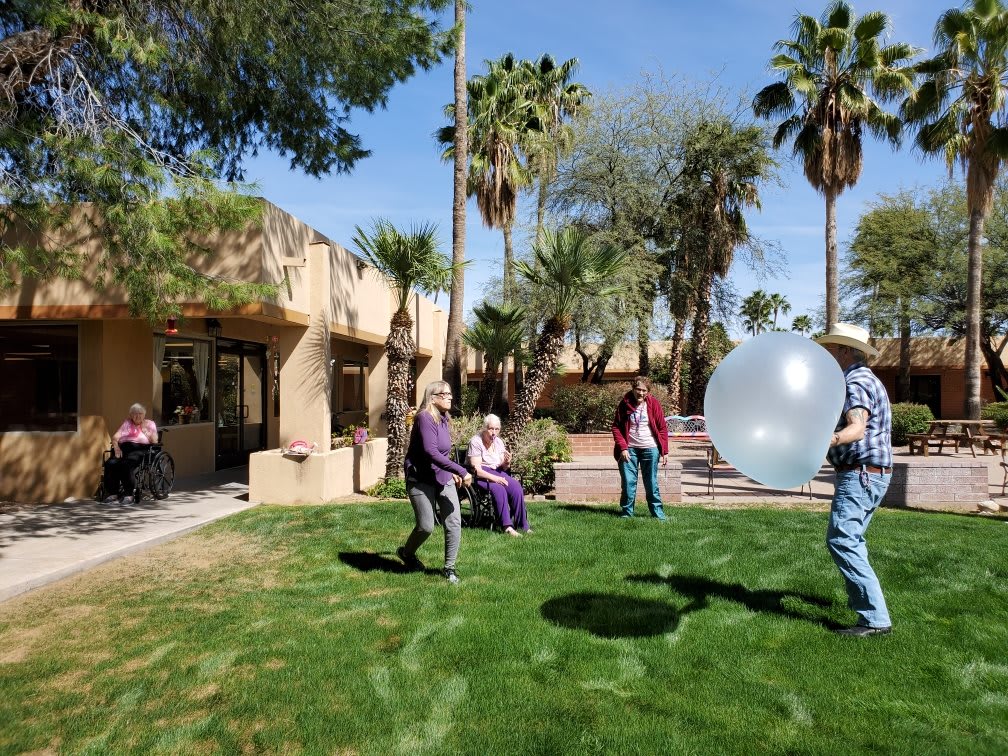
Reviews commonly mention ongoing activities and an activities director or life-enrichment approach that brings residents together. People describe arts and music, outdoor time in the courtyard, and residents interacting or participating in group events. A minority of comments suggest areas to improve, but most day-to-day feedback centers on frequent engagement.
common8 reviews mention this
Dining earns frequent positive mentions
Dining is often described positively, including the quality of meals.
Multiple reviews say the food tastes good and that meals are part of what makes day-to-day life feel well cared for. Some mention a menu or meals that residents like, while others connect meals with the overall welcoming environment. One review specifically complains that dinners were cold, which stands out against the otherwise favorable comments.
caveat5 reviews mention this
Care and safety concerns appear in some reviews
A smaller set of reviews describes serious medication and supervision issues.
While many reviews are positive about care, several raise red flags about medication handling and staff supervision. One review describes overmedication discovered late, followed by an emergency room transfer after aspiration. Another review says staff left a resident outside in extreme heat, and another complains about medications not being watched directly and cleaning staff being unable to hear distress. Taken together, these concerns are the main caution for families reading day-to-day experiences.
common10 reviews mention this
Grounds and cleanliness are frequently praised
Reviews frequently describe the building and grounds as clean and well maintained.
A number of residents and visitors mention clean, well-kept indoor spaces and attractive outdoor areas like the courtyard, including plantings and seating for relaxing. Some reviews also describe the grounds as safe and easy to move around, including wheelchair access details. However, a few negative reviews claim the facility smelled or was poorly maintained, which contrasts with the majority of cleanliness feedback.
How we summarize
Counts show how many written reviews mention each theme; a review can touch several themes, and only frequently mentioned themes are displayed.
Features
Types of Care
Memory Care
Amenities
Activities on-site
Air-conditioning
Cable or satellite TV
Devotional services on-site
Ground floor units
Handicap accessible
Indoor common areas
Outdoor common areas
Respite or short term stays offered
Wheelchair accessible showers
Wi-Fi/high-speed internet available
Transportation
Tucson International (9 miles away)
Care Services
Ambulatory care
Diabetic care
Incontinence care
Medication management
Dining
Anytime dining
Gluten-free
Guest meals
Low / no sodium
Meals provided
No Sugar
Organic
Professional chef
Restaurant style dining
Special dining programs
Vegan
Activities
Art classes
Catholic services
Devotional activities on-site
Educational speakers / life long learning
Jewish services
Karaoke
Live well programs
Mormon/LDS services
Other religious services
Protestant services
Visiting Rabbi
Visiting chaplain or priest
Nearby Places of Interest
This part of Tucson, Arizona offers a convenient and accessible location for seniors looking to settle down in a vibrant community. With several popular restaurants nearby such as Whataburger, Wendy's, and Olive Garden, there are plenty of dining options to choose from. Additionally, multiple pharmacies including Walgreens and CVS Pharmacy are within close proximity for easy access to medication and healthcare needs. The area also boasts reputable hospitals like Providence Service and St Joseph's Hospital providing quality medical care. For spiritual nourishment, there are several places of worship such as Desert Valley Adventist Church and Grace To The Nations nearby. Furthermore, seniors can enjoy a variety of cafes like Panera Bread and Black Crown Coffee Co., perfect for meeting with friends or enjoying a relaxing cup of coffee. Nearby theaters like Century Park Place 20 And Xd provide entertainment options, while Palo Verde Park offers green space for leisurely walks or outdoor activities. Overall, this part of Tucson provides a well-rounded living environment for seniors seeking convenience, amenities, and community engagement.
Woodland Palms Memory Care Community offers valuable services at a competitive price point when compared to the broader market in Pima County and the state of Arizona. For a semi-private room, residents can expect to pay $4,295 per month, which is significantly higher than the county's average of $2,805 and Arizona's average of $2,820. Similarly, for those seeking a one-bedroom accommodation, the monthly rate is set at $4,995 - again above both local and state averages of $3,660 and $3,532 respectively. While these costs are notably elevated compared to other options in the area, they may reflect exceptional care standards and specialized services that Woodland Palms provides for its residents.
Woodland Palms Memory Care Community's medication management ensures that residents receive their prescribed medications on time and in the correct dosages, which is crucial for maintaining their overall health and stabilizing cognitive function. This structured approach alleviates concerns about missed doses or potential interactions, allowing families to feel confident in their loved ones' care. Additionally, the provision of incontinence care supports residents' dignity and comfort by addressing a common challenge faced by individuals with dementia or Alzheimer's disease. This specialized assistance minimizes anxiety and stress associated with incontinence issues, enabling residents to focus on engagement and socialization within the community, ultimately contributing to their emotional well-being.
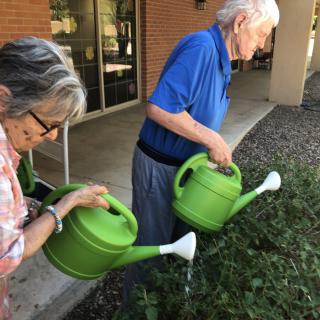
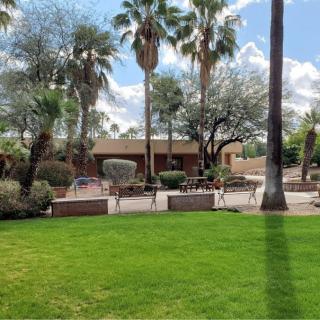
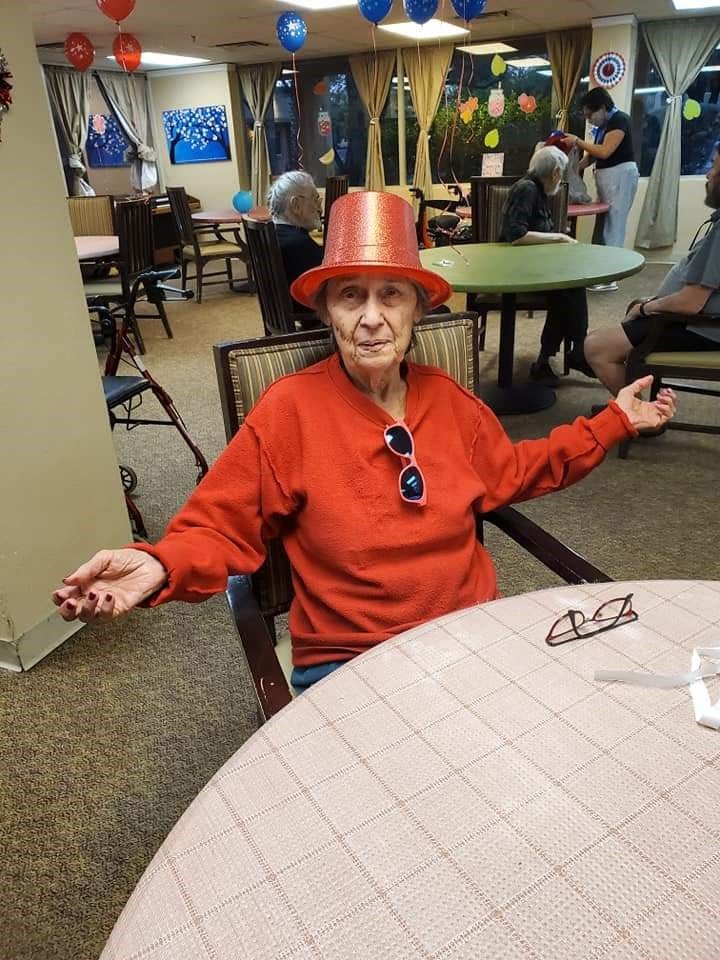
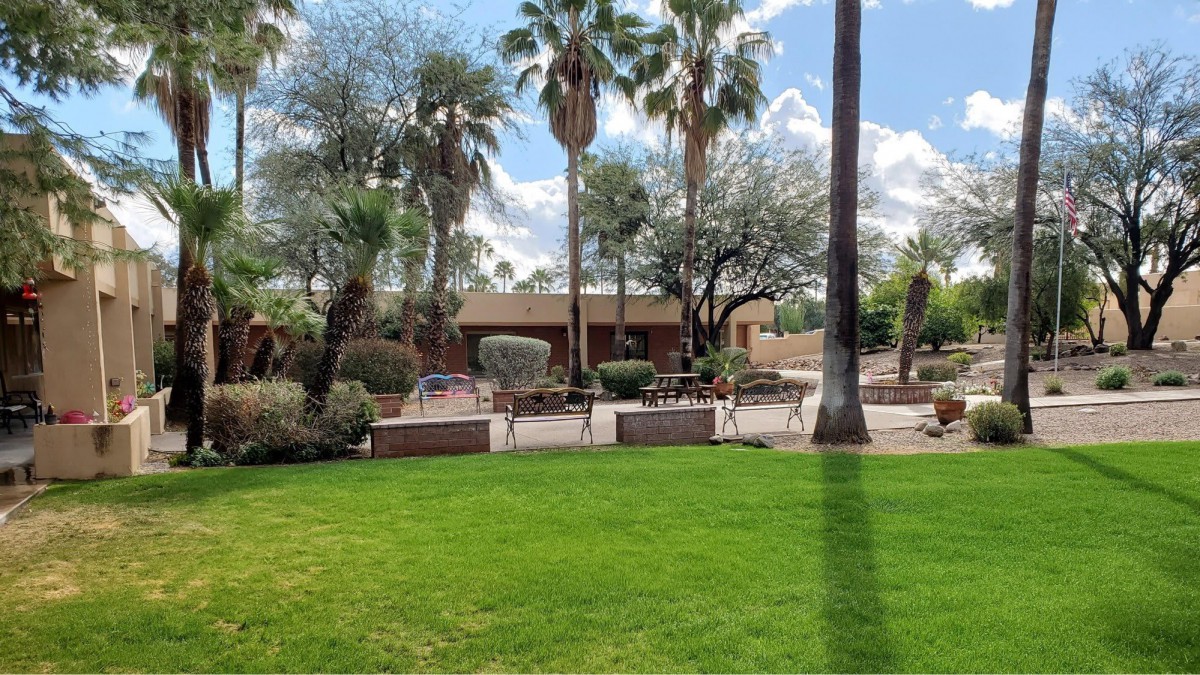
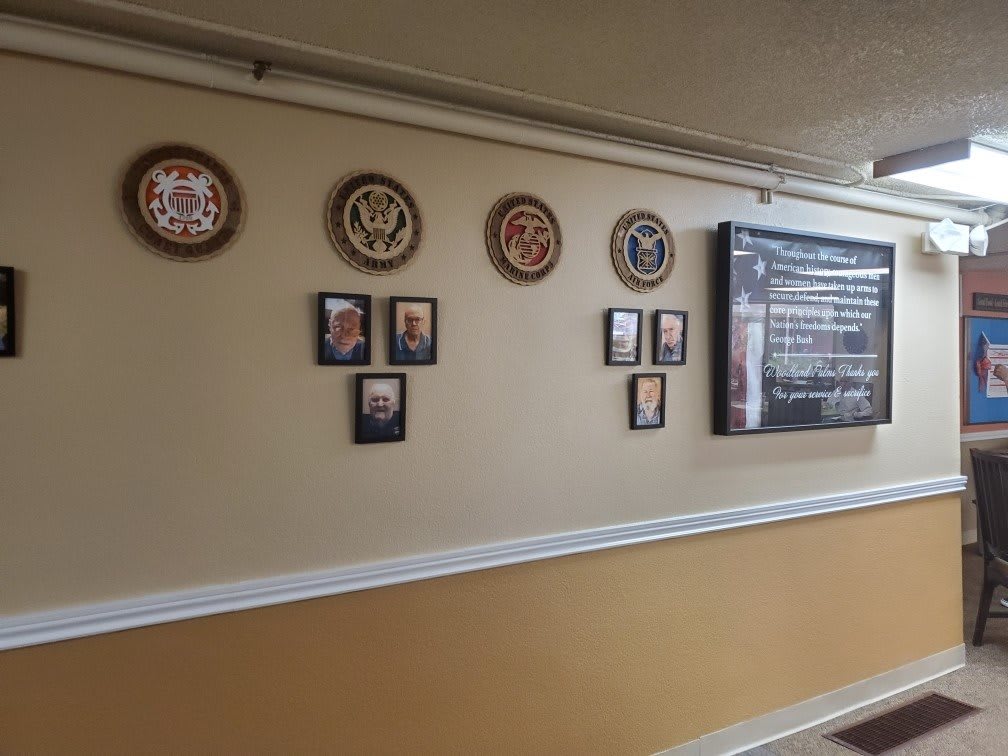
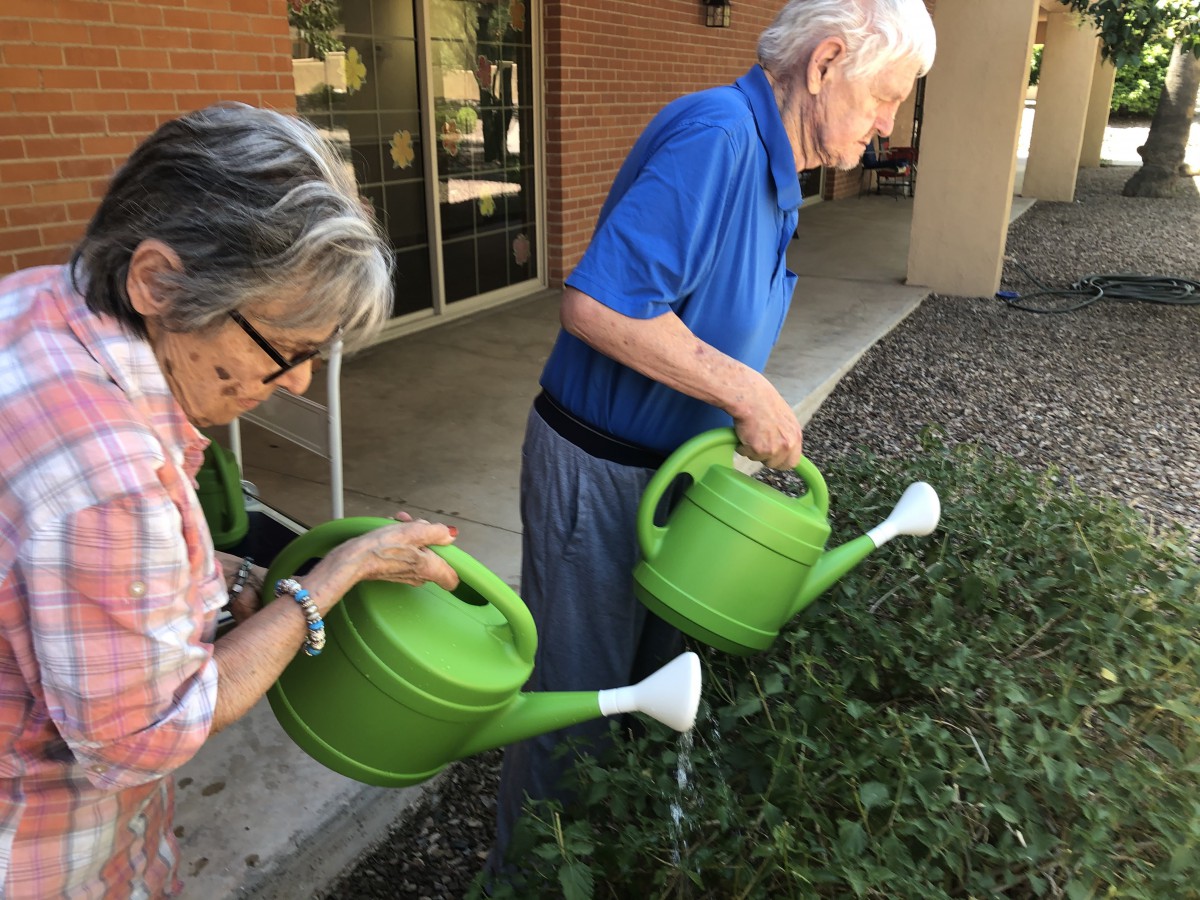
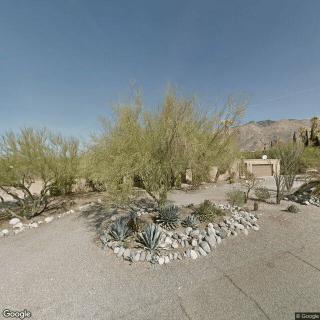
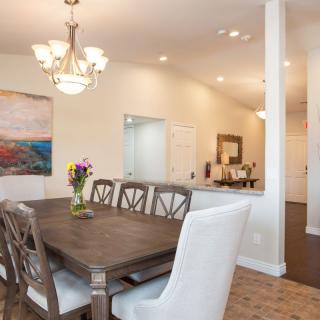
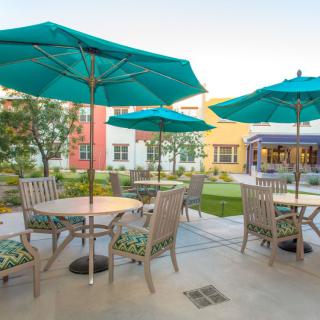
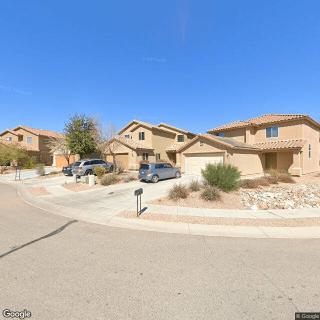
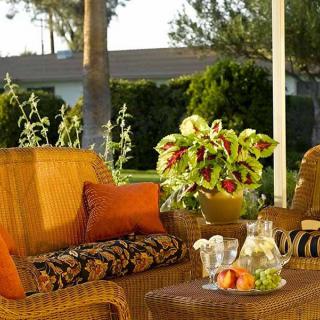
Woodland Palms Memory Care Community on seniors.fyi includes 7 photos including images showing palm trees, outdoor, landscaping, garden, trees, grass, gardening, outdoors, and more.
Nearby Communities
Woodland Palms Memory Care
Tucson, AZ
4.5 from 54 reviews
Attentive staff in a clean, well-kept facility with a pleasant courtyard.
Catalina Village Assisted Living
Tucson, AZ
3.1 from 31 reviews
Welcoming, homey atmosphere with caring staff; spacious apartments and well-maintained grounds plus on-site services.
Caring Hands Comfort Assisted Living Home
Tucson, AZ
5 from 1 review
Small, intimate 10-bed board-and-care with personalized care and move-in coordination.
Desert Sky II
Tucson, AZ
24/7 supervision with ADL support, medication management, and diabetes-friendly meals.
Desert Sky III
Tucson, AZ
4.5 from 2 reviews
Cozy, homelike setting with personalized care, meals, and daily support.
Aalii's Adult Care Home
Tucson, AZ
3.9 from 7 reviews
Homelike board-and-care with 24/7 supervision and personalized activities.
Atria Valley Manor
Tucson, AZ
4.7 from 79 reviews
$2,595 to $3,095 / month
Beautiful grounds, friendly staff, and spacious apartments with outdoor patios and engaging activities.
The Forum at Tucson
Tucson, AZ
4.1 from 205 reviews
$2,510 to $4,215 / month
Friendly, caring staff and high-quality dining with spacious, comfortable accommodations.
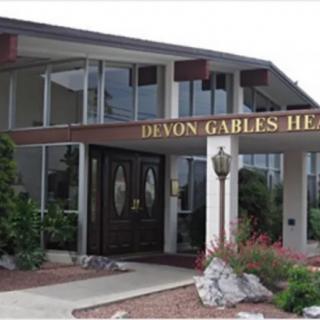
Devon Gables Rehabilitation Center
Tucson, AZ
3.4 from 71 reviews
Compassionate staff in a clean, home-like setting with active rehabilitation.
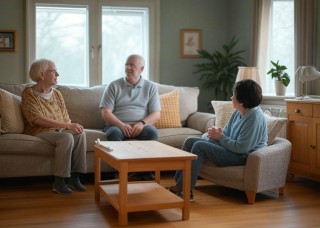
The article outlines effective communication strategies for interacting with loved ones with dementia, highlighting the need for empathy, patience, and understanding while emphasizing supportive approaches like using simple language, minimizing distractions, and focusing on feelings over facts to maintain dignity and foster connection. It also suggests seeking professional guidance when needed as communication challenges evolve.
VA nursing homes, or Community Living Centers (CLCs), offer tailored long-term care for veterans, featuring medical attention and rehabilitation in a supportive environment. The guide covers facility types, eligibility criteria, financial assistance options, quality of care standards, and alternatives to full-time nursing home placement.
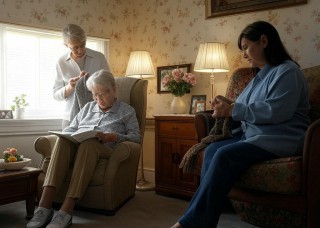
At-home dementia care expenses vary widely based on care levels, location, and caregiver expertise, with monthly costs for home health aides exceeding $4,500 and specialized care potentially surpassing $100,000 annually. While families favor in-home care for its comfort and personalized attention, they must consider financial planning and the challenges of caregiver fatigue.
Get PricingAsk A QuestionSchedule A TourContact Senior Advisor
By clicking submit, you agree to our Partner's Terms of Use. You
also consent to receive calls and texts, which may be autodialed, from our Partner. Your consent is not a condition to
using our Partner's service. Please visit our Partner's Privacy Policy for information about their privacy practices.


 Memory Care
 Activities on-site
 Air-conditioning
 Cable or satellite TV
 Devotional services on-site
 Ground floor units
 Handicap accessible
 Indoor common areas
 Outdoor common areas
 Respite or short term stays offered
 Wheelchair accessible showers
 Wi-Fi/high-speed internet available
 Tucson International (9 miles away)
 Ambulatory care
 Diabetic care
 Incontinence care
 Medication management
 Anytime dining
 Art classes
 Catholic services
 Educational speakers / life long learning
 Jewish services
 Karaoke
 Live well programs
 Attentive staff in a clean, well-kept facility with a pleasant courtyard.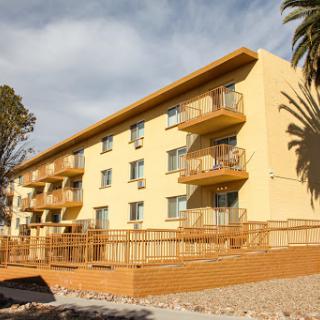


 How to Communicate with a Loved One Living with Dementia: 10 Supportive Strategies
 Comprehensive Guide to VA Nursing Homes: A Crucial Long-Term Care Resource for Veterans
 Estimating the Expenses of At-Home Dementia Care: A Detailed Exploration