For more information about senior living options: (866) 208-4318
3.1 from 31 reviews
5 stars
9
4 stars
6
3 stars
4
2 stars
3
1 stars
9
Catalina Village Assisted Living Costs & Pricing
Catalina Village Assisted Living offers competitive pricing for its residents, particularly when compared to the broader market in Pima County and across Arizona. For both studio and one-bedroom accommodations, Catalina Village maintains a monthly rate of $1,950, significantly lower than the county average of $3,786 for studios and $3,660 for one-bedrooms. This represents a substantial saving for families seeking quality care within a more affordable framework. In comparison to state averages, where costs hover around $3,829 for studios and $3,532 for one-bedroom units, Catalina Village presents an attractive option for those looking to balance quality assisted living with budget considerations.
Floor plans
Catalina Village Assisted Living
Pima County
Arizona
Studio
$1,950
$3,786
$3,829
1 Bedroom
$1,950
$3,660
$3,532
Overall Review of Catalina Village Assisted Living
differentiator2 reviews mention this
Emergency calls and 24/7 security
Residents mention emergency call buttons and round-the-clock security.
Some reviews describe an on-campus safety setup with emergency buttons and call system pendants for caregivers. Residents also mention 24/7 security, which aligns with the community’s broader supervision approach.
common8 reviews mention this
Staff feels welcoming, sometimes not
Reviews frequently describe staff as friendly and accommodating.
Many residents and families describe the staff as friendly and helpful, including during move-in and when caregivers assist with day-to-day concerns. A smaller set of reviews, however, raises issues with management responsiveness and how residents are treated, including complaints about codes, repairs, and staffing follow-through.
common4 reviews mention this
Quiet, low-key day-to-day feel
Residents describe the community as quiet and calm.
Several reviews specifically mention that the setting is quiet, and others characterize it as a comfortable transition with a calmer feel than expected. That tone shows up alongside mentions of shared spaces being well maintained and generally orderly.
differentiator4 reviews mention this
Cost is a standout for budgets
Price is a major draw for residents on limited budgets.
Multiple reviews call the community affordable and suitable for low-income housing, including one that mentions utilities being included. This fits the listing’s positioning as a lower-cost option compared with both the county and state levels.
caveat5 reviews mention this
Activities vary, with recent changes
Residents describe activity options that can be limited or changing.
Some reviews describe a calendar with community activities like games and outings, and one mentions activities increasing after remodeling. Other residents report that activities stopped or diminished under newer management, and a reviewer notes that many outings are limited by residents’ funds.
caveat6 reviews mention this
Cleanliness and repairs draw complaints
Several reviews raise concerns about cleanliness and maintenance speed.
A group of reviews mention problems such as unpleasant odors, reported filth, pest concerns, and deferred repairs or supplies. Others also cite maintenance issues like aging systems and requested refurbishments not being completed on the timeline described.
How we summarize
Counts show how many written reviews mention each theme; a review can touch several themes, and only frequently mentioned themes are displayed.
Catalina Village Assisted Living offers competitive pricing for its residents, particularly when compared to the broader market in Pima County and across Arizona. For both studio and one-bedroom accommodations, Catalina Village maintains a monthly rate of $1,950, significantly lower than the county average of $3,786 for studios and $3,660 for one-bedrooms. This represents a substantial saving for families seeking quality care within a more affordable framework. In comparison to state averages, where costs hover around $3,829 for studios and $3,532 for one-bedroom units, Catalina Village presents an attractive option for those looking to balance quality assisted living with budget considerations.
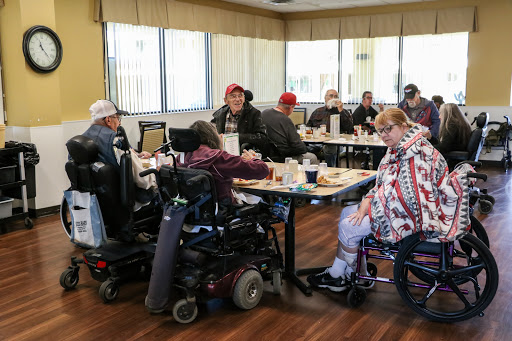
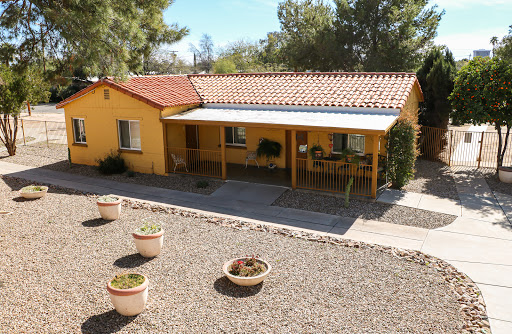
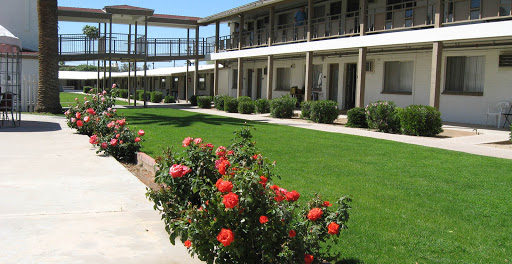
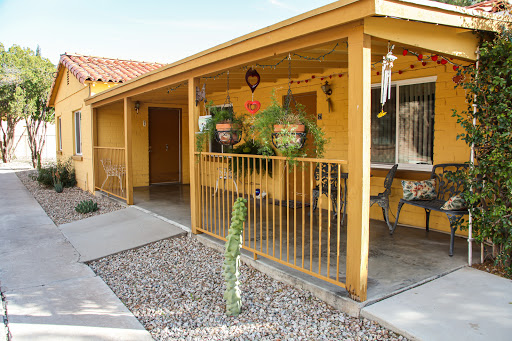
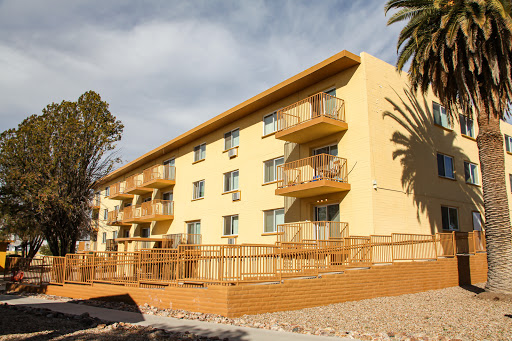
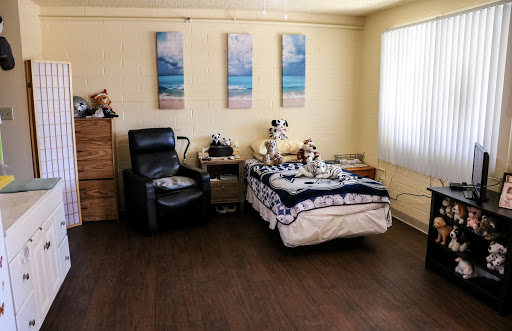
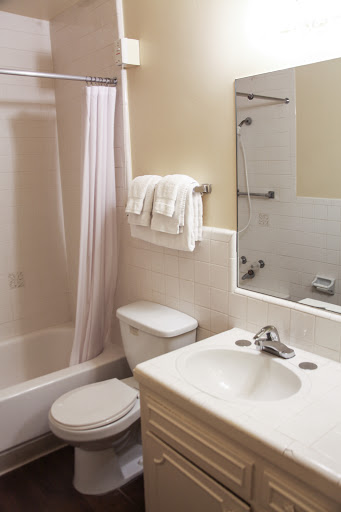
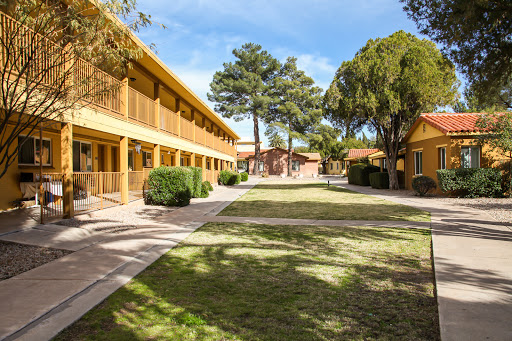
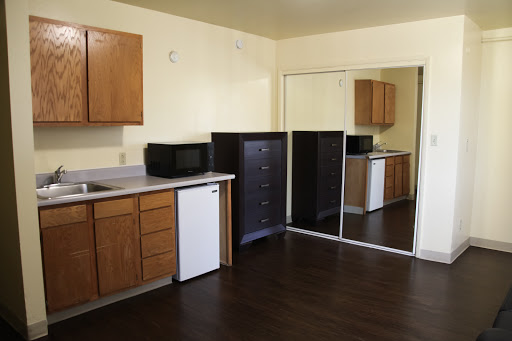
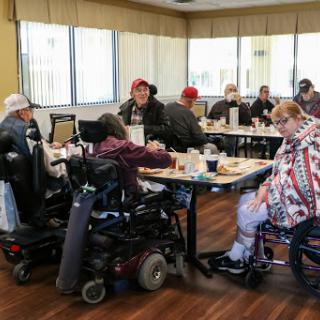
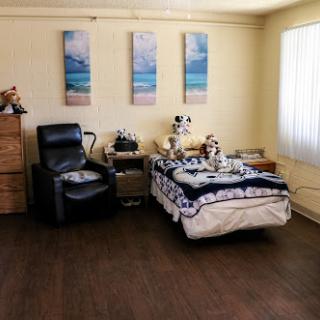
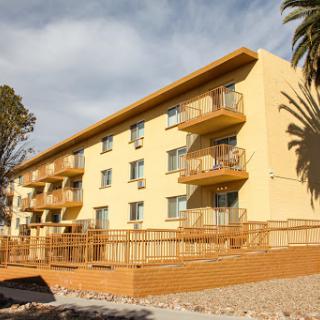
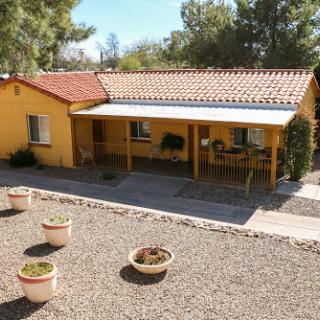
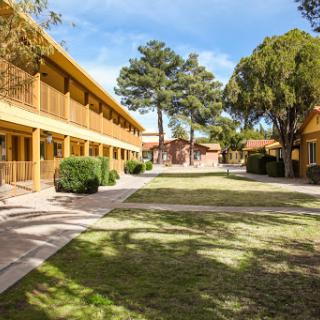
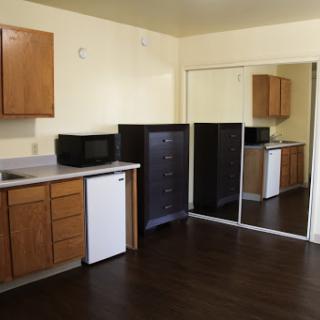
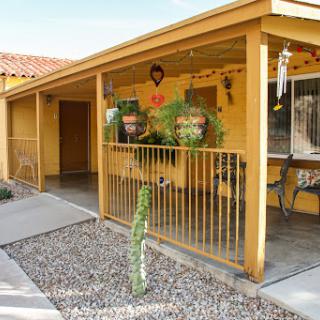
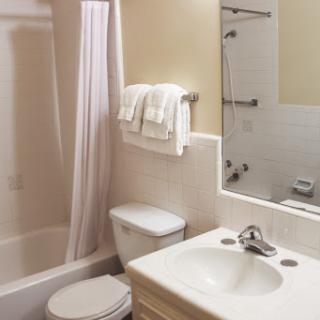
Catalina Village Assisted Living on seniors.fyi includes 9 photos including images showing outdoor, bathroom, grass, architecture, landscaping, bedroom, patio, decor, and more.
Nearby Communities
Woodland Palms Memory Care
Tucson, AZ
4.5 from 54 reviews
Attentive staff in a clean, well-kept facility with a pleasant courtyard.
Woodland Palms Memory Care Community
Tucson, AZ
4.6 from 91 reviews
$4,295 to $4,995 / month
Warm, caring staff with engaging activities in a welcoming environment.
Caring Hands Comfort Assisted Living Home
Tucson, AZ
5 from 1 review
Small, intimate 10-bed board-and-care with personalized care and move-in coordination.
Desert Sky II
Tucson, AZ
24/7 supervision with ADL support, medication management, and diabetes-friendly meals.
Desert Sky III
Tucson, AZ
4.5 from 2 reviews
Cozy, homelike setting with personalized care, meals, and daily support.
Parker's Adult Care
Tucson, AZ
5 from 1 review
Small, intimate board-and-care with personalized assistance and comprehensive services (ADLs, meds, meals, transport).
Atria Valley Manor
Tucson, AZ
4.7 from 79 reviews
$2,595 to $3,095 / month
Beautiful grounds, friendly staff, and spacious apartments with outdoor patios and engaging activities.
The Forum at Tucson
Tucson, AZ
4.1 from 205 reviews
$2,510 to $4,215 / month
Friendly, caring staff and high-quality dining with spacious, comfortable accommodations.
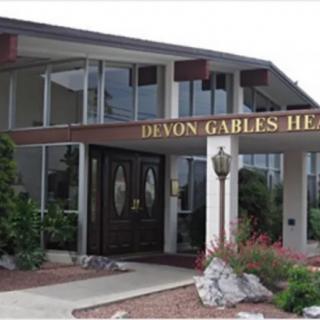
Devon Gables Rehabilitation Center
Tucson, AZ
3.4 from 71 reviews
Compassionate staff in a clean, home-like setting with active rehabilitation.
Activities of Daily Living (ADLs) are fundamental tasks vital for an individual's independence, particularly in older adults over 85, and include functions like bathing and dressing; assessing ADLs alongside Instrumental Activities of Daily Living (IADLs) helps determine the level of required assistance due to age-related health challenges. Tailored support plans, involving family and community resources, are essential for maintaining dignity and autonomy in assisted living environments.
Medicare does not cover assisted living costs, as it focuses on acute medical needs and short-term care, with exceptions for certain medically necessary services like physical therapy. Individuals must explore other options such as Medicaid, veterans' benefits, or long-term care insurance to manage these expenses effectively.
Choosing between assisted living and nursing homes involves evaluating emotional and financial factors, with assisted living offering independence and support for daily activities at a lower cost, while nursing homes provide intensive medical care for individuals with significant health needs. The decision is influenced by personal preferences, health status, cognitive function, and varying Medicaid coverage across states.
Get PricingAsk A QuestionSchedule A TourContact Senior Advisor
By clicking submit, you agree to our Partner's Terms of Use. You
also consent to receive calls and texts, which may be autodialed, from our Partner. Your consent is not a condition to
using our Partner's service. Please visit our Partner's Privacy Policy for information about their privacy practices.


 107 resident community capacity
 1-bedroom apartments
 Assisted Living
 Skilled Nursing Facility
 Activities on-site
 Air-conditioning
 Beauty salon
 Cable or satellite TV
 Computer center
 Devotional services off-site
 Dining room
 Fitness room
 Fully furnished
 Gaming room
 Garden
 Housekeeping services
 Indoor common areas
 Kitchenette
 Laundry
 Move-in coordination
 Outdoor space
 Private bathrooms
 Restaurant-style dining
 Small library
 Telephone
 Wellness center
 Wi-Fi/high-speed internet available
 Tucson International (9 miles away)
 Community operated transportation
 12-16 hour nursing
 24-hour call system
 Ambulatory care
 Assistance with bathing
 Assistance with dressing
 Assistance with transfers
 Diabetes diet
 Diabetic care
 Medication management
 Mental wellness program
 Special dietary restrictions
 Concierge services
 Educational speakers / life long learning
 Planned day trips
 English
 Attentive staff in a clean, well-kept facility with a pleasant courtyard.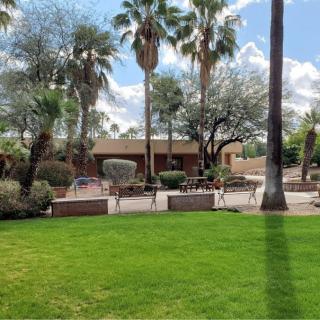



 Comprehensive Insights into Activities of Daily Living (ADLs) and Their Assessment
 Medicare Coverage for Assisted Living: An In-Depth Exploration
 Choosing the Right Senior Care: A Detailed Exploration of Assisted Living and Nursing Homes