
5453 East 4Th Street, Tucson, AZ 85711
For more information about senior living options: (866) 208-4318
Overall Review of Aalii's Adult Care Home
Pros
 The management team is sweet and caring.
- Elsa's Adult Care Home, LLC, holds the integrity that most places lack nowadays.
- Elsa's Adult Care Home provides direct access to the owners 24/7, with high standards met by staff through dedication and hard work.
- The residents' appreciation is heartwarming as they see the close-knit owners and staff, making life at Elsa's wonderful.
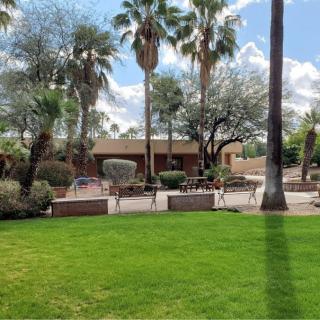
- The view of the mountains is beautiful, and the gardening work enlightens residents as they enjoy shade under the gazebo.
- Elsa works hard to meet residents' health needs, and they feel safer knowing how close the home is to St. Joseph's Hospital.
Cons
 The negative comment is false and suspect due to the complainant being unknown.
- The comments are unjustified due to the lack of specifics as to who, what, and when this event happened, and therefore they cannot be trusted and are not credible.
- It was posted purposely to discredit Elsa's unblemished and outstanding reputation for no apparent reason.
- Anyone who fabricates false libel is cautioned that such defamation and false damaging statements like this is punishable by law.
- The matter will be referred to Elsa's lawyer to track down the source.
Review
This Tucson-based adult family home is best suited for seniors who want a small, home-like setting with genuinely engaged leadership. The community shown in the reviews emphasizes a close, owner-led atmosphere where staff warmth translates into dependable daily care, and where residents can maintain privacy and a sense of independence without the bustle of a larger facility. It’s a practical match for families seeking personal attention, predictable routines, and a calm, garden-centered environment near St. Joseph’s Hospital. In short, it serves well those who value heartfelt oversight and a intimate living space over institutional size or a wide-ranging activity calendar.
Those weighing alternatives should consider how much medical oversight and social programming matter. Residents who need robust 24/7 skilled nursing, complex memory care, or a highly structured activity schedule may discover that a larger assisted living campus better meets those requirements. External oversight and transparent complaint histories can also be important for some families; the presence of a 1-star review, even if contested in the narratives, suggests that due diligence, tours, talk with current families, and a clear understanding of staffing, will be essential before committing.
The strongest positives in these reviews center on people. The management team is described as sweet and caring, with direct access to owners that many families equate with quick problem-solving and a reliably responsive culture. This is paired with a long-standing operation, with claims of “no complaints” over decades, which, if accurate, signals stability, trust, and consistent caregiving standards. Residents benefit from a sense of community that comes from a tightly knit staff and a shared purpose among caregivers, owners, and families. The setting itself reinforces these strengths: privacy is prioritized, life is described as independent within a supportive frame, and the landscape, the mountain views, gardening, and a shaded gazebo, offers daily wellness through beauty and outdoor time.
On the downside, the clearest caveat is the small, home-style footprint. Ahabiting challenge common to smaller homes is the potential for limited on-site medical resources, fewer staff per shift, and a lean social calendar compared with larger campuses. The mixed rating (a 3.9 with two 1-star reviews) signals that not every family will experience the same level of satisfaction, and one negative post calls for careful vetting, ideally through an in-person tour and direct conversations with current residents or families to gauge credibility and actual safety nets. Prospective movers should also confirm the specifics of care planning, nurse availability, and escalation protocols to ensure alignment with personal or family medical expectations.
These pros and cons can be weighed decisively by focusing on what matters most in the resident’s daily life. If the priority is immediate, personalized attention, predictable routines, and emotional security, along with the comfort of knowing the owners are accessible around the clock, this setting can prevail over the drawbacks of a smaller operation. The proximity to a hospital and the emphasis on independence within a private, garden-friendly environment further bolster the decision in favor of staying here for residents who require careful, affectionate supervision but do not demand intensive clinical care. The environment itself becomes part of the care plan: steady companionship, beautiful surroundings, and practical safeguards all support a high quality of life in a modestly scaled home.
For families moving forward, the recommended course is concrete and disciplined. Start with a transparent tour focused on staffing levels, shift coverage, and how care plans are developed and revised. Ask for recent resident-to-staff ratios, daily activity offerings, and emergency protocols, including what medical support is available after hours. Verify licensing and complaint history with the state and request references from current families. If the resident seeks active social engagement, request a sample calendar and opportunities to tailor programs; if medical complexity is anticipated, prepare a checklist of required services and compare that against what a small home can consistently deliver. With clear expectations, the decision will reveal whether this intimate, owner-led Tucson home aligns with the intended balance of privacy, care, and independence.
 8 resident community capacity
 Assisted Living
 Board and Care Home
 Cable or satellite TV
 Dining room
 Fully furnished
 Garden
 Housekeeping services
 Move-in coordination
 Outdoor space
 Telephone
 Wi-Fi/high-speed internet available
 Tucson International (9 miles away)
 24-hour supervision
 Activities of daily living assistance
 Assistance with bathing
 Assistance with dressing
 Assistance with transfers
 Diabetes diet
 Meal preparation and service
 Medication management
 Special dietary restrictions
 Transportation arrangement (medical)
 Transportation to doctors appointments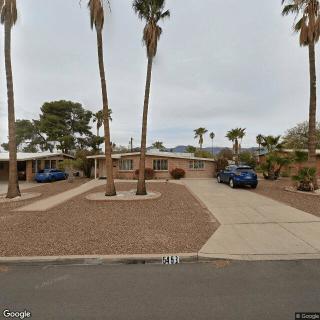




 Medicare Coverage for Assisted Living: An In-Depth Exploration
 Choosing the Right Senior Care: A Detailed Exploration of Assisted Living and Nursing Homes
 Understanding the True Cost of Assisted Living in 2025: A Comprehensive Guide