
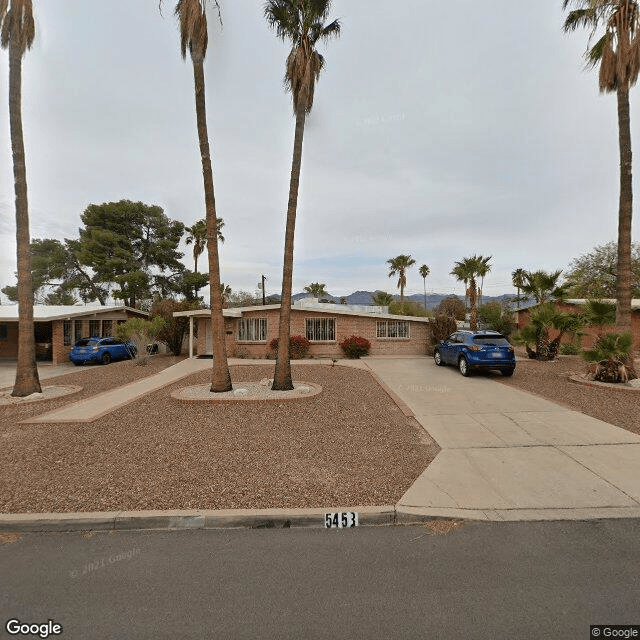
5453 E 4th St, Tucson, AZ 85711
To contact a resident: (520) 323-8920
For more information about senior living options: (866) 208-4318
Everlasting Adult Care Home Costs & Pricing
Everlasting Adult Care Home offers competitive pricing for its residents compared to both Pima County and the broader state of Arizona. For semi-private accommodations, the monthly cost at Everlasting is $2,500, which is notably lower than the county average of $2,805 and the state average of $2,820. Similarly, for private rooms, Everlasting charges $3,000 per month, again undercutting both Pima County's average of $3,332 and Arizona's average of $3,345. This positioning not only highlights Everlasting's commitment to accessible care but also reflects its dedication to providing a high-quality living environment without compromising financial considerations for families seeking adult care options.
| Floor plans | Everlasting Adult Care Home | Pima County | Arizona |
|---|---|---|---|
| Semi-Private | $2,500 | $2,805 | $2,820 |
| Private | $3,000 | $3,332 | $3,345 |
Senior living communities with a similar price nearby
-
from +$300 / mo
Abella Manor Senior Care, LLC
$2,800 to $3,200 / month4.4 miles away -
from -$300 / mo
Abuelos At La Canada
$2,200 to $2,800 / month9.0 miles away -
from -$200 / mo
Northwest Assisted Living
$2,300 to $2,500 / month10.4 miles away -
from -$300 / mo
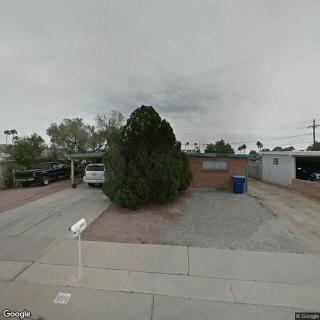
Gentlemen's Inn I
$2,200 / month3.4 miles away -
About the same
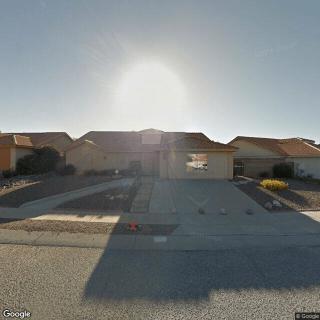
Grace Home I
$2,500 to $3,200 / month4.5 miles away
Overall Review of Everlasting Adult Care Home
Pros
 The owner is nice.
- The place is impeccably clean.
- The patients are well cared for.
- They plan to send their mother there.
- The environment is home-like.
- The staff are nice and caring.
Cons
 The place was in need of some renovation.
- It was a bit overpriced for what was offered.
Review
Everlasting Adult Care Home in Tucson, AZ is best suited for families seeking a small, home-like atmosphere where cleanliness and personal attention are non-negotiable. The reviews highlight a hands-on owner who projects approachable, trustworthy leadership, and a setting that feels more like a well-kept family residence than a clinical facility. This combination tends to work best for seniors who thrive on routine, privacy, and a domestic environment, and for families seeking peace of mind that every resident is cared for with diligence. The strongest selling point is the impression that staff know residents well and that the caregiving network operates with a visible commitment to dignity and safety. For parents who prioritize a warm, less institutional vibe, this community stands out as a practical fit.
Alternatives to consider emerge clearly for those who need more modernization, more robust medical oversight, or greater value for money. The property is described as very clean and homey but older, with renovations lacking. That signals a heavier reliance on staff and atmosphere than on contemporary amenities. Families that require frequent rehabilitation services, complex medical management, or highly structured activity programs may find the resource mix here insufficient. Price sensitivity is another factor: the reviews flag the cost as a potential overprice relative to what’s delivered, suggesting that budget-minded decision-makers may want to compare with other small homes or larger communities that bundle more services.
On the positive side, the key advantages center on cleanliness, warmth, and a caretaker-first approach. The owner’s niceness and the staff’s caring attitude translate into a daily experience where residents appear well looked after and safe. A home-like environment reduces the stress of moving into care and can ease adjustment for both residents and families. In a setting with mostly smaller numbers, staff members can offer more personalized attention, which is especially important for those who value consistent routines and visible oversight. These strengths can offset the less glamorous aspects of the property, particularly for residents who do not require extensive medical interventions but do benefit from stable, compassionate caregiving.
However, the cons are real and non-negligible. An older home that needs renovation can imply dated infrastructure, limited accessibility refinements, and fewer modern conveniences that some families expect. The space may feel cozy but not expansive, and amenities like activity rooms or updated common areas may not be available. Price perception matters here: the same warmth and cleanliness can be hampered if the cost signal overpromises what is delivered in terms of value. For families evaluating long-term care, these factors matter when balancing the comfort of a home with potential outlays and the desire for a move-in ready atmosphere.
Decision-makers should match priorities to these realities. If the priority is a trustworthy, warm, clean home with a personable owner and caregivers who treat residents with respect, Everlasting Adult Care Home is a strong contender. The price caveat means it is best suited for those who value a domestic environment over brand-new fixtures, and who are comfortable with some renovation-related aesthetics as a trade-off for personalized attention. For seniors needing high medical intensity, frequent therapies, or a robust calendar of structured activities, alternatives with more comprehensive clinical support and newer facilities are likely a better fit. As with any small-care setting, personal visits to gauge staff consistency and daily rhythms are essential.
Overall, Everlasting Adult Care Home serves a distinct niche in Tucson’s care landscape: a clean, homey, personally guided option where residents are cared for with noticeable pride and attentiveness. The best fit is a family that prioritizes trust, intimate staffing, and a comfortable, domestic living experience over cutting-edge finishes or aggressive pricing. Those who value modernization or more aggressive pricing will want to explore other small homes or larger communities to ensure the chosen setting aligns with medical needs, activity desires, and budget realities. In the end, the decision hinges on whether the comfort of a warm, well-maintained home with hands-on oversight outweighs the compromises in renovation, modern amenities, and cost.
 Board and Care Home
 Private
 Tucson International (9 miles away)
 Diabetic care

 Senior Move Management: Understanding the Role, Value, and Associated Costs
 Weight Training for Seniors: Building Strength and Vitality
 Understanding the Sandwich Generation: Stress and Responsibilities for Multigenerational Caregivers