For more information about senior living options: (866) 208-4318
3.6 from 79 reviews
5 stars
36
4 stars
15
3 stars
7
2 stars
0
1 stars
21
Claiborne & Hughes Nursing & Rehabilitation Center Costs & Pricing
Claiborne & Hughes Nursing & Rehabilitation Center presents a competitive pricing structure for its services when compared to both Williamson County and the broader state of Tennessee. For semi-private rooms, the center charges $5,100 per month, which is notably higher than the county's average rate of $4,125 and also exceeds the state average of $3,162. Similarly, private room accommodations at Claiborne & Hughes are priced at $5,400, again surpassing Williamson County's average of $4,085 and Tennessee's overall average of $3,696. While these costs may reflect the higher quality of care or range of amenities offered by Claiborne & Hughes compared to other facilities in the area, they do position it at a premium price point that families should carefully consider in their decision-making process.
Floor plans
Claiborne & Hughes Nursing & Rehabilitation Center
Williamson County
Tennessee
Semi-Private
$5,100
$4,125
$3,162
Private
$5,400
$4,085
$3,696
Skilled Nursing Facilities with a similar price nearby
Overall Review of Claiborne & Hughes Nursing & Rehabilitation Center
caveat5 reviews mention this
Call buttons and staffing concerns
Residents’ call-bell response times are a recurring concern, with multiple reviewers describing staffing gaps.
Several reviews describe situations where help did not come quickly after the nurse button or call light was used. Families also mention longer waits for basics like pain medication and difficulty getting routine requests answered. One reviewer directly attributes delays to being understaffed, including high resident loads on a shift.
caveat3 reviews mention this
Food quality feels inconsistent
Dining quality comes up repeatedly, including complaints about cold or unappetizing meals.
Some reviewers describe meals as cold, poorly prepared, or generally unappetizing. Others mention residents being passed over for food or needing to request meals at the nurse station. A few families also frame food as merely okay or not great, rather than consistently satisfying.
common4 reviews mention this
Cleanliness is mixed, updates ongoing
Cleanliness is both praised and criticized across reviews, with ongoing renovation noted by some families.
On the positive side, multiple visitors say the building was clean and that the facility stayed clean during their loved one’s stay. Some reviewers also acknowledge that renovations or updates were in progress. Other reviews take a sharper view, describing the facility as not well kept and citing cleanliness issues that go beyond appearance.
common6 reviews mention this
Therapy and activities stand out
Therapy and activities are repeatedly mentioned as key parts of the day.
Many reviewers focus on therapy and rehabilitation, including families who say it helped their loved one get stronger and communicated progress. Activity programs also show up in multiple reviews, with residents describing group activities and time outside. Even when reviews include other concerns, therapy is often singled out as a reason families were satisfied overall.
How we summarize
Counts show how many written reviews mention each theme; a review can touch several themes, and only frequently mentioned themes are displayed.
Features
Types of Care
Skilled Nursing Facility
Pets
Cats allowed
Dogs allowed
Amenities
Private
Transportation
Nashville International (18 miles away)
Nearby Places of Interest
This part of Franklin, Tennessee offers a variety of amenities that may be of interest to seniors considering the area for living. The neighborhood is home to several cafes for socializing, pharmacies for convenient access to medications, places of worship for spiritual fulfillment, parks for outdoor recreation and relaxation, restaurants offering a range of dining options, physicians for healthcare needs, and a nearby hospital for medical emergencies. With its mix of services and recreational opportunities, this part of Franklin provides a comfortable and convenient environment for seniors looking to settle down in a welcoming community.
Cafes
Frothy Monkey (0.6 miles)
Starbucks (3.5 miles)
Starbucks (5 miles)
Starbucks (5.2 miles)
Starbucks (9.2 miles)
Starbucks (9.3 miles)
Starbucks (9.8 miles)
Pharmacies
Franklin Family Pharmacy CBD Products (0.7 miles)
CVS Pharmacy (1 miles)
Walgreens (2.7 miles)
CVS Pharmacy (3.1 miles)
Walgreens (3.3 miles)
Walmart Pharmacy (3.6 miles)
Walgreens (3.8 miles)
Places of Worship
St Philip Catholic Church (0.9 miles)
Church of the City (1.7 miles)
Fellowship Bible Church - Brentwood Campus (6.6 miles)
Brentwood United Methodist Church (9 miles)
Parks
Pinkerton Park (1 miles)
Crocket Park (7.4 miles)
Percy Warner Park (10 miles)
Owl Creek Park (10.6 miles)
Restaurants
Sonic Drive-In (1.1 miles)
Chick-Fil-A (1.5 miles)
Chick-Fil-A (2.3 miles)
Scout's Pub (2.5 miles)
Nacho's Mexican Restaurant (2.8 miles)
Waffle House (2.9 miles)
Shake Shack (3.2 miles)
Physicians
Ascent Eye Care & Eyewear Gallery (1.4 miles)
Vanderbilt Interventional Pulmonology Franklin (2.1 miles)
Claiborne & Hughes Nursing & Rehabilitation Center presents a competitive pricing structure for its services when compared to both Williamson County and the broader state of Tennessee. For semi-private rooms, the center charges $5,100 per month, which is notably higher than the county's average rate of $4,125 and also exceeds the state average of $3,162. Similarly, private room accommodations at Claiborne & Hughes are priced at $5,400, again surpassing Williamson County's average of $4,085 and Tennessee's overall average of $3,696. While these costs may reflect the higher quality of care or range of amenities offered by Claiborne & Hughes compared to other facilities in the area, they do position it at a premium price point that families should carefully consider in their decision-making process.
Small, intimate community with on-site meal preparation/medication management and easy access to nearby pharmacies, physicians, dining, and places of worship.
Right at Home Middle TN
Franklin, TN
3.7 from 3 reviews
Great access to nearby pharmacies, physicians, restaurants, and amenities.
Belvedere Commons of Franklin
Franklin, TN
3.8 from 118 reviews
$2,800 to $3,915 / month
Caring staff and a clean, quiet environment with good value for the Franklin area.
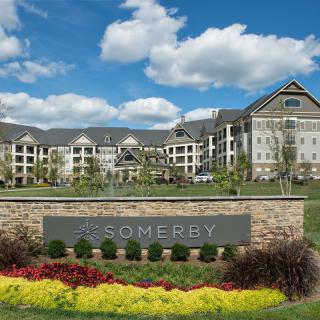
Somerby Franklin
Franklin, TN
4.5 from 167 reviews
$4,895 to $6,695 / month
Friendly, engaged staff with a vibrant community and quality on-site dining and activities.
Symphony Assisted Living
Franklin, TN
4.3 from 53 reviews
$4,500 to $4,900 / month
Caring staff and a clean, welcoming environment with engaging dining and activities.
The guide on blood pressure charts for older adults stresses the importance of understanding normal and high blood pressure readings influenced by age, genetics, and lifestyle, while emphasizing regular monitoring and lifestyle modifications to prevent serious health issues. It provides insights into blood pressure categories, dietary recommendations, medication considerations, and the role of caregivers in supporting healthy habits.
The article explores the complexities of using Social Security to finance long-term nursing home care in the U.S., detailing eligibility requirements and misconceptions, while emphasizing that these benefits often do not cover full costs and highlighting the need for strategic financial planning and professional guidance.
Pneumonia significantly affects older adults due to weakened immune systems and atypical symptoms that complicate diagnosis, necessitating early detection and tailored treatment. Risk factors include chronic diseases and cognitive impairments, with preventive measures like vaccinations and healthy lifestyles being crucial for reducing risk.
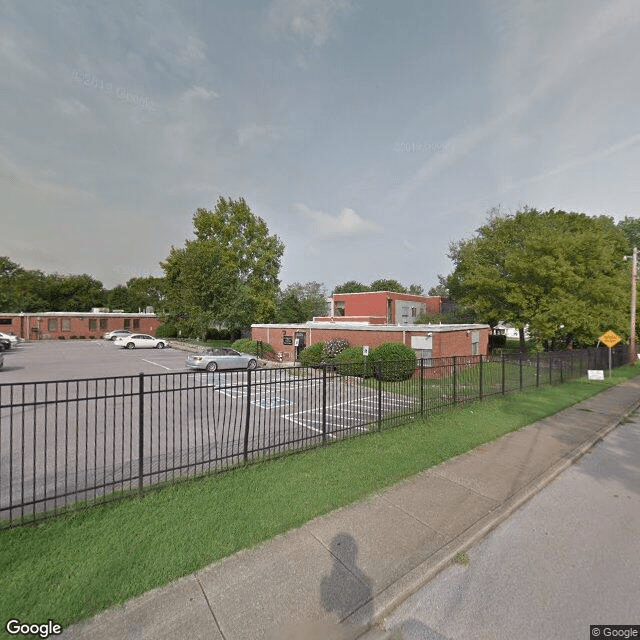
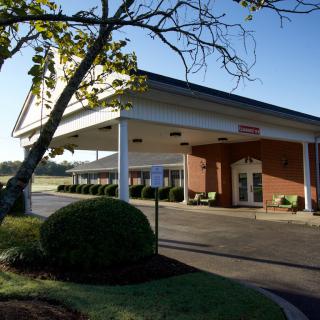
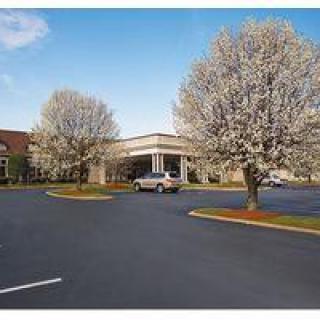
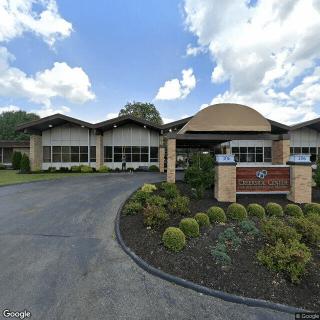
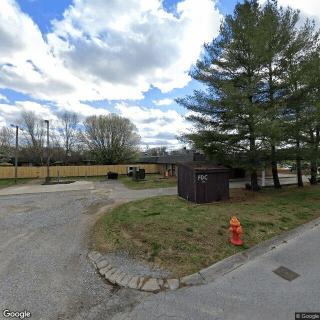
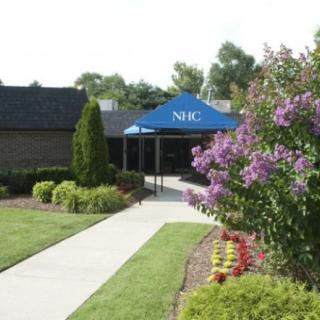
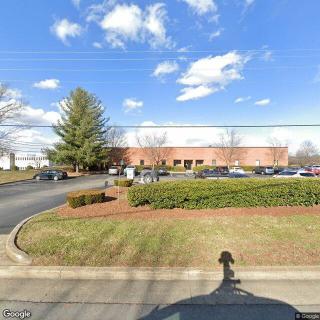
Claiborne & Hughes Nursing & Rehabilitation Center photos
×
Get PricingAsk A QuestionSchedule A TourContact Senior Advisor
By clicking submit, you agree to our Partner's Terms of Use. You
also consent to receive calls and texts, which may be autodialed, from our Partner. Your consent is not a condition to
using our Partner's service. Please visit our Partner's Privacy Policy for information about their privacy practices.

 Skilled Nursing Facility
 Cats allowed
 Dogs allowed
 Private
 Nashville International (18 miles away)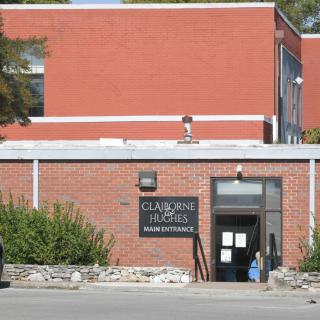
 Caring, supportive staff with positive rehabilitation experiences.

 Comprehensive Guide to Blood Pressure Charts for Older Adults: Understanding Normal and High Readings by Age
 Financing Long-Term Nursing Home Care Through Social Security: A Thorough Exploration
 Essential Knowledge on Pneumonia in Older Adults