Ahava Healthcare- Whites Creek Wellness and Rehab Costs & Pricing
Ahava Healthcare- Whites Creek Wellness and Rehab offers competitive pricing for its services, with monthly costs for semi-private rooms at $4,350 and private rooms at $4,410. In comparison, the average costs in Davidson County are considerably lower, with semi-private rooms priced at approximately $2,765 and private rooms at around $3,111. Similarly, the state averages reflect a more economical landscape; Tennessee sees semi-private room costs averaging $3,162 and private room rates at $3,696. These figures highlight that while Ahava Healthcare provides specialized care and potentially enhanced amenities, individuals considering residency may find a significant price difference compared to both county and state averages.
Floor plans
Ahava Healthcare- Whites Creek Wellness and Rehab
Davidson County
Tennessee
Semi-Private
$4,350
$2,765
$3,162
Private
$4,410
$3,111
$3,696
Skilled Nursing Facilities with a similar price nearby
Overall Review of Ahava Healthcare- Whites Creek Wellness and Rehab
common28 reviews mention this
Staff attention feels mixed
Residents and families describe both attentive care and dismissive, slow responses.
Many reviewers say the nurses, techs, and therapists are kind, friendly, and responsive, and that staff treat residents well. Several other reviews report the opposite, including dismissive front-desk interactions, argumentative behavior, and long waits after using the call light. A few families also praised specific staff members for helping coordinate care and follow-through during transitions.
common18 reviews mention this
Therapy is a frequent bright spot
Physical and occupational therapy are repeatedly described as helping residents regain function.
A substantial number of reviews credit PT/OT with meaningful progress during recovery and rehabilitation, with patients learning routines to use at home. Some reviewers specifically call out physical therapy as a key reason they were able to go home. A few comments temper this by describing interruptions or delays when a therapist was unavailable or when care coordination fell short.
caveat15 reviews mention this
Calls for meds and help take time
Some residents report delayed call light responses and medication timing issues.
Multiple reviews describe long waits—sometimes hours—for the staff to respond to call lights and provide needed medications. Others mention medication being late or not delivered as scheduled, including concerns during after-discharge planning. While some families praised care, these accounts point to inconsistency in day-to-day responsiveness.
caveat10 reviews mention this
Food quality is inconsistent
Residents describe both good food and periods of poor meals.
Some reviewers say the food is really good, sometimes mentioning deli-style options or meals that look better than expected. Other reviews describe meals as upsetting, cold, low in portion size, or missing items like milk or juice. A few comments also connect meal quality problems with residents having difficulty eating comfortably.
common16 reviews mention this
Cleanliness and facility upkeep stand out
Many reviewers highlight a clean, neat facility and organized visits.
A recurring theme is that the building looks clean, smells fresh, and appears well kept during visits. Several reviewers also describe patient areas as clean and residents as well groomed. There are also negative reviews that contrast sharply with those impressions, though fewer focus specifically on cleanliness than they do on care responsiveness.
caveat12 reviews mention this
Social services and discharge follow-through
Some families report problems with discharge paperwork and aftercare coordination.
A number of reviews criticize the social services or discharge process, including delays in aftercare orders and discharge paperwork that did not match what families later experienced. Others describe difficulty getting answers from staff or supervisors when asking follow-up questions. A smaller set of reviews praises social workers for helping coordinate next steps, including returning a resident to an appropriate living arrangement.
How we summarize
Counts show how many written reviews mention each theme; a review can touch several themes, and only frequently mentioned themes are displayed.
Features
Types of Care
Skilled Nursing Facility
Amenities
Beautician on-site
Private
Respite or short term stays offered
Wheelchair accessible showers
Transportation
Nashville International (10 miles away)
Care Services
High acuity care
Incontinence care
Nearby Places of Interest
This part of Nashville, Tennessee, offers a variety of convenient amenities for senior living. With multiple pharmacies nearby, accessing medication and healthcare services is made easy. There are also several reputable physicians' offices and hospitals within a short distance, providing quality medical care. In terms of dining options, there are a mix of fast food and casual restaurants in the area. Additionally, there are cafes for socializing or enjoying a cup of coffee. For those who enjoy outdoor activities, there are several parks within a few miles, offering opportunities for leisurely strolls or relaxation. Overall, this neighborhood provides access to essential services and recreational facilities that cater to the needs and interests of seniors looking for a comfortable and convenient residential location.
Pharmacies
Walgreens (2.4 miles)
Walgreens (3.3 miles)
Walgreens (3.5 miles)
Walgreens (4.3 miles)
Kroger Pharmacy (4.4 miles)
CVS Pharmacy (4.4 miles)
Walgreens (4.5 miles)
Physicians
Tennessee Orthopaedic At Skyline Medical Center (2.6 miles)
TriStar Skyline Advanced Wound Care & Vascular Center (2.9 miles)
Nashville Cardiology (5.6 miles)
Dialysis Clinic (5.7 miles)
Allergy & Immunology (5.8 miles)
Saint Thomas Health Services (5.9 miles)
TriStar Centennial Medical Center (5.9 miles)
Restaurants
Chick-Fil-A (3.2 miles)
Taco Bell (3.3 miles)
Chipotle Mexican Grill (3.4 miles)
Red Headed Stranger (4.2 miles)
Sonny's Patio Pub and Refuge (4.3 miles)
Wendy's (4.3 miles)
Cook Out (4.3 miles)
Cafes
Starbucks (3.5 miles)
Starbucks (4.6 miles)
East Park Donuts & Coffee (5 miles)
Cafe Roze (5.3 miles)
Ugly Mugs Coffee and Tea (5.4 miles)
Frothy Monkey (5.9 miles)
Parlor Doughnuts (5.9 miles)
Places of Worship
Cornerstone Church (4.2 miles)
Dalewood Baptist Church (5.3 miles)
Parks
Fred Douglas Park (4.9 miles)
Riverfront Park (5.5 miles)
Shelby Walk Park (5.6 miles)
Music City Walk of Fame Park (5.6 miles)
Shelby Park (5.9 miles)
Centennial Park (5.9 miles)
West Park (6.2 miles)
Hospitals
Metropolitan Nashville General Hospital (5 miles)
Saint Thomas Heart - Saint Thomas Midtown Hospital (5.9 miles)
Ahava Healthcare- Whites Creek Wellness and Rehab offers competitive pricing for its services, with monthly costs for semi-private rooms at $4,350 and private rooms at $4,410. In comparison, the average costs in Davidson County are considerably lower, with semi-private rooms priced at approximately $2,765 and private rooms at around $3,111. Similarly, the state averages reflect a more economical landscape; Tennessee sees semi-private room costs averaging $3,162 and private room rates at $3,696. These figures highlight that while Ahava Healthcare provides specialized care and potentially enhanced amenities, individuals considering residency may find a significant price difference compared to both county and state averages.
Home health nursing is an expanding field where licensed professionals provide specialized medical care in patients' homes, addressing the needs of an aging population through personalized services like assessments and medication management. Effective collaboration with healthcare teams, cultural sensitivity, and quality assurance measures are essential for fostering trust and ensuring positive patient outcomes.
Medicare covers in-home health care services, which are medical and provided by licensed professionals under a physician's supervision, whereas non-medical personal assistance is generally not covered unless part of a broader skilled care plan. Eligibility for benefits depends on being homebound and needing intermittent skilled services from a Medicare-certified agency, with specific coverage limitations and additional resources available for navigating options.
In-home care is increasingly sought after by older adults for maintaining independence, with average private home care rates in 2025 varying by state and service type, reflecting geographical and local labor market influences. As demand rises, families are considering funding options like Medicaid waivers and long-term care insurance to manage costs effectively while ensuring quality care.
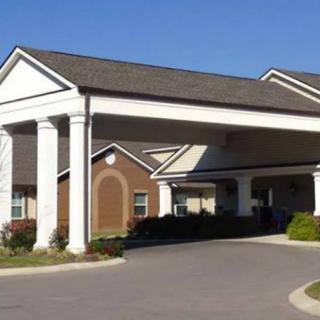
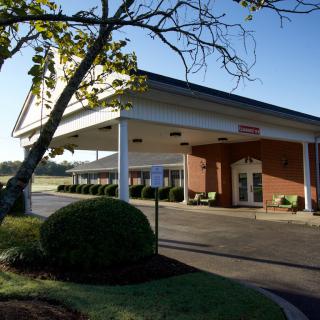
Ahava Healthcare- Whites Creek Wellness and Rehab photos
×
Get PricingAsk A QuestionSchedule A TourContact Senior Advisor
By clicking submit, you agree to our Partner's Terms of Use. You
also consent to receive calls and texts, which may be autodialed, from our Partner. Your consent is not a condition to
using our Partner's service. Please visit our Partner's Privacy Policy for information about their privacy practices.

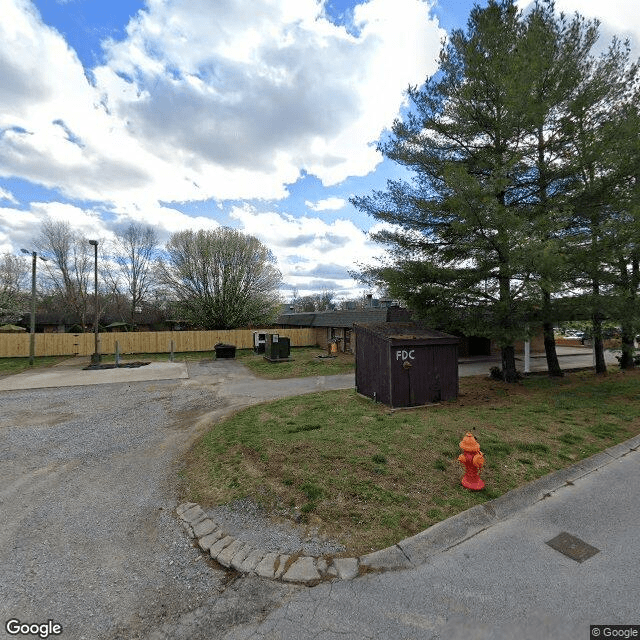

 Skilled Nursing Facility
 Beautician on-site
 Private
 Respite or short term stays offered
 Wheelchair accessible showers
 Nashville International (10 miles away)
 High acuity care
 Incontinence care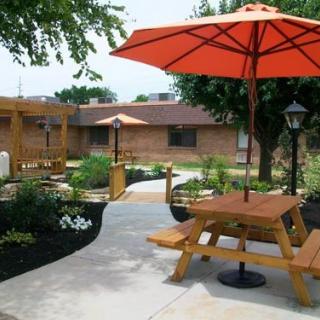
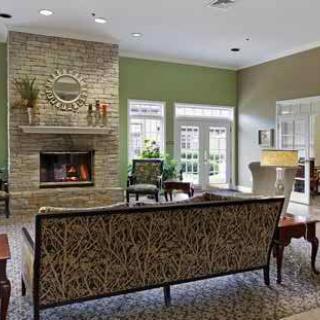
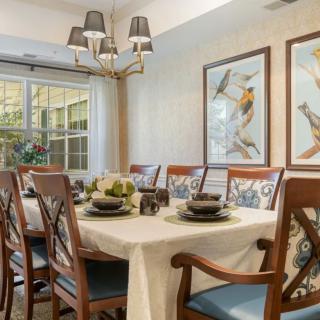
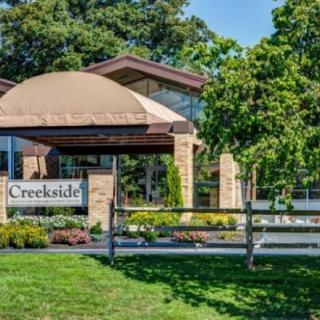
 Comprehensive on-site amenities and care services (dining, beauty salon, fitness room, garden, transportation, medication management).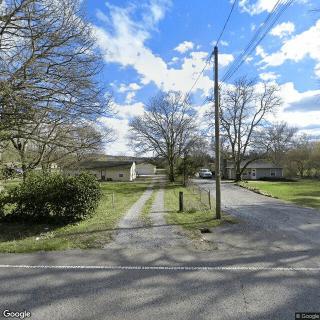
 Exploring the World of Home Health Nurses: Qualifications, Roles, and Hiring Tips
 Navigating Medicare Coverage for In-Home Care Services
 In-Home Care Costs in 2025: A Detailed State-by-State Exploration