Cumberland Manor Nursing Center offers competitive pricing for its services in the context of both Davidson County and the broader state of Tennessee. For a semi-private room, residents can expect to pay $4,495 per month, which significantly exceeds the county average of $2,765 and the state average of $3,162. Private rooms at Cumberland Manor are similarly priced at $4,650, again above Davidson County's average of $3,111 and Tennessee's average of $3,696. While these costs may reflect a higher standard of care or additional amenities offered by Cumberland Manor, potential residents and their families should weigh these rates against local options to ensure they find the best fit for their needs.
Floor plans
Cumberland Manor Nursing Center
Davidson County
Tennessee
Semi-Private
$4,495
$2,765
$3,162
Private
$4,650
$3,111
$3,696
Skilled Nursing Facilities with a similar price nearby
Residents and families most consistently describe staff as kind, respectful, and professional.
A large share of reviews focus on staff members who are portrayed as courteous, welcoming, and attentive to residents’ needs. Multiple reviewers single out nurses and other caregivers by name, describing patience and thoroughness that eased family stress. Even when a review is more critical overall, it still often references staff interactions like responsiveness on some days or the experience of being heard during visits. In general, the staffing impression in reviews is overwhelmingly positive and centered on day-to-day care.
common9 reviews mention this
Rehab and therapy get praise
Therapy and rehab care is repeatedly described as helpful and engaged.
Several reviews highlight rehab and therapy teams as a strong point, mentioning a “therapy team” and describing workouts, support, and teamwork. Families also describe being informed and engaged in rehab progress, and one review specifically notes a wound care nurse as standout support. While a few comments mention service gaps or concerns elsewhere, the therapy-focused mentions are consistently framed as active and attentive.
common14 reviews mention this
Cleanliness comes up often
Many reviews mention cleanliness and a maintained facility as a reassuring sign.
Many reviewers describe the building as clean, neat, and well maintained, including comments about the office being clean and the facility looking ready. At the same time, there are also negative reviews that mention smells, dirty-feeling rooms, and urine-related cleanliness concerns. Put together, the reviews suggest that cleanliness is important to residents and families, but experiences can vary significantly from reviewer to reviewer.
caveat6 reviews mention this
Call response and communication vary
Some families describe problems with responsiveness and communication during care.
A recurring concern in the lower-rated reviews is that staff did not respond quickly enough when help was requested. Others describe missed checks, difficulty getting issues addressed, or longer waits tied to instructions and coordination. Reviews that are more positive also mention families feeling informed and supported, but the negative accounts point to clear inconsistencies in how well needs are met in the moment.
caveat6 reviews mention this
Food quality and options feel mixed
Food experiences range from well-liked to repeatedly criticized.
Some reviews say meals are good, well-balanced, or simply provide enough variety for residents’ preferences. Other reviews are more critical, describing meals as small, cold, institutional, or lacking alternatives, and one reviewer specifically notes no menu for choosing alternatives. Overall, dining is a visible point in the reviews, with no single consistent takeaway on taste and meal service.
How we summarize
Counts show how many written reviews mention each theme; a review can touch several themes, and only frequently mentioned themes are displayed.
Features
Types of Care
Skilled Nursing Facility
Amenities
Private
Transportation
Nashville International (12 miles away)
Nearby Places of Interest
Pharmacies
Walgreens (1.9 miles)
Walgreens (3.9 miles)
CVS Pharmacy (3.9 miles)
Walgreens (4.5 miles)
Walgreens (4.7 miles)
Walgreens (5.1 miles)
Walgreens (5.3 miles)
Transportation
Corporate Flight Management (2 miles)
John C Tune Airport (JWN) (2.4 miles)
Parks
West Park (3 miles)
Richland Park (3.9 miles)
Centennial Park (4.6 miles)
Fannie Mae Dees Park (5.6 miles)
Music City Walk of Fame Park (5.7 miles)
Riverfront Park (5.7 miles)
Fred Douglas Park (5.9 miles)
Cafes
Frothy Monkey (3.1 miles)
Starbucks (3.7 miles)
Parlor Doughnuts (5.2 miles)
Starbucks (5.5 miles)
East Park Donuts & Coffee (6 miles)
Restaurants
Chick-Fil-A (3.5 miles)
Taco Bell (3.5 miles)
Blue Moon Riverfront Grille (3.6 miles)
Chipotle Mexican Grill (3.7 miles)
Hattie B's Hot Chicken (3.8 miles)
McDonald's (3.9 miles)
Sonny's Patio Pub and Refuge (4.4 miles)
Hospitals
Metropolitan Nashville General Hospital (4 miles)
Saint Thomas Heart - Saint Thomas Midtown Hospital (4.8 miles)
Ascension Saint Thomas Hospital Cardiac Rehabilitation (5.4 miles)
Cumberland Manor Nursing Center offers competitive pricing for its services in the context of both Davidson County and the broader state of Tennessee. For a semi-private room, residents can expect to pay $4,495 per month, which significantly exceeds the county average of $2,765 and the state average of $3,162. Private rooms at Cumberland Manor are similarly priced at $4,650, again above Davidson County's average of $3,111 and Tennessee's average of $3,696. While these costs may reflect a higher standard of care or additional amenities offered by Cumberland Manor, potential residents and their families should weigh these rates against local options to ensure they find the best fit for their needs.
The guide on blood pressure charts for older adults stresses the importance of understanding normal and high blood pressure readings influenced by age, genetics, and lifestyle, while emphasizing regular monitoring and lifestyle modifications to prevent serious health issues. It provides insights into blood pressure categories, dietary recommendations, medication considerations, and the role of caregivers in supporting healthy habits.
The article explores the complexities of using Social Security to finance long-term nursing home care in the U.S., detailing eligibility requirements and misconceptions, while emphasizing that these benefits often do not cover full costs and highlighting the need for strategic financial planning and professional guidance.
Pneumonia significantly affects older adults due to weakened immune systems and atypical symptoms that complicate diagnosis, necessitating early detection and tailored treatment. Risk factors include chronic diseases and cognitive impairments, with preventive measures like vaccinations and healthy lifestyles being crucial for reducing risk.
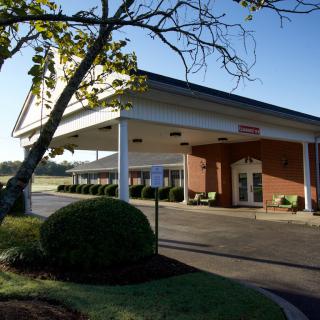
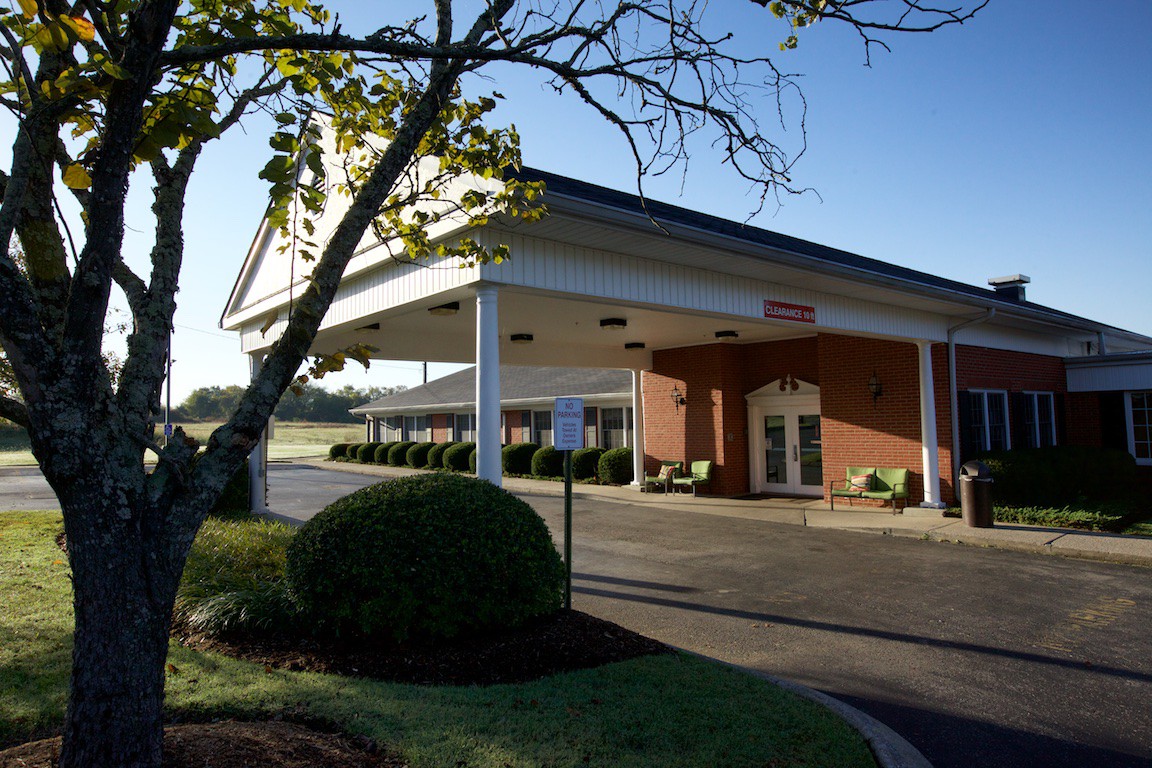
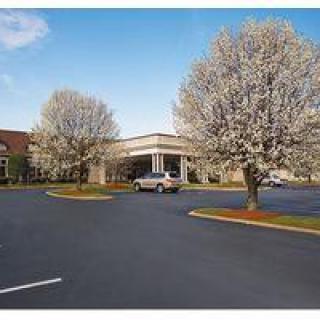
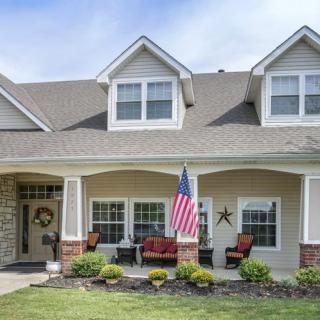
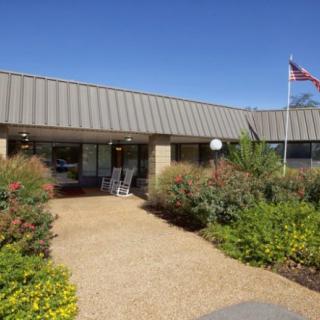
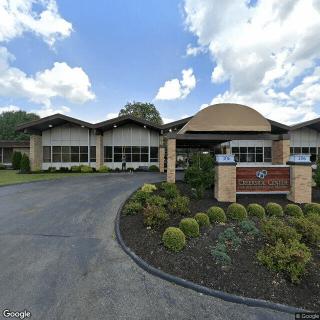
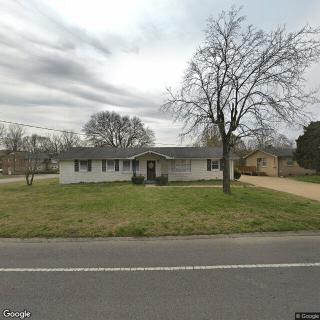
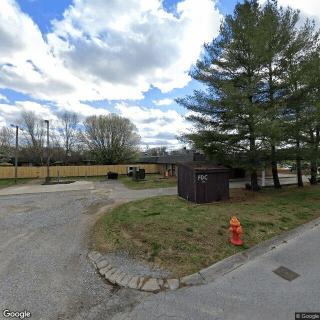
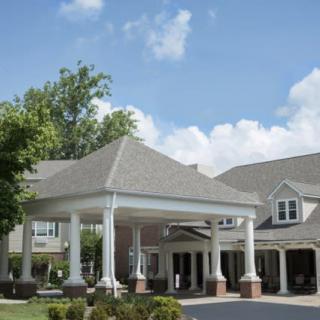
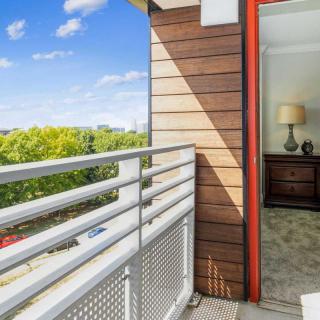
Landscaping, Building, Architecture, Entrance, and Exterior
Get PricingAsk A QuestionSchedule A TourContact Senior Advisor
By clicking submit, you agree to our Partner's Terms of Use. You
also consent to receive calls and texts, which may be autodialed, from our Partner. Your consent is not a condition to
using our Partner's service. Please visit our Partner's Privacy Policy for information about their privacy practices.

 Skilled Nursing Facility
 Private
 Nashville International (12 miles away)
 Extensive amenities and 24/7 care services, including medication management and transportation.

 Comprehensive Guide to Blood Pressure Charts for Older Adults: Understanding Normal and High Readings by Age
 Financing Long-Term Nursing Home Care Through Social Security: A Thorough Exploration
 Essential Knowledge on Pneumonia in Older Adults