

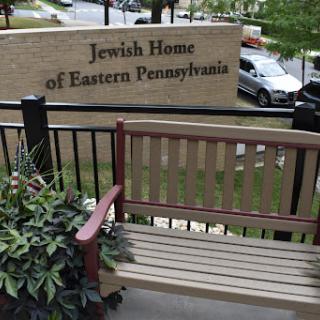
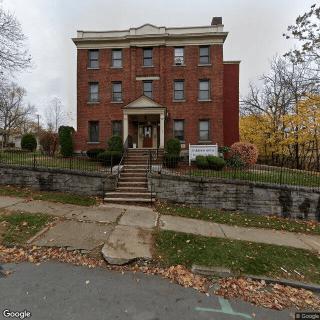
1101 Vine Street, Scranton, PA 18510
For more information about senior living options: (866) 208-4318
Overall Review of Jewish Home Of Eastern Pennsylvania
Pros
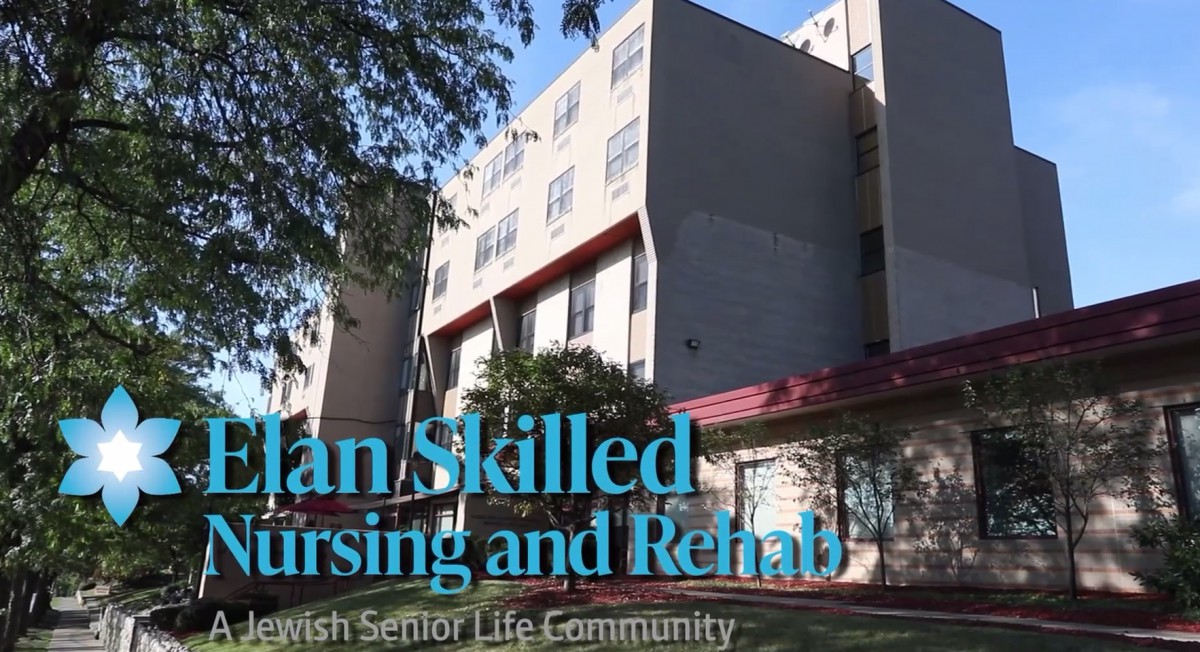
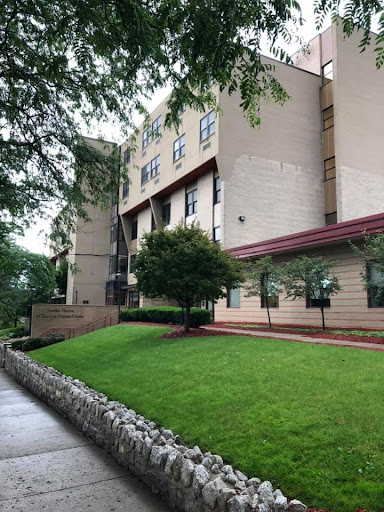
 Elan Skilled Nursing is exceptionally clean and well-maintained, which puts visitors at ease.
- The staff at Elan Skilled Nursing are professional, friendly, and attentive, ensuring residents receive the care they need.
- Elan Skilled Nursing provides great resources to the community and is dedicated to enhancing residents' quality of life.
- Elan Skilled Nursing is highly recommended for quality care in a welcoming environment.
- The second floor is beautiful and houses a rehab and dialysis unit.
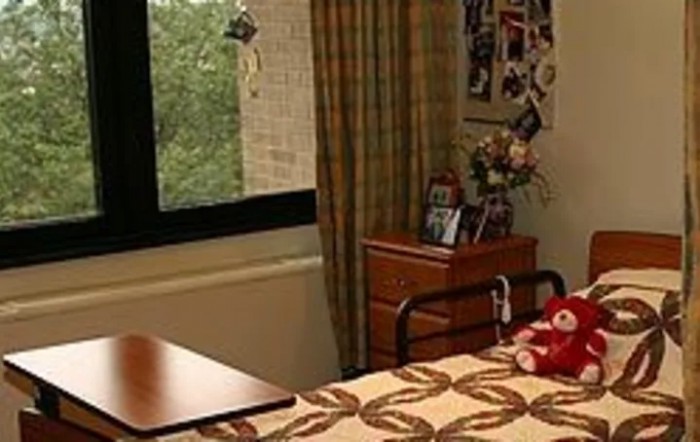
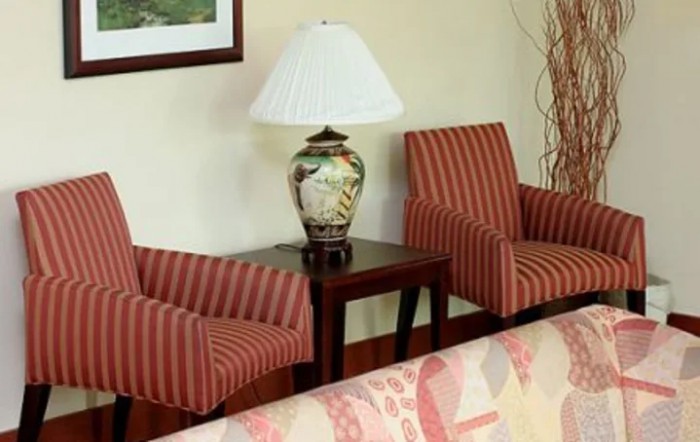
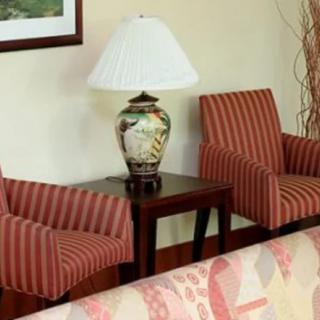
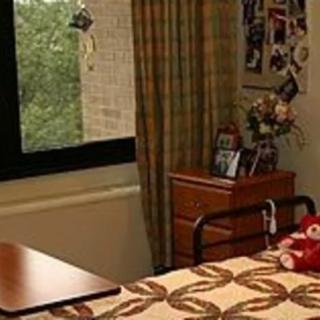
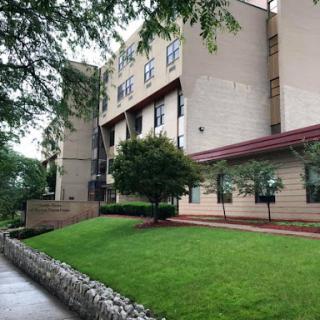
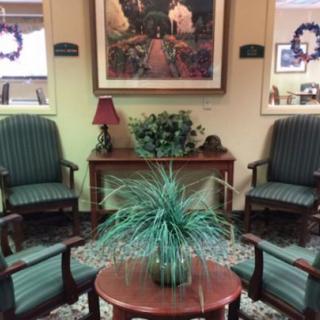
- The Jewish Home of Eastern PA is a beautiful place with no odor, colorful walls, a homey atmosphere, and extremely friendly staff.
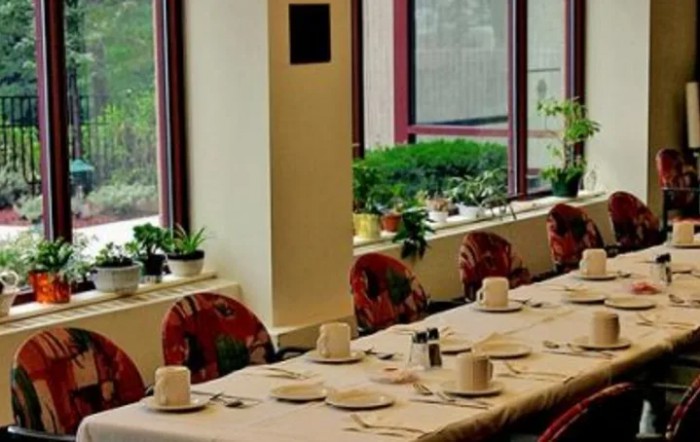
- The facility is well maintained, spacious, and offers delicious meals.
Cons
 The reviewer described the facility as the most disgusting place—a nightmare—with staff who were rude, nasty, and uncaring, and with rooms that were not clean.
- They criticized the restroom call light response time, noting it took about an hour and ten minutes.
- Management was described as an utter disgrace, with inconsistent answers from employees and poor communication.
- They felt it was wasteful to pay over $11,000 per month for care.
- A pair of prescription glasses went missing and it took almost nine months to get a replacement.
- They alleged the staff were unprofessional and money-driven, and that visitation was being restricted or vaccination pressure was being applied.
- They warned that, for someone seeking long-term care, this facility should not be chosen.
Review
This community is best suited for seniors who need rehabilitative or short-term post-acute care in a setting that feels homey and well cared-for, with a clear emphasis on clean, comfortable spaces and attentive, restaurant-quality dining. Families pursuing a memory-care option or a facility with a dedicated dementia unit will find value in the calm, orderly environment and the emphasis on meaningful activity and social engagement. The strongest case rests with those who want reliable rehab services, consistent communication with caregivers, and a facility that presents itself as welcoming and well-maintained. The combination of patient-centered care, a strong focus on cleanliness, and a reputation for attentive medical staff makes this community a solid fit for families prioritizing tangible daily quality of life alongside recovery goals.
Those who may want to consider alternatives are families sensitive to administrative consistency, transparency in billing, and cost. Several reviews raise red flags about management and back-office responsiveness, including frustration with delayed or unclear communications and occasional claims of unprofessional conduct from staff. Costs are cited as a potential concern, with references to high monthly charges and worries about whether the value justifies the price alongside administrative friction. For families seeking a model with rock-solid, uniformly predictable administration and lower, clearly disclosed costs, it makes sense to compare other regional options that emphasize turnkey billing practices and steadier leadership, even if the day-to-day warmth is similar.
The core strengths, cleanliness, warmth, and robust rehab capabilities, often offset the most significant drawbacks. The facility earns high marks for being well maintained, with no unpleasant odors and a welcoming ambiance, and for staff who are described as caring, professional, and genuinely involved in residents’ well-being. The rehab services, especially for short-term recuperation, are repeatedly highlighted as effective, and there is explicit appreciation for dementia care where staff seemed attentive to the quirks and routines of residents. Food quality is repeatedly praised, and meals included in the stay add real value for families looking for comfort along with clinical care. When these positives align with transparent, compassionate communication from the medical team, they can substantially mitigate concerns about administrative hurdles or occasional service delays.
However, the cons cannot be dismissed as minor footnotes. Reports of management lapses, difficulty obtaining consistent answers, and internal inefficiencies can erode confidence, particularly for families footing substantial bills and relying on steady accountability. Instances described as miscommunication or slow back-office responses may translate into real-time stress for caregivers and residents, especially during care transitions or when coordinating with multiple specialists. The geopolitical reality of a higher-cost environment compounds the impact of these issues: the expectation is for a smooth, friction-free experience when lives and budgets are on the line. Prospective families should probe deeply into who is responsible for scheduling, billing, and care coordination, and verify that the leadership team has a track record of responsiveness under pressure.
A practical decision plan follows from these realities. Families should request a direct, itemized explanation of all monthly charges and what is included, and demand a clear path for resolving billing questions quickly. Tour both the dementia unit and the general skilled-nursing floors, observe staff-resident interactions across shifts, and speak with frontline caregivers as well as administrators to gauge consistency. Ask about staff turnover, the therapy schedule, and the availability of specialty services like dialysis, which are noted positives in this community. Finally, require current families’ contact points to understand real-world day-to-day experiences, and press for written commitments on response times for calls, medication issues, and care plan updates.
In sum, Jewish Home of Eastern PA offers a compelling blend of warmth, cleanliness, and rehabilitative strength that makes it a strong candidate for families prioritizing recovery outcomes and a pleasant daily living environment. The call to action is straightforward: use diligence on the administrative front to ensure the promised level of responsiveness matches the reality of billing and operations, and confirm that the care team can sustain high-touch communication over time. If those conditions align, this community delivers a high-caliber, compassionate setting where residents can recover, engage, and feel at home without sacrificing the dignity and attention that families value most. For those who can tolerate potential administrative friction and a higher price point in exchange for proven rehab quality and memory-care expertise, this is a sound choice worth pursuing.
 173 resident community capacity
 Skilled Nursing Facility
 Air-conditioning
 Beauty salon
 Cable or satellite TV
 Computer center
 Dining room
 Fitness room
 Fully furnished
 Gaming room
 Garden
 Housekeeping services
 Kitchenette
 Move-in coordination
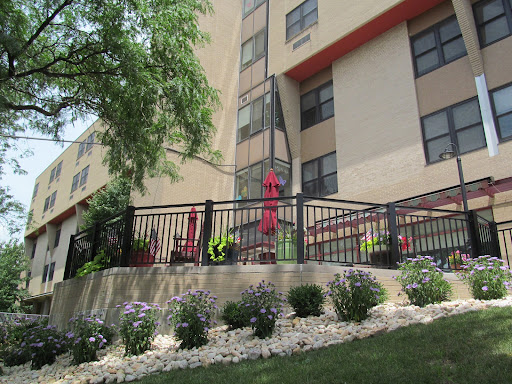
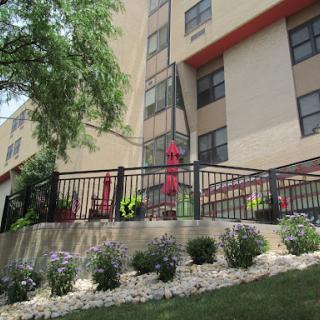
 Outdoor space
 Private bathrooms
 Restaurant-style dining
 Small library
 Telephone
 Wellness center
 Wi-Fi/high-speed internet available
 Wilkes-Barre Scranton International (6 miles away)
 Community operated transportation
 12-16 hour nursing
 24-hour call system
 Activities of daily living assistance
 Assistance with bathing
 Assistance with dressing
 Assistance with transfers
 Diabetes diet
 Medication management
 Mental wellness program
 Special dietary restrictions
 Concierge services
 Planned day trips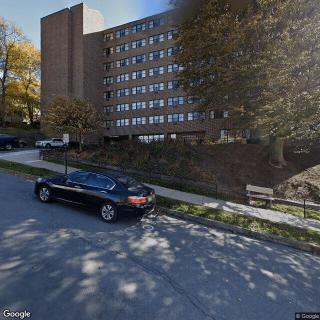



 Understanding Hospice Care at Home: Comprehensive Services, Key Benefits, and Eligibility
 Understanding the Full Cost of 24/7 In-Home Care: A Detailed Overview
 Exploring the World of Home Health Nurses: Qualifications, Roles, and Hiring Tips