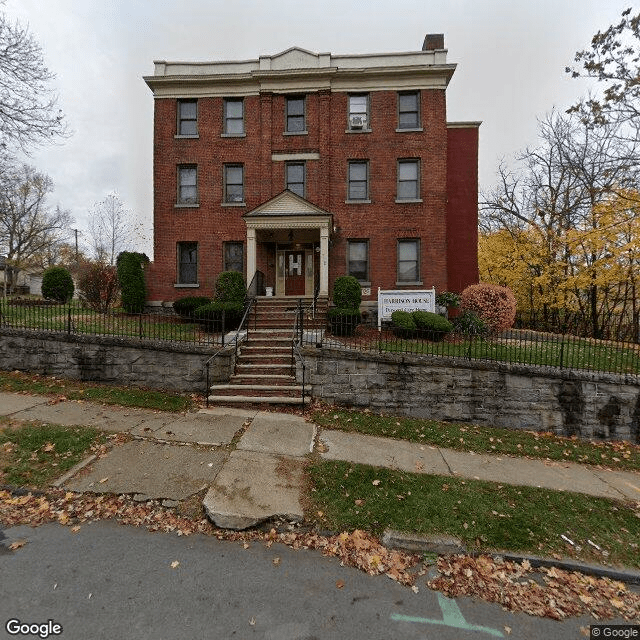
Harrison House

Save
Harrison House

Harrison House

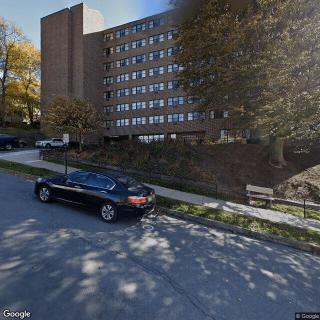
712 Harrison Avenue, Scranton, PA 18510

For more information about senior living options: (844) 490-3973

2 from 3 reviews
5 stars
0
4 stars
1
3 stars
0
2 stars
0
1 stars
2

Assisted Living Respite Care

What level of care are you interested in?

Assisted Living

Memory Care

Independent Living

Skilled Nursing Facility

Continuing Care Retirement Community (CCRC)CCRC

Other


Request a tour at Harrison House

    Overall Review of Harrison House

    Pros

    • pro Harrison House seemed clean and well cared for.
    • pro The tour guide was wonderful and very helpful.
    • pro The reviewer liked Harrison House.
    • pro The facility provides three meals a day and snacks, with drinks available.

    Cons

    • pro The place is very dirty.
    • pro The staff are not well trained.
    • pro The food is despicable.
    • pro The reviewer would not allow a dog to stay there.
    • pro Harrison House was not good.
    • pro The reviewer would not recommend Harrison House to others.
    • pro They need new employees.
    • pro They need better parking.

    Review

    Harrison House presents itself in one set of impressions as a small, clean, and appropriately cared-for option within the broader landscape of care facilities. One reviewer appreciated the overall cleanliness and the sense that the place is well maintained, noting that it fits the expectations of a nursing home that sits alongside a counseling center. The clientele, described as diverse in terms of mental health needs, suggested a group that mirrors the kinds of residents found in similar settings. The small size of the facility stood out, along with the fact that residents have a roommate, which can be a meaningful connection for someone moving into assisted living. The person who conducted the tour left a strong positive impression, described as very helpful and kind, reinforcing a feeling that initial experiences could be smooth and reassuring. In this account, Harrison House is portrayed as a straightforward, no-fruss, basic living environment - more dorm-like than an apartment complex - with simple expectations around personal belongings and space.

    In the same vein, the tour highlighted practical aspects that many families look for in a care setting. The room itself is framed as compact but functional - a bed-based space where residents can bring their own furniture, and where a desk and chair are available. The option to add a television by bringing one from home is highlighted, underscoring the sense that the room is meant to feel like a personal, adaptable space rather than a sterile hospital room. Meals are framed as straightforward and reliable: three meals a day, with snacks available and a drink station that residents can access as needed. The reviewer notes they weren't present at mealtime but observed lunch featuring sandwiches, breakfast with eggs, and a cooked dinner with a couple of choices. Taken together, these details present Harrison House as a place where basic daily routines - sleep, meals, and personal space - are organized predictably and with a degree of comfort.

    Outdoor space adds another layer to the picture, contributing to the overall atmosphere of the place. The facility offers a yard with picnic tables, and part of that outdoor area is designated as a smoking section. This outdoor environment is described as "basically like a backyard you would see next to a house," a characterization that evokes a homey, intimate setting rather than a clinical, impersonal campus. The image is one of quaint, accessible outdoor space that allows residents to spend time outside, socialize, or simply enjoy a change of scenery as part of daily life at Harrison House.

    Yet the reception of Harrison House is not exclusively positive. A separate, strongly negative account punctuates the same facility with criticisms that are hard to ignore. This reviewer uses stark language to describe the place as "very dirty," a verdict that directly challenges the cleanliness narrative offered elsewhere. They charge the staff with being poorly trained, and they condemn the food as despicable. Such a perspective raises serious concerns about day-to-day operations, including hygiene standards, staff competency, and the overall quality of meals. The blunt statement that they would not even consider leaving a dog there underscores the intensity of their dissatisfaction and serves as a blunt warning about potential failures in care and service.

    Another critical voice focuses on a lack of overall quality and a clear need for change. This reviewer explicitly states Harrison House was not good and that they would not recommend it to others. They point to the need for new employees and better parking as concrete, addressable issues that influence the day-to-day experience and accessibility for residents and families. Taken together, these negative assessments emphasize problems that might not be immediately visible in a tour or during a single visit but could become significant over time - especially concerns about staff consistency, reliability, and the practicalities of daily life like parking.

    When weighing these varied impressions, Harrison House emerges as a facility with both potential strengths and notable drawbacks. On the positive side, the environment feels clean, manageable, and intimate - a smaller setting with a roommate arrangement, practical room features that allow personal touches, and reliable routines around meals and daily activity. The presence of a welcoming tour guide adds to the sense that, at least on some attractively positive days, the facility can provide a supportive and approachable experience. The location's value is also highlighted by the opportunity it affords to access Scranton, which is described as highly desirable, possibly due to proximity to services, family, or other community resources.

    On the downside, the facility's cleanliness and staff quality are areas of sharp divergence in reviewer experience. The claim of dirty spaces, poorly trained staff, and subpar food quality signals serious red flags for families evaluating care options. The conflicting reports about parking further complicate the decision, as practical logistics can significantly affect a family's ability to visit and coordinate routines for a loved one. The tension between the homey, dorm-like room setup and the more troubling remarks about daily operations suggests that Harrison House may work well for some and fall short for others, depending on individual expectations, needs, and the specific staff members on duty at any given time.

    For someone considering Harrison House, the takeaway is to acknowledge both the comfort of a small, attainable living space with clear routines and the potential risks related to cleanliness, staff training, and overall quality of life. The facility's association with a counseling center and its proximity to Scranton can be meaningful advantages, especially for residents who may benefit from integrated support services and convenient access to broader resources. However, potential residents and their families should seek the most recent, direct feedback from multiple sources, request a detailed tour with questions about housekeeping standards, staff training programs, dining quality, and parking logistics, and perhaps schedule visits at different times to gauge consistency in care and operation. In the end, Harrison House offers a straightforward, accessible option with both agreeable elements and significant concerns to consider before making a final decision.

    Features

    Housing

    • 54 resident community capacity 54 resident community capacity

    Types of Care

    • Assisted Living Assisted LivingAssisted living facilities provide crucial support and care for seniors who may need help with daily tasks such as medication management, bathing, and meal preparation. These communities offer a safe and comfortable environment where seniors can maintain their independence while receiving the assistance they need to thrive in their golden years.
    • Respite Care Respite CareRespite care provides temporary relief for caregivers, allowing them to recharge and attend to their own needs. It also gives seniors the opportunity to socialize, receive professional care, and experience a change of scenery, promoting overall well-being and reducing feelings of isolation.

    Amenities

    • Activities on-site Activities on-siteActivities on-site are important for seniors because they provide opportunities for socialization, mental stimulation, physical activity, and overall well-being. Engaging in activities can help seniors stay active, maintain their independence, and improve their quality of life.
    • Air-conditioning Air-conditioningAir conditioning is important for seniors as they are more vulnerable to heat-related illnesses and may have underlying health conditions that make it difficult for them to regulate their body temperature. It helps to keep them comfortable, safe, and healthy in hot weather.
    • Beauty salon Beauty salonBeauty salons are important for seniors because they provide a space for them to feel pampered, socialize, and maintain their personal grooming and hygiene. Regular visits to a beauty salon can help boost seniors' self-esteem and overall well-being.
    • Cable or satellite TV Cable or satellite TVCable or satellite TV is important for seniors because it provides entertainment, news, and companionship, helping to combat loneliness and boredom. It also offers a wide range of programming options tailored to different interests and preferences.
    • Computer center Computer centerA computer center is essential for seniors as it provides access to technology, communication tools, and resources that can enhance their daily lives. It allows them to stay connected with loved ones, engage in online activities, and learn new skills, ultimately promoting socialization and mental stimulation.
    • Devotional services off-site Devotional services off-siteDevotional services off-site are important for seniors as they provide spiritual nourishment, social engagement, and a sense of community outside of the senior living facility. This can enhance overall well-being and help combat feelings of isolation and loneliness often experienced by older adults.
    • Dining room Dining roomDining rooms are important for seniors as they provide a space for socialization, connection, and nutritious meals. They offer opportunities for residents to bond over shared meals, foster a sense of community, and promote healthy eating habits. Dining rooms also ensure that seniors have access to well-balanced meals tailored to their dietary needs and preferences.
    • Fitness room Fitness roomHaving a fitness room in a senior living community is essential for seniors to stay active, maintain their physical health, and improve their overall well-being. Regular exercise can help prevent falls, reduce the risk of chronic diseases, and promote mental sharpness. It also provides social opportunities for residents to connect with others and enjoy a sense of community.
    • Fully furnished Fully furnishedFully furnished senior living communities are important for seniors because they provide convenience, comfort, and a hassle-free moving experience. Seniors can easily settle into their new living space without the stress of having to buy and move furniture. This allows them to focus on enjoying their new home and community.
    • Gaming room Gaming roomGaming rooms are important for seniors as they provide a fun and engaging environment for socializing, cognitive stimulation, and physical activity. Games can improve memory, problem-solving skills, and overall mental well-being while fostering friendships and reducing feelings of isolation.
    • Garden GardenGardens are important for seniors as they provide a peaceful and therapeutic environment for relaxation, physical activity, and socialization. Being in nature has been shown to reduce stress, improve mood, and promote overall well-being. Gardens also offer opportunities for seniors to engage in gardening activities, which can improve mobility, flexibility, and cognitive function. Additionally, gardens create a sense of community and connection with others who share a passion for plants and outdoor spaces.
    • Housekeeping services Housekeeping servicesHousekeeping services are important for seniors because they help maintain a clean and safe living environment, promote independence, and reduce the risk of accidents or illnesses. Additionally, having assistance with household chores can alleviate physical strain and allow seniors to focus on other aspects of their well-being.
    • Indoor common areas Indoor common areasIndoor common areas are crucial for seniors as they provide a space for socialization, recreation, and community engagement, promoting overall well-being and reducing feelings of isolation and loneliness.
    • Kitchenette KitchenetteKitchenettes are important for seniors living in senior living communities because they provide the convenience and independence of being able to prepare simple meals and snacks in the comfort of their own living space. This can help promote a sense of autonomy and well-being for seniors, allowing them to maintain some level of control over their dietary choices and daily routines.
    • Move-in coordination Move-in coordinationMove-in coordination is important for seniors because it helps ease the transition into their new living environment. It ensures that all logistics, such as packing, organizing movers, and setting up utilities are taken care of, allowing seniors to focus on settling in and adjusting to their new home. Having a smooth move-in process can alleviate stress and anxiety, making the transition smoother and more enjoyable for seniors.
    • Outdoor space Outdoor spaceOutdoor spaces are important for seniors as they provide opportunities for physical activity, social interaction, exposure to natural light and fresh air, and a sense of connection to nature. Having access to outdoor spaces can improve overall well-being and quality of life for older adults living in senior communities.
    • Private bathrooms Private bathroomsPrivate bathrooms are important for seniors in senior living communities because they provide independence, dignity, and comfort. Having a private bathroom allows seniors to maintain their personal hygiene routines without the need for assistance, promoting a sense of autonomy and privacy. Additionally, private bathrooms help prevent the spread of infections and provide a safe and clean environment for seniors to navigate safely.
    • Restaurant-style dining Restaurant-style diningRestaurant-style dining is important for seniors because it allows them to enjoy delicious, nutritious meals in a social and upscale setting. This enhances their dining experience, promotes healthy eating habits, and fosters socialization with fellow residents, ultimately contributing to their overall well-being and quality of life.
    • Small library Small librarySmall libraries are important for seniors as they provide access to a variety of reading materials, including books, newspapers, and magazines. This can help stimulate their minds, keep them engaged, and provide a sense of community through book clubs and other social activities. Additionally, reading has been shown to improve cognitive function and overall mental well-being in older adults.
    • Telephone TelephoneTelephones are important for seniors as they provide a lifeline for communication with loved ones, emergency services, and healthcare providers. They offer a sense of security and independence, enabling seniors to stay connected and access assistance when needed.
    • Wellness center Wellness centerWellness centers are important for seniors because they offer a variety of programs and services that promote physical, mental, and emotional well-being. These centers provide opportunities for exercise, socialization, education, and relaxation, helping seniors maintain their overall health and quality of life.
    • Wi-Fi/high-speed internet available Wi-Fi/high-speed internet availableWi-Fi/high-speed internet is important for seniors to stay connected with loved ones, access online resources, and participate in virtual activities to combat feelings of loneliness and isolation. It also allows them to easily manage healthcare needs, access entertainment, and engage in lifelong learning opportunities.

    Transportation

    • Wilkes-Barre Scranton International (6 miles away) Wilkes-Barre Scranton International (6 miles away)
    • Community operated transportation Community operated transportationCommunity operated transportation is crucial for seniors as it provides them with the means to access essential services, social activities, and medical appointments. It allows seniors to maintain their independence and quality of life by ensuring they can participate in activities outside of their homes. Additionally, community-operated transportation services offer a safe and reliable way for seniors to travel without having to rely on family or friends for assistance.
    • Transportation arrangement Transportation arrangementTransportation arrangements are crucial for seniors as they may face challenges with driving, mobility, or access to public transportation. Having reliable transportation services ensures that seniors can easily attend appointments, social activities, and maintain their independence and quality of life.
    • Transportation arrangement (non-medical) Transportation arrangement (non-medical)Transportation arrangements are essential for seniors as they provide access to essential services, activities, and social interactions outside the home. This service helps maintain independence, mobility, and overall well-being for seniors who may have limited transportation options.
    • Transportation to doctors appointments Transportation to doctors appointmentsTransportation to doctors appointments is crucial for seniors as it ensures they have access to necessary medical care and support, promoting their health and well-being. It allows them to receive timely treatment, monitor existing conditions, and address any new health concerns efficiently. Additionally, transportation services can help seniors maintain their independence and quality of life by enabling them to stay connected with their healthcare providers.

    Care Services

    • 12-16 hour nursing 12-16 hour nursing12-16 hour nursing care is crucial for seniors in order to ensure around-the-clock monitoring, timely medication administration, and prompt response to any health concerns or emergencies. This level of care helps to promote the overall well-being and safety of seniors living in senior living communities.
    • 24-hour call system 24-hour call system24-hour call systems are important for seniors because they provide peace of mind and immediate assistance in case of emergencies. This technology ensures that help is always available, promoting safety and security for elderly individuals living alone or in assisted living facilities.
    • 24-hour supervision 24-hour supervision24-hour supervision is important for seniors to ensure their safety, well-being, and access to immediate assistance in case of emergencies or health issues. This constant support provides peace of mind for both seniors and their loved ones, allowing them to age in place with dignity and security.
    • Activities of daily living assistance Activities of daily living assistanceActivities of daily living assistance are important for seniors because they provide essential support with tasks such as eating, bathing, dressing, and mobility. This assistance helps seniors maintain their independence, dignity, and overall quality of life as they age.
    • Ambulatory care Ambulatory care"Ambulatory care services provide essential medical support and treatment to seniors without requiring hospitalization, allowing them to maintain their independence and quality of life while managing chronic conditions or receiving routine medical care."
    • Assistance with bathing Assistance with bathingAssistance with bathing is crucial for seniors as it helps maintain personal hygiene, prevents infections, and ensures their overall well-being and comfort. It also provides a sense of dignity and independence for seniors who may struggle with this task on their own.
    • Assistance with dressing Assistance with dressingAssistance with dressing is important for seniors because it helps maintain their independence, promotes personal hygiene, prevents accidents and injuries, and improves overall quality of life. This service ensures that seniors can continue to dress comfortably and confidently, despite any physical limitations they may have.
    • Assistance with transfers Assistance with transfersAssistance with transfers is crucial for seniors as it helps prevent falls and injuries, maintains their independence, and ensures they can safely navigate their living environment. It also provides peace of mind for both seniors and their loved ones.
    • Diabetes diet Diabetes dietA diabetes diet is crucial for seniors as it helps manage blood sugar levels, reduce risks of complications, and improve overall health and well-being. By following a balanced and nutritious diet tailored to their specific needs, seniors can better control their diabetes and enhance their quality of life.
    • Diabetic care Diabetic careDiabetic care is crucial for seniors as they are more susceptible to developing diabetes due to aging and other health conditions. Proper management of diabetes can help prevent complications such as heart disease, vision loss, and nerve damage, improving the overall quality of life for seniors in senior living communities.
    • Meal preparation and service Meal preparation and serviceMeal preparation and service are crucial for seniors as they may have limited mobility or energy to cook nutritious meals. Having access to healthy and convenient food options can ensure they are getting the proper nutrition needed to maintain their overall health and well-being.
    • Medication management Medication managementMedication management is crucial for seniors to ensure they are taking the right medications at the correct dosages and times. This helps prevent adverse drug interactions, reduces the risk of medication errors, and promotes overall health and well-being. Proactive management also allows for adjustments as needed based on changing health conditions or new prescriptions.
    • Mental wellness program Mental wellness programMental wellness programs are essential for seniors as they promote cognitive stimulation, emotional support, and social engagement. These programs help prevent isolation, depression, and cognitive decline, ultimately enhancing the overall quality of life for older adults.
    • Special dietary restrictions Special dietary restrictionsSpecial dietary restrictions are important for seniors because age-related changes in metabolism and health conditions can make it difficult for their bodies to process certain foods. By following a diet tailored to their specific needs, seniors can maintain their overall health and well-being, manage chronic conditions, and reduce the risk of complications such as malnutrition or food interactions with medications.

    Dining

    • Diabetes diet Diabetes dietA diabetes diet is crucial for seniors as it helps manage blood sugar levels, reduce risks of complications, and improve overall health and well-being. By following a balanced and nutritious diet tailored to their specific needs, seniors can better control their diabetes and enhance their quality of life.
    • Meals provided Meals provided"Meals provided" are crucial for seniors in assisted living communities as it ensures they have access to nutritious, balanced meals without the stress of meal planning and preparation. This can help promote overall health and well-being for seniors who may have limited mobility or cognitive abilities.
    • Special dietary restrictions Special dietary restrictionsSpecial dietary restrictions are important for seniors because age-related changes in metabolism and health conditions can make it difficult for their bodies to process certain foods. By following a diet tailored to their specific needs, seniors can maintain their overall health and well-being, manage chronic conditions, and reduce the risk of complications such as malnutrition or food interactions with medications.

    Activities

    • Activities on-site Activities on-siteActivities on-site are important for seniors because they provide opportunities for socialization, mental stimulation, physical activity, and overall well-being. Engaging in activities can help seniors stay active, maintain their independence, and improve their quality of life.
    • Community-sponsored activities Community-sponsored activitiesCommunity-sponsored activities are important for seniors as they provide opportunities for social interaction, mental stimulation, and physical activity. These activities can help improve overall well-being, combat loneliness and isolation, and promote a sense of belonging and purpose among older adults.
    • Concierge services Concierge servicesConcierge services are essential for seniors as they provide assistance with daily tasks and errands, enhance their quality of life by offering convenience and personalized care, and promote a sense of safety and security.
    • Devotional activities offsite Devotional activities offsiteDevotional activities offsite are important for seniors because they provide social engagement, spiritual growth, and a sense of community outside of their living environment. This can improve overall well-being, mental health, and combat feelings of isolation or loneliness.
    • Fitness programs Fitness programsFitness programs are crucial for seniors as they help improve strength, flexibility, balance, and overall well-being. Staying active can reduce the risk of chronic diseases, improve mental health, and enhance quality of life in older adults.
    • Planned day trips Planned day tripsPlanned day trips are important for seniors because they offer opportunities for socialization, mental stimulation, and physical activity. They provide a change of scenery and help seniors stay engaged and connected to their community, promoting overall well-being and quality of life.
    • Resident-run activities Resident-run activitiesResident-run activities are important for seniors as they encourage social interaction, creativity, and a sense of autonomy. These activities empower seniors to stay engaged and active in their community while fostering meaningful connections with their peers.
    • Scheduled daily activities Scheduled daily activitiesScheduled daily activities are important for seniors because they provide structure, socialization, mental stimulation, and physical activity. Engaging in regular activities can improve overall well-being and quality of life for seniors living in a community setting.

    Description

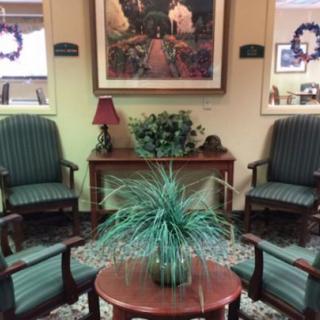
    Harrison House in Scranton, PA is an assisted living community that provides respite care for seniors. The community offers a range of amenities to ensure the comfort and convenience of its residents. Each room is fully furnished and equipped with air-conditioning, cable or satellite TV, and a private bathroom. There are also communal spaces available, including a dining room, gaming room, small library, and fitness room.

    Residents can enjoy delicious meals prepared by the on-site chef in the restaurant-style dining area. Special dietary restrictions and diabetes diets are accommodated. Additionally, housekeeping services are provided to maintain a clean and tidy living environment.

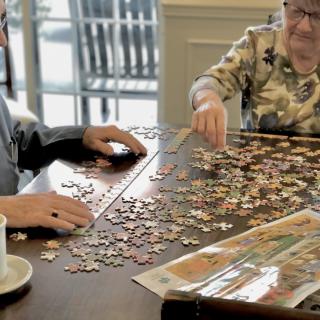
    Harrison House places great emphasis on providing engaging activities for its residents. They offer community-sponsored activities, resident-run activities, and scheduled daily activities to promote socialization and overall well-being. Fitness programs and planned day trips are also available for those who enjoy staying active.

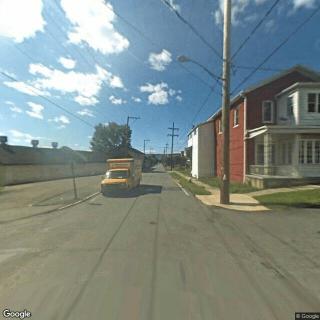
    The assisted living community is conveniently located near various amenities such as cafes, parks, pharmacies, physicians' offices, restaurants, places of worship, theaters, and hospitals. Transportation arrangements can be made for non-medical purposes as well as to doctors' appointments.

    In terms of care services provided at Harrison House, 24-hour supervision is offered along with assistance in activities of daily living such as bathing and dressing. Medication management and special dietary restrictions are also taken care of by the dedicated staff members. A mental wellness program is available to prioritize the mental well-being of residents.

    Overall, Harrison House in Scranton is a comfortable and inclusive senior living community that provides respite care in a supportive environment with numerous amenities and care services available to meet the needs of its residents.

    Nearby Places of Interest

    This area of Scranton, Pennsylvania offers a variety of amenities that may be appealing to seniors looking for a convenient and comfortable living environment. Within close proximity, there are several cafes and restaurants where one can enjoy a meal or socialize with friends. Additionally, the presence of multiple pharmacies and medical facilities, including hospitals and physicians' offices, ensures easy access to healthcare services. For those who appreciate nature and outdoor activities, there are parks nearby such as Steamtown National Historic Site and Sherwood Park. Places of worship are also within reach for individuals seeking spiritual fulfillment. Overall, this area provides a mix of conveniences and recreational opportunities that may cater to the needs and interests of seniors considering relocation to Scranton.

    Cafes

    • Mansour's Grocery & Coffee (0.3 miles)
    • Carmen's At The Radisson Lackawanna Station (0.9 miles)
    • Northern Light Espresso Bar (1 miles)
    • Starbucks (1.2 miles)
    • Zummo's Cafe (1.4 miles)
    • Panera Bread (3.5 miles)
    • Starbucks (3.5 miles)

    Physicians

    • Mulberry Medical Center (0.4 miles)
    • W David Fitzpatrick, MD, FACC (0.7 miles)
    • Cognetti & Conaboy Family Practice (0.7 miles)
    • Great Valley Cardiology (0.7 miles)
    • Joseph Patrick Bannon (0.7 miles)
    • Scranton Neurological Associates PC (0.7 miles)
    • Thomas Dzwonczyk M.D., FACC (0.7 miles)

    Hospitals

    • Geisinger Community Medical Center (0.4 miles)
    • Moses Taylor Hospital (0.5 miles)
    • Regional Hospital of Scranton (0.7 miles)
    • Spirit of Mercy Skilled Nursing & Rehabilitation (0.7 miles)
    • Mercy Hospital Wound Care (0.7 miles)
    • Scranton Hospital Company (0.7 miles)
    • Linwood Nursing Rehab Center (0.8 miles)

    Pharmacies

    • CVS Pharmacy (0.7 miles)
    • Omnicare Pharmacy (1 miles)
    • CVS Pharmacy (1 miles)
    • Rite Aid (1 miles)
    • Rite Aid (1.1 miles)
    • Rite Aid (1.8 miles)
    • The Medicine Shoppe Scranton (1.8 miles)

    Restaurants

    • Manning Farm Dairy (0.8 miles)
    • Cooper's Seafood House (0.9 miles)
    • Osaka Restaurant (0.9 miles)
    • Trax (0.9 miles)
    • Bartari (1 miles)
    • Bar Pazzo (1.1 miles)
    • McDonald's (1.1 miles)

    Parks

    • Steamtown National Historic Site (1.1 miles)
    • Sherwood Park (1.8 miles)
    • McDade Park (3.3 miles)

    Places of Worship

    • Saint Stanislaus Pncc-Church (1.6 miles)
    • St Ann's Monastery Parish (2.4 miles)

    Theaters

    • Cinemark (3.7 miles)

    Frequently Asked Questions

    Where is Harrison House?

    Nearby Communities

    • Webster Towers

      Webster Towers

      Scranton, PA

      4 from 7 reviews
       

      pro Comprehensive amenities and care options (assisted living, diabetic care, on-site activities).

    • Jewish Home Of Eastern Pennsylvania

      Jewish Home Of Eastern Pennsylvania

      Scranton, PA

      4.5 from 17 reviews
       

      pro Beautiful, home-like environment with compassionate staff and strong dementia care.

    • Serenity Care Scranton

      Serenity Care Scranton

      Scranton, PA

      4.5 from 20 reviews
      $2,450 to $3,150 / month

      pro Caring staff and a welcoming, engaged community.

    • Scranton Manor Personal Care Center

      Scranton Manor Personal Care Center

      Scranton, PA

      4.1 from 9 reviews
       

      pro Extensive amenities and 24/7 supervision with restaurant-style dining.

    • Gardens At Scranton

      Gardens At Scranton

      Scranton, PA

      3.4 from 45 reviews
      $5,743 / month

      pro Extensive on-site amenities and 24/7 care support.

    • Dunmore Healthcare Center

      Dunmore Healthcare Center

      Dunmore, PA

      3.6 from 52 reviews
       

      pro Convenient location with abundant nearby amenities.

    • Angel S Family Manor Personal Care Home

      Angel S Family Manor Personal Care Home

      Scranton, PA

      2 from 11 reviews
      $4,200 / month

      pro Private rooms and ample amenities support socialization and comfort.

    • Serenity Care Old Forge

      Serenity Care Old Forge

      Old Forge, PA

      4.5 from 20 reviews
      $2,450 to $3,150 / month

      pro Friendly, attentive staff and quality dining in a warm, home-like setting.

    • Abington Manor

      Abington Manor

      South Abington Township, PA

      4.5 from 102 reviews
       

      pro Convenient access with pleasant grounds.

    Related Resources

    • does medicaid pay for assisted livingHow and When Medicaid May Cover Assisted Living Costs

      Medicaid coverage for assisted living varies by state and is primarily available to low-income individuals, with eligibility dependent on strict income and asset limits. Some states offer HCBS waivers for specific services in assisted living, but families must generally cover room and board costs, and should verify facility acceptance of Medicaid while considering potential waiting lists.

    • assisted living waiver programA Detailed Exploration of Assisted Living Medicaid Waivers Across the United States
      Medicaid waivers for assisted living services provide vital support for seniors and individuals with disabilities in need of long-term care, with varying state-specific eligibility criteria and benefits. These waivers cover personal care and case management but often do not fully cover room and board, leading to waiting lists for many applicants.

    • assisted living for disabled adultsComprehensive Residential Support and Assisted Living Solutions for Individuals with Disabilities

      The article examines the complexities of assisted living for individuals with disabilities, emphasizing the need for tailored care solutions that enhance quality of life and social inclusion, while addressing financial challenges and advocating for community integration. It discusses various housing options, the importance of financial assistance through public benefits, and highlights trends towards integrated and technology-driven solutions in disability-focused housing.


    Get Pricing Ask A Question Schedule A Tour Contact Senior Advisor