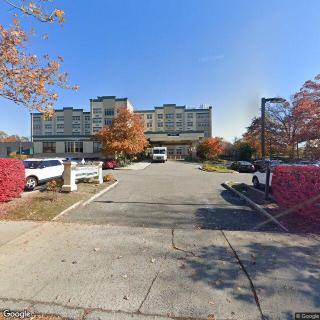
Highfield Gardens Care Center

Save
Highfield Gardens Care Center

Highfield Gardens Care Center

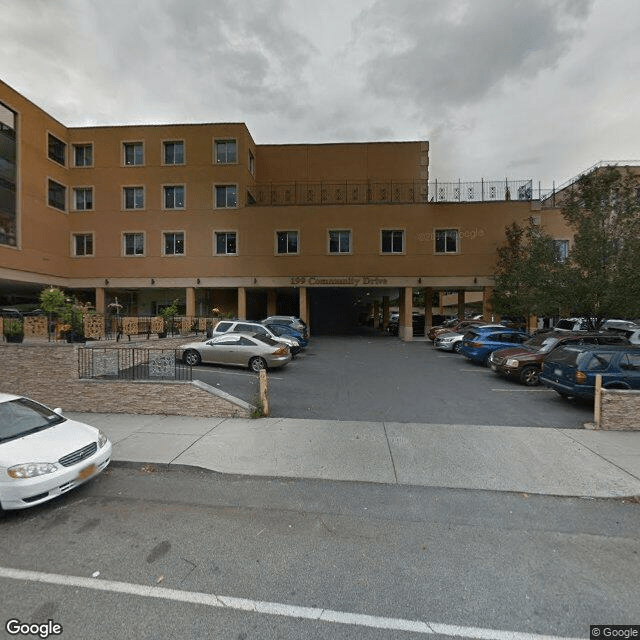
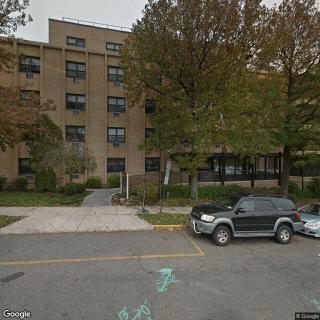
199 Community Dr, Great Neck, NY 11021

For more information about senior living options: (844) 490-3973

4.4 from 100 reviews
5 stars
74
4 stars
12
3 stars
2
2 stars
3
1 stars
9

Skilled Nursing Facility

Overall Review of Highfield Gardens Care Center

Pros

  • pro The staff at Highfield Gardens are friendly and greet visitors with smiles.
  • pro Abagail, the front desk receptionist, is wonderful and personable.
  • pro The therapy teams are praised for their excellence and support in rehabilitation.
  • pro Nurses, aides, and doctors are consistently noted for their caring and compassionate care.
  • pro The facility is described as clean, welcoming, and well maintained.
  • pro Pet therapy and other daily activities are highlighted as enjoyable and uplifting experiences.
  • pro The kitchen and dining staff are appreciated for tasty meals, desserts, and thoughtful service.
  • pro Social workers and administrators are commended for helping families navigate transitions and coordinate care.
  • pro Overall, Highfield Gardens is regarded as a patient-centered, caring environment where residents feel well cared for.

Cons

  • pro One reviewer called the place "God awful terrible."
  • pro Another reviewer stated, "If you hate your loved one send them here."
  • pro A reviewer said the food "looks disgusting" and that allergies aren't followed.
  • pro They served a patient meals that ignored a known allergy.
  • pro The patient was left covered in urine and feces, and staff did not change him unless told.
  • pro Rehabilitation started late and was subpar, with staff claiming the patient was "resisting."
  • pro Bedsores developed and were not addressed until family intervention.
  • pro The room was unbearably hot and the air conditioner did not work properly.
  • pro A roach was found on a urinal and ants were present.

Review

Highfield Gardens presents itself in the stories of residents and families as a place where care and community can feel warm and reassuring, but where experiences vary widely from one person to the next. Several families describe a genuine sense of welcome and support the moment they arrive. They speak of smiling faces at the front desk and among the caregiving teams, and they credit specific staff members for making visits and stays feel personal and kind. In particular, Melisha at the front desk and a welcoming front desk duo are repeatedly mentioned as setting a positive tone, with other guests echoing that the atmosphere can be friendly and personable. For some families, the care staff on 3 North and other units are described as diligent and compassionate, and therapy teams are frequently highlighted as a strong point of the facility.

In the realm of rehab and ongoing care, the reviews split along the same lines. One family describes their father entering Highfield Gardens for rehab after spine surgery and staying longer as a resident, noting that staff do what they are supposed to do and that the team strives to keep him comfortable. They also mention a mix of interactions - some staff appear friendly and supportive, and the overall rehab process is said to be progressing well. Yet even within that same narrative there are concerns about cleanliness and hygiene, including a small roach near a urinal and ants observed in the facility. This juxtaposition - careful attention to medical needs paired with cleanliness challenges - appears repeatedly in several accounts.

Other reviews hone in on the front-desk experience as a consistently positive thread. Abagail is singled out as wonderful and personable, and multiple visitors commend the courtesy and helpfulness of reception staff. These early impressions set a contrasting backdrop to some of the more critical notes that surface later about medical routines, meals, and the environment. A recurring sentiment is that the staff's demeanor - whether at the desk, in therapy, or with nurses and aides - tends to shape the overall perception of the facility, with many reviewers underscoring that the attitude of team members matters as much as the clinical outcomes.

Crucial complaints center on gaps between promises and reality in daily care routines. Several reviews recount that admissions teams promised aggressive rehabilitation schedules - PT sessions twice daily and bed baths twice daily - yet families observed far less frequent activity and care in practice. For instance, in one account, therapy was reduced to once daily instead of the twice-daily plan discussed at admission. Bed baths and routine cleansing were also reported as delayed or less frequent than expected, with baths sometimes not occurring until late in the day. Medication administration is another area of concern in some stories; a family notes that pills - especially heart and kidney-related medications prescribed at twelve-hour intervals - arrived late, and the patient was not always informed about what he was taking. Temperature control also became a stress point: a room described as unbearably hot, with air conditioning not functioning properly and the heat seemingly unmanageable even during warm weather, left some residents and families frustrated. In one instance, a nurse on a shift spoke frankly about the heat and the need to open a window, underscoring the challenge of maintaining a comfortable environment.

Food and dining emerge as one of the most emotionally charged topics in these reviews. Some residents describe the meals as "slop," with melted desserts and consistently poor overall quality. The complaints mention indistinct or unappealing food that fails to meet dietary needs or preferences, sometimes even when allergies or restrictions are known. On the other hand, a few reviews celebrate the kitchen staff and certain meals, noting desserts that are enjoyable, cookies and banana bread, or specific dishes that stood out - like pancakes, fresh pizza, lo mein, and sesame chicken. A few guests note that individual kitchen staff - such as Stephanie - brighten mealtime with friendly service and memorable dishes. The diverging experiences with food emphasize how much a dining program can influence a family's overall sense of well-being in care facilities.

Amidst the critiques, many reviewers share stories of dedicated therapists, nurses, doctors, and support staff who helped residents make real gains or feel seen and cared for. Positive testimonials highlight the rehab teams led by therapists such as Carine and Esther, and the ongoing encouragement from nurses and doctors who attended to medications and daily needs. Names like Donna the social worker, Christine the unit leader, and nurses and aides on 1N and other units recur as sources of reliable, supportive care. The stories also describe engaging activities and nonclinical touches - wildlife clubs, pet therapy with cats and birds, and small comforts like cottage cheese, fruit, and smoothies - that helped some patients feel more normal and connected during their stay. A number of families credit these dedicated staff members with helping their loved ones regain strength and, in at least one case, prepare to return home after rehab.

However, these favorable anecdotes sit side by side with a starkly negative account from a family whose experience fell far short of expectations. They describe multiple failures across care, nutrition, and overall management: a sense that staff refused to assist with transitioning to assisted living, accusations of incompetence among some leaders, and a perception that responses to criticisms were insufficient. The most troubling details included a failure to manage incontinence and hygiene, a lack of timely rehab initiation, untreated or poorly managed bed sores, and a perception that the environment could resemble a psych ward. They allege significant delays in essential services, such as basic changes in daily routines and medical care, and describe a search for help outside the facility after observing serious, ongoing neglect. In their view, the lack of advocacy, coupled with inconsistent or noncompliant handling of care needs, rendered the experience dangerous and unacceptable for a loved one.

Taken together, the collection of reviews presents a facility with two markedly different faces. For many families, Highfield Gardens is described as a place of warmth, attentiveness, and professional rehabilitation - the kind of environment where therapists, nurses, and social workers coordinate to guide a patient back toward independence. They recall a culture of care, frequent check-ins, and staff who go above and beyond to keep residents comfortable and engaged. They point to specific staff members who stood out for their compassion and dedication, and they describe a range of activities and services that helped residents feel valued beyond their medical needs.

Yet concurrently, a number of families voice serious concerns about operational gaps that can dramatically affect a resident's day-to-day quality of life. These include inconsistent adherence to therapy schedules, delays in routine care such as baths and medication administration, and environmental factors like heat and cleanliness issues that undermine comfort and safety. The critiques extend to the dining program and to documentation and communication around care plans and allergies, highlighting the importance of reliable systems and oversight. For some families, these problems culminate in a decision to seek alternatives or to advocate aggressively for their loved ones.

Ultimately, the experiences at Highfield Gardens reflect a broad spectrum of care, where moments of genuine encouragement and professional competence intertwine with reports of neglect and frustration. Anyone considering this facility would benefit from weighing these varied narratives, meeting with the care team to understand daily schedules and dietary accommodations, and asking pointed questions about rehabilitation frequency, hygiene standards, room temperature control, and medication timing. The best care environments tend to be those that consistently align staff actions with stated plans, honor dietary and medical needs, and maintain clean, comfortable spaces - an alignment that several reviewers say is achievable at Highfield Gardens, even as others urge caution based on their own experiences.

Features

Types of Care

  • Skilled Nursing Facility Skilled Nursing FacilitySkilled Nursing Facilities are crucial for seniors as they provide round-the-clock medical care, rehabilitation services, and assistance with daily activities. These facilities ensure that seniors receive the specialized care they need to maintain their health and well-being as they age.

Transportation

  • LaGuardia (9 miles away) LaGuardia (9 miles away)

  • John F Kennedy International (11 miles away) John F Kennedy International (11 miles away)
  • Westchester Cty (20 miles away) Westchester Cty (20 miles away)

Description

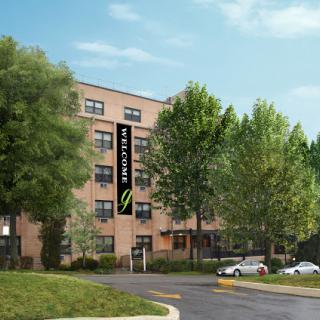
Highfield Gardens Care Center is an assisted living community situated in the vibrant neighborhood of Great Neck, NY. This well-appointed facility offers a comfortable and caring environment for seniors looking for personalized assistance with their daily activities. With a range of amenities and services, residents can enjoy a fulfilling and enriching lifestyle.

Located conveniently near the community are two cafes, providing residents with opportunities to socialize and enjoy a cup of coffee or a light meal. Additionally, three parks in close proximity offer tranquil settings for residents to take leisurely walks, relax amidst nature, or engage in outdoor activities.

Ensuring easy access to healthcare services, Highfield Gardens Care Center boasts nine nearby pharmacies, allowing residents to conveniently fulfill their medication needs. Moreover, there are three physicians located nearby who offer comprehensive medical care and regular check-ups.

Catering to diverse culinary preferences, the community benefits from its location near six restaurants. Residents can indulge in various cuisines while enjoying delightful culinary experiences alongside family and friends.

Transportation options abound with four nearby transportation services available. Residents have the freedom to explore the surrounding area or attend appointments without any hassle or inconvenience.

For those seeking spiritual solace and connection to their faith, there is one place of worship close by where residents can participate in religious services and find comfort within their community.

Furthermore, Highfield Gardens Care Center prioritizes resident safety by being closely situated near four hospitals. This proximity ensures that any medical emergencies or health concerns can be promptly addressed within a short distance.

Overall, Highfield Gardens Care Center provides an exceptional assisted living experience with its convenient location surrounded by cafes, parks, pharmacies, physicians' offices, restaurants, transportation services, places of worship, and hospitals. The community is committed to promoting seniors' well-being while offering them a vibrant lifestyle filled with convenience and ample opportunities for social engagement.

Nearby Places of Interest

Located in Great Neck, New York, this area offers a variety of amenities that cater to seniors looking for a convenient and vibrant community. With several reputable physicians and hospitals nearby, residents have easy access to quality healthcare services. The proximity to public transportation such as the LIRR stations makes it convenient for seniors to travel around the city. Additionally, there are plenty of cafes and restaurants for socializing and dining out, as well as parks for leisurely walks and outdoor activities. The presence of pharmacies ensures quick access to medications and healthcare supplies. Overall, this part of Great Neck provides a well-rounded living environment that is both convenient and enjoyable for seniors seeking a comfortable retirement lifestyle.

Physicians

  • North Shore Gastroenterology Associates PC (1 miles)
  • 2 Pro Health Plaza (1.7 miles)
  • Winthrop Professional Building (4.4 miles)
  • Orlin & Cohen Orthopedic Group (8.7 miles)

Transportation

  • LIRR - Manhasset Station (1 miles)
  • LIRR - Little Neck Station (2 miles)
  • LIRR New Hyde Park Station (3.7 miles)
  • LIRR - Floral Park Station (4 miles)
  • LIRR - Westbury Station (6.5 miles)
  • LIRR - Mets-Willets Point Station (7.6 miles)
  • MTA - Mets-Willets Point Subway Station (7.6 miles)

Cafes

  • Starbucks (1.4 miles)
  • Starbucks (2.1 miles)
  • Starbucks (8.7 miles)
  • Cafe Zeppieri (8.8 miles)
  • Starbucks (8.9 miles)

Parks

  • Allenwood Park (1.4 miles)
  • Alley Pond Park (3.7 miles)
  • Cunningham Park (4.9 miles)
  • Hempstead Lake State Park (7.7 miles)
  • Flushing Meadows Corona Park (7.7 miles)
  • Eisenhower Park (8.3 miles)
  • Coes Neck Park (8.7 miles)

Pharmacies

  • CVS Pharmacy (1.4 miles)
  • CVS Pharmacy (2.3 miles)
  • CVS Pharmacy (2.9 miles)
  • Walgreens (2.9 miles)
  • Rite Aid (3.5 miles)
  • Walgreens (3.6 miles)
  • CVS Pharmacy (3.6 miles)

Hospitals

  • Division of Vascular/Interventional Radiology at Long Island Jewish Medical Center (1.9 miles)
  • St Francis Hospital (2.4 miles)
  • Winthrop University Hospital New Life Center (4.3 miles)
  • Winthrop University Hospital (4.3 miles)
  • Nassau University Medical Center (8.8 miles)

Restaurants

  • Toku Modern Asian (1.9 miles)
  • Hendrick's Tavern (3.1 miles)
  • Burger King (3.2 miles)
  • McDonald's (4.3 miles)
  • Bar Frites (4.6 miles)
  • Taco Bell (4.9 miles)
  • Vincent's Clam Bar (5.4 miles)

Places of Worship

  • Community Church of East Williston (3.9 miles)
  • St Luke's Episcopal Church (8.7 miles)

Theaters

  • AMC Fresh Meadows 7 (5 miles)
  • AMC Roosevelt Field 8 (5.4 miles)
  • Regal Westbury Imax & RPX (7.8 miles)
  • AMC Bay Plaza Cinema 13 (8.6 miles)

Frequently Asked Questions

Where is Highfield Gardens Care Center?

Nearby Communities

Related Resources

  • senior move managementSenior Move Management: Understanding the Role, Value, and Associated Costs

    Senior move management provides specialized support for older adults relocating by assisting with logistics, emotional challenges, and downsizing decisions to ensure a smooth transition to new living environments. These services address the unique needs of seniors and have become increasingly important as baby boomers retire and seek to downsize.

  • weight training for seniorsWeight Training for Seniors: Building Strength and Vitality

    Weight training is vital for seniors to maintain muscle mass, bone density, and overall health, combating age-related declines through customized resistance exercises that enhance balance and well-being. Safe routines should start with realistic goals and proper form, while emphasizing gradual progress and consultations with healthcare providers to ensure safety and effectiveness.

  • what does the sandwich generation meanUnderstanding the Sandwich Generation: Stress and Responsibilities for Multigenerational Caregivers

    The Sandwich Generation comprises adults managing the dual responsibilities of caring for aging parents and raising children, leading to significant emotional, logistical, and financial challenges. This situation is exacerbated by longer life expectancies and cultural expectations, necessitating effective coping strategies and support resources to alleviate caregiver stress and burnout.