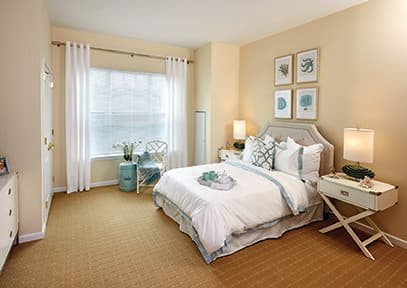
The Bristal at Lake Success offers a range of living options with pricing that reflects its premium services and amenities. For residents opting for a semi-private room, the cost is $9,700 per month, which is considerably higher than the average monthly rates in Queens County and across New York State - $3,901 and $4,389, respectively. Those choosing a studio suite will find the monthly fee set at $10,700, again surpassing local averages of $4,515 in Queens and $4,532 statewide. While these costs are significantly above regional norms, they correspond to the exceptional level of care and lifestyle enhancements provided at this esteemed facility.
Floor plans
The Bristal at Lake Success
Queens County
New York
Semi-Private
$9,700
$3,901
$4,389
Studio
$10,700
$4,515
$4,532
Memory care communities with a similar price nearby
Residents and families repeatedly describe feeling that memory care is safe and carefully supervised.
A common thread in the reviews is peace of mind around day-to-day supervision for residents with dementia or Alzheimer’s. Multiple reviewers mention safety, help with daily needs, and support during times when symptoms worsen. Several families also describe staff handling medical needs like medications and customizing meals when required. The community’s assisted living and memory care positioning aligns with these resident accounts of structured support.
common32 reviews mention this
Staff care and communication
Across reviews, families describe staff as genuinely caring, professional, and responsive.
Many reviewers highlight kindness and compassion, often mentioning respectful treatment and staff members addressing residents by name. Caregivers are also described as professional and communicative, including sharing updates and returning questions or requests. Several reviews specifically note staff support around personal care and nighttime help. Residents also mention the staff helping manage transitions and keeping loved ones engaged and settled.
common15 reviews mention this
Food and restaurant-style dining
Dining is frequently praised, including the quality of meals and support for special diets.
Food comes up often, with reviewers describing meals as delicious and well prepared, and some noting residents look forward to dining. Several families mention that staff accommodate preferences and dietary needs, including customizing what residents can eat. The community’s focus on restaurant-style dining and a range of special-diet options matches what families describe about meal planning and variety.
common16 reviews mention this
Activities keep residents engaged
Reviews consistently describe busy, memory-focused activities that keep residents engaged.
A lot of families talk about daily programming and residents staying active rather than spending most of the day in their rooms. Reviewers mention music, games, outings, and structured activities designed for memory care, along with residents forming friendships. The emphasis on scheduled daily activities and resident-run or community-sponsored options aligns with how residents describe their days. A few reviewers also reference specific activities directors and the impact changes in leadership can have.
caveat4 reviews mention this
High cost with service concerns
Some reviews criticize medication handling and consistency, while overall pricing is described as very expensive.
While many reviews are positive, a small group raises serious concerns about missed or mishandled medications, difficulty reaching wellness staff, and communication gaps with families. Those same reviews also describe problems with advertised transportation or activities not running as expected. Separately, at least one family flags the overall cost as high while still implying value, showing that pricing is a factor residents and families pay attention to.
How we summarize
Counts show how many written reviews mention each theme; a review can touch several themes, and only frequently mentioned themes are displayed.
Features
Housing
110 resident community capacity
Studio apartments
Types of Care
Assisted Living
Memory Care
Amenities
Activities off-site
Activities on-site
Air-conditioning
Beautician on-site
Beauty salon
Cable or satellite TV
Computer center
Dining room
Fitness room
Fully furnished
Gaming room
Garden
Ground floor units
Handicap accessible
Housekeeping services
Indoor common areas
Kitchenette
Move-in coordination
Outdoor common areas
Outdoor space
Private bathrooms
Restaurant-style dining
Small library
Telephone
Wellness center
Wheelchair accessible showers
Wi-Fi/high-speed internet available
Transportation
LaGuardia (9 miles away)
John F Kennedy International (10 miles away)
Westchester Cty (20 miles away)
Newark International (25 miles away)
Community operated transportation
Transportation arrangement
Care Services
24-hour call system
24-hour supervision
Activities of daily living assistance
Ambulatory care
Assistance with bathing
Assistance with dressing
Assistance with transfers
Diabetes diet
Diabetic care
Incontinence care
Meal preparation and service
Medication management
Mental wellness program
Mild cognitive impairment
Special dietary restrictions
Specialized memory care programming
Dining
Diabetes diet
Guest meals
Low / no sodium
Meals provided
No Sugar
Professional chef
Restaurant style dining
Special dietary restrictions
Special dining programs
Activities
Art classes
Catholic services
Community-sponsored activities
Concierge services
Cooking classes
Day trips and outings
Educational speakers / life long learning
Fitness programs
Jewish services
Live dance or theater performances
Live musical performances
Live well programs
Planned day trips
Protestant services
Resident-run activities
Scheduled daily activities
Stretching classes
Tai Chi
Nearby Places of Interest
Located in Lake Success, New York, this neighborhood offers a variety of amenities that may appeal to seniors looking for a convenient and comfortable living environment. With several physicians and hospitals nearby, residents have easy access to healthcare services. There are also pharmacies for convenient medication pick-ups. Transportation options include several LIRR stations within a few miles, making it easy to travel around the area or into the city. For recreation, there are several parks nearby where seniors can enjoy nature and outdoor activities. Additionally, there are restaurants and cafes for dining out as well as theaters for entertainment options. Places of worship provide spiritual support for those who seek it. Overall, this part of Lake Success offers a mix of essential services and leisure opportunities for seniors looking to settle in a well-connected and diverse community.
Physicians
2 Pro Health Plaza (1.1 miles)
North Shore Gastroenterology Associates PC (1.8 miles)
Winthrop Professional Building (3.9 miles)
Orlin & Cohen Orthopedic Group (7.9 miles)
Hospitals
Division of Vascular/Interventional Radiology at Long Island Jewish Medical Center (1.1 miles)
St Francis Hospital (3 miles)
Winthrop University Hospital New Life Center (3.8 miles)
Winthrop University Hospital (3.9 miles)
Nassau University Medical Center (8.5 miles)
Cafes
Starbucks (1.5 miles)
Starbucks (1.8 miles)
Starbucks (8 miles)
Pharmacies
CVS Pharmacy (1.8 miles)
CVS Pharmacy (2 miles)
CVS Pharmacy (2.1 miles)
Walgreens (2.1 miles)
CVS Pharmacy (2.9 miles)
Walgreens (3 miles)
CVS Pharmacy (3.4 miles)
Transportation
LIRR - Manhasset Station (1.8 miles)
LIRR - Little Neck Station (1.9 miles)
LIRR New Hyde Park Station (3 miles)
LIRR - Floral Park Station (3.2 miles)
LIRR - Westbury Station (6.4 miles)
MTA - Sutphin Boulevard Subway Station (7.2 miles)
The Bristal at Lake Success offers a range of living options with pricing that reflects its premium services and amenities. For residents opting for a semi-private room, the cost is $9,700 per month, which is considerably higher than the average monthly rates in Queens County and across New York State - $3,901 and $4,389, respectively. Those choosing a studio suite will find the monthly fee set at $10,700, again surpassing local averages of $4,515 in Queens and $4,532 statewide. While these costs are significantly above regional norms, they correspond to the exceptional level of care and lifestyle enhancements provided at this esteemed facility.
The Bristal at Lake Success is equipped with features that are essential for providing comprehensive memory care for residents experiencing varying stages of dementia or Alzheimer's disease. Around-the-clock supervision ensures that residents receive immediate assistance and safety, fostering a secure environment. Support with activities of daily living, including bathing, dressing, transfers, and incontinence care, promotes dignity and enhances the quality of life for individuals who may struggle with these tasks due to cognitive impairments. Meal preparation and service not only cater to dietary needs but also encourage social interaction during mealtimes. Medication management helps maintain health stability by ensuring timely doses while minimizing potential confusion around prescriptions. Additionally, the mental wellness program and specialized memory care programming are tailored to stimulate cognitive function and emotional well-being, allowing residents to engage meaningfully even in mild cognitive impairment stages. Together, these features create a holistic approach to memory care that addresses both physical and emotional needs effectively.
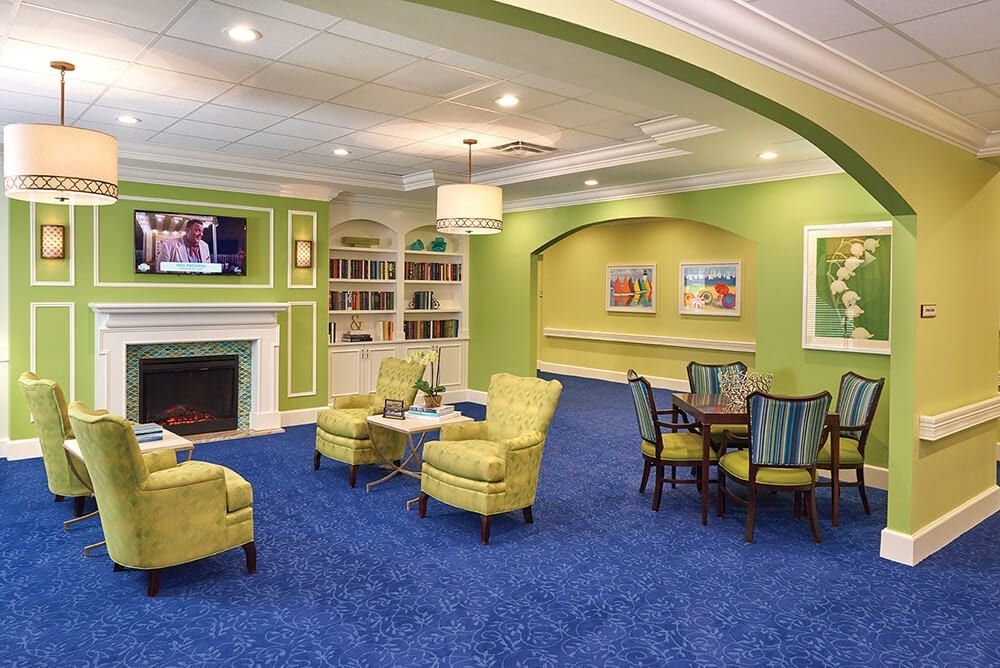
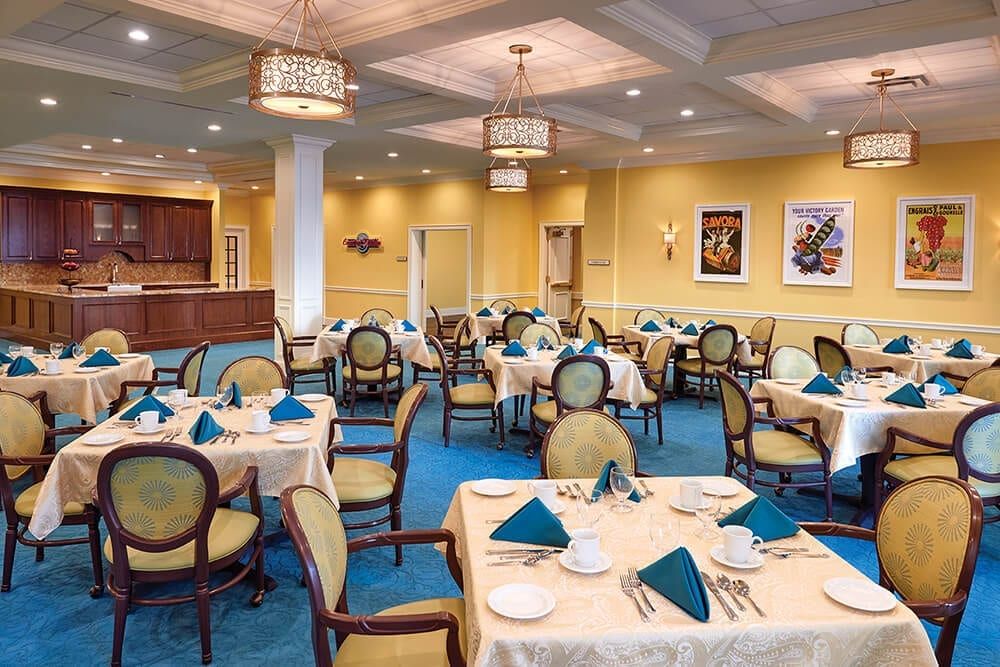
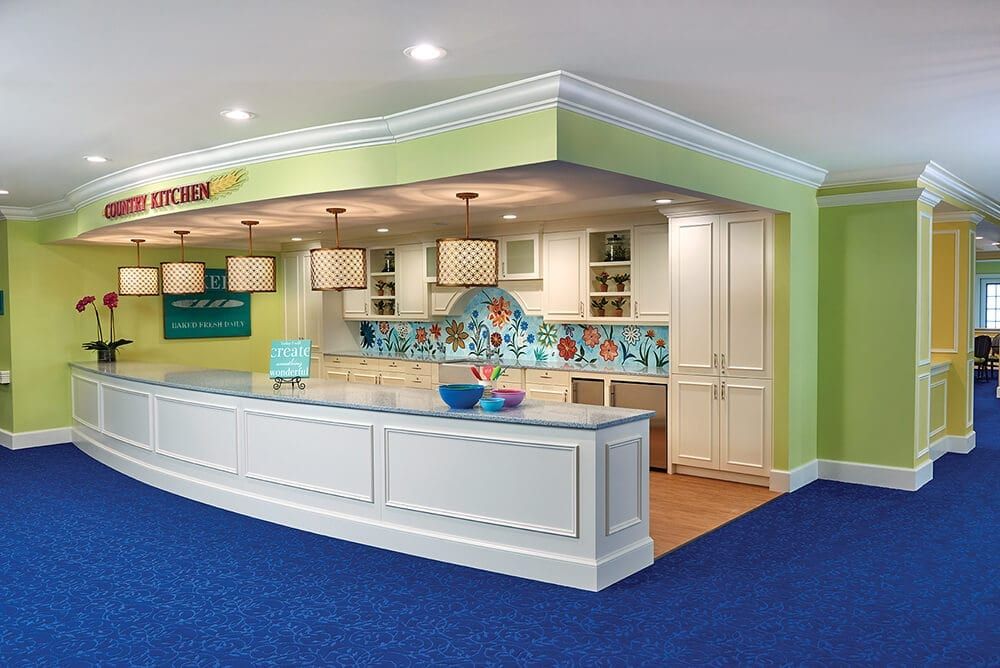
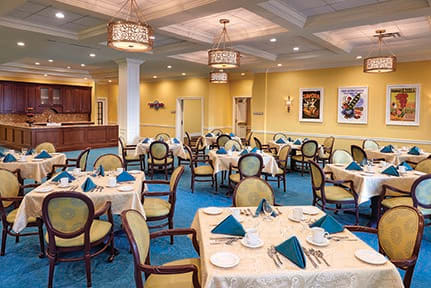
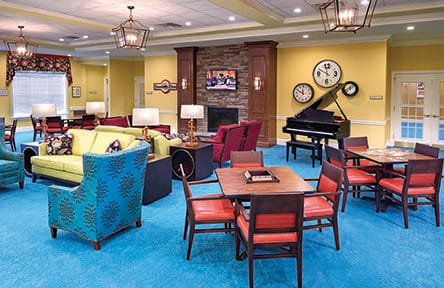
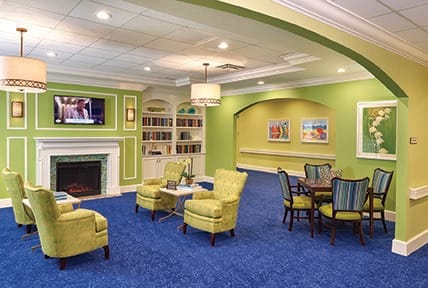
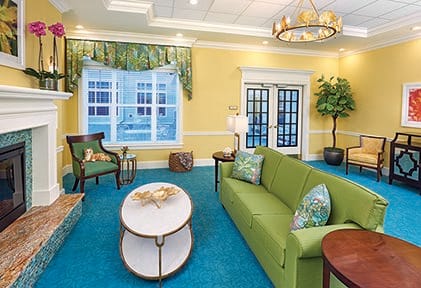
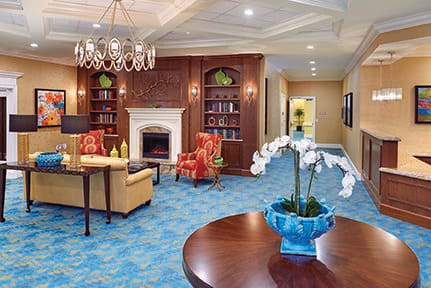
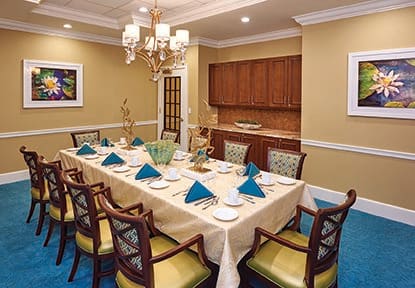
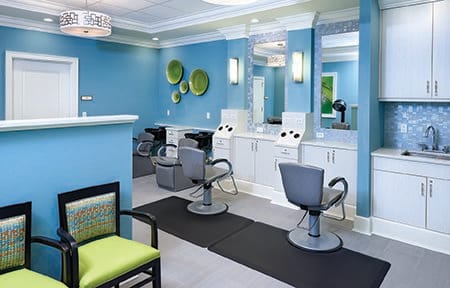
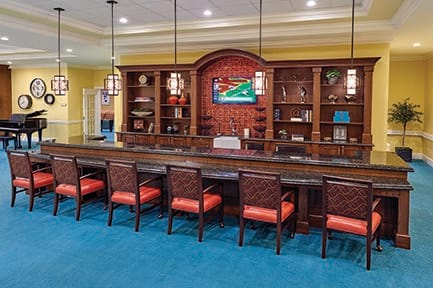
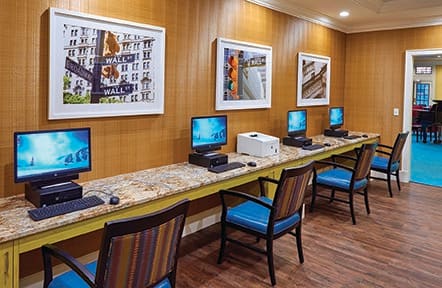
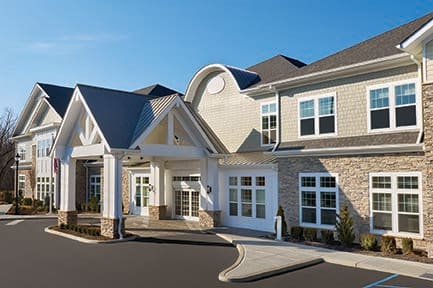
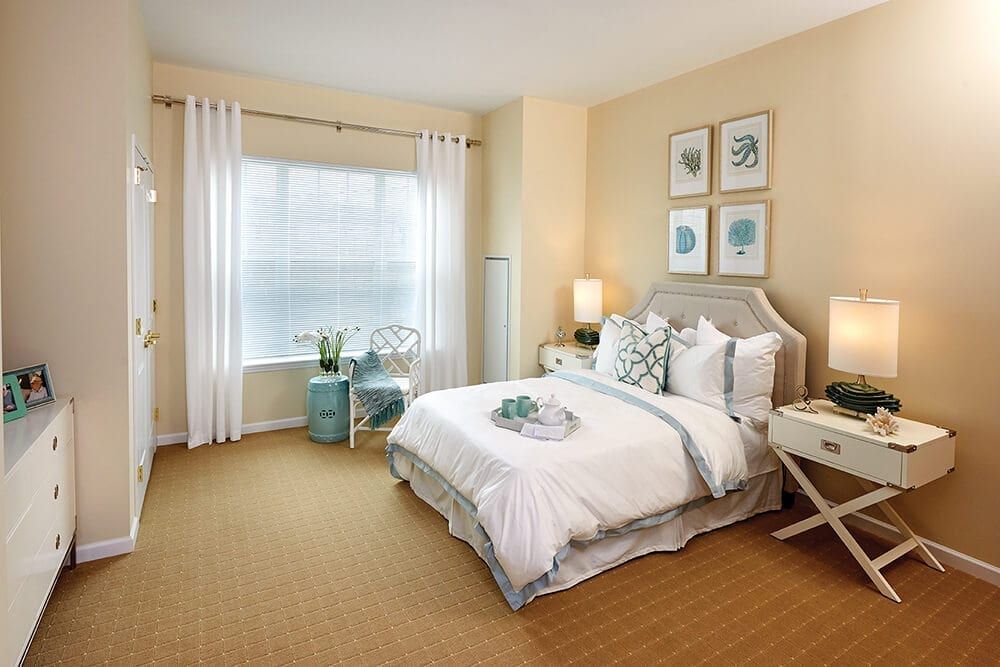
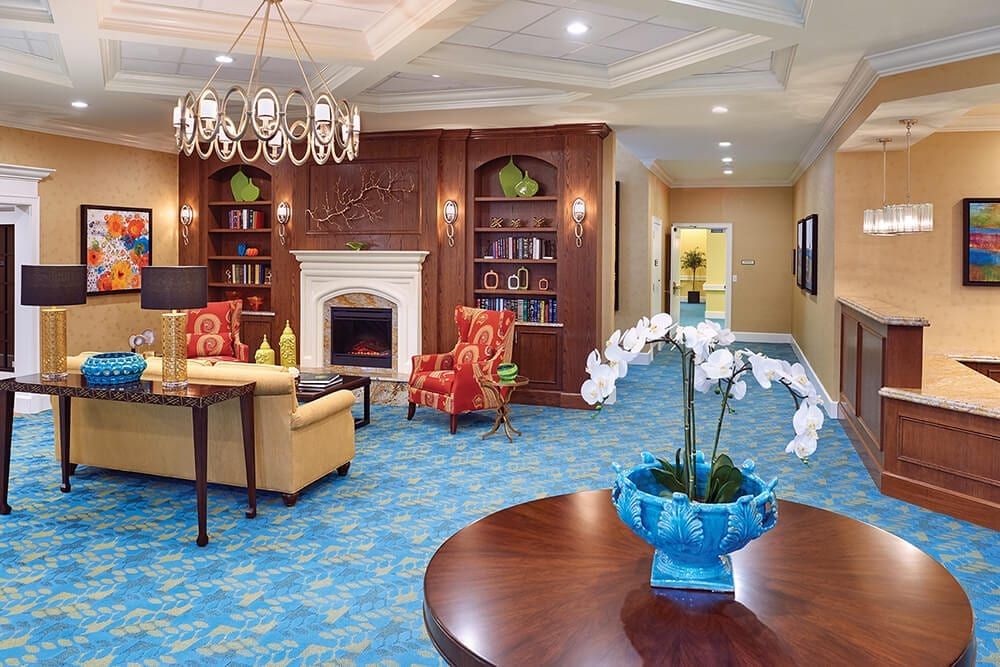
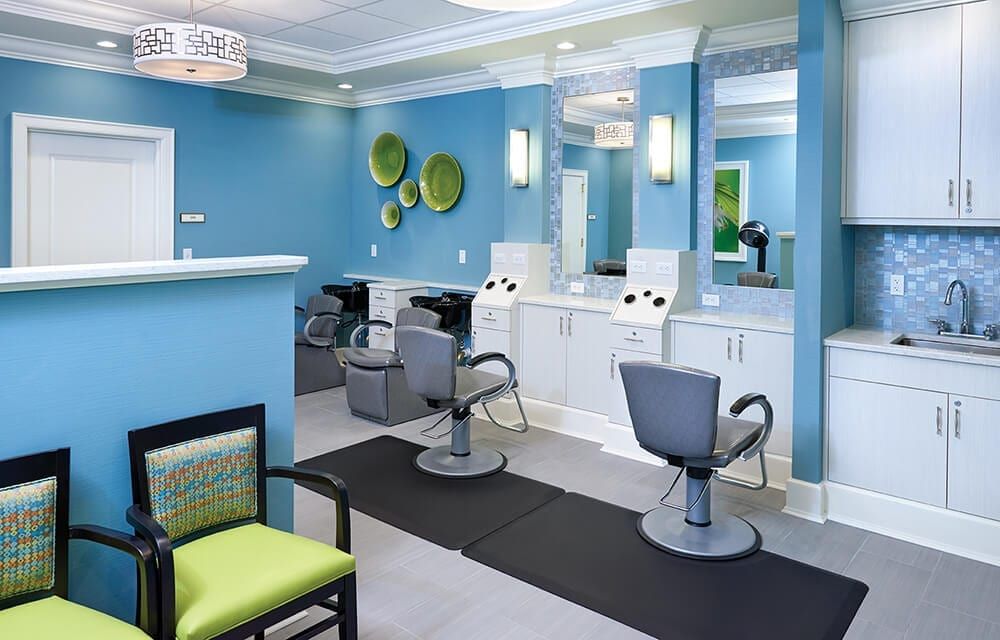
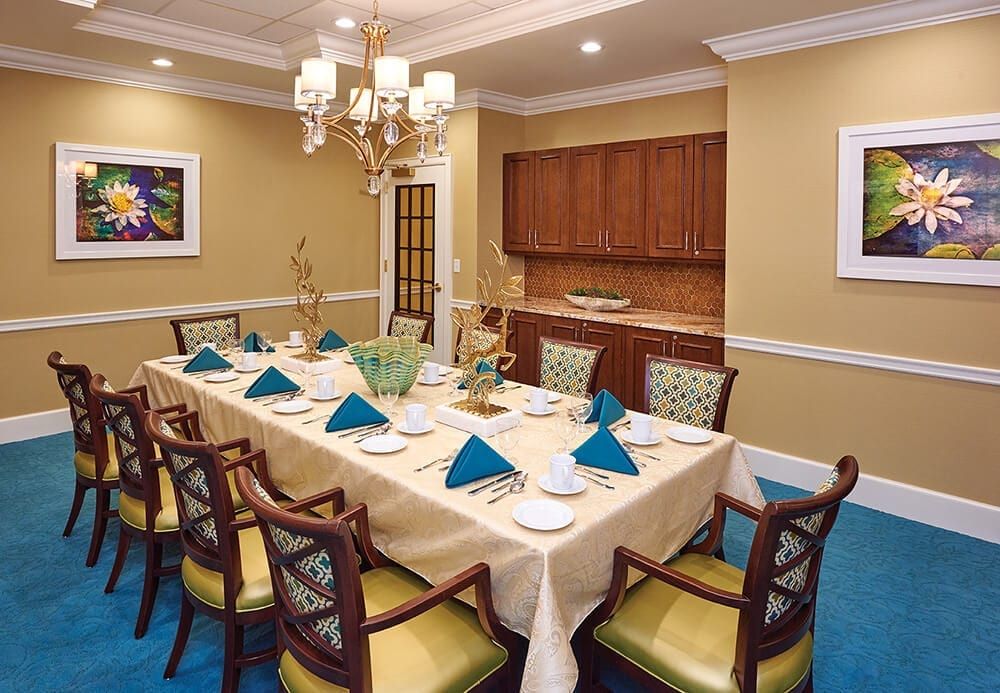
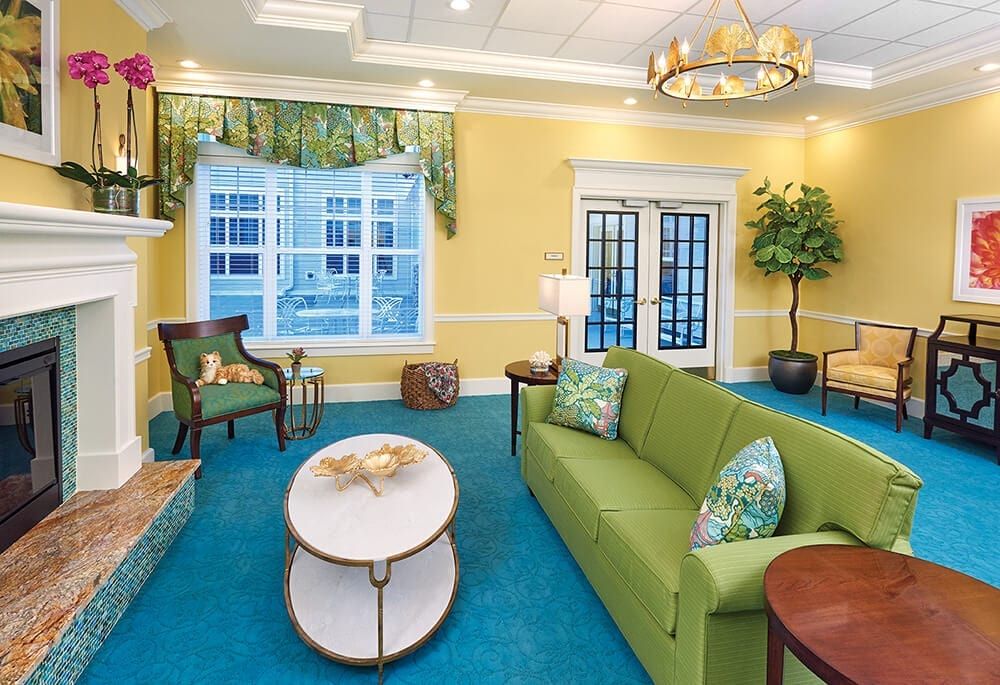
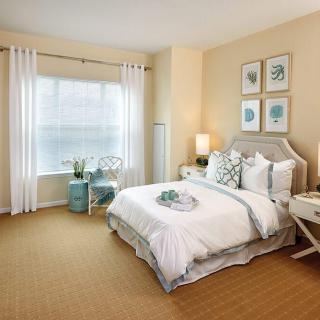
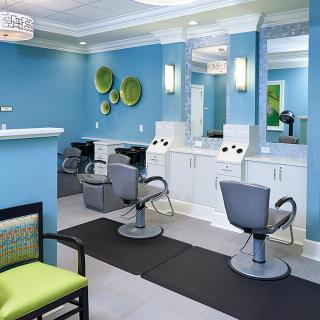
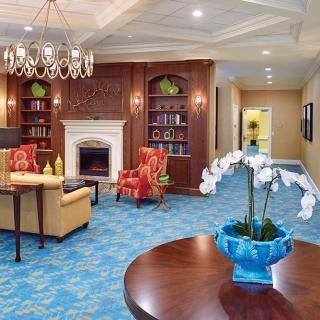
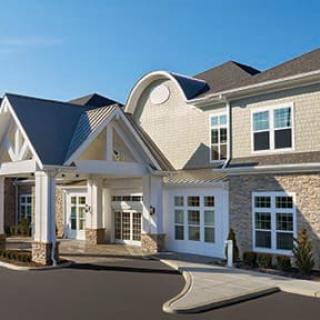
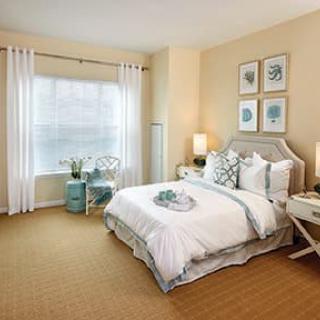
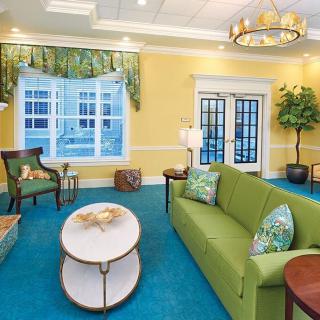
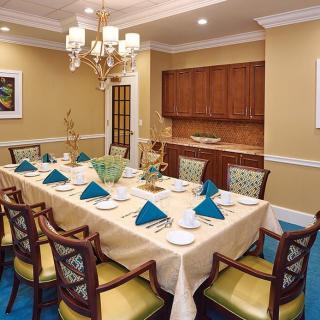
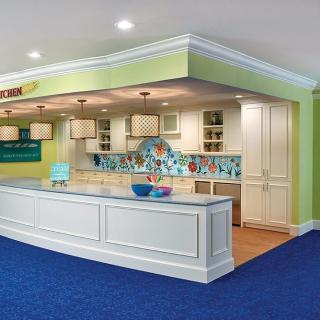
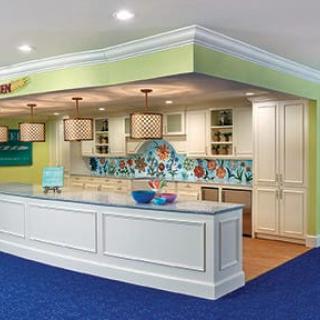
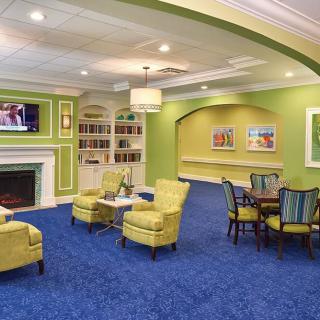
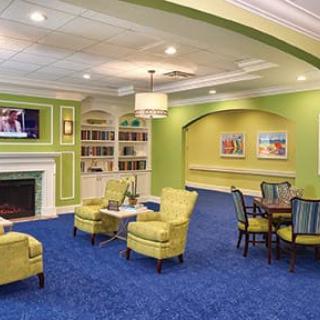
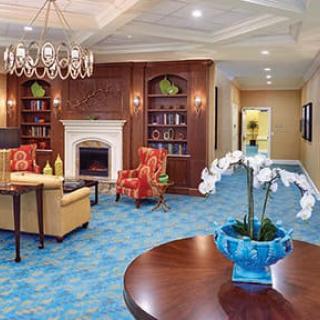
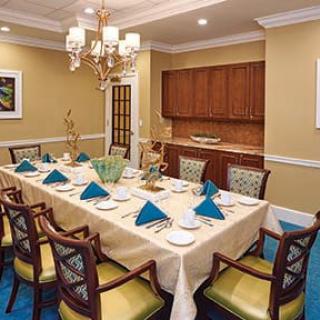
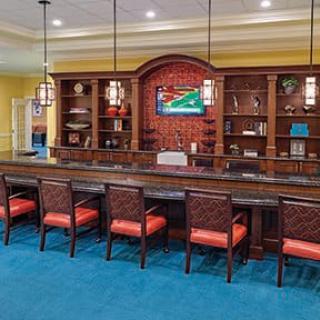
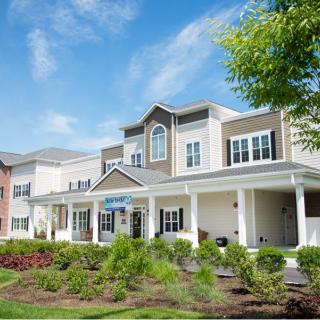
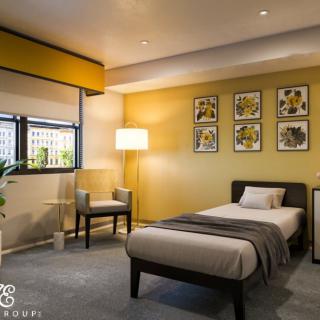
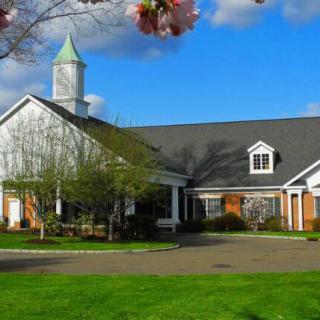
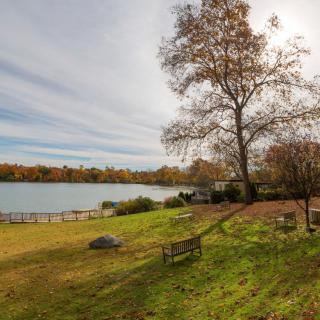
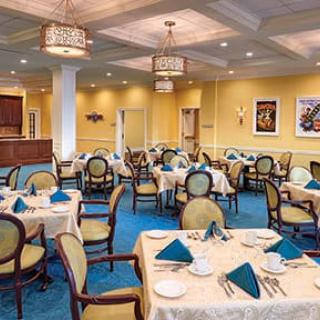
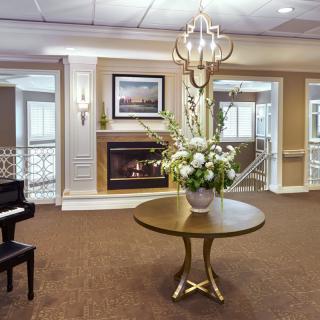
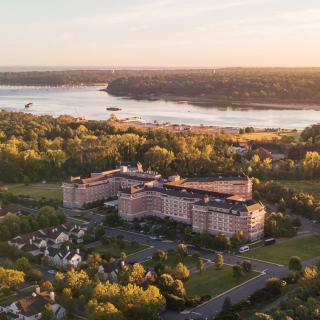
The Bristal at Lake Success on seniors.fyi includes 20 photos including images showing interior, decor, dining, living room, chandelier, bookshelves, bedroom, fireplace, and more.
Nearby Communities
Stern Family Center For Extended Care and Rehabilitation
Manhasset, NY
2.8 from 105 reviews
Comprehensive care with easy access to dining, parks, pharmacies, and transportation.
Northwell Health Stern Family Center For Rehab
Manhasset, NY
2.8 from 100 reviews
Luxurious setting with extensive amenities and 24/7 care.
Highfield Gardens Care Center
Great Neck, NY
4.4 from 120 reviews
Convenient location with abundant nearby services.
Highfield Gardens Care Center Of Great Neck
Great Neck, NY
4.2 from 128 reviews
Compassionate, attentive staff with effective therapy programs and engaging activities.
The Bristal at North Hills
North Hills, NY
4.6 from 99 reviews
$5,200 to $8,800 / month
Caring, attentive staff with a vibrant activity schedule in a clean, upscale setting.
Brandywine Living At The Savoy
Little Neck, NY
4.5 from 120 reviews
$3,600 to $6,600 / month
Compassionate staff with personalized care and engaging activities.
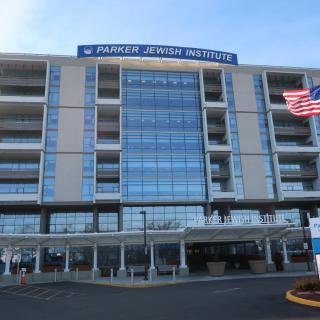
Parker Jewish Institute for Health Care and Rehabilitation
New Hyde Park, NY
3.5 from 131 reviews
Strong nursing/rehab care with attentive staff and regular family updates.
Sunharbor Manor
Roslyn Heights, NY
4.4 from 199 reviews
$11,100 to $11,760 / month
Compassionate staff with effective therapy and a clean, engaging environment.
The Harborside
Port Washington, NY
4.2 from 64 reviews
$3,500 to $8,400 / month
Attractive, spacious apartments with strong dining and engaging activities; attentive staff.
Dementia, influenced by aging and certain medications, may be exacerbated by drug classes such as anticholinergics, benzodiazepines, and antipsychotics, which are associated with cognitive impairment. Regular medication reviews by healthcare professionals are crucial for older adults to manage risks and optimize cognitive health.
Dementia often results in disrupted sleep patterns, leading to excessive daytime sleeping due to factors like brain damage affecting circadian rhythms, medication side effects, and lack of structure in daily activities. Caregivers must monitor these changes closely, as oversleeping can increase risks such as malnutrition or dehydration, and provide necessary support and routines to enhance patient engagement and well-being.
The transition from assisted living to skilled nursing care is often prompted by complex medical needs that assisted living cannot meet, with key indicators including frequent health declines, increased falls, severe memory issues, and caregiver burnout. Families should recognize these signs early to discuss options with healthcare providers and prepare for the emotional and logistical aspects of moving to a facility that offers comprehensive medical support.
Get PricingAsk A QuestionSchedule A TourContact Senior Advisor
By clicking submit, you agree to our Partner's Terms of Use. You
also consent to receive calls and texts, which may be autodialed, from our Partner. Your consent is not a condition to
using our Partner's service. Please visit our Partner's Privacy Policy for information about their privacy practices.

 110 resident community capacity
 Studio apartments
 Assisted Living
 Memory Care
 Activities off-site
 Air-conditioning
 Beautician on-site
 Cable or satellite TV
 Computer center
 Dining room
 Fitness room
 Fully furnished
 Gaming room
 Garden
 Ground floor units
 Handicap accessible
 Housekeeping services
 Indoor common areas
 Kitchenette
 Move-in coordination
 Outdoor common areas
 Private bathrooms
 Restaurant-style dining
 Small library
 Telephone
 Wellness center
 Wheelchair accessible showers
 Wi-Fi/high-speed internet available
 LaGuardia (9 miles away)
 Community operated transportation
 24-hour call system
 Ambulatory care
 Assistance with bathing
 Assistance with dressing
 Assistance with transfers
 Diabetes diet
 Diabetic care
 Incontinence care
 Medication management
 Mental wellness program
 Special dietary restrictions
 Art classes
 Catholic services
 Concierge services
 Cooking classes
 Day trips and outings
 Educational speakers / life long learning
 Jewish services
 Live dance or theater performances
 Live musical performances
 Comprehensive care with easy access to dining, parks, pharmacies, and transportation.

 A Thorough Discussion of Medications Potentially Linked to Dementia Risk
 Why Do Dementia Patients Sleep So Much? Understanding Oversleeping, Stages, and Care Approaches
 8 Key Indicators That Suggest It May Be Time to Transition from Assisted Living to Skilled Nursing Care