For more information about senior living options: (866) 208-4318
3.5 from 131 reviews
5 stars
61
4 stars
19
3 stars
10
2 stars
5
1 stars
36
Overall Review of Parker Jewish Institute for Health Care and Rehabilitation
caveat26 reviews mention this
Staffing and response are inconsistent
Many residents and families report delayed help when care needs arise.
A recurring concern is getting timely assistance for basic needs, with multiple reviewers describing long waits for help and unanswered call bells. Several accounts also mention patients left in soiled conditions for extended periods, and families describing having to push for care or stay to advocate. Some reviewers directly connect the problems they saw to staffing levels, including claims about weekend coverage.
caveat10 reviews mention this
Nursing communication can lag
Reviews frequently mention difficulty reaching staff and getting timely updates.
Several reviewers describe not having phones returned, not getting information promptly, or having to repeatedly call to learn what is happening with care. A few comments contrast with better communication, including references to families being updated and a call-center-style support option. Overall, the feedback suggests communication quality varies by unit and staff coverage.
differentiator14 reviews mention this
Rehab therapy stands out
Physical, occupational, and speech therapy are repeatedly praised for helping recovery.
Many reviewers specifically single out therapy—especially physical and occupational therapy—as a reason they saw progress, and a few say therapy was the main driver of improvement. Speech therapy is also called out as excellent and responsive in at least one review. While other parts of care are described more negatively by some families, therapy is one consistent bright spot across multiple accounts.
common12 reviews mention this
Cleanliness and communal spaces vary
Residents and visitors mention the facility is often clean and well kept.
Positive reviews describe the building as clean, well maintained, and comfortable, including references to communal spaces and an overall welcoming feel. Other reviewers dispute that impression, describing odors or rooms that felt dirty over time. The overall pattern suggests cleanliness is viewed as inconsistent rather than uniformly excellent.
common8 reviews mention this
Meals receive mixed feedback
Dining is a mixed area, with some praising meals and others criticizing food quality.
Some reviewers say meals are good or excellent and that residents eat well, while others describe the food as horrible or lousy. A few also mention menu limitations or diet-related consistency, including having the same item served daily. Because feedback swings between satisfaction and frustration, dining appears to depend on individual preferences and unit experience.
common4 reviews mention this
Activities and Jewish services matter
On-site activities and Jewish programming come up in multiple reviews.
Reviewers mention on-site activities and events, including examples tied to Jewish services and celebratory gatherings. Several comments describe activities as helping keep residents engaged, alongside references to devotional and other religious programming. These mentions suggest the community is working to provide structured engagement beyond medical care.
How we summarize
Counts show how many written reviews mention each theme; a review can touch several themes, and only frequently mentioned themes are displayed.
Features
Types of Care
Skilled Nursing Facility
Amenities
Activities off-site
Activities on-site
Air-conditioning
Beautician on-site
Devotional services on-site
Indoor common areas
Outdoor common areas
Respite or short term stays offered
Wi-Fi/high-speed internet available
Transportation
John F Kennedy International (9 miles away)
LaGuardia (9 miles away)
Westchester Cty (22 miles away)
Newark International (25 miles away)
Care Services
High acuity care
Dining
Meals provided
Activities
Activities off-site
Activities on-site
Devotional activities on-site
Jewish services
Other religious services
Nearby Places of Interest
Located in New Hyde Park, New York, this area offers a range of amenities that cater to the needs of seniors. With several hospitals and medical facilities nearby, including the Division of Vascular/Interventional Radiology at Long Island Jewish Medical Center and Winthrop University Hospital, residents have access to quality healthcare services. There are also pharmacies such as Walgreens and CVS Pharmacy in close proximity for convenient medication management. For recreation, parks like Alley Pond Park and Cunningham Park provide opportunities for outdoor activities and relaxation. Public transportation options like the LIRR stations make it easy to travel around the area. Additionally, there are various dining options ranging from fast food chains like Burger King to upscale restaurants like Hendrick's Tavern. Places of worship and theaters are also easily accessible for spiritual fulfillment and entertainment purposes. Overall, this part of New Hyde Park offers a diverse range of amenities suitable for seniors looking for a comfortable and convenient living environment.
Hospitals
Division of Vascular/Interventional Radiology at Long Island Jewish Medical Center (0.1 miles)
Winthrop University Hospital New Life Center (3.4 miles)
Winthrop University Hospital (3.4 miles)
St Francis Hospital (3.9 miles)
Kaur Rupinder P Do South Nassau Family Medicine Oceanside (8.2 miles)
Nassau University Medical Center (8.2 miles)
Physicians
2 Pro Health Plaza (0.8 miles)
North Shore Gastroenterology Associates PC (2.8 miles)
Winthrop Professional Building (3.5 miles)
Orlin & Cohen Orthopedic Group (6.8 miles)
South Nassau Communities Hospital (8.1 miles)
Cafes
Starbucks (1 miles)
Starbucks (2.6 miles)
Starbucks (6.9 miles)
Pharmacies
Walgreens (1.1 miles)
CVS Pharmacy (1.1 miles)
CVS Pharmacy (1.8 miles)
CVS Pharmacy (2.1 miles)
Walgreens (2.4 miles)
CVS Pharmacy (2.6 miles)
CVS Pharmacy (3.3 miles)
Transportation
LIRR New Hyde Park Station (2 miles)
LIRR - Floral Park Station (2.1 miles)
LIRR - Little Neck Station (2.3 miles)
LIRR - Manhasset Station (2.9 miles)
LIRR - Westbury Station (6.3 miles)
MTA - Sutphin Boulevard Subway Station (6.5 miles)
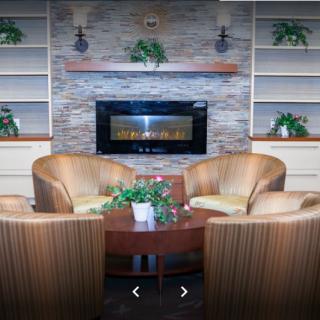
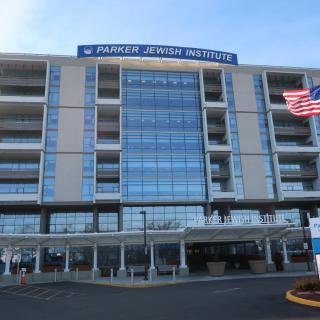
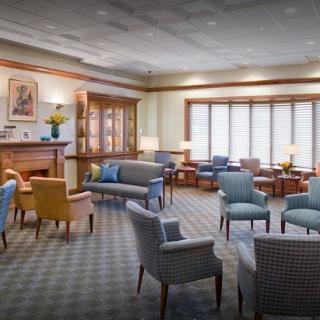
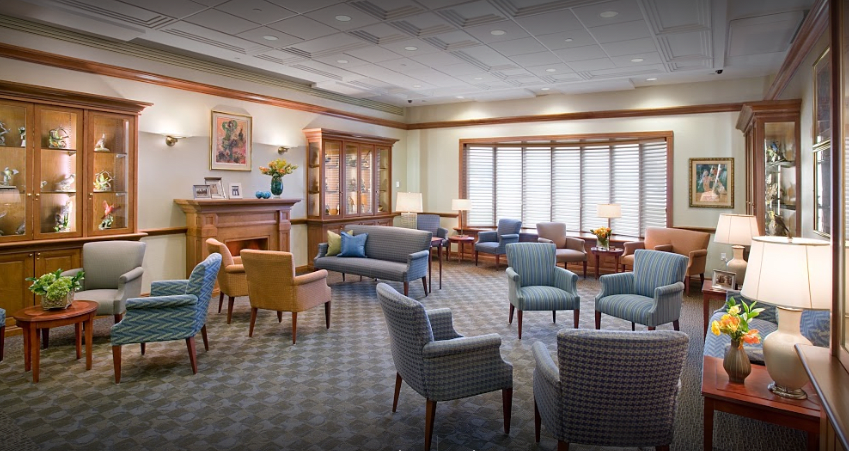
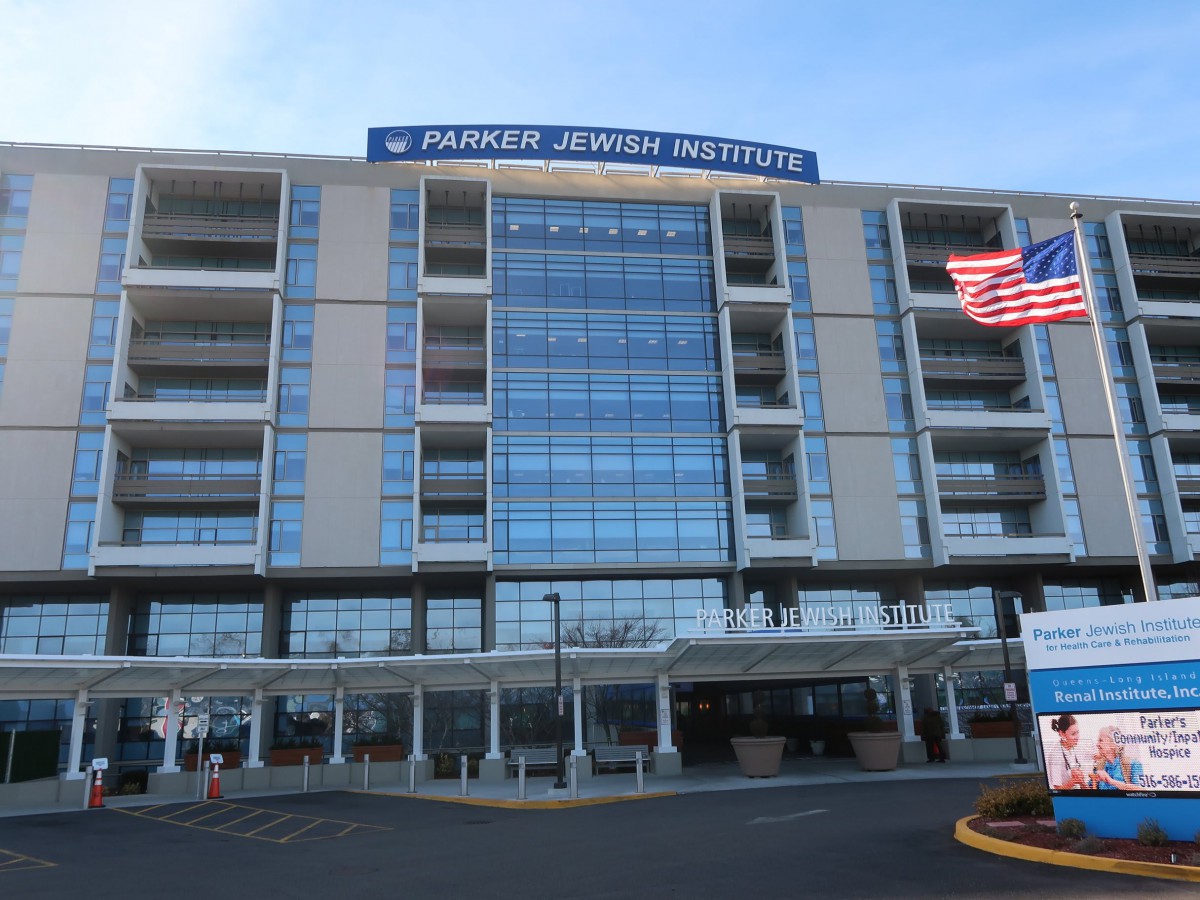
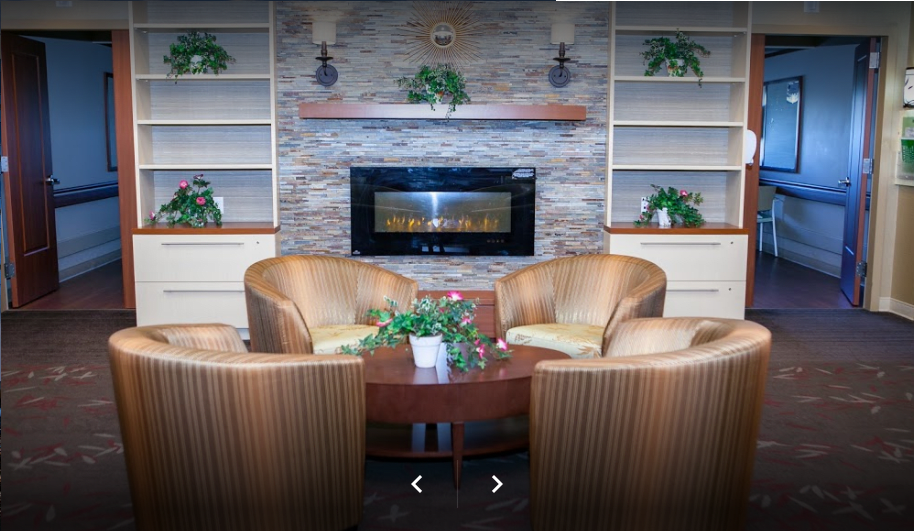
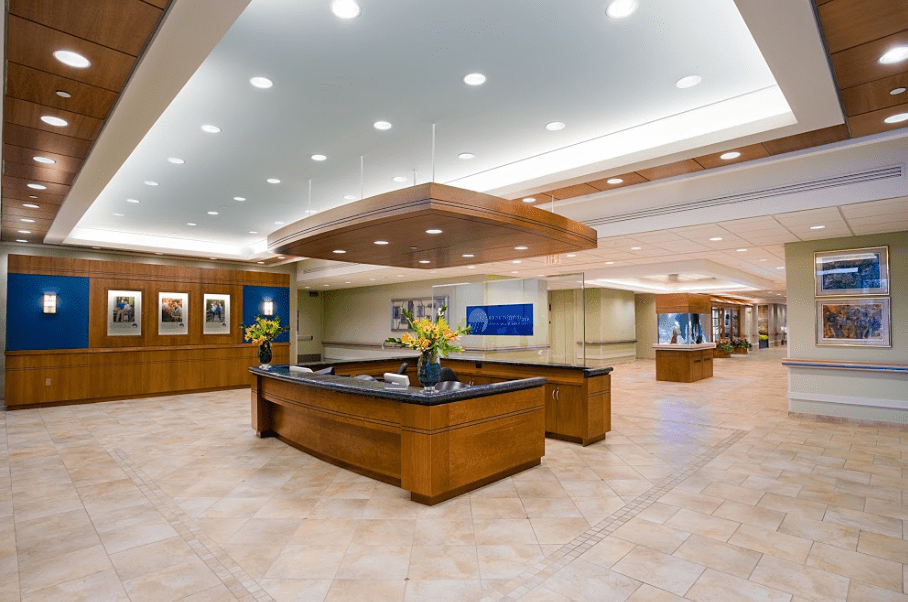
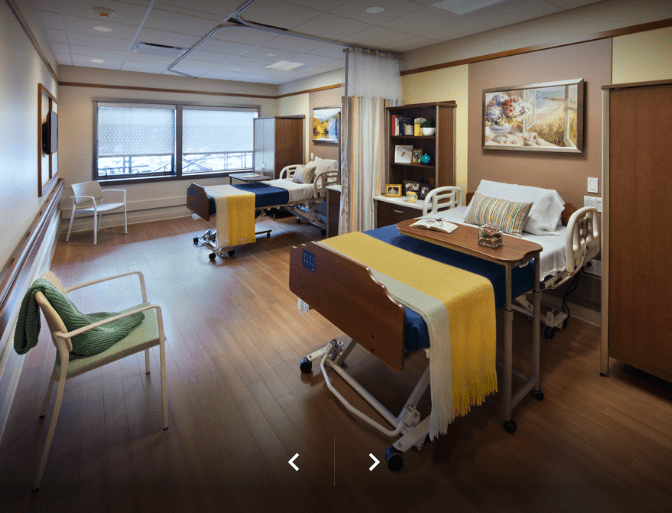
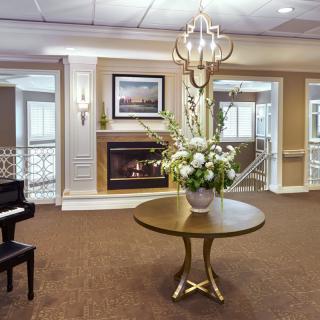
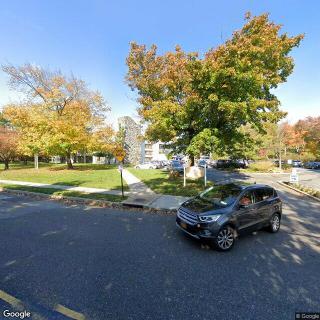
Parker Jewish Institute for Health Care and Rehabilitation on seniors.fyi includes 6 photos including images showing interior, seating area, living room, fireplace, modern architecture, flag, bookshelves, decor, and more.
Nearby Communities
Parker Jewish Institute For Health Care & Rehab
New Hyde Park, NY
3.1 from 118 reviews
Comprehensive amenities and personalized care (on-site nursing, dining, wellness, and transportation services).
New Glen Oaks Nursing Home
Glen Oaks, NY
4.5 from 75 reviews
Compassionate, attentive staff who know residents by name and provide personalized care.
The Bristal at Lake Success
Lake Success, NY
4.6 from 75 reviews
$9,700 to $10,700 / month
Clean, spacious environment with compassionate staff and engaging activities.
Brandywine Living At The Savoy
Little Neck, NY
4.5 from 120 reviews
$3,600 to $6,600 / month
Compassionate staff with personalized care and engaging activities.
Little Neck Care Center
Little Neck, NY
3.8 from 142 reviews
Caring, attentive staff and a clean, well-maintained environment with good communication.
Stern Family Center For Extended Care and Rehabilitation
Manhasset, NY
2.8 from 105 reviews
Comprehensive care with easy access to dining, parks, pharmacies, and transportation.
The Bristal at North Hills
North Hills, NY
4.6 from 99 reviews
$5,200 to $8,800 / month
Caring, attentive staff with a vibrant activity schedule in a clean, upscale setting.
Sunharbor Manor
Roslyn Heights, NY
4.4 from 199 reviews
$11,100 to $11,760 / month
Compassionate staff with effective therapy and a clean, engaging environment.
Dutchgate
Valley Stream, NY
4.4 from 75 reviews
Comprehensive amenities and care with dietary accommodations and easy access to healthcare and transportation.
Linda's caregiving journey for her elderly mother, Joan, is marked by deep love and challenges as she navigates health changes, emotional support, and practical arrangements while learning to prioritize self-care and utilize community resources. Their evolving relationship highlights resilience and the universal themes of empathy and preparedness in caregiver experiences.
The article clarifies common misconceptions about Powers of Attorney (POA), highlighting the necessity of the principal's consent, the limitations on an agent's authority, and the importance of mental capacity when signing. It also distinguishes between various types of POAs, addresses concerns about potential abuse, and emphasizes the need for legal consultation to ensure valid and up-to-date documents.
Senior move management provides specialized support for older adults relocating by assisting with logistics, emotional challenges, and downsizing decisions to ensure a smooth transition to new living environments. These services address the unique needs of seniors and have become increasingly important as baby boomers retire and seek to downsize.
Parker Jewish Institute for Health Care and Rehabilitation photos
×
Interior
Decor
Building
Seating Area
Lobby
Interior
Decor
Living Room and Fireplace
Building, Exterior, Flag, and Modern Architecture
Seating Area
Lobby, Waiting Area, Reception Area, and Office Space
Bookshelves
Lounge
Get PricingAsk A QuestionSchedule A TourContact Senior Advisor
By clicking submit, you agree to our Partner's Terms of Use. You
also consent to receive calls and texts, which may be autodialed, from our Partner. Your consent is not a condition to
using our Partner's service. Please visit our Partner's Privacy Policy for information about their privacy practices.


 Skilled Nursing Facility
 Activities off-site
 Air-conditioning
 Beautician on-site
 Devotional services on-site
 Indoor common areas
 Outdoor common areas
 Respite or short term stays offered
 Wi-Fi/high-speed internet available
 John F Kennedy International (9 miles away)
 High acuity care
 Meals provided
 Jewish services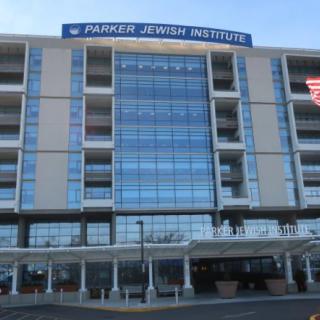
 Comprehensive amenities and personalized care (on-site nursing, dining, wellness, and transportation services).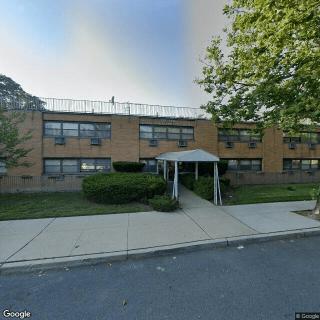


 Nurturing Our Elders: Linda's Journey of Supporting Her Mother
 A Comprehensive Exploration of Common Misunderstandings about Powers of Attorney
 Senior Move Management: Understanding the Role, Value, and Associated Costs