Parker Jewish Institute For Health Care & Rehab

Save

  • Interior

    A modern office lobby with a central reception desk and stylish lighting.
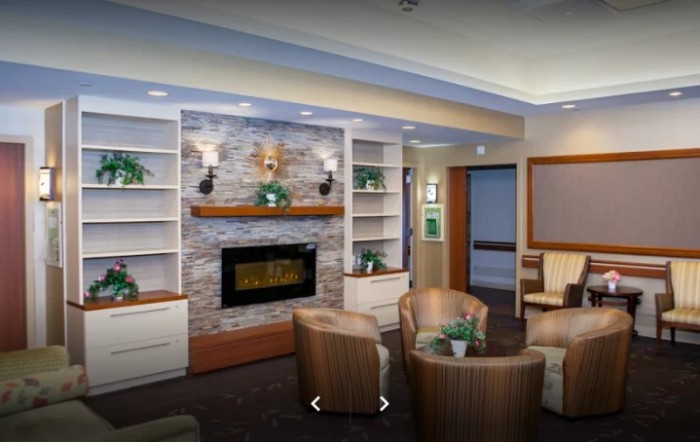
  • Decor

    A modern living room with a fireplace and comfortable seating.
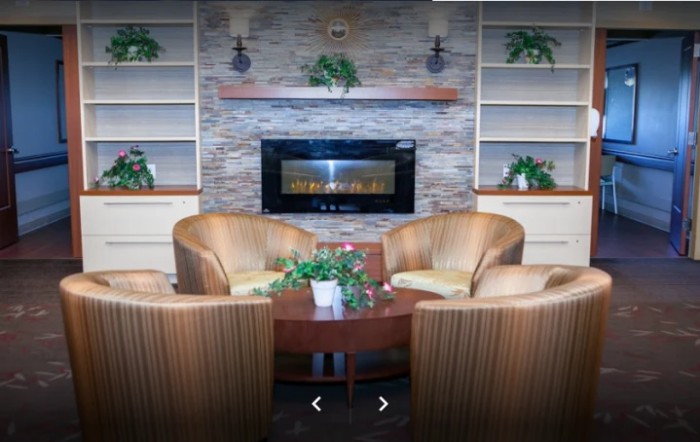
  • Living Room

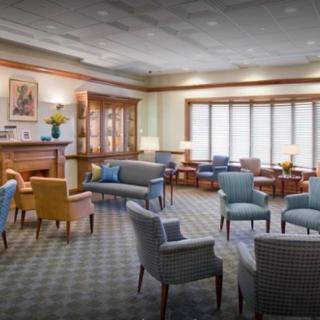
    A cozy seating area with four chairs arranged around a central table, featuring a modern fireplace and decorative plants.
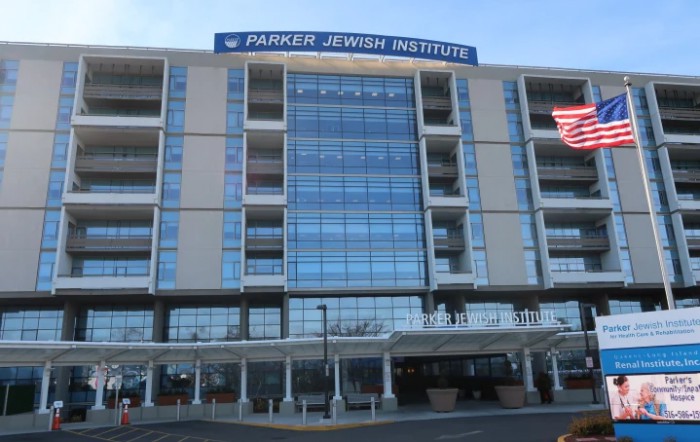
  • Building

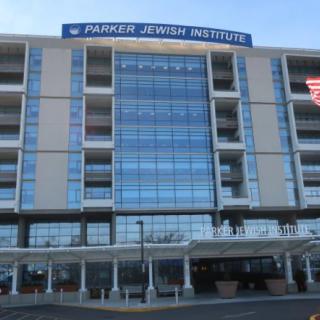
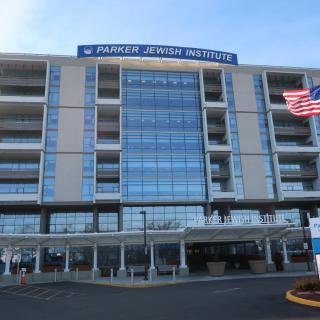
    A modern building with a glass facade, identified as the Louisville Jewish Institute.
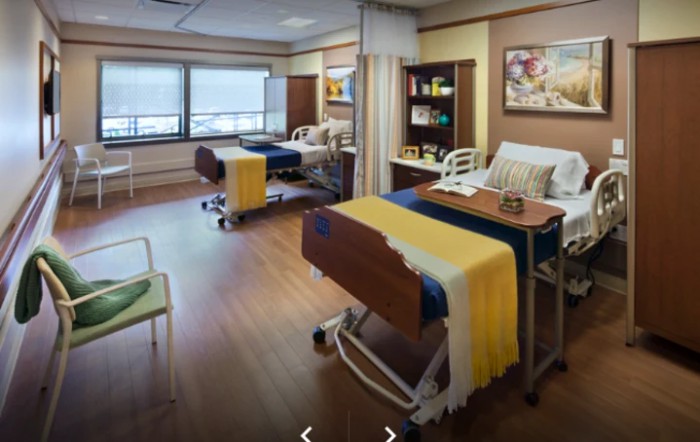
  • Healthcare

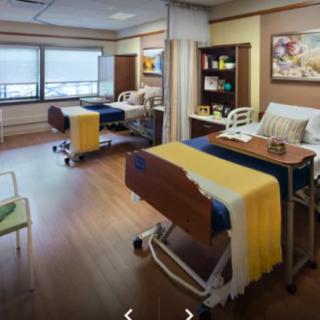
    A clean and well-organized hospital room with two beds and medical equipment.
  • Lounge Area

    A comfortable waiting area with sofas, chairs, and tables arranged on a carpeted floor.

Parker Jewish Institute For Health Care & Rehab

271-11 76Th Avenue, New Hyde Park, NY 11040

For more information about senior living options: (844) 490-3973

3.2 from 100 reviews
5 stars
46
4 stars
8
3 stars
5
2 stars
5
1 stars
36

Skilled Nursing Facility

Overall Review of Parker Jewish Institute For Health Care & Rehab

Pros

  • pro Several reviewers note that Parker Jewish Institute has staff who genuinely care for residents, displaying patience, kindness, and professionalism.
  • pro The facility is described as clean, welcoming, well-maintained, with a warm and comfortable atmosphere.
  • pro The speech therapy department is praised as excellent and caring, with therapists like Rachna and Mira delivering outstanding work.
  • pro Parker's recreational and activities events are considered excellent and help keep residents engaged.
  • pro Parker Jewish Institute's partnership with SeniorCare Companions and its Willing Hearts, Helpful Hands program is highlighted as a strong community collaboration.
  • pro A reviewer regards Parker Jewish Institute as one of the best rehabilitation centers in NYC/Long Island, noting the head nurse Theresa's dedication.
  • pro Families appreciate the staff's attention to detail, bedside manner, and efforts to keep them informed about medical findings and procedures.
  • pro The facility is described as delivering a high level of care by a caring staff.

Cons

  • pro They allege poor medical oversight, delayed treatment, and neglect that led to a drastic decline in their father's health.
  • pro They state that families who advocated for patients were dismissed and patients were left in unsafe conditions.
  • pro They describe the staff as unprofessional and lacking accountability, with systemic failures that put patients at risk.
  • pro They would not recommend Parker Jewish Institute, calling the care unsafe, poorly coordinated, and unreliable.
  • pro They recount a mother being left on the toilet crying with diarrhea until a complaint prompted care.
  • pro They claim patients were left in feces for extended periods and that beds/alarms were not properly attended.
  • pro They assert discharges occurred without proper training or aftercare, leading to readmission.
  • pro They describe weekends as severely understaffed, resulting in minimal care and communication failures.
  • pro They mention rude and unprofessional security guards.

Review

Parker Jewish Institute emerges in these accounts as a place of stark contrasts. On one hand, a number of families and residents describe a facility that is clean, well-maintained, and capable of delivering thoughtful, compassionate care when the stars align. On the other hand, there are several gripping, painfully specific testimonies of neglect, miscommunication, and safety failures that left families feeling that their loved ones were not protected or properly treated. Taken together, the collection of reviews paints a complex portrait of a high-profile rehab and skilled nursing center where experiences swing dramatically from praise to horror.

A significant thread of praise centers on warmth, professionalism, and personal attention from certain staff members. Several reviewers highlight nurses, aides, and therapists who went above and beyond, with phrases like "truly dedicated," "incredible patience," and "genuine compassion." In particular, some families point to the third floor as a source of exceptional care, mentioning a head nurse named Theresa who was described as dedicated and communicative, ensuring families stayed informed about medical findings and procedures. Therapists such as Rachna and Mira are singled out for their excellent work, and the overall atmosphere in positive accounts is one of cleanliness, welcoming spaces, and a facility that feels well-kept and respectful of residents. A caregiver brand of feedback emphasizes the small touches - attention to detail, personalized care, and an environment that feels safe and supportive for the residents.

Yet alongside these affirmations, a pattern of troubling experiences runs through many other reviews. Several families describe severe lapses in medical oversight, with delayed treatment, missed symptoms, and a perception that urgent care was too slow to arrive. In one account, a father's health declined after admission, with advocates feeling dismissed and patients left in unsafe conditions. Another reviewer recounts a patient who returned from rehab with bed wounds and a new mobility aid, only to be discharged without proper training for home care, resulting in a rapid return to the hospital. The sense conveyed is that accountability is inconsistent and systemic failures create real risk for patients, especially when families feel compelled to advocate on the patient's behalf.

Communication and responsiveness are central fault lines in the negative experiences. Several reviewers describe calls going unreturned, rooms and needs left unaddressed, and staff who appear overwhelmed or disengaged. There are specific, vivid complaints: patients left in feces for extended periods, bed changes not performed timely, and equipment like colostomy bags or other medical devices not being monitored or rotated as they should be. One account describes a patient being left in unsanitary conditions while staff supposedly prioritized other tasks, and another details a lack of follow-through that undermined trust in the care team. In some cases, families felt that a sense of advocacy by the patient's own loved ones was necessary just to prompt basic actions, which is a striking indictment of the consistency and reliability of daily care.

The spectrum of care also includes strong outright negative impressions about safety and daily operations. Comments range from "the staff are lazy" and "the bells are shut off" to more explicit suggestions that patients were not checked regularly, and that the hospital environment failed to maintain dignity and safety. A recurrent concern is that weekends feel markedly understaffed, with some reviewers reporting only a couple of staff members on duty and a perceived culture of inaction. Food quality, timely feeding, and the handling of basic needs - such as timely bathing and prompt attention to patient requests - are cited in multiple accounts as part of a broader picture of neglect or disengagement by the care team.

Against this backdrop of criticism, there are also clear reminders that Parker Jewish Institute has built meaningful partnerships and played a positive role in the broader care ecosystem. A statement from SeniorCare Companions, Inc. describes a strong, ongoing collaboration with Parker, emphasizing the Willing Hearts, Helpful Hands program and Parker at Your Door as vehicles for connecting clients with Parker's social workers and volunteers. This viewpoint highlights Parker's broader mission to educate and empower home care providers and families, underscoring that the institution's influence extends beyond the walls of the facility and into community-based care. Such partnerships are presented as evidence of Parker's commitment to service and to supporting families navigating aging and rehabilitation needs.

Amid the mixed reviews, several individuals voice unwavering personal appreciation. One reviewer asserts that Parker Jewish Institute is among the best rehabilitation centers in the NYC/Long Island area, praising staff across floors for their dedication despite the acknowledged strains of understaffing, and commending specific staff for their consistent, caring approach. These positive voices stress that, when working correctly, Parker can provide high-quality, respectful care with attentive professionals who honor patient needs and maintain a calm, organized environment. The sentiment here is not that Parker is perfect, but that it has the potential to deliver exceptional care when it is able to mobilize its team and resources effectively.

In sum, the narratives about Parker Jewish Institute reflect a facility with substantial strengths and significant vulnerabilities. The most compelling insights point to a care environment where a core group of compassionate, competent professionals can deliver excellent, person-centered care that families deeply value. At the same time, a number of reviews raise alarm about understaffing, miscommunication, and safety lapses that can have serious consequences for patients. Families considering Parker Jewish Institute would be well served by weighing these diverse experiences, asking pointed questions about staffing, oversight, and care coordination, and seeking out the positive testimonials about specific staff and services while staying vigilant for warning signs of neglect or mismanagement. The hospital's broader partnerships and patient-centered initiatives suggest a commitment to improvement and community integration, but the recurring concerns in several accounts remind readers that continued attention to accountability, communication, and consistent quality of care remains essential.

Features

Housing

  • 527 resident community capacity 527 resident community capacity

Types of Care

  • Skilled Nursing Facility Skilled Nursing FacilitySkilled Nursing Facilities are crucial for seniors as they provide round-the-clock medical care, rehabilitation services, and assistance with daily activities. These facilities ensure that seniors receive the specialized care they need to maintain their health and well-being as they age.

Amenities

  • Air-conditioning Air-conditioningAir conditioning is important for seniors as they are more vulnerable to heat-related illnesses and may have underlying health conditions that make it difficult for them to regulate their body temperature. It helps to keep them comfortable, safe, and healthy in hot weather.
  • Beauty salon Beauty salonBeauty salons are important for seniors because they provide a space for them to feel pampered, socialize, and maintain their personal grooming and hygiene. Regular visits to a beauty salon can help boost seniors' self-esteem and overall well-being.
  • Cable or satellite TV Cable or satellite TVCable or satellite TV is important for seniors because it provides entertainment, news, and companionship, helping to combat loneliness and boredom. It also offers a wide range of programming options tailored to different interests and preferences.
  • Computer center Computer centerA computer center is essential for seniors as it provides access to technology, communication tools, and resources that can enhance their daily lives. It allows them to stay connected with loved ones, engage in online activities, and learn new skills, ultimately promoting socialization and mental stimulation.
  • Dining room Dining roomDining rooms are important for seniors as they provide a space for socialization, connection, and nutritious meals. They offer opportunities for residents to bond over shared meals, foster a sense of community, and promote healthy eating habits. Dining rooms also ensure that seniors have access to well-balanced meals tailored to their dietary needs and preferences.
  • Fitness room Fitness roomHaving a fitness room in a senior living community is essential for seniors to stay active, maintain their physical health, and improve their overall well-being. Regular exercise can help prevent falls, reduce the risk of chronic diseases, and promote mental sharpness. It also provides social opportunities for residents to connect with others and enjoy a sense of community.
  • Fully furnished Fully furnishedFully furnished senior living communities are important for seniors because they provide convenience, comfort, and a hassle-free moving experience. Seniors can easily settle into their new living space without the stress of having to buy and move furniture. This allows them to focus on enjoying their new home and community.
  • Gaming room Gaming roomGaming rooms are important for seniors as they provide a fun and engaging environment for socializing, cognitive stimulation, and physical activity. Games can improve memory, problem-solving skills, and overall mental well-being while fostering friendships and reducing feelings of isolation.
  • Garden GardenGardens are important for seniors as they provide a peaceful and therapeutic environment for relaxation, physical activity, and socialization. Being in nature has been shown to reduce stress, improve mood, and promote overall well-being. Gardens also offer opportunities for seniors to engage in gardening activities, which can improve mobility, flexibility, and cognitive function. Additionally, gardens create a sense of community and connection with others who share a passion for plants and outdoor spaces.
  • Housekeeping services Housekeeping servicesHousekeeping services are important for seniors because they help maintain a clean and safe living environment, promote independence, and reduce the risk of accidents or illnesses. Additionally, having assistance with household chores can alleviate physical strain and allow seniors to focus on other aspects of their well-being.
  • Kitchenette KitchenetteKitchenettes are important for seniors living in senior living communities because they provide the convenience and independence of being able to prepare simple meals and snacks in the comfort of their own living space. This can help promote a sense of autonomy and well-being for seniors, allowing them to maintain some level of control over their dietary choices and daily routines.
  • Move-in coordination Move-in coordinationMove-in coordination is important for seniors because it helps ease the transition into their new living environment. It ensures that all logistics, such as packing, organizing movers, and setting up utilities are taken care of, allowing seniors to focus on settling in and adjusting to their new home. Having a smooth move-in process can alleviate stress and anxiety, making the transition smoother and more enjoyable for seniors.
  • Outdoor space Outdoor spaceOutdoor spaces are important for seniors as they provide opportunities for physical activity, social interaction, exposure to natural light and fresh air, and a sense of connection to nature. Having access to outdoor spaces can improve overall well-being and quality of life for older adults living in senior communities.
  • Private bathrooms Private bathroomsPrivate bathrooms are important for seniors in senior living communities because they provide independence, dignity, and comfort. Having a private bathroom allows seniors to maintain their personal hygiene routines without the need for assistance, promoting a sense of autonomy and privacy. Additionally, private bathrooms help prevent the spread of infections and provide a safe and clean environment for seniors to navigate safely.
  • Restaurant-style dining Restaurant-style diningRestaurant-style dining is important for seniors because it allows them to enjoy delicious, nutritious meals in a social and upscale setting. This enhances their dining experience, promotes healthy eating habits, and fosters socialization with fellow residents, ultimately contributing to their overall well-being and quality of life.
  • Small library Small librarySmall libraries are important for seniors as they provide access to a variety of reading materials, including books, newspapers, and magazines. This can help stimulate their minds, keep them engaged, and provide a sense of community through book clubs and other social activities. Additionally, reading has been shown to improve cognitive function and overall mental well-being in older adults.
  • Telephone TelephoneTelephones are important for seniors as they provide a lifeline for communication with loved ones, emergency services, and healthcare providers. They offer a sense of security and independence, enabling seniors to stay connected and access assistance when needed.
  • Wellness center Wellness centerWellness centers are important for seniors because they offer a variety of programs and services that promote physical, mental, and emotional well-being. These centers provide opportunities for exercise, socialization, education, and relaxation, helping seniors maintain their overall health and quality of life.
  • Wi-Fi/high-speed internet available Wi-Fi/high-speed internet availableWi-Fi/high-speed internet is important for seniors to stay connected with loved ones, access online resources, and participate in virtual activities to combat feelings of loneliness and isolation. It also allows them to easily manage healthcare needs, access entertainment, and engage in lifelong learning opportunities.

Transportation

  • John F Kennedy International (9 miles away) John F Kennedy International (9 miles away)
  • LaGuardia (9 miles away) LaGuardia (9 miles away)
  • Westchester Cty (22 miles away) Westchester Cty (22 miles away)
  • Newark International (25 miles away) Newark International (25 miles away)
  • Community operated transportation Community operated transportationCommunity operated transportation is crucial for seniors as it provides them with the means to access essential services, social activities, and medical appointments. It allows seniors to maintain their independence and quality of life by ensuring they can participate in activities outside of their homes. Additionally, community-operated transportation services offer a safe and reliable way for seniors to travel without having to rely on family or friends for assistance.
  • Transportation arrangement Transportation arrangementTransportation arrangements are crucial for seniors as they may face challenges with driving, mobility, or access to public transportation. Having reliable transportation services ensures that seniors can easily attend appointments, social activities, and maintain their independence and quality of life.
  • Transportation arrangement (non-medical) Transportation arrangement (non-medical)Transportation arrangements are essential for seniors as they provide access to essential services, activities, and social interactions outside the home. This service helps maintain independence, mobility, and overall well-being for seniors who may have limited transportation options.
  • Transportation to doctors appointments Transportation to doctors appointmentsTransportation to doctors appointments is crucial for seniors as it ensures they have access to necessary medical care and support, promoting their health and well-being. It allows them to receive timely treatment, monitor existing conditions, and address any new health concerns efficiently. Additionally, transportation services can help seniors maintain their independence and quality of life by enabling them to stay connected with their healthcare providers.

Care Services

  • 12-16 hour nursing 12-16 hour nursing12-16 hour nursing care is crucial for seniors in order to ensure around-the-clock monitoring, timely medication administration, and prompt response to any health concerns or emergencies. This level of care helps to promote the overall well-being and safety of seniors living in senior living communities.
  • 24-hour call system 24-hour call system24-hour call systems are important for seniors because they provide peace of mind and immediate assistance in case of emergencies. This technology ensures that help is always available, promoting safety and security for elderly individuals living alone or in assisted living facilities.
  • 24-hour supervision 24-hour supervision24-hour supervision is important for seniors to ensure their safety, well-being, and access to immediate assistance in case of emergencies or health issues. This constant support provides peace of mind for both seniors and their loved ones, allowing them to age in place with dignity and security.
  • Activities of daily living assistance Activities of daily living assistanceActivities of daily living assistance are important for seniors because they provide essential support with tasks such as eating, bathing, dressing, and mobility. This assistance helps seniors maintain their independence, dignity, and overall quality of life as they age.
  • Assistance with bathing Assistance with bathingAssistance with bathing is crucial for seniors as it helps maintain personal hygiene, prevents infections, and ensures their overall well-being and comfort. It also provides a sense of dignity and independence for seniors who may struggle with this task on their own.
  • Assistance with dressing Assistance with dressingAssistance with dressing is important for seniors because it helps maintain their independence, promotes personal hygiene, prevents accidents and injuries, and improves overall quality of life. This service ensures that seniors can continue to dress comfortably and confidently, despite any physical limitations they may have.
  • Assistance with transfers Assistance with transfersAssistance with transfers is crucial for seniors as it helps prevent falls and injuries, maintains their independence, and ensures they can safely navigate their living environment. It also provides peace of mind for both seniors and their loved ones.
  • Diabetes diet Diabetes dietA diabetes diet is crucial for seniors as it helps manage blood sugar levels, reduce risks of complications, and improve overall health and well-being. By following a balanced and nutritious diet tailored to their specific needs, seniors can better control their diabetes and enhance their quality of life.
  • Meal preparation and service Meal preparation and serviceMeal preparation and service are crucial for seniors as they may have limited mobility or energy to cook nutritious meals. Having access to healthy and convenient food options can ensure they are getting the proper nutrition needed to maintain their overall health and well-being.
  • Medication management Medication managementMedication management is crucial for seniors to ensure they are taking the right medications at the correct dosages and times. This helps prevent adverse drug interactions, reduces the risk of medication errors, and promotes overall health and well-being. Proactive management also allows for adjustments as needed based on changing health conditions or new prescriptions.
  • Mental wellness program Mental wellness programMental wellness programs are essential for seniors as they promote cognitive stimulation, emotional support, and social engagement. These programs help prevent isolation, depression, and cognitive decline, ultimately enhancing the overall quality of life for older adults.
  • Special dietary restrictions Special dietary restrictionsSpecial dietary restrictions are important for seniors because age-related changes in metabolism and health conditions can make it difficult for their bodies to process certain foods. By following a diet tailored to their specific needs, seniors can maintain their overall health and well-being, manage chronic conditions, and reduce the risk of complications such as malnutrition or food interactions with medications.

Dining

  • Diabetes diet Diabetes dietA diabetes diet is crucial for seniors as it helps manage blood sugar levels, reduce risks of complications, and improve overall health and well-being. By following a balanced and nutritious diet tailored to their specific needs, seniors can better control their diabetes and enhance their quality of life.
  • Special dietary restrictions Special dietary restrictionsSpecial dietary restrictions are important for seniors because age-related changes in metabolism and health conditions can make it difficult for their bodies to process certain foods. By following a diet tailored to their specific needs, seniors can maintain their overall health and well-being, manage chronic conditions, and reduce the risk of complications such as malnutrition or food interactions with medications.

Activities

  • Community-sponsored activities Community-sponsored activitiesCommunity-sponsored activities are important for seniors as they provide opportunities for social interaction, mental stimulation, and physical activity. These activities can help improve overall well-being, combat loneliness and isolation, and promote a sense of belonging and purpose among older adults.
  • Concierge services Concierge servicesConcierge services are essential for seniors as they provide assistance with daily tasks and errands, enhance their quality of life by offering convenience and personalized care, and promote a sense of safety and security.
  • Fitness programs Fitness programsFitness programs are crucial for seniors as they help improve strength, flexibility, balance, and overall well-being. Staying active can reduce the risk of chronic diseases, improve mental health, and enhance quality of life in older adults.
  • Planned day trips Planned day tripsPlanned day trips are important for seniors because they offer opportunities for socialization, mental stimulation, and physical activity. They provide a change of scenery and help seniors stay engaged and connected to their community, promoting overall well-being and quality of life.
  • Resident-run activities Resident-run activitiesResident-run activities are important for seniors as they encourage social interaction, creativity, and a sense of autonomy. These activities empower seniors to stay engaged and active in their community while fostering meaningful connections with their peers.
  • Scheduled daily activities Scheduled daily activitiesScheduled daily activities are important for seniors because they provide structure, socialization, mental stimulation, and physical activity. Engaging in regular activities can improve overall well-being and quality of life for seniors living in a community setting.

Description

The Parker Jewish Institute For Health Care & Rehab in New Hyde Park, NY offers a range of amenities and care services to enhance the well-being and comfort of its residents. The community features a beauty salon for convenient grooming, as well as cable or satellite TV for entertainment. Community-operated transportation is available for easy access to nearby locations, and a computer center allows residents to stay connected and engaged. The dining room provides restaurant-style dining experiences, and there is also a kitchenette for those who prefer to cook their own meals.

For recreational activities, there is a fitness room for physical exercise, as well as a gaming room for leisurely entertainment. Residents can enjoy the outdoors in the garden or take advantage of outdoor spaces. A small library is available for quiet reading and relaxation, while telephone services are provided for communication needs. The community also offers move-in coordination to facilitate the transition into this assisted living facility.

Care services at Parker Jewish Institute include 24-hour call systems and supervision to ensure the safety and security of residents. Assistance with daily living tasks such as bathing, dressing, and transfers is readily available. Medication management is provided to ensure proper administration of medications, along with special dietary restrictions tailored to individual needs such as diabetes diet.

Residents can participate in mental wellness programs that promote emotional health and overall well-being. Transportation arrangements are also made for non-medical purposes like shopping trips or social outings. Additionally, there is a wellness center that focuses on holistic health maintenance.

High-speed internet access via Wi-Fi is provided throughout the community to keep residents connected digitally.

Parker Jewish Institute For Health Care & Rehab offers a comfortable and supportive environment with various amenities and personalized care services designed to meet the unique needs of its residents. Nearby amenities such as cafes, parks, pharmacies, physicians' offices, restaurants, theaters, places of worship, and hospitals provide convenience and accessibility within close proximity to the community location.

Nearby Places of Interest

Hospitals

  • Division of Vascular/Interventional Radiology at Long Island Jewish Medical Center (0.1 miles)
  • Winthrop University Hospital New Life Center (3.4 miles)
  • Winthrop University Hospital (3.4 miles)
  • St Francis Hospital (3.9 miles)
  • Kaur Rupinder P Do South Nassau Family Medicine Oceanside (8.2 miles)
  • Nassau University Medical Center (8.2 miles)

Physicians

  • 2 Pro Health Plaza (0.8 miles)
  • North Shore Gastroenterology Associates PC (2.8 miles)
  • Winthrop Professional Building (3.5 miles)
  • Orlin & Cohen Orthopedic Group (6.8 miles)
  • South Nassau Communities Hospital (8.1 miles)

Cafes

  • Starbucks (1 miles)
  • Starbucks (2.6 miles)
  • Starbucks (6.9 miles)

Pharmacies

  • Walgreens (1.1 miles)
  • CVS Pharmacy (1.1 miles)
  • CVS Pharmacy (1.8 miles)
  • CVS Pharmacy (2.1 miles)
  • Walgreens (2.4 miles)
  • CVS Pharmacy (2.6 miles)
  • CVS Pharmacy (3.3 miles)

Transportation

  • LIRR New Hyde Park Station (2 miles)
  • LIRR - Floral Park Station (2.1 miles)
  • LIRR - Little Neck Station (2.3 miles)
  • LIRR - Manhasset Station (2.9 miles)
  • LIRR - Westbury Station (6.3 miles)
  • MTA - Sutphin Boulevard Subway Station (6.5 miles)
  • Valley Stream LIRR Station (6.5 miles)

Parks

  • Alley Pond Park (2.5 miles)
  • Allenwood Park (3 miles)
  • Cunningham Park (3.7 miles)
  • Hempstead Lake State Park (6 miles)
  • Coes Neck Park (7.3 miles)
  • Flushing Meadows Corona Park (7.3 miles)
  • Eisenhower Park (7.6 miles)

Restaurants

  • Burger King (2.8 miles)
  • Toku Modern Asian (3.3 miles)
  • White Castle (3.8 miles)
  • McDonald's (3.9 miles)
  • Hendrick's Tavern (4.3 miles)
  • Taco Bell (4.6 miles)
  • Grand Lux Cafe (4.8 miles)

Places of Worship

  • Community Church of East Williston (3.7 miles)
  • St Luke's Episcopal Church (7.8 miles)

Theaters

  • AMC Fresh Meadows 7 (4.2 miles)
  • AMC Roosevelt Field 8 (4.8 miles)
  • Regal Westbury Imax & RPX (8 miles)

Frequently Asked Questions

Where is Parker Jewish Institute For Health Care & Rehab?
What photos are available for Parker Jewish Institute For Health Care & Rehab in New Hyde Park, New York?

Nearby Communities

Related Resources

  • palliative care vs hospiceUnderstanding the Nuances of Palliative Care and Hospice: A Comprehensive Exploration

    Palliative care focuses on alleviating distress at any stage of a serious illness and can accompany curative treatments, while hospice care is for those nearing the end of life with a prognosis of six months or less, emphasizing comfort over curative measures. Both prioritize holistic care for patients and families but differ in timing, goals, and scope.

  • fecal incontinenceFecal Incontinence in Older Adults: A Comprehensive Guide
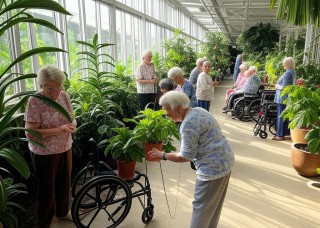
    Fecal incontinence, prevalent among older adults, arises from factors like weakened pelvic muscles and nerve damage, significantly affecting well-being and social interactions. Diagnosis involves clinical evaluation and tests to inform tailored treatments, while caregivers and preventive measures can aid in managing the condition effectively.

  • gardening for seniorsNurturing Well-Being Through Gardening: A Detailed Guide for Senior Enthusiasts
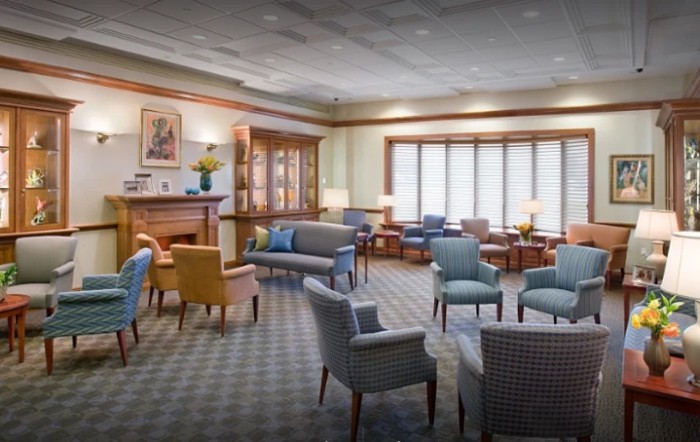
    Gardening provides seniors with physical exercise, mental and emotional support, and social interaction opportunities, while accommodating their needs through raised beds and ergonomic tools. It promotes health benefits like improved dexterity and cardiovascular health, encourages sustainable practices, and allows for manageable upkeep with low-maintenance plants.