The Grand Rehabilitation And Nursing At Great Neck

Save

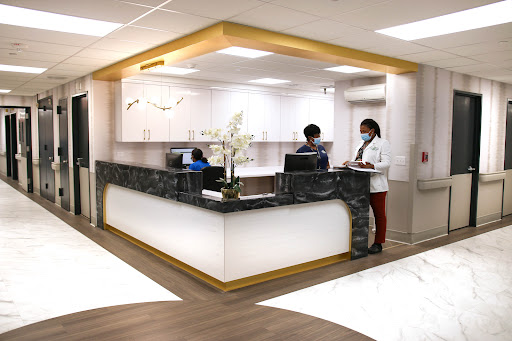
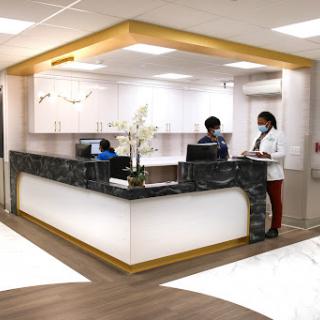
  • Interior

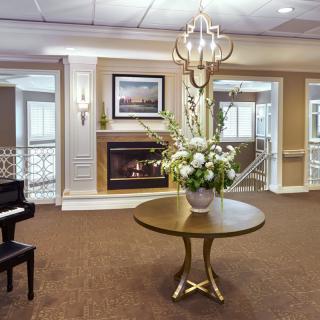
    A modern medical reception area with a sleek design.
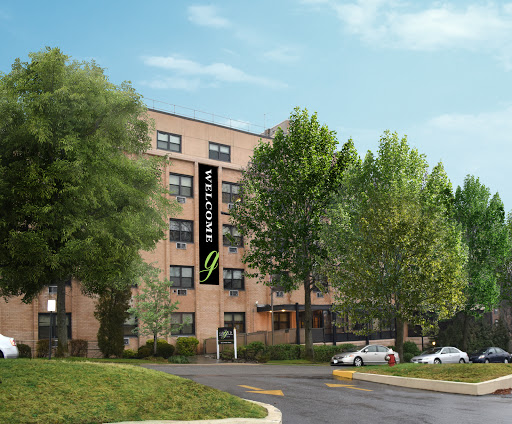
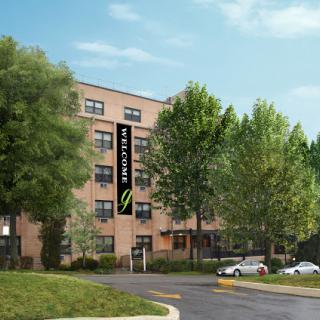
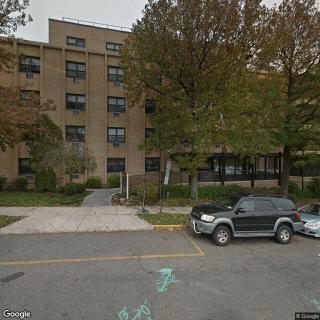
  • Building

    A modern hotel building surrounded by greenery and a clear blue sky.
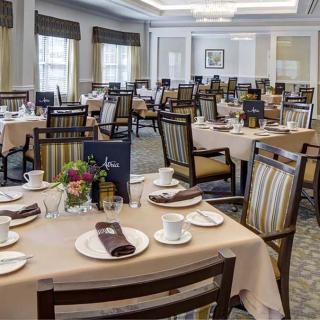
  • Dining

    A beautifully set dining table with a delicious meal and decorative plant.
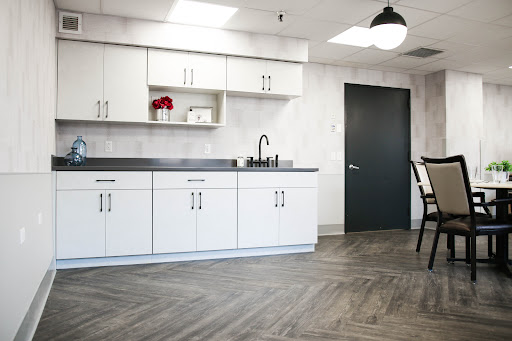
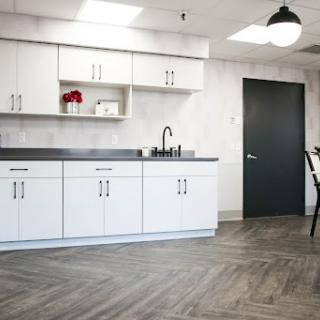
  • Kitchen

    A modern kitchen with white cabinets and a sleek gray floor, showcasing minimalist design.
  • Garden

    A serene outdoor patio area adorned with potted plants and a shaded table, perfect for enjoying nature.
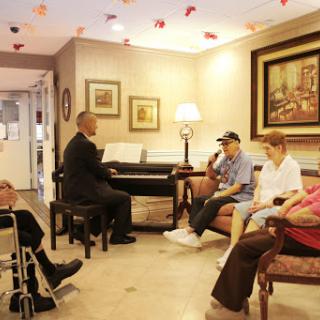
  • Piano

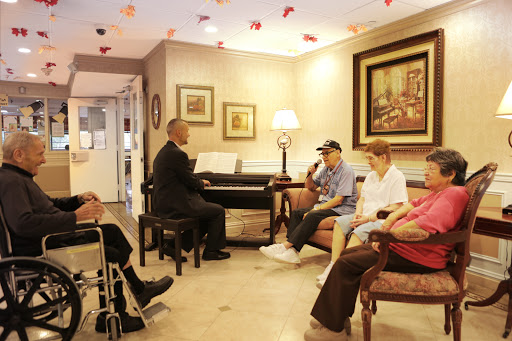
    A performer plays the piano for a group of elderly residents in a cozy common area, fostering community and enjoyment through music.
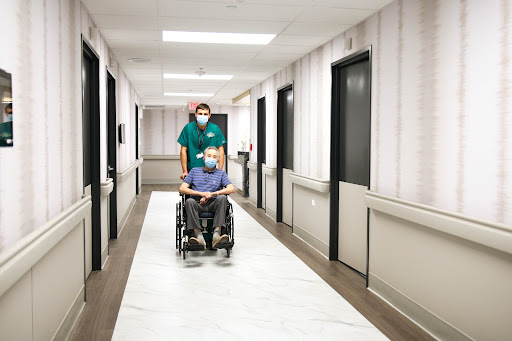
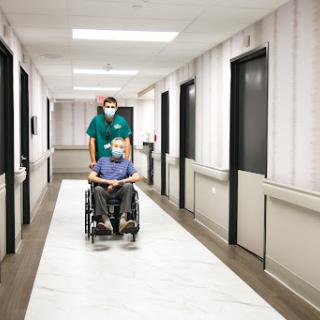
  • Hallway

    A healthcare worker assists a patient in a wheelchair down a hospital hallway.
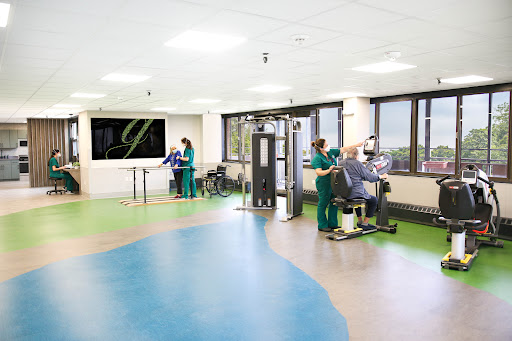
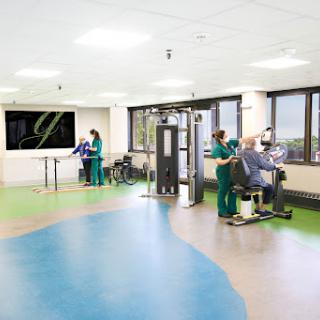
  • Exercise Equipment

    A bright and modern rehabilitation facility where medical professionals assist patients in physical therapy.
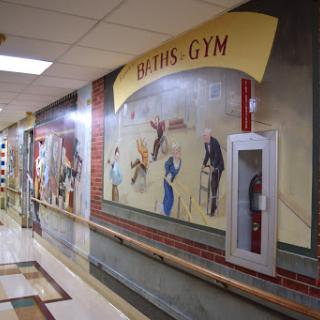
  • Gym

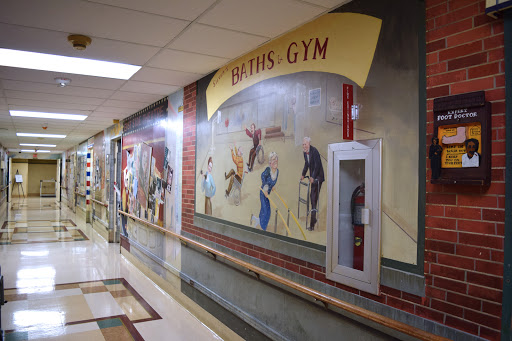
    A vibrant mural depicting various sports activities in a gym hallway.

The Grand Rehabilitation And Nursing At Great Neck

15 Street Pauls Place, Great Neck, NY 11021

For more information about senior living options: (844) 490-3973

4.2 from 100 reviews
5 stars
77
4 stars
1
3 stars
2
2 stars
5
1 stars
15

Skilled Nursing Facility

Overall Review of The Grand Rehabilitation And Nursing At Great Neck

Pros

  • pro The Grand at Great Neck kept residents safe, comfortable, and cared for around the clock.
  • pro The staff at The Grand at Great Neck were attentive, engaged, and showed genuine concern.
  • pro The facility and floors at The Grand at Great Neck were consistently clean.
  • pro In-house specialists and prompt hospital transfers at The Grand at Great Neck helped families stay informed.
  • pro Nurses at The Grand at Great Neck remembered residents' preferences and treated them with dignity.
  • pro The rehabilitation team at The Grand at Great Neck helped residents regain strength and independence.
  • pro The administration at The Grand at Great Neck is hands-on, approachable, and communicates openly with families.
  • pro The facility at The Grand at Great Neck is beautiful, uplifting, and offers a vibrant community.

Cons

  • pro The reviewer states the grandmother was neglected severely and left unattended after a bed fall.
  • pro They allege the staff lied about her eating and failed to provide feeding assistance, claiming she was eating when she could not feed herself.
  • pro The family reports a persistent runaround when trying to transfer her and obtain neurologist evaluation.
  • pro The head nurse allegedly badgered the family and questioned why 911 was called.
  • pro They claim the patient was septic, severely dehydrated, with low blood pressure and high heart rate, despite staff's assurances to the contrary.
  • pro The reviewer describes staff as rude and dismissive and notes failures to provide basic care (e.g., not offering an undershirt or a mask) and poor front-desk communication.
  • pro They intend to report the incident to the Department of Health and advise others not to send loved ones there.

Review

The Grand at Great Neck appears in these accounts as a place that many families viewed as a beacon of compassionate care and professional service, while at least one family experienced something very different and distressing. Taken together, the testimonials paint a picture of a facility that can feel like a safe, hopeful haven for many residents and their loved ones, yet there are serious concerns raised by others that cannot be ignored. The two narratives sit side by side, inviting readers to weigh personal encounters, ask vivid questions, and carefully inspect how care is delivered day to day.

On the overwhelmingly positive side, several reviewers described a environment where the health and dignity of residents were the top priority. One family highlighted a 98-year-old grandmother who reportedly remained safe, comfortable, and well cared for around the clock, with no falls during her stay. The staff were described as vigilant and attentive, ensuring that she could eat with support and be nourished, even though she could not feed herself. Cleanliness was repeatedly noted - the facility and its floors were described as pristine, contributing to a sense of a calm, well-managed setting. In-house access to a neurologist and proactive communication with families were emphasized as major benefits; staff were said to keep families informed and to act quickly when a resident's condition changed, facilitating prompt hospital transfer when needed.

Care quality extended beyond basic safety to include meaningful clinical and rehabilitative services. Several accounts praised the rehabilitation team and therapists for their technical skill, encouragement, and ability to help residents regain strength, independence, and confidence. The nursing staff received frequent commendations for their attentive, gentle, and emotionally supportive care, with families noting signs of genuine concern and consistent check-ins. Administration and leadership were described as hands-on, approachable, and accountable, with a culture of open, professional communication that fostered trust and transparency with families. The atmosphere of the facility was portrayed as uplifting and vibrant, with regular activities and opportunities for social engagement, reinforcing the sense that this is more a caring community than a sterile institution. The overall tone of several reviews was one of gratitude and strong confidence in the care provided, with explicit recommendations to others to consider the Grand at Great Neck as a top option for care and rehabilitation needs.

Beyond individual care episodes, some reviewers spoke about a consistently positive experience across multiple family members. They highlighted smooth coordination among nursing, rehabilitation, and administrative teams, noting that staff remembered personal preferences and offered both medical and emotional comfort. The administration was described as actively involved in residents' lives, ensuring that families felt heard, respected, and supported throughout the care journey. The facility's beauty and cleanliness, together with a robust program of activities, were cited as contributing to a sense of well-being and peace of mind for families entrusting their loved ones to the Grand.

However, not all experiences were favorable, and one detailed account described a starkly contrasting situation that raised serious concerns about safety and care quality. A different family reported neglect that led to a fall from bed, inadequate supervision, and a long period of unattended observation. They contended that staff dismissed concerns about safety and feeding needs, preventing access to a neurologist and hindering timely transfer to a higher level of care. The family depicted a scene in which the head nurse questioned why 911 had been called, focusing more on defending the facility's account than on the resident's health. They described the grandmother as septic, severely dehydrated, with unstable vital signs, and argued that such deterioration occurred while the resident was under the facility's care. The complaint extended to routine daily needs as well - insufficient assistance with feeding, inadequate clothing or masking when in hallways, and dismissive or unhelpful responses to inquiries. The reviewer stated they would be reporting the incident to the Department of Health and urged others to avoid the facility.

This negative narrative also highlighted communication shortcomings beyond clinical concerns. The reviewer criticized the front desk for poor accessibility and responsiveness, noting difficulty reaching staff by phone and a lack of timely updates during important moments (such as scheduled video chats). The frustration extended to general responsiveness, with the front desk described as a barrier to connection with the resident's room and unit, rather than a conduit for timely communication with families.

Taken as a whole, the collection of reviews suggests a facility with a strong potential for high-quality care and a deeply positive, family-centered experience for many residents. It also presents a cautionary tale about what can happen when communication gaps, perceived neglect, or safety lapses arise. For families considering care at The Grand at Great Neck, these accounts underscore the importance of conducting thorough due diligence: touring the facility with eye for safety and cleanliness, asking pointed questions about staffing levels, fall prevention, feeding assistance, access to specialists (like neurology), and the process for escalation when concerns arise. It's also worth probing the administration's approach to transparency, family communication, and how they handle urgent concerns or complaints.

In short, The Grand at Great Neck can be a place where residents receive compassionate, comprehensive care and where families feel supported and informed. At the same time, there are serious, well-documented concerns raised by at least one family that warrant careful attention. Prospective families should weigh these experiences, seek current state regulatory records, and seek direct, candid conversations with administrators, nurses, and rehabilitation staff to understand how the facility would respond to both routine needs and unexpected emergencies. The right choice will depend on a clear alignment between a family's expectations for safety, communication, and personalized care, and the specific facility's demonstrated capacity to meet those standards consistently.

Features

Housing

  • 214 resident community capacity 214 resident community capacity

Types of Care

  • Skilled Nursing Facility Skilled Nursing FacilitySkilled Nursing Facilities are crucial for seniors as they provide round-the-clock medical care, rehabilitation services, and assistance with daily activities. These facilities ensure that seniors receive the specialized care they need to maintain their health and well-being as they age.

Amenities

  • Air-conditioning Air-conditioningAir conditioning is important for seniors as they are more vulnerable to heat-related illnesses and may have underlying health conditions that make it difficult for them to regulate their body temperature. It helps to keep them comfortable, safe, and healthy in hot weather.
  • Beauty salon Beauty salonBeauty salons are important for seniors because they provide a space for them to feel pampered, socialize, and maintain their personal grooming and hygiene. Regular visits to a beauty salon can help boost seniors' self-esteem and overall well-being.
  • Cable or satellite TV Cable or satellite TVCable or satellite TV is important for seniors because it provides entertainment, news, and companionship, helping to combat loneliness and boredom. It also offers a wide range of programming options tailored to different interests and preferences.
  • Computer center Computer centerA computer center is essential for seniors as it provides access to technology, communication tools, and resources that can enhance their daily lives. It allows them to stay connected with loved ones, engage in online activities, and learn new skills, ultimately promoting socialization and mental stimulation.
  • Dining room Dining roomDining rooms are important for seniors as they provide a space for socialization, connection, and nutritious meals. They offer opportunities for residents to bond over shared meals, foster a sense of community, and promote healthy eating habits. Dining rooms also ensure that seniors have access to well-balanced meals tailored to their dietary needs and preferences.
  • Fitness room Fitness roomHaving a fitness room in a senior living community is essential for seniors to stay active, maintain their physical health, and improve their overall well-being. Regular exercise can help prevent falls, reduce the risk of chronic diseases, and promote mental sharpness. It also provides social opportunities for residents to connect with others and enjoy a sense of community.
  • Fully furnished Fully furnishedFully furnished senior living communities are important for seniors because they provide convenience, comfort, and a hassle-free moving experience. Seniors can easily settle into their new living space without the stress of having to buy and move furniture. This allows them to focus on enjoying their new home and community.
  • Gaming room Gaming roomGaming rooms are important for seniors as they provide a fun and engaging environment for socializing, cognitive stimulation, and physical activity. Games can improve memory, problem-solving skills, and overall mental well-being while fostering friendships and reducing feelings of isolation.
  • Garden GardenGardens are important for seniors as they provide a peaceful and therapeutic environment for relaxation, physical activity, and socialization. Being in nature has been shown to reduce stress, improve mood, and promote overall well-being. Gardens also offer opportunities for seniors to engage in gardening activities, which can improve mobility, flexibility, and cognitive function. Additionally, gardens create a sense of community and connection with others who share a passion for plants and outdoor spaces.
  • Housekeeping services Housekeeping servicesHousekeeping services are important for seniors because they help maintain a clean and safe living environment, promote independence, and reduce the risk of accidents or illnesses. Additionally, having assistance with household chores can alleviate physical strain and allow seniors to focus on other aspects of their well-being.
  • Kitchenette KitchenetteKitchenettes are important for seniors living in senior living communities because they provide the convenience and independence of being able to prepare simple meals and snacks in the comfort of their own living space. This can help promote a sense of autonomy and well-being for seniors, allowing them to maintain some level of control over their dietary choices and daily routines.
  • Move-in coordination Move-in coordinationMove-in coordination is important for seniors because it helps ease the transition into their new living environment. It ensures that all logistics, such as packing, organizing movers, and setting up utilities are taken care of, allowing seniors to focus on settling in and adjusting to their new home. Having a smooth move-in process can alleviate stress and anxiety, making the transition smoother and more enjoyable for seniors.
  • Outdoor space Outdoor spaceOutdoor spaces are important for seniors as they provide opportunities for physical activity, social interaction, exposure to natural light and fresh air, and a sense of connection to nature. Having access to outdoor spaces can improve overall well-being and quality of life for older adults living in senior communities.
  • Private bathrooms Private bathroomsPrivate bathrooms are important for seniors in senior living communities because they provide independence, dignity, and comfort. Having a private bathroom allows seniors to maintain their personal hygiene routines without the need for assistance, promoting a sense of autonomy and privacy. Additionally, private bathrooms help prevent the spread of infections and provide a safe and clean environment for seniors to navigate safely.
  • Restaurant-style dining Restaurant-style diningRestaurant-style dining is important for seniors because it allows them to enjoy delicious, nutritious meals in a social and upscale setting. This enhances their dining experience, promotes healthy eating habits, and fosters socialization with fellow residents, ultimately contributing to their overall well-being and quality of life.
  • Small library Small librarySmall libraries are important for seniors as they provide access to a variety of reading materials, including books, newspapers, and magazines. This can help stimulate their minds, keep them engaged, and provide a sense of community through book clubs and other social activities. Additionally, reading has been shown to improve cognitive function and overall mental well-being in older adults.
  • Telephone TelephoneTelephones are important for seniors as they provide a lifeline for communication with loved ones, emergency services, and healthcare providers. They offer a sense of security and independence, enabling seniors to stay connected and access assistance when needed.
  • Wellness center Wellness centerWellness centers are important for seniors because they offer a variety of programs and services that promote physical, mental, and emotional well-being. These centers provide opportunities for exercise, socialization, education, and relaxation, helping seniors maintain their overall health and quality of life.
  • Wi-Fi/high-speed internet available Wi-Fi/high-speed internet availableWi-Fi/high-speed internet is important for seniors to stay connected with loved ones, access online resources, and participate in virtual activities to combat feelings of loneliness and isolation. It also allows them to easily manage healthcare needs, access entertainment, and engage in lifelong learning opportunities.

Transportation

  • LaGuardia (8 miles away) LaGuardia (8 miles away)
  • John F Kennedy International (11 miles away) John F Kennedy International (11 miles away)
  • Westchester Cty (19 miles away) Westchester Cty (19 miles away)
  • Newark International (24 miles away) Newark International (24 miles away)
  • Community operated transportation Community operated transportationCommunity operated transportation is crucial for seniors as it provides them with the means to access essential services, social activities, and medical appointments. It allows seniors to maintain their independence and quality of life by ensuring they can participate in activities outside of their homes. Additionally, community-operated transportation services offer a safe and reliable way for seniors to travel without having to rely on family or friends for assistance.
  • Transportation arrangement Transportation arrangementTransportation arrangements are crucial for seniors as they may face challenges with driving, mobility, or access to public transportation. Having reliable transportation services ensures that seniors can easily attend appointments, social activities, and maintain their independence and quality of life.
  • Transportation arrangement (non-medical) Transportation arrangement (non-medical)Transportation arrangements are essential for seniors as they provide access to essential services, activities, and social interactions outside the home. This service helps maintain independence, mobility, and overall well-being for seniors who may have limited transportation options.
  • Transportation to doctors appointments Transportation to doctors appointmentsTransportation to doctors appointments is crucial for seniors as it ensures they have access to necessary medical care and support, promoting their health and well-being. It allows them to receive timely treatment, monitor existing conditions, and address any new health concerns efficiently. Additionally, transportation services can help seniors maintain their independence and quality of life by enabling them to stay connected with their healthcare providers.

Care Services

  • 12-16 hour nursing 12-16 hour nursing12-16 hour nursing care is crucial for seniors in order to ensure around-the-clock monitoring, timely medication administration, and prompt response to any health concerns or emergencies. This level of care helps to promote the overall well-being and safety of seniors living in senior living communities.
  • 24-hour call system 24-hour call system24-hour call systems are important for seniors because they provide peace of mind and immediate assistance in case of emergencies. This technology ensures that help is always available, promoting safety and security for elderly individuals living alone or in assisted living facilities.
  • 24-hour supervision 24-hour supervision24-hour supervision is important for seniors to ensure their safety, well-being, and access to immediate assistance in case of emergencies or health issues. This constant support provides peace of mind for both seniors and their loved ones, allowing them to age in place with dignity and security.
  • Activities of daily living assistance Activities of daily living assistanceActivities of daily living assistance are important for seniors because they provide essential support with tasks such as eating, bathing, dressing, and mobility. This assistance helps seniors maintain their independence, dignity, and overall quality of life as they age.
  • Assistance with bathing Assistance with bathingAssistance with bathing is crucial for seniors as it helps maintain personal hygiene, prevents infections, and ensures their overall well-being and comfort. It also provides a sense of dignity and independence for seniors who may struggle with this task on their own.
  • Assistance with dressing Assistance with dressingAssistance with dressing is important for seniors because it helps maintain their independence, promotes personal hygiene, prevents accidents and injuries, and improves overall quality of life. This service ensures that seniors can continue to dress comfortably and confidently, despite any physical limitations they may have.
  • Assistance with transfers Assistance with transfersAssistance with transfers is crucial for seniors as it helps prevent falls and injuries, maintains their independence, and ensures they can safely navigate their living environment. It also provides peace of mind for both seniors and their loved ones.
  • Diabetes diet Diabetes dietA diabetes diet is crucial for seniors as it helps manage blood sugar levels, reduce risks of complications, and improve overall health and well-being. By following a balanced and nutritious diet tailored to their specific needs, seniors can better control their diabetes and enhance their quality of life.
  • Meal preparation and service Meal preparation and serviceMeal preparation and service are crucial for seniors as they may have limited mobility or energy to cook nutritious meals. Having access to healthy and convenient food options can ensure they are getting the proper nutrition needed to maintain their overall health and well-being.
  • Medication management Medication managementMedication management is crucial for seniors to ensure they are taking the right medications at the correct dosages and times. This helps prevent adverse drug interactions, reduces the risk of medication errors, and promotes overall health and well-being. Proactive management also allows for adjustments as needed based on changing health conditions or new prescriptions.
  • Mental wellness program Mental wellness programMental wellness programs are essential for seniors as they promote cognitive stimulation, emotional support, and social engagement. These programs help prevent isolation, depression, and cognitive decline, ultimately enhancing the overall quality of life for older adults.
  • Special dietary restrictions Special dietary restrictionsSpecial dietary restrictions are important for seniors because age-related changes in metabolism and health conditions can make it difficult for their bodies to process certain foods. By following a diet tailored to their specific needs, seniors can maintain their overall health and well-being, manage chronic conditions, and reduce the risk of complications such as malnutrition or food interactions with medications.

Dining

  • Diabetes diet Diabetes dietA diabetes diet is crucial for seniors as it helps manage blood sugar levels, reduce risks of complications, and improve overall health and well-being. By following a balanced and nutritious diet tailored to their specific needs, seniors can better control their diabetes and enhance their quality of life.
  • Special dietary restrictions Special dietary restrictionsSpecial dietary restrictions are important for seniors because age-related changes in metabolism and health conditions can make it difficult for their bodies to process certain foods. By following a diet tailored to their specific needs, seniors can maintain their overall health and well-being, manage chronic conditions, and reduce the risk of complications such as malnutrition or food interactions with medications.

Activities

  • Community-sponsored activities Community-sponsored activitiesCommunity-sponsored activities are important for seniors as they provide opportunities for social interaction, mental stimulation, and physical activity. These activities can help improve overall well-being, combat loneliness and isolation, and promote a sense of belonging and purpose among older adults.
  • Concierge services Concierge servicesConcierge services are essential for seniors as they provide assistance with daily tasks and errands, enhance their quality of life by offering convenience and personalized care, and promote a sense of safety and security.
  • Fitness programs Fitness programsFitness programs are crucial for seniors as they help improve strength, flexibility, balance, and overall well-being. Staying active can reduce the risk of chronic diseases, improve mental health, and enhance quality of life in older adults.
  • Planned day trips Planned day tripsPlanned day trips are important for seniors because they offer opportunities for socialization, mental stimulation, and physical activity. They provide a change of scenery and help seniors stay engaged and connected to their community, promoting overall well-being and quality of life.
  • Resident-run activities Resident-run activitiesResident-run activities are important for seniors as they encourage social interaction, creativity, and a sense of autonomy. These activities empower seniors to stay engaged and active in their community while fostering meaningful connections with their peers.
  • Scheduled daily activities Scheduled daily activitiesScheduled daily activities are important for seniors because they provide structure, socialization, mental stimulation, and physical activity. Engaging in regular activities can improve overall well-being and quality of life for seniors living in a community setting.

Description

The Grand Rehabilitation And Nursing At Great Neck in Great Neck, NY is an assisted living community that offers a wide range of amenities and care services to enhance the quality of life for its residents.

Residents can enjoy the convenience of on-site beauty salon services to help them look and feel their best. Cable or satellite TV is available in each room for entertainment purposes. Community-operated transportation is provided for those who need assistance getting around. The computer center allows residents to stay connected with loved ones and engage in online activities.

A spacious dining room offers restaurant-style dining experiences where residents can enjoy delicious meals prepared by the staff. For those who prefer a more private setting, kitchenettes are available in select rooms. Housekeeping services ensure that common areas and individual living spaces are kept clean and tidy.

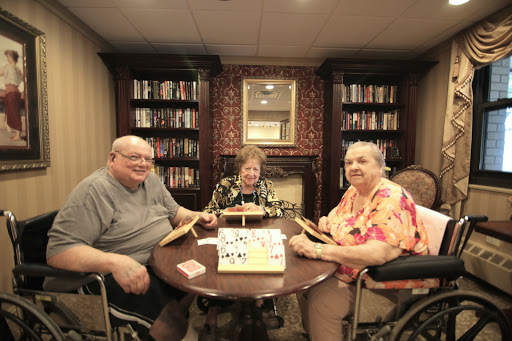
The community features various recreational facilities such as a fitness room for physical exercise, a gaming room for entertainment, and outdoor spaces including gardens for relaxation and fresh air. A small library provides a quiet place for reading and learning. Telephone services are also provided for easy communication.

Transportation arrangements are available both for non-medical needs as well as appointments with doctors. The wellness center focuses on promoting overall health and well-being among residents. Wi-Fi/high-speed internet is accessible throughout the community for connectivity purposes.

Care services at The Grand Rehabilitation And Nursing At Great Neck include 24-hour call systems and supervision to ensure the safety of residents at all times. Assistance with activities of daily living such as bathing, dressing, and transfers are readily available when needed. Special dietary restrictions, including diabetes diets, are catered to during meal preparation and service. Medication management is also provided to ensure residents take their medications as prescribed.

To promote mental wellness, there is a dedicated program designed to support the emotional needs of residents. Transportation arrangement services are included for any necessary trips outside the community.

In terms of nearby amenities, The Grand Rehabilitation And Nursing At Great Neck is conveniently located near two cafes, three parks, ten pharmacies, two physicians' offices, five restaurants, four transportation options, one place of worship, one theater, and two hospitals.

Overall, The Grand Rehabilitation And Nursing At Great Neck strives to provide a comfortable and supportive environment for its residents with a range of amenities and care services to meet their individual needs.

Nearby Places of Interest

Cafes

  • Starbucks (0.4 miles)
  • Starbucks (3 miles)
  • Cafe Zeppieri (8 miles)

Pharmacies

  • CVS Pharmacy (0.4 miles)
  • CVS Pharmacy (2 miles)
  • CVS Pharmacy (3.2 miles)
  • Rite Aid (3.5 miles)
  • Walgreens (3.6 miles)
  • CVS Pharmacy (3.6 miles)
  • CVS Pharmacy (4.2 miles)

Parks

  • Allenwood Park (0.5 miles)
  • Alley Pond Park (3.6 miles)
  • Cunningham Park (4.7 miles)
  • Flushing Meadows Corona Park (7.1 miles)
  • Hempstead Lake State Park (8.5 miles)
  • Forest Park (8.7 miles)
  • Manor Park (9 miles)

Physicians

  • North Shore Gastroenterology Associates PC (0.7 miles)
  • 2 Pro Health Plaza (2.6 miles)
  • Winthrop Professional Building (5.4 miles)
  • Orlin & Cohen Orthopedic Group (9.3 miles)

Transportation

  • LIRR - Manhasset Station (1.3 miles)
  • LIRR - Little Neck Station (1.4 miles)
  • LIRR New Hyde Park Station (4.5 miles)
  • LIRR - Floral Park Station (4.5 miles)
  • LIRR - Mets-Willets Point Station (6.9 miles)
  • MTA - Mets-Willets Point Subway Station (6.9 miles)
  • Terminal D (7.5 miles)

Hospitals

  • Division of Vascular/Interventional Radiology at Long Island Jewish Medical Center (2.5 miles)
  • St Francis Hospital (2.9 miles)
  • Winthrop University Hospital New Life Center (5.3 miles)
  • Winthrop University Hospital (5.3 miles)
  • Montefiore New Rochelle Hospital (9.2 miles)

Restaurants

  • Toku Modern Asian (2.6 miles)
  • Burger King (2.7 miles)
  • McDonald's (3.7 miles)
  • Hendrick's Tavern (3.8 miles)
  • Taco Bell (4.3 miles)
  • Bar Frites (5.2 miles)
  • White Castle (5.8 miles)

Theaters

  • AMC Fresh Meadows 7 (4.6 miles)
  • AMC Roosevelt Field 8 (6.4 miles)
  • AMC Bay Plaza Cinema 13 (7.6 miles)
  • Regal Westbury Imax & RPX (8.7 miles)

Places of Worship

  • Community Church of East Williston (5 miles)
  • St Luke's Episcopal Church (8.2 miles)

Frequently Asked Questions

Where is The Grand Rehabilitation And Nursing At Great Neck?
What photos are available for The Grand Rehabilitation And Nursing At Great Neck in Great Neck, New York?

Nearby Communities

Related Resources

  • adult day careEncouraging Participation in Adult Day Care: A Guide to Supporting a Hesitant Parent

    Adult day care programs offer essential support and activities for older adults, yet many hesitate to participate due to concerns about independence and stigma. To alleviate these apprehensions, families should facilitate open discussions, explore financial resources, suggest trial visits, and collaborate with healthcare providers to highlight the benefits of such services for both the participants and their caregivers.

  • living will definitionComprehensive Exploration of Living Wills and Other Advance Directives

    Living wills and advance directives are crucial legal documents that outline an individual's healthcare preferences when they cannot make decisions themselves, enhancing patient autonomy and alleviating family stress during medical crises. The article emphasizes the need for these documents to be personalized, legally valid, and regularly updated, while also encouraging communication about end-of-life wishes among family members and healthcare providers.

  • living will definitionA Detailed Exploration of Living Wills and Advance Directives

    The article examines living wills and advance directives, highlighting their significance in expressing healthcare preferences for those unable to communicate due to illness or incapacity. It discusses their historical development, legal components, limitations, practical drafting advice, and the importance of clear communication among families and healthcare professionals regarding end-of-life decisions.