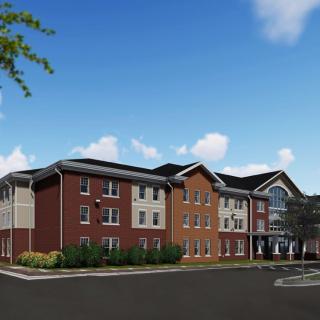
The Mitchell House of Westerville

Save
The Mitchell House of Westerville

The Mitchell House of Westerville

360 N. West St, Westerville, OH 43082

For more information about senior living options: (844) 490-3973

5 from 16 reviews
5 stars
16
4 stars
0
3 stars
0
2 stars
0
1 stars
0

Board and Care Home Memory Care

The Mitchell House of Westerville Costs & Pricing

The Mitchell House of Westerville offers private rooms at a monthly cost of $6,000, which is notably higher than the average rate for similar accommodations in Franklin County at $5,499 and significantly above the state average of $4,771. For those considering one-bedroom options, The Mitchell House also sets its price at $6,000, contrasting sharply with Franklin County's average of $3,645 and Ohio's general rate of $3,712. This pricing reflects The Mitchell House's commitment to providing an exceptional quality of life and personalized care that may justify the higher costs compared to local and state averages.

Floor plansThe Mitchell House of WestervilleFranklin CountyOhio
Private$6,000$5,499$4,771
1 Bedroom$6,000$3,645$3,712

Overall Review of The Mitchell House of Westerville

Pros

  • pro They describe Mitchell Homes as a true home environment where residents are cared for like family.
  • pro The care is highly individualized, with staff showing genuine concern and compassion.
  • pro Families report incredible support for their loved ones and themselves during end-of-life care.
  • pro The owners and staff are repeatedly praised for their dedication, warmth, and kindness.
  • pro The homes provide a peaceful, home-like setting that feels far from institutional.
  • pro Residents thrive and stay engaged, even with advanced conditions like Alzheimer's.
  • pro The facilities go above and beyond with thoughtful gestures, such as baking cupcakes and Thanksgiving meals.
  • pro The caregiver-to-resident ratio and attentive staff instill trust and peace of mind.
  • pro Families readily recommend Mitchell Homes to others seeking quality memory care or end-of-life care.

Cons

  • pro The reviewer was not pleased with the care at that place, noting inconsistencies in care.
  • pro The reviewer referred to the other facility as a "big box" facility, implying it felt less caring and more institutional.
  • pro The reviewer observed that two other care facilities felt more like institutions.

Review

The Mitchell House of Westerville is best suited for families seeking a true home-like setting where dementia, memory care, and end-of-life needs can be met with exceptional warmth and individualized attention. The reviews consistently describe a small, family-operated environment that feels more like a residence than a institution. Residents are treated with ongoing affection and respect, with care plans tailored to each person, not to a chart. This translates into meaningful daily routines, personal touches, and visible efforts to keep loved ones engaged, connected, and comfortable. For families yearning for photos, messages, and everyday gestures that reinforce belonging, this community stands out as the kind of place where residents are made to feel deeply valued.

Those who should consider alternatives are families confronting needs that go beyond a intimate, home-style model. If on-site clinical complexity, aggressive rehabilitation programs, large-scale memory-care campuses, or a broad array of medical services are non-negotiable, other providers with more expansive medical staffing and therapy offerings may be a better fit. The Mitchell House excels as a close-knit, emotionally supportive home for seniors who benefit from human-scale attention and a consistent care approach, but it may not be the right match for residents requiring highly structured hospital-level oversight or a more institutional, campus-like setting.

The strongest pros - personalized care, a genuine family atmosphere, and attentive, transparent communication - don't merely offset the downsides; they redefine what high-quality care can feel like. Families repeatedly note that staff members treat residents as family, remember personal preferences, and create daily life that honors individual histories. The environment supports meaningful interaction, with caregivers baking, decorating, and sharing small rituals that build a sense of continuity and dignity. Families also praise the staff for proactive communication, staying well informed about changes in a loved one's condition and inviting family participation in decisions. For a resident facing dementia or advanced aging, these factors often translate into steadier engagement, calmer days, and a more dignified quality of life than larger, more impersonal facilities.

Notwithstanding the compelling positives, the main trade-off is the absence of the scale and medical infrastructure typical of bigger providers. The reviews reveal a core advantage in intimate staffing and daily warmth, tempered by the implicit understanding that certain complex medical needs may be addressed differently in a smaller home setting. Prospective families should verify ahead of move-in whether the level of medical oversight, on-site nursing coverage, and diagnosis-specific therapies align with their loved one's current and anticipated care trajectory. If ongoing, highly medicalized treatment plans are essential, it's prudent to confirm how the Mitchell House coordinates with outside physicians and what contingency options exist for escalation.

Despite that caveat, the offsetting strengths remain substantial. A resident who thrives on routine, personal interaction, and a steady, family-forward approach will experience a continuity of care that reduces agitation and confusion and increases opportunities for meaningful connections. End-of-life care is framed with sensitivity and respect, and the support extended to families during these transitions is repeatedly highlighted as a major source of relief and reassurance. The staff's willingness to go the extra mile - whether through sharing photos with distant relatives or preparing special meals - creates a sense of belonging that is hard to match in larger facilities.

For families evaluating options, the practical next steps are clear. Schedule a tour to observe the daily rhythm, ask about the caregiver-to-resident relationship, and gauge whether the pace and tone align with the loved one's personality and preferences. Inquire about memory-care strategies, activities that stimulate cognition and social engagement, and how family updates are delivered. Seek candid conversations about what medical support looks like on a typical day and how emergencies are managed. If the goal is a living environment that honors autonomy, fosters companionship, and delivers consistently attentive, compassionate care, The Mitchell House of Westerville stands as a standout choice worth prioritizing in the decision process.

Features

Types of Care

  • Board and Care Home Board and Care HomeBoard and care homes provide a smaller, more intimate setting for seniors who require assistance with daily tasks but do not need the level of care offered by a nursing home. They offer personalized care, meals, and social activities in a homelike environment, ensuring that seniors receive individualized attention and support in their golden years.
  • Memory Care Memory CareMemory care is crucial for seniors as it provides specialized support and services for individuals with dementia or Alzheimer's disease. These programs offer a safe and secure environment where residents receive personalized care, cognitive stimulation, and help with daily activities. Memory care helps seniors maintain their independence, quality of life, and dignity while also providing peace of mind for their families.

Amenities

  • Activities on-site Activities on-siteActivities on-site are important for seniors because they provide opportunities for socialization, mental stimulation, physical activity, and overall well-being. Engaging in activities can help seniors stay active, maintain their independence, and improve their quality of life.
  • Air-conditioning Air-conditioningAir conditioning is important for seniors as they are more vulnerable to heat-related illnesses and may have underlying health conditions that make it difficult for them to regulate their body temperature. It helps to keep them comfortable, safe, and healthy in hot weather.
  • Bath tubs Bath tubsBath tubs are important for seniors because they provide a safe and relaxing way to bathe, helping to prevent slips and falls while promoting independence and overall well-being.
  • Cable or satellite TV Cable or satellite TVCable or satellite TV is important for seniors because it provides entertainment, news, and companionship, helping to combat loneliness and boredom. It also offers a wide range of programming options tailored to different interests and preferences.
  • Devotional services off-site Devotional services off-siteDevotional services off-site are important for seniors as they provide spiritual nourishment, social engagement, and a sense of community outside of the senior living facility. This can enhance overall well-being and help combat feelings of isolation and loneliness often experienced by older adults.
  • Devotional services on-site Devotional services on-siteDevotional services on-site provide seniors with spiritual support and a sense of community, as well as an opportunity for reflection and guidance during their senior living experience. This can promote emotional well-being and connection to others, leading to a more fulfilling and enriching lifestyle in their later years.
  • Ground floor units Ground floor unitsGround floor units are important for seniors because they provide easy accessibility, reduced risk of falls and injuries, and convenience for those with mobility issues. Seniors can avoid climbing stairs or using elevators, making daily tasks and activities more manageable and enjoyable.
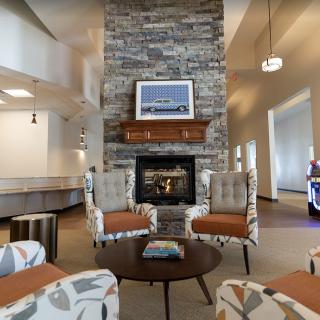
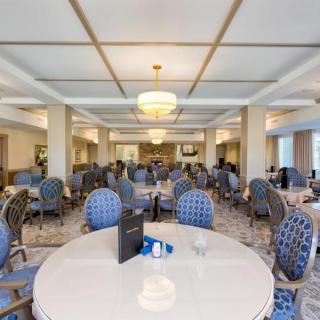
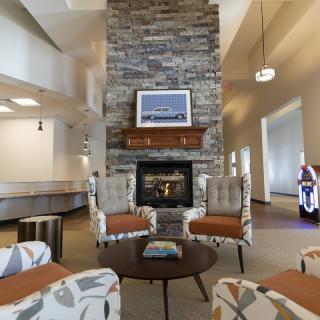
  • Indoor common areas Indoor common areasIndoor common areas are crucial for seniors as they provide a space for socialization, recreation, and community engagement, promoting overall well-being and reducing feelings of isolation and loneliness.
  • Outdoor common areas Outdoor common areasOutdoor common areas are important for seniors as they provide a space for socialization, physical activity, and relaxation. Being outside in nature can improve mood and overall well-being, while also encouraging movement and engagement with others. These spaces can help combat feelings of isolation and promote a sense of community among residents.
  • Private PrivatePrivacy is important for seniors as it allows them to maintain their independence, dignity, and sense of control over their own lives. It also gives them the space and freedom to relax, reflect, and engage in activities that bring them joy and fulfillment. Creating private spaces within senior living facilities is crucial for promoting overall well-being and quality of life.
  • Respite or short term stays offered Respite or short term stays offeredRespite or short term stays provide seniors with a temporary solution when their regular caregiver is unavailable, offering them the opportunity to receive additional care and support during times of need, while also giving caregivers a chance to rest and recharge.
  • Wheelchair accessible showers Wheelchair accessible showersWheelchair accessible showers are crucial for seniors as they provide a safe and independent bathing option for those with mobility challenges. These showers help prevent falls and allow seniors to maintain their dignity and autonomy while ensuring they can bathe comfortably.
  • Wi-Fi/high-speed internet available Wi-Fi/high-speed internet availableWi-Fi/high-speed internet is important for seniors to stay connected with loved ones, access online resources, and participate in virtual activities to combat feelings of loneliness and isolation. It also allows them to easily manage healthcare needs, access entertainment, and engage in lifelong learning opportunities.

Transportation

  • John Glenn Columbus International Airport (10 miles away) John Glenn Columbus International Airport (10 miles away)

Care Services

  • Diabetic care Diabetic careDiabetic care is crucial for seniors as they are more susceptible to developing diabetes due to aging and other health conditions. Proper management of diabetes can help prevent complications such as heart disease, vision loss, and nerve damage, improving the overall quality of life for seniors in senior living communities.
  • High acuity care High acuity careHigh acuity care is important for seniors because it provides specialized medical attention and support for individuals with complex medical needs. This level of care ensures that seniors receive the appropriate treatment and assistance to maintain their health and quality of life as they age.
  • Incontinence care Incontinence careIncontinence care is essential for seniors to maintain their dignity, hygiene, and overall quality of life. By addressing incontinence issues promptly and effectively, seniors can enjoy a sense of independence and comfort in their daily activities.
  • Medication management Medication managementMedication management is crucial for seniors to ensure they are taking the right medications at the correct dosages and times. This helps prevent adverse drug interactions, reduces the risk of medication errors, and promotes overall health and well-being. Proactive management also allows for adjustments as needed based on changing health conditions or new prescriptions.

Dining

  • Anytime dining Anytime diningAnytime dining is important for seniors because it allows them the flexibility to eat when they are hungry, rather than being restricted to set meal times. This can be especially beneficial for those with medical conditions or medications that affect their appetite, as well as those who may have difficulty adhering to a strict dining schedule. Overall, anytime dining promotes independence and overall well-being for seniors in senior living communities.
  • Meals provided Meals provided"Meals provided" are crucial for seniors in assisted living communities as it ensures they have access to nutritious, balanced meals without the stress of meal planning and preparation. This can help promote overall health and well-being for seniors who may have limited mobility or cognitive abilities.

Activities

  • Activities on-site Activities on-siteActivities on-site are important for seniors because they provide opportunities for socialization, mental stimulation, physical activity, and overall well-being. Engaging in activities can help seniors stay active, maintain their independence, and improve their quality of life.
  • Art classes Art classesArt classes are important for seniors because they provide a creative outlet, improve cognitive function, reduce stress and anxiety, promote socialization, and enhance overall well-being and quality of life.
  • BBQs or picnics BBQs or picnicsBBQs or picnics provide seniors with social interaction, enjoyment of the outdoors, and a sense of community, contributing to their overall well-being and quality of life.
  • Devotional activities offsite Devotional activities offsiteDevotional activities offsite are important for seniors because they provide social engagement, spiritual growth, and a sense of community outside of their living environment. This can improve overall well-being, mental health, and combat feelings of isolation or loneliness.
  • Devotional activities on-site Devotional activities on-siteDevotional activities on-site provide seniors with a sense of community, spiritual fulfillment, and emotional support, promoting overall well-being and a positive sense of purpose in their lives.
  • Gardening club Gardening clubGardening clubs are important for seniors because they provide a sense of community, promote physical activity and mental well-being, and offer opportunities for socialization and connection with nature. Gardening can also improve cognitive function and overall quality of life for seniors.
  • Light therapy programs Light therapy programsLight therapy programs are important for seniors because they can help improve mood, regulate sleep patterns, and reduce symptoms of depression and anxiety. Exposure to natural light can also have positive effects on cognitive function and overall well-being in older adults.
  • Live dance or theater performances Live dance or theater performancesLive dance or theater performances are important for seniors because they provide opportunities for socialization, mental stimulation, and emotional engagement. These performances can help combat feelings of isolation and loneliness, while also offering a sense of connection to the arts and culture. Additionally, watching live performances can bring joy and create lasting memories for seniors in their later years.
  • Live musical performances Live musical performancesLive musical performances can provide seniors with a sense of joy, nostalgia, and connection. Music has the power to evoke emotions and memories, improve mood and cognitive function, and foster social interaction among seniors. It can also serve as a form of therapy and stress relief for older adults, making it an important activity to include in senior living communities.
  • Montessori programs Montessori programsMontessori programs are important for seniors because they promote a sense of independence, dignity, and purpose through engaging activities and personalized care. These programs help seniors maintain cognitive abilities, physical health, and emotional well-being, ultimately enhancing their overall quality of life in a supportive and stimulating environment.
  • Reminiscence programs Reminiscence programsReminiscence programs are vital for seniors as they provide opportunities for them to reflect on their life experiences, share memories with others, and maintain cognitive function. These programs can improve mood, stimulate social interaction, and enhance overall well-being for older adults.
  • Stretching classes Stretching classesStretching classes are important for seniors because they help improve flexibility, reduce the risk of injury, and promote overall health and well-being. Regular stretching can also help alleviate joint pain and stiffness, enhance balance and coordination, and increase range of motion.

Description

The Mitchell House of Westerville is an assisted living community located in Westerville, OH. With a focus on memory care, the community provides a safe and supportive environment for individuals with Alzheimer's disease or other forms of dementia.

The community offers various amenities to ensure residents' comfort and convenience. Each unit is equipped with air-conditioning and private bath tubs. Residents can enjoy their favorite TV shows with cable or satellite TV service. Devotional services are available both on-site and off-site for spiritual nourishment. The indoor common areas provide spaces for socializing and activities, while the outdoor common areas offer opportunities for fresh air and outdoor enjoyment.

The Mitchell House of Westerville takes pride in providing high-quality care services to meet their residents' individual needs. They offer high acuity care to address complex medical conditions and specialized assistance with incontinence. Medication management is also provided to ensure that residents take their medications as prescribed.

Meals are provided by the community, ensuring that residents receive nutritious and delicious meals every day. Additionally, the community offers a range of engaging activities to promote social interaction and mental stimulation. These include art classes, BBQs or picnics, gardening club, live dance or theater performances, live musical performances, Montessori programs, reminiscence programs, and stretching classes. Light therapy programs may also be available to support residents' well-being.

Conveniently located near several cafes, parks, pharmacies, physicians' offices, restaurants, places of worship, and hospitals, The Mitchell House of Westerville ensures easy access to daily necessities and healthcare facilities.

Overall, The Mitchell House of Westerville provides a welcoming and secure environment where individuals with memory-related conditions receive personalized care while enjoying a variety of amenities and engaging activities.

Nearby Places of Interest

This part of Westerville, Ohio offers a convenient and accessible location for senior living. With a variety of physicians, pharmacies, and hospitals in close proximity, residents can easily access healthcare services. The diverse selection of restaurants and cafes provide plenty of dining options for socializing or enjoying a meal out. This area also boasts several parks and places of worship for recreation and spiritual needs. The nearby theater offers entertainment options for those who enjoy cultural outings. Overall, this neighborhood provides a well-rounded community with amenities that cater to the needs and interests of older adults looking for a comfortable and convenient place to call home.

Physicians

  • Center for Surgical Dermatology & Dermatology Associates (0.3 miles)
  • Rgi Dr James (0.5 miles)
  • Premier Women's Health (0.7 miles)
  • PrimeMD - Westerville Primary Care Walk-ins (0.8 miles)
  • Maureen Ann Stark (0.8 miles)
  • Ohio Plastic Surgery Specialists (0.8 miles)
  • Stickel, Brian C DDS (0.9 miles)

Restaurants

  • Bru Burger Bar (0.8 miles)
  • 101 Beer Kitchen (1.1 miles)
  • McDonald's (1.3 miles)
  • Raising Cane's Chicken Fingers (1.3 miles)
  • Swensons Drive-In (1.6 miles)
  • Wendy's (1.9 miles)
  • Quaker Steak & Lube (1.9 miles)

Cafes

  • Starbucks (0.8 miles)
  • Panera Bread (1.1 miles)
  • Starbucks (1.4 miles)
  • Panera Bread (1.8 miles)
  • Northstar Cafe (6.1 miles)

Pharmacies

  • CVS Pharmacy (1 miles)
  • Walgreens (1.1 miles)
  • CVS Pharmacy (1.7 miles)
  • Pharmprops (1.7 miles)
  • CVS Pharmacy (2.3 miles)
  • Marc's Stores (2.4 miles)
  • CVS Pharmacy (2.8 miles)

Parks

  • Metzger Park (1.2 miles)
  • Sharon Woods Metro Park (1.9 miles)
  • Centergreen Park (2.8 miles)
  • McNamara Park (3.6 miles)
  • Flint Park (3.7 miles)
  • Highbanks Metro Park (4.7 miles)
  • North Road Park (6.2 miles)

Hospitals

  • Mount Carmel St Ann's OBGYN Clinic (1.5 miles)
  • Central Ohio Surgical Institute (6.8 miles)

Places of Worship

  • Westerville Christian Church (1.5 miles)
  • Genoa Baptist Church (4.5 miles)
  • All Shepherds Lutheran Church (6.4 miles)

Theaters

  • Dreamscape at AMC Easton Town Center (6 miles)

Frequently Asked Questions

How much does it cost to live at The Mitchell House of Westerville in Westerville, OH?
Where is The Mitchell House of Westerville?
Does The Mitchell House of Westerville provide care for residents with dementia or Alzheimer's disease?

Nearby Communities

  • Gables of Westerville

    Gables of Westerville

    Westerville, OH

    3.7 from 9 reviews
     

    pro Comprehensive memory care with 24/7 supervision and a wide range of on-site amenities.

  • Buckeye Terrace Rehabilitation And Nursing Center

    Buckeye Terrace Rehabilitation And Nursing Center

    Westerville, OH


    pro Extensive on-site amenities and 24/7 supervision

  • Edgewood Manor of Westerville

    Edgewood Manor of Westerville

    Westerville, OH

    1.9 from 22 reviews
    $5,700 to $6,150 / month

    pro Friendly, caring staff (therapists) and engaging activities.

  • Uptown Westerville Healthcare

    Uptown Westerville Healthcare

    Westerville, OH

    2 from 27 reviews
     

    pro Attentive nursing staff and competent rehab team; some improvements noted.

  • The Village at Windemere

    The Village at Windemere

    Westerville, OH


    pro Care-focused with meal prep and medication management; convenient access to nearby amenities.

  • Paramount Senior Living at Polaris

    Paramount Senior Living at Polaris

    Westerville, OH

    3.8 from 45 reviews
    $3,000 to $3,600 / month

    pro Caring, attentive staff; clean, well-maintained facility with flexible dining options.

  • Westerville Senior Living

    Westerville Senior Living

    Westerville, OH

    4.3 from 81 reviews
    $2,650 to $3,975 / month

    pro Friendly staff with engaging activities in a welcoming, well-designed environment.

  • The Gables of Westerville

    The Gables of Westerville

    Westerville, OH

    4.2 from 30 reviews
    $2,900 to $6,400 / month

    pro Caring staff, engaging activities, and restaurant-style dining.

  • Capital City Hospice

    Capital City Hospice

    Columbus, OH

    4.4 from 124 reviews
     

    pro Caring, professional staff and chaplain support.

Related Resources

  • dementia stagesUnderstanding Dementia Through Its Seven Stages: A Comprehensive Look at Progression and Expectations

    Dementia encompasses a range of cognitive impairments characterized by types such as Alzheimer's and vascular dementia, and follows a seven-stage progression model known as the Global Deterioration Scale (GDS), highlighting varying symptoms and decline timelines. Early detection allows for lifestyle adjustments to potentially slow progression, while caregivers need support and resources to manage the challenges involved in caring for affected individuals.

  • how to prevent memory loss in old ageSafeguarding Your Memory Through the Golden Years: Eight Ways to Preserve Cognitive Health

    The article presents eight strategies for preserving cognitive health and memory in older adults, emphasizing a nutrient-rich diet, regular exercise, intellectually stimulating activities, adequate sleep, social connections, stress management techniques, limiting harmful substances, and regular medical checkups to mitigate age-related memory decline.

  • activities of daily livingComprehensive Insights into Activities of Daily Living (ADLs) and Their Assessment

    Activities of Daily Living (ADLs) are fundamental tasks vital for an individual's independence, particularly in older adults over 85, and include functions like bathing and dressing; assessing ADLs alongside Instrumental Activities of Daily Living (IADLs) helps determine the level of required assistance due to age-related health challenges. Tailored support plans, involving family and community resources, are essential for maintaining dignity and autonomy in assisted living environments.