
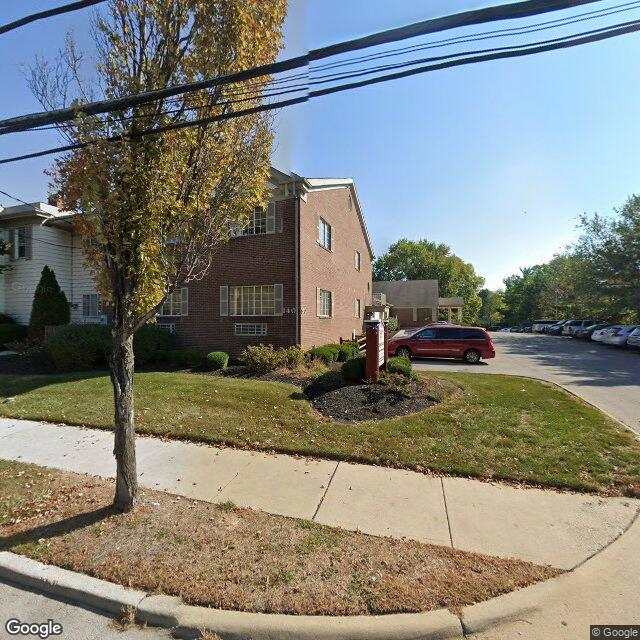
140 N State St, Westerville, OH 43081
To contact a resident: (614) 882-4055
For more information about senior living options: (866) 208-4318
Edgewood Manor of Westerville Costs & Pricing
Edgewood Manor of Westerville offers semi-private rooms at a monthly cost of $5,700 and private rooms for $6,150. When compared to the average costs in Franklin County, which are $4,507 for semi-private and $5,499 for private accommodations, Edgewood Manor's pricing is notably higher. Similarly, in the broader context of Ohio, where the average monthly costs fall to $3,965 for semi-private and $4,771 for private rooms, Edgewood Manor's rates reflect a premium that may suggest enhanced services or amenities provided at this facility. This pricing structure indicates that while residents may pay more than the county and state averages, they are likely investing in a level of care and comfort that aligns with their needs.
| Floor plans | Edgewood Manor of Westerville | Franklin County | Ohio |
|---|---|---|---|
| Semi-Private | $5,700 | $4,507 | $3,965 |
| Private | $6,150 | $5,499 | $4,771 |
Skilled Nursing Facilities with a similar price nearby
-
from -$500 / mo

Middleton
$5,200 to $7,500 / month21.9 miles away -
from -$730 / mo

Cherry Blossom Senior Living
$4,970 to $6,645 / month11.4 miles away -
from -$750 / mo
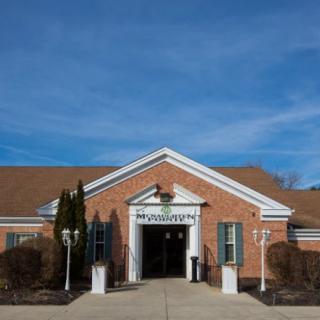
Mcnaughten Pointe Nursing And Rehab
$4,950 to $6,000 / month13.3 miles away -
from -$840 / mo
West Park Rehabilitation Center Skilled Nursing and Memory Care
$4,860 / month16.1 miles away -
from -$570 / mo
Columbus Alzheimer's Care Center
$5,130 to $6,300 / month7.6 miles away
Overall Review of Edgewood Manor of Westerville
Pros
 The therapists are nice, friendly, and they all seem to care.
- It’s a nice place.
- They have a movie day there as well.
Cons
 The facility is described as deplorable and uncaring toward residents.
- There are accounts of medication errors that could have caused serious harm.
- Care is described as unsanitary and neglectful, with residents not receiving timely attention.
- Understaffing and management issues are cited as ongoing problems.
- Food quality is criticized, and dietary needs are not consistently met.
- Families report having to monitor staff constantly to ensure basic needs are addressed.
- The facility is accused of prioritizing profit and cutting corners to save money.
- Instances of residents left unattended, including examples of being found in feces or not receiving medications.
- Overall, reviewers label the place as the worst nursing home and advise others to avoid it.
Review
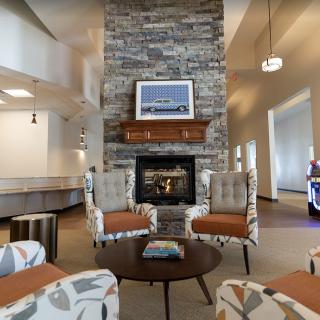
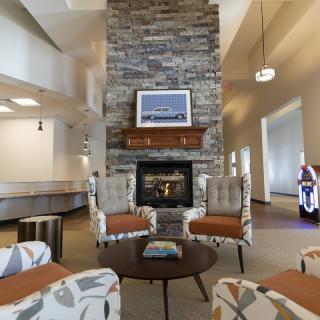
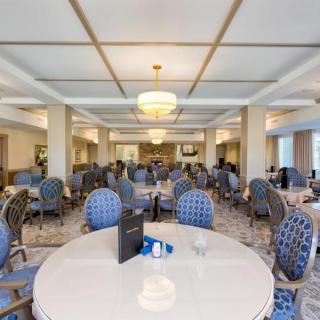
Edgewood Manor of Westerville is best suited for families who can and will supervise care closely, advocating every day for basic safety, accurate medication administration, and timely medical attention. The facility presents as a pleasant enough environment on the surface, but that appearance masks a pattern of care that becomes unacceptable once real-time staffing and accountability are examined. For residents who rely on dependable oversight, consistent meals, and prompt response to needs, this community does not deliver.
Alternatives should be seriously considered by families needing reliable medical management, respectful treatment, and transparent governance. Anyone with complex medical needs, dementia, or a history of frequent medical contact will likely find this home lacking. If the goal is predictable medication delivery, clean environments, and responsive staff, other local options with stronger staffing ratios and proven accountability are prudent choices. In short, this is a facility to avoid if dependable, professional care is non-negotiable.
The few positives that do show up in the reviews, therapists who seem genuinely engaged, a handful of staff who clearly care, and occasional social programming such as movie days, do not meaningfully offset the core problems. The care culture that emerges from repeated reports of understaffing, inconsistent medication administration, and neglectful responses to resident discomfort cannot be outweighed by momentary niceties or a presentable lobby. When safety, sanitation, and timely care are in question, those rare moments of attentiveness become insufficient proof of overall quality.
Management and organizational reliability are frequently cited as majorweak points. Families describe chronic turnover, poor communication, and a failure to act on suggestions or concerns. Incidents ranging from medication mix-ups to delayed doctor visits, unsanitary conditions, and residents left unattended while in distress paint a consistent, troubling picture. The facility has been cited as understaffed, with systems that do not reliably capture or respond to critical events. In a setting where every shift should align toward resident well-being, these gaps translate into real risk.
For families exploring care plans, a practical approach is essential. Demand up-front disclosures about staffing levels and shift coverage, request recent state survey results, and insist on direct access to medication administration records and incident logs. Schedule multiple visits, including unannounced ones, to observe how staff respond to basic requests, pain management, meals, and mobility assistance. Engage with a trusted elder-law or care-management professional to review contracts, understand what happens if concerns arise, and map a clear escalation path.
If choosing to place a loved one here, continuous oversight becomes non-negotiable. Monitor medication timing and accuracy, ensure diabetic-appropriate meals are served, and verify that routine physical therapy or rehabilitation sessions occur as prescribed. Inspect cleanliness and linen changes, note response times to call bells, and confirm that transportation for medical appointments is reliable. Be prepared to intervene quickly if red flags reappear, and keep a concrete exit plan in case conditions do not improve. In the balance of risks and reality, Edgewood Manor requires relentless vigilance and a readiness to move the care arrangement if fundamental standards are not upheld.
 Skilled Nursing Facility
 Cats allowed
 Dogs allowed
 Activities off-site
 Beautician on-site
 Devotional services off-site
 Indoor common areas
 Outdoor common areas
 Private
 Respite or short term stays offered
 Wheelchair accessible showers
 John Glenn Columbus International Airport (9 miles away)
 High acuity care
 Incontinence care
 Meals provided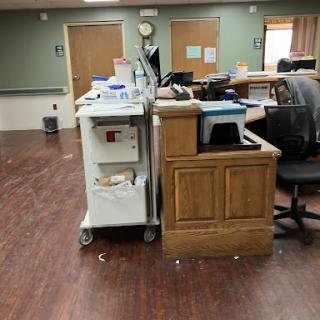



 Comprehensive Insights into Palliative Home Care: What It Is and What to Expect
 Skilled Nursing Facilities vs. Nursing Homes: Making Sense of the Differences
 A Detailed Examination of Nursing Home Costs Across the U.S.