

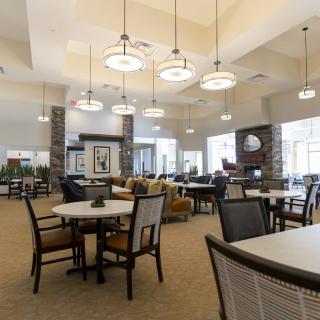
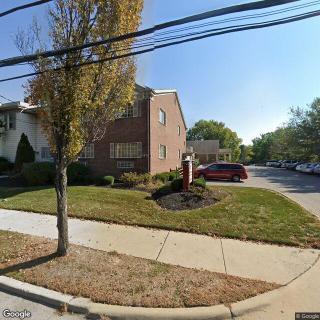
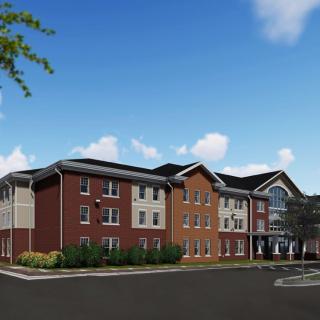
131 Moss Road, Westerville, OH 43082
For more information about senior living options: (866) 208-4318
Overall Review of Gables of Westerville
Pros
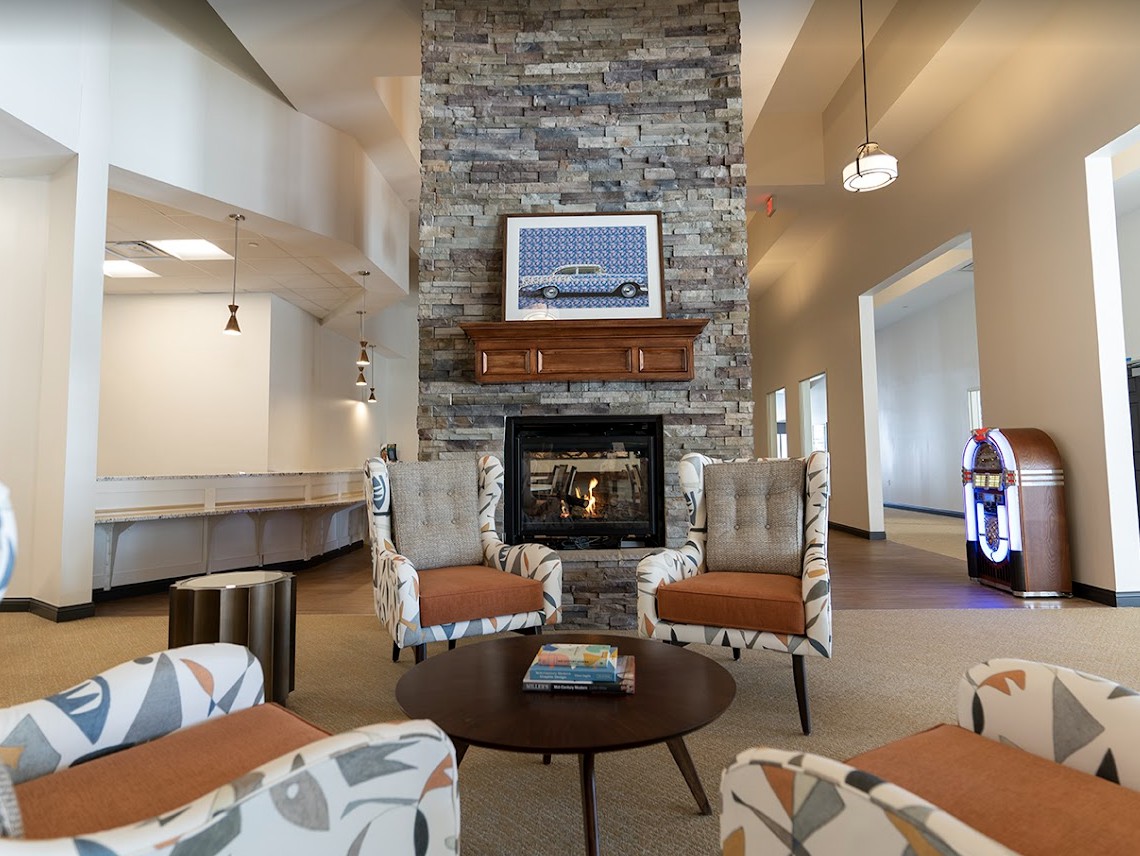
 The Gables is described as a warm and inviting home.
- The staff are friendly, professional, and genuinely caring.
- Heidi, the activities director, brings energy and compassionate care.
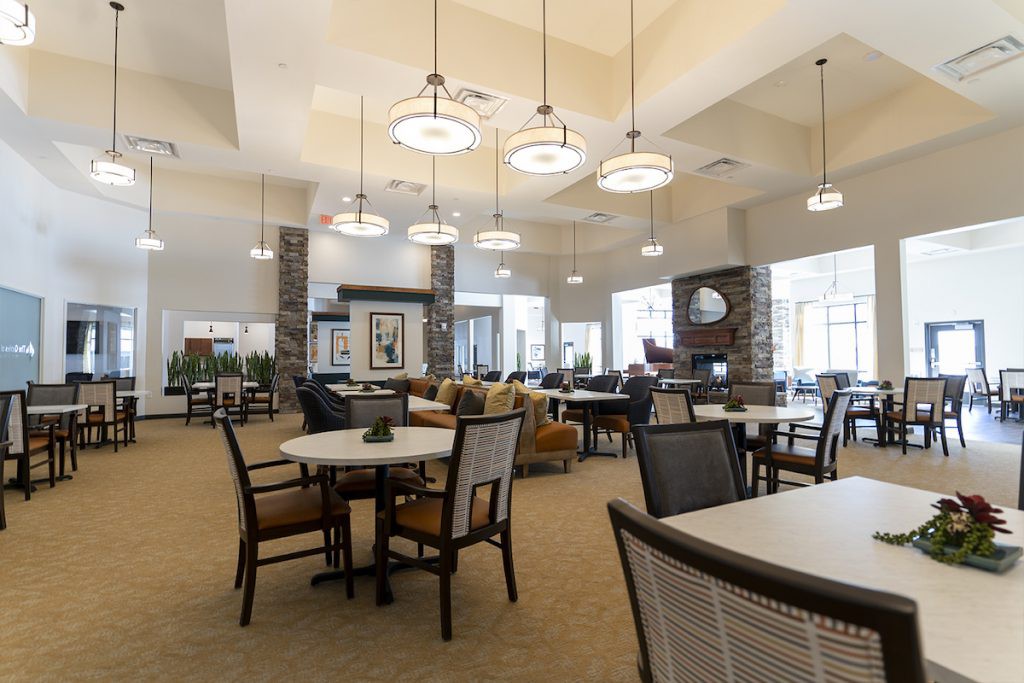
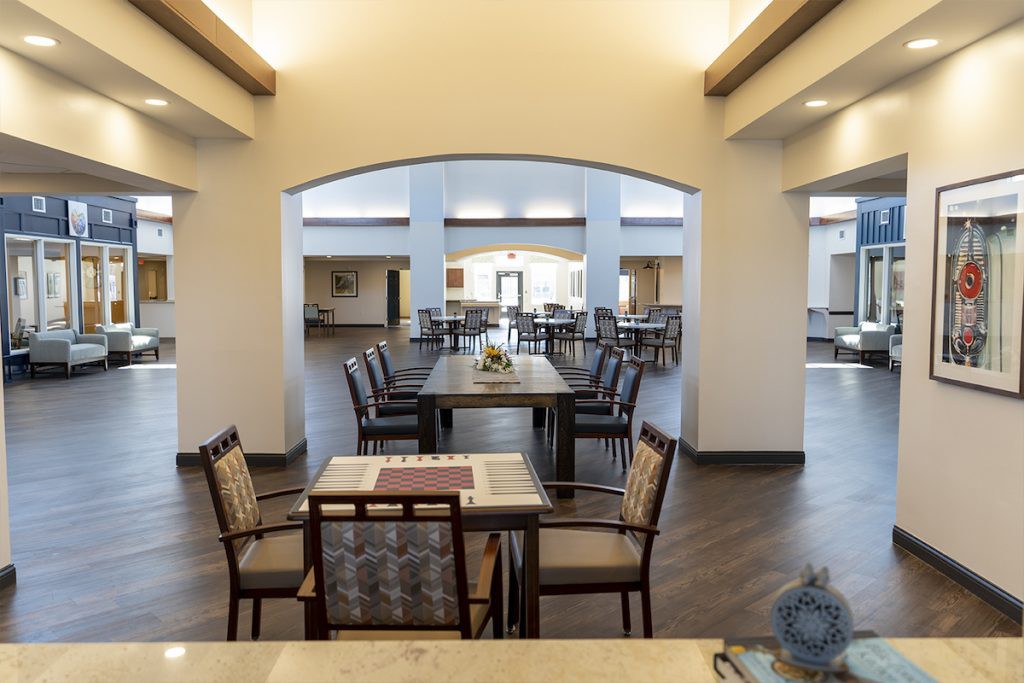
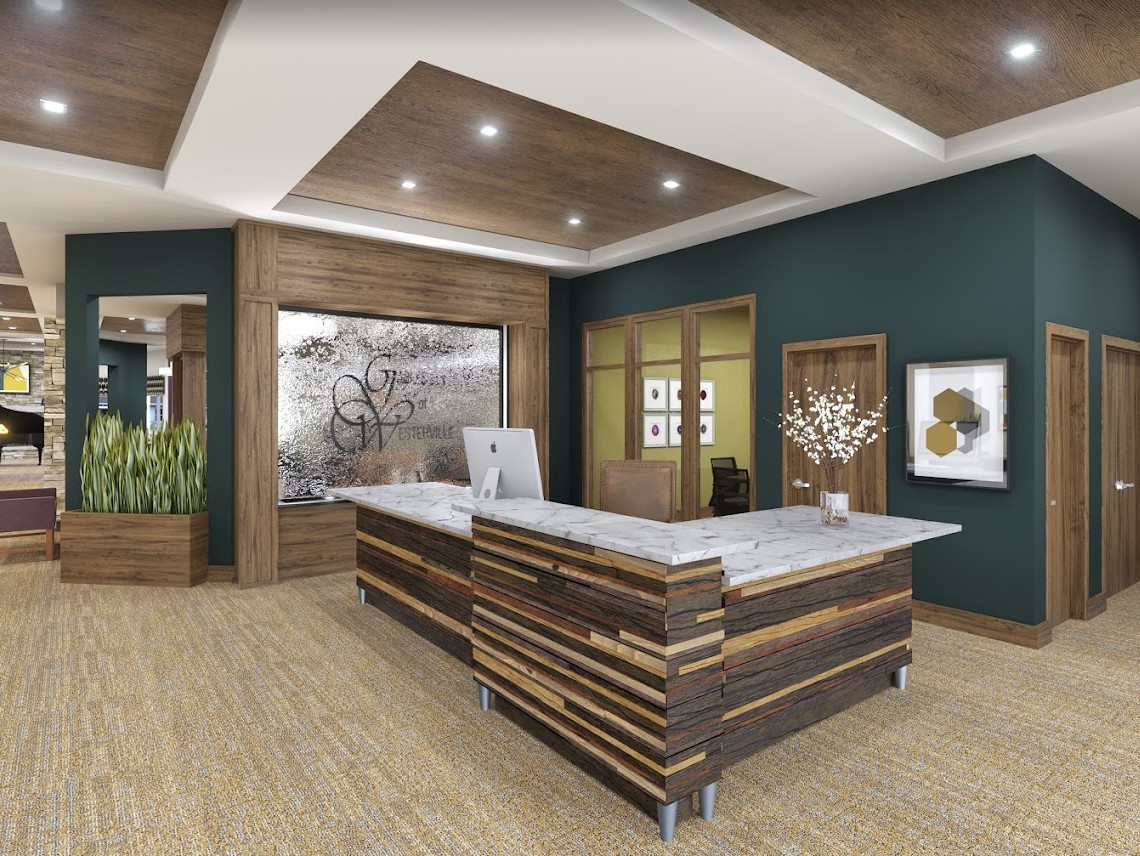
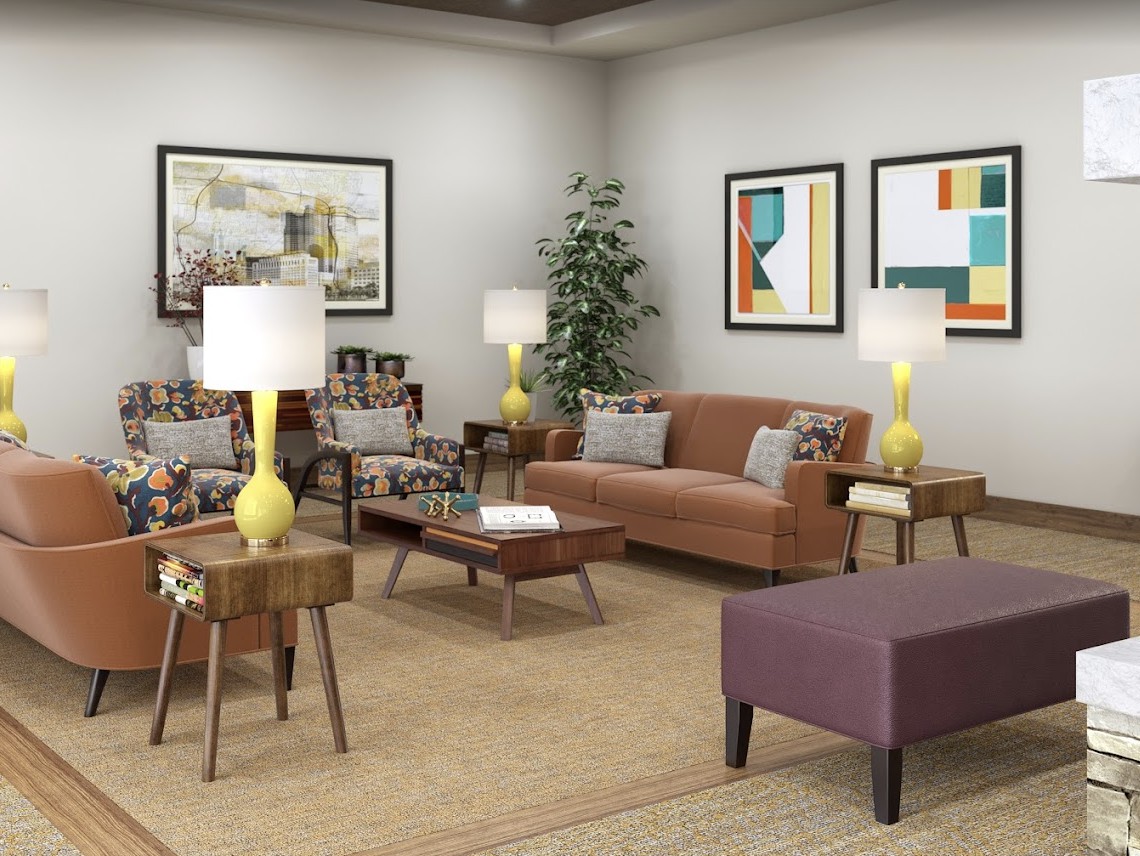
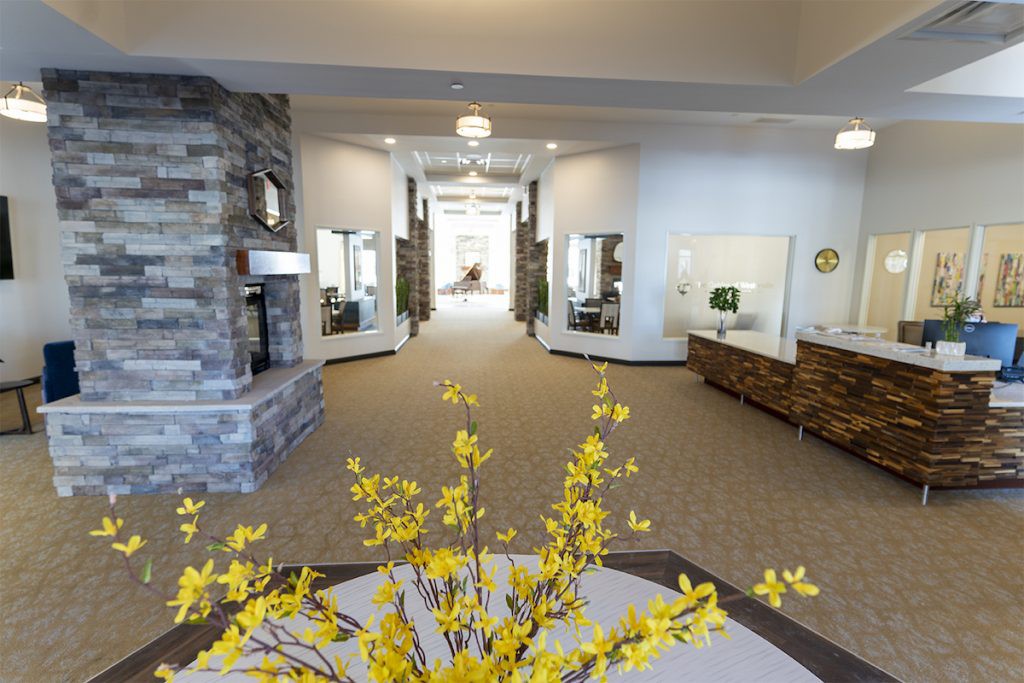
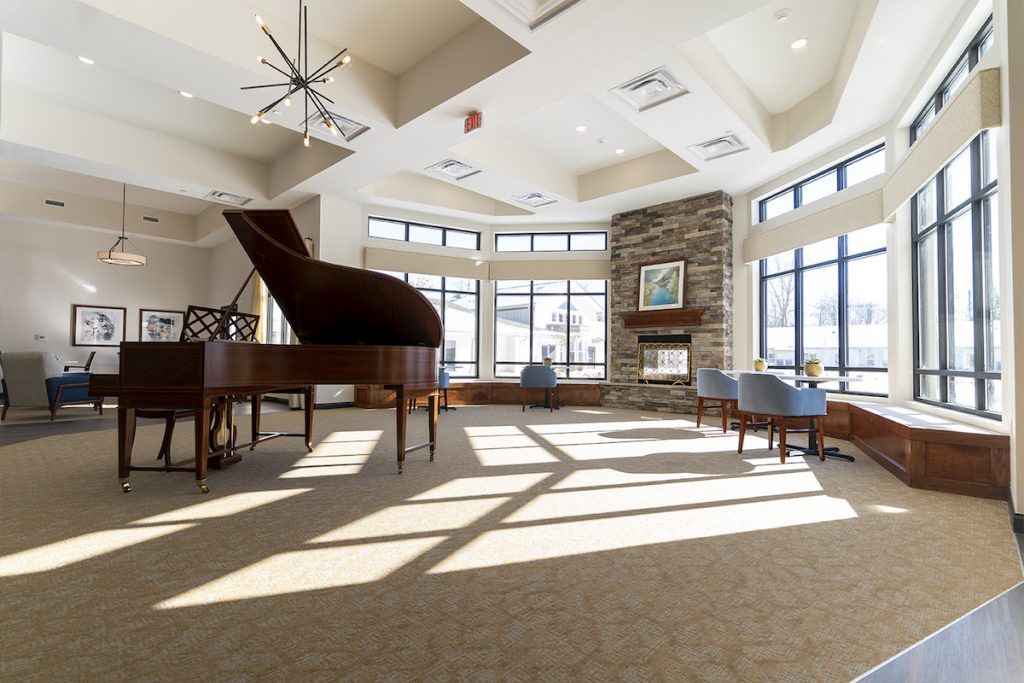
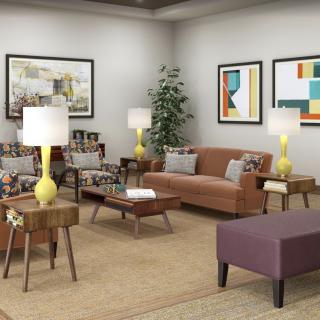
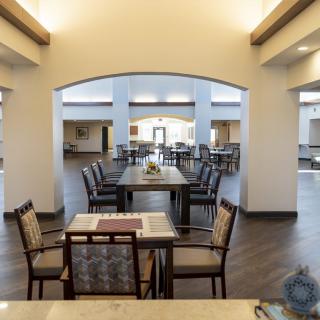
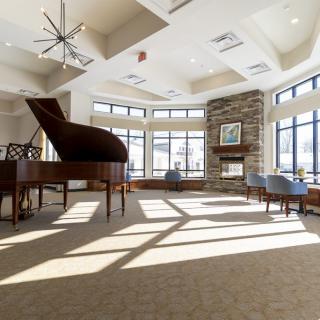
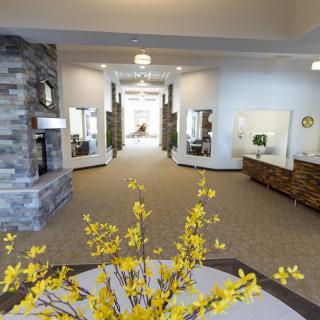
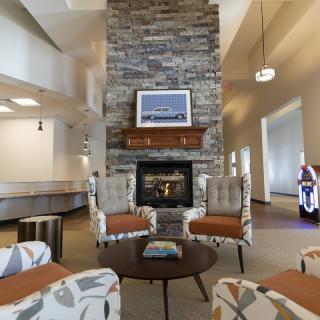
- The facility is modern, clean, bright, and well laid out.
- The director and staff feel like family to residents and partners in care.
- Memory unit care is tender, compassionate, and of high quality.
- The Gables is a state-of-the-art community with a home-like feel.
- Residents and staff are friendly, caring, and supportive of one another.
- Onsite physical and occupational therapy helps residents grow stronger.
- The team consistently calls residents by name and treats them with consideration.
- Families report peace of mind and gratitude for the care provided.
- The Gables is frequently described as five-star and highly recommended.
Cons
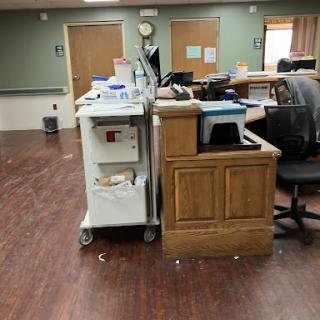
 The memory care unit’s environment was described as sterile.
 - There were no observed staff interactions with residents, who sat clustered around a TV and ate from styrofoam serveware.
- A staff member yelled at a resident three times and would not speak with her until she was seated.
- The reviewer felt unsafe leaving their mother there because she would not be permitted to have her phone.
- There was an $8,000 non-refundable community fee that prospective residents were advised of.
- The room had not yet been completely cleaned before the transfer.
Review
This community is best suited for families seeking a warm, hands-on, home-like senior living environment where staff continuity and practical nursing oversight shape daily life. The Gables of Westerville operates with a smaller, more intimate campus feel that houses independent, assisted living, and a secure memory unit, all supported by on-site physical and occupational therapy and a robust slate of social activities. Reviews repeatedly praise the warmth of the space, the ease with which residents form friendships, and the way staff members, across the spectrum from the director to the maintenance team, treat residents as individuals. For families prioritizing genuine connection, predictable routines, and a collaborative approach to care, this is a compelling option that can translate into real peace of mind during transitions from home or hospital to ongoing support.
There are clear reasons some families may want to consider alternatives. A subset of reviewers recount experiences in memory care that feel starkly different from the assisted living and independent living areas, describing the environment as sterile and noting moments when staff interactions did not meet expectations. Such discrepancies imply that memory care at The Gables can vary by unit and shift, underscoring the importance of visiting at different times and speaking directly with staff and residents. Additionally, the facility reserves a non-refundable community fee of $8,000, a substantial upfront cost that may be difficult to justify if the anticipated level of service or the long-term financial plan is uncertain. A separate concern cited involved transportation vehicle maintenance, signaling that operational reliability should be a topic of careful due diligence before committing.
The core strengths of The Gables offset these concerns in meaningful, practical ways. The campus’s intimate scale fosters a genuine sense of neighborhood and belonging, which many families find essential for easing anxiety around care changes. The staff is repeatedly described as attentive, compassionate, and professional, from nursing leadership to activities coordinators, kitchen staff, and custodial teams, creating a cohesive care experience rather than a string of discrete interactions. Notably, the director of nursing and the overall leadership have shown remarkable consistency over years, a factor that translates into coherent care plans, stable communication with families and physicians, and reliable coordination of in-house therapies. For residents with memory care needs, the care team’s demonstrated commitment and medical competence provide a confidence boost that often outweighs occasional environmental or process gaps described by critics.
When issues arise, they should be addressed directly and proactively. Families should insist on a transparent, multi-time-of-day tour of the memory unit to gauge engagement levels and the actual daily experience for residents with various needs. Request specifics on resident-to-staff ratios, the kinds of activities designed to stimulate memory and cognition, and how supplementation with hospice or palliative services is integrated. Fees deserve scrupulous scrutiny: obtain a clear, itemized breakdown of what the $8,000 community fee covers and whether any annual increases are anticipated, so that long-term affordability can be assessed against expected quality of life. Transportation concerns warrant a formal inquiry into routine maintenance schedules and a defined escalation process if a vehicle issue arises. In short, a candid dialogue with admissions and nursing leadership can align expectations with reality and prevent future letdowns.
Overall, The Gables of Westerville presents a strong, decision-focused proposition for families prepared to prioritize warmth, continuity, and a proactive care approach. It excels for loved ones moving from home care into assisted living or memory care, where a stable leadership team and consistent, personalized attention can reduce the emotional burden of transition. The strongest case rests with households that value a close-knit, staff-driven environment and a lively, engaging daily rhythm, one where residents are known by name, welcomed into activities, and supported through medical coordination that keeps caregivers aligned with primary and specialty physicians. Alternatives deserve consideration for those concerned about upfront costs, or for families seeking a strictly uniform memory-care experience with consistently high environmental benchmarks across shifts.
In the end, decisions hinge on balancing heart and practicality. The Gables offers a compelling blend of character, care, and continuity that many families will find exactly aligned with their priorities: a welcoming home where residents are treated as individuals, with staff who listen, respond, and stay engaged over time. Those whose priorities include cost transparency, a uniformly high-spec memory-care environment, or perfectly predictable operational reliability should benchmark The Gables against other options in the area and invite direct conversations about fees, staffing patterns, and the specific daily routines that will shape the loved one’s daily life. With careful due diligence, The Gables of Westerville can be the right fit for a family seeking a compassionate, stable, and socially vibrant setting that honors the dignity of aging.
 150 resident community capacity
 Assisted Living
 Independent Living
 Memory Care
 Air-conditioning
 Beauty salon
 Cable or satellite TV
 Computer center
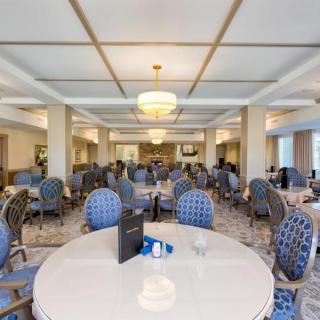
 Dining room
 Fitness room
 Fully furnished
 Gaming room
 Garden
 Housekeeping services
 Kitchenette
 Move-in coordination
 Outdoor space
 Private bathrooms
 Restaurant-style dining
 Small library
 Telephone
 Wellness center
 Wi-Fi/high-speed internet available
 John Glenn Columbus International Airport (10 miles away)
 Community operated transportation
 12-16 hour nursing
 24-hour call system
 Activities of daily living assistance
 Assistance with bathing
 Assistance with dressing
 Assistance with transfers
 Diabetes diet
 Medication management
 Mental wellness program
 Special dietary restrictions
 Transportation arrangement (medical)
 Concierge services
 Planned day trips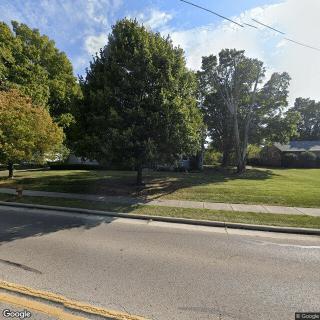


 Dementia Behaviors: In-Depth Understanding and Effective Coping Strategies
 5 Early Indicators of Dementia and What You Can Do
 8 Important Indicators That Memory Care May Be Necessary