

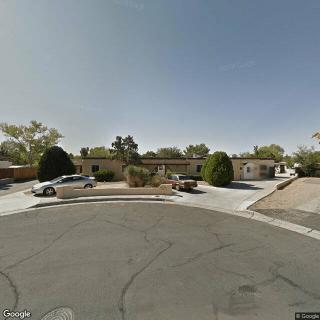
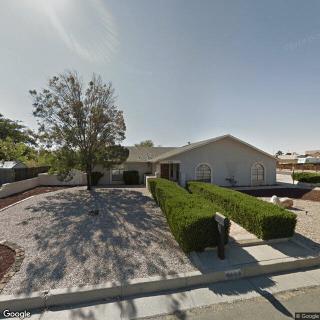
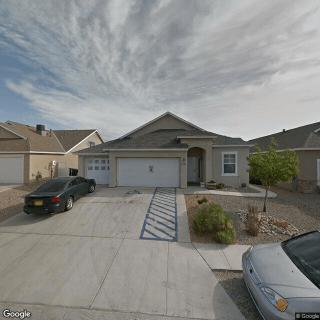
4075 Jackie Road SE, Rio Rancho, NM 87124
To contact a resident: (505) 891-1234
For more information about senior living options: (866) 208-4318

Overall Review of The Retreat & Retreat Gardens
Pros
 The Retreat specializes in memory care and provides engaging activities throughout the day.
- The staff are caring, attentive, and genuinely focused on residents' well-being.
- Meals are prepared onsite and look and smell great.
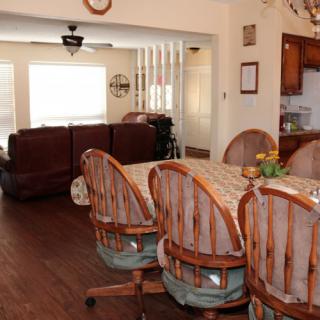
- The facility is clean, bright, and safe, with wide hallways for easy movement.
- There is a secure, enclosed outdoor area where residents can wander safely.
- Rooms are large, well furnished, and can be personalized with residents' own furniture.
Cons
 The staff who have been there the longest pick on the new ones.
- They aren’t nice and they are most definitely not helpful either.
- They yell at people in front of residents and trainees.
- The reviewer states they would never work there again.
Review
The Retreat & Retreat Gardens in Rio Rancho is best suited for families seeking a dementia-focused living option that prioritizes structured activities, a secure campus, and on-site meals for a loved one with Alzheimer’s or other forms of memory loss. This community emphasizes memory-care programming, with consistently scheduled activities, notable staff presence, and a design built to support safe wandering and engagement. For residents who crave a calm, predictable routine and a setting with bright, spacious environments, The Retreat stands out as a deliberate, purpose-built choice. It’s not merely a place to reside; it’s a focused environment designed to reduce confusion and agitation through predictable routines, social programs, and careful supervision.
However, families should consider alternatives if frontline warmth and reliability across shifts matter most. A few reviewers describe staff as unhelpful or even harsh, and suggest that lengthy staff tenures do not guarantee kindness or responsiveness to new residents. If a loved one requires exceptionally stable, consistently compassionate caregiving, or if the family prefers a smaller, more homelike setting, exploring other options may yield a better cultural fit. Also, if memory-care intensity is not essential, a standard assisted living or a non-memory-specific community might better align with needs and budget.
On the upside, the dementia-focused orientation shines in daily life: robust activity programs that respect independence, multiple meals prepared onsite, and a safety-first design that helps prevent wandering while preserving dignity. The environment includes a well-controlled exterior with enclosed, accessible outdoor space and secure entry points, reducing elopement risk without a fortress-like feel. When staff are attentive, the care team can deliver personalized attention during meals and activities, and tours consistently highlight caring, knowledgeable staff who answer questions with empathy, helping families feel hopeful about the journey ahead.
Yet the strongest caveat centers on inconsistent staff culture. Reports of long-tenured staff who are unhelpful or who yell in front of residents show up repeatedly in conversations and can undermine trust, especially for new families establishing a care plan. Those tensions don’t erase the visible strengths, but they do complicate day-to-day realities and can drive turnover. The key mitigation is proactive engagement: insist on meeting front-line caregivers, request transparent staffing schedules, and probe how administrators address behavioral issues and training. When leadership is responsive and staff receive ongoing coaching, the negative notes can be outweighed by real, reliable care.
Other elements strongly support successful dementia care here: on-site meals engineered with swallowing safety in mind, the ability to accommodate different functioning levels within the same community, and rooms that are large, often configured for two beds, with natural light and space for personal touches. The facility’s architecture and outdoor spaces invite safe exploration, while security measures, such as locks and gated areas, allow residents to wander with minimal risk. Families repeatedly highlight the care team’s professionalism and the facility’s cleanliness, underscoring that the environment is well maintained and welcoming for residents and visitors alike.
In sum, The Retreat & Retreat Gardens is a strong choice for families prioritizing dementia-specific care, structured engagement, and safety. Its proven strengths in activity programming, secure design, and in-house dining create a foundation that can offset concerns about staffing if the care team operates with consistency and clear communication. For those whose deal-breakers are uniform warmth and dependable staff across shifts, or who seek a smaller, more intimate setting, alternatives should be explored with a focused tour and candid conversations about staffing, training, and care plans. The recommended next step is a multi-visit evaluation: observe interactions, request to meet the caregiving team, and confirm how care plans are tailored to individual needs. When alignment is found, this community delivers impactful dementia care that supports families through a challenging journey.
 Memory Care
 Activities on-site
 Devotional services off-site
 Indoor common areas
 Albuquerque International (14 miles away)
 Ambulatory care
 High acuity care
 Meals provided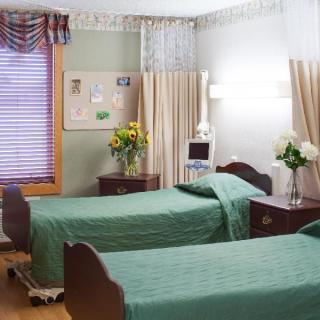



 Estimating the Expenses of At-Home Dementia Care: A Detailed Exploration
 Comprehensive Insights on the Late Stages of Dementia: What to Expect and How to Provide Care
 Medications Associated with Dementia Risk: A Comprehensive Overview