
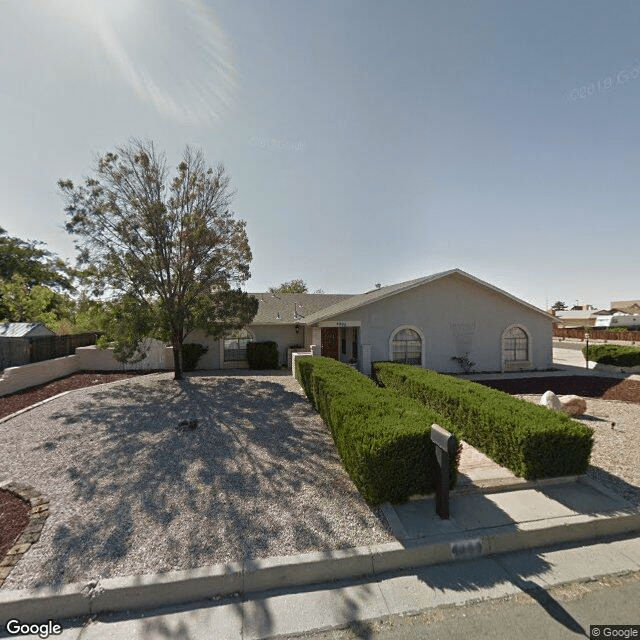
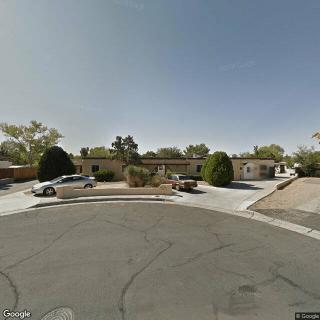
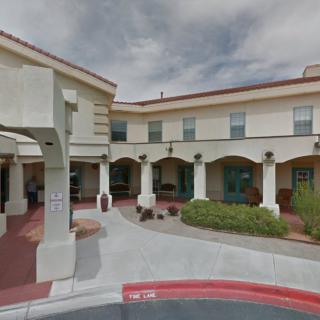
4000 Torrey Pines Rd SE, Rio Rancho, NM 87124
To contact a resident: (505) 896-1535
For more information about senior living options: (866) 208-4318
Torrey Pines Elderly Care Costs & Pricing
Torrey Pines Elderly Care offers competitive monthly rates compared to the broader market, making it an appealing option for families seeking quality care. For semi-private rooms, the cost ranges from $2,500 to $2,700, significantly lower than the average costs in Sandoval County at $3,802 and New Mexico at $3,324. Private room accommodations are also priced attractively between $3,000 and $3,690, again coming in under both Sandoval County's average of $3,889 and New Mexico's higher rate of $4,391. This pricing strategy positions Torrey Pines Elderly Care as a financially sensible choice while maintaining high standards of service for its residents.
| Floor plans | Torrey Pines Elderly Care | Sandoval County | New Mexico |
|---|---|---|---|
| Semi-Private | $2,500 to $2,700 | $3,802 | $3,324 |
| Private | $3,000 to $3,690 | $3,889 | $4,391 |
Senior living communities with a similar price nearby
-
from +$300 / mo

Home Sweet Home - Palomas Drive
$2,800 to $3,500 / month10.6 miles away -
from +$200 / mo
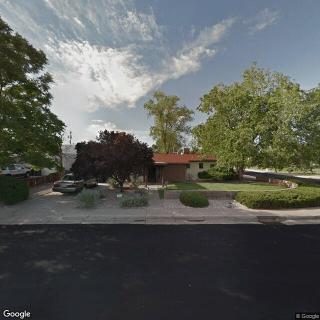
Senior Care - Arvilla
$2,700 to $3,200 / month11.0 miles away -
from +$175 / mo
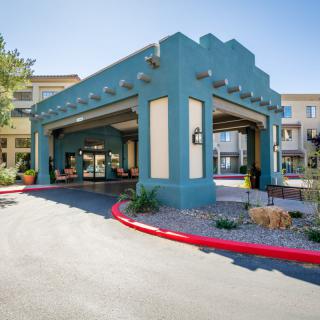
Fairwinds - Rio Rancho
$2,675 to $3,895 / month0.8 miles away -
About the same
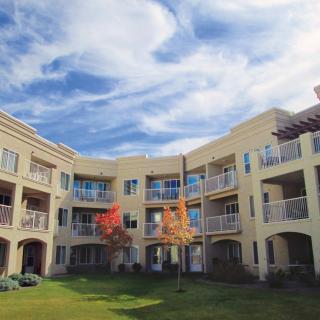
Paloma Landing
$2,485 to $4,495 / month7.7 miles away -
from -$305 / mo
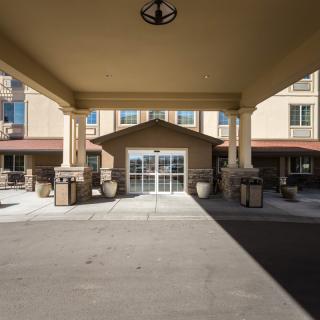
Palmilla Senior Living
$2,195 to $3,910 / month3.0 miles away
Overall Review of Torrey Pines Elderly Care
Pros
 The patient is nice.
- The patient is described as nice.
Cons
 The place is a bit rundown.
Review
Torrey Pines Elderly Care in Rio Rancho is best suited for seniors who want a quiet, private living arrangement and do not require intensive daily hands-on support. The reviews depict a setting where a caregiver is on site but tends to stay in the background, rather than actively supervising or engaging residents. In practical terms, this community fits families seeking a simple, low-disruption option with dignity and personal space, rather than a high-touch, modern facility. For residents who prize privacy and a calm, single-room dynamic, this can be adequate, so long as expectations are aligned with the level of hands-off care described by those on the ground.
Three reviews across a small sample yield a mixed signal: one-star dissatisfaction paired with two more neutral to modestly positive notes. The overall 2.3 rating signals meaningful limitations, especially for anyone hoping for consistent, proactive care. That score points to a mismatch for seniors who rely on frequent assistance, social engagement, or structured routines. Alternatives with more robust staffing, more frequent resident interaction, and clearer maintenance of common areas should be on the short list for families prioritizing safety, engagement, and after-care support. In short, this is not the best fit for those who need regular help with mobility, medication management, or daily living tasks.
Pros are limited but real: the presence of a caregiver in the building offers a basic safety net and preserves the dignity of having a private room. The privacy and calm of individual rooms matter, and for some residents, that independence is worth the trade-off. However, these advantages are undermined when staff engagement remains passive, sitting in a living room reading rather than actively assisting or guiding daily routines. The contrast between a quiet environment and the level of hands-on care available is a deciding factor; the apparent gap in proactive support can erode confidence quickly, especially for families watching for responsive care.
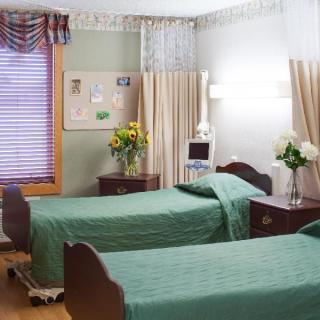
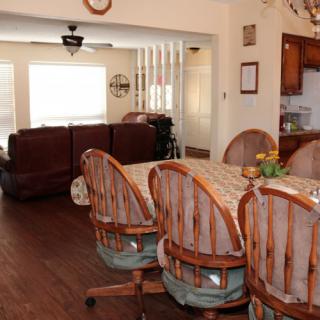
The most pronounced drawbacks center on condition, ambience, and programming. The reviews describe the facility as “nice but a bit rundown,” with little evidence of active programming to counter isolation or boredom. A telling observation, one patient alone in her room while the caregiver attends to nothing beyond passive presence, illustrates a systemic mismatch between care expectations and service delivery. The risk is isolation, neglected tasks, and delayed responses during moments requiring assistance. For seniors with evolving needs or those who crave companionship and routine, the environment falls short. Even routine maintenance issues can degrade trust when residents feel overlooked.
Families evaluating this community should demand concrete answers before moving in. Request a full tour at different times of day to gauge staffing patterns, response times, and the consistency of care. Inquire about daily schedules, medication administration practices, meal quality, housekeeping, and maintenance responsiveness. Ask about staff-to-resident ratios and how often care plans are reviewed and updated. Observe interactions between caregivers and residents, and probe for opportunities for social engagement, outings, or in-house activities. Verify room safety features, alarm systems, and how promptly maintenance requests are resolved.
Bottom line: Torrey Pines Elderly Care delivers privacy, a quiet environment, and a basic safety net, but it struggles with proactive, hands-on care and facility upkeep. For families prioritizing daily assistance, social stimulation, and reliable maintenance, it is wise to look elsewhere and compare options with higher staffing levels and more engaged programming. If the decision centers on cost-conscious, low-demand care where independence remains the anchor, this community can be a workable stopgap, but only with clear expectations and a plan to supplement care needs from family or external providers.
 Board and Care Home
 Activities off-site
 Bath tubs
 Indoor common areas
 Outdoor common areas
 Private
 Private bathrooms
 Respite or short term stays offered
 Wheelchair accessible showers
 Albuquerque International (14 miles away)
 Ambulatory care
 High acuity care
 Incontinence care
 Meals provided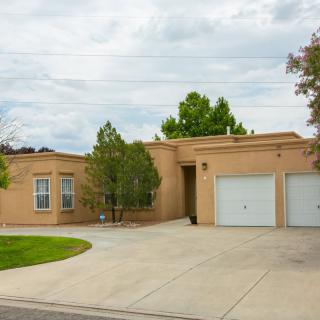


 Comprehensive Guide to Medicare Coverage for Hospice Care
 Caring for Those Who Care: Recognizing, Understanding, and Overcoming Caregiver Burnout
 Caregiver Exhaustion: Recognizing the Signs and Restoring Your Well-Being