

4141 N Third Street, Phoenix, AZ 85012
To contact a resident: (602) 248-1572
For more information about senior living options: (866) 208-4318
AZ State Veteran Home Costs & Pricing
The costs associated with residing at the AZ State Veteran Home in Arizona reflect a commitment to quality care for veterans, yet they are notably higher than the average rates seen in both Maricopa County and across the state. For example, a semi-private room at the AZ State Veteran Home is priced at $3,750 per month, significantly exceeding the county's rate of $2,801 and slightly above the state average of $2,820. Similarly, one-bedroom accommodations come at $3,990, while Maricopa County averages $3,473 and Arizona's overall average is $3,532. The price steepens further with private rooms costing $4,800 compared to Maricopa's more affordable $3,318 and Arizona's statewide figure of $3,345. These figures highlight not only the premium aspect of care available at the veteran home but also underscore the broader financial landscape for long-term care services within the region.
| Floor plans | AZ State Veteran Home | Maricopa County | Arizona |
|---|---|---|---|
| Semi-Private | $3,750 | $2,801 | $2,820 |
| 1 Bedroom | $3,990 | $3,473 | $3,532 |
| Private | $4,800 | $3,318 | $3,345 |
Skilled Nursing Facilities with a similar price nearby
-
from +$570 / mo

Westchester Care Ctr
$4,320 to $5,040 / month12.0 miles away -
from +$150 / mo
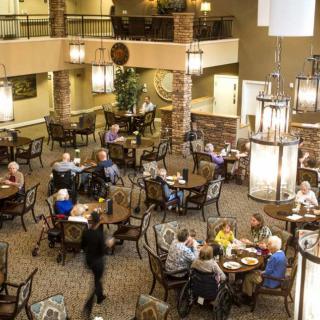
Solana at the Park
$3,900 to $5,500 / month20.6 miles away -
from +$150 / mo
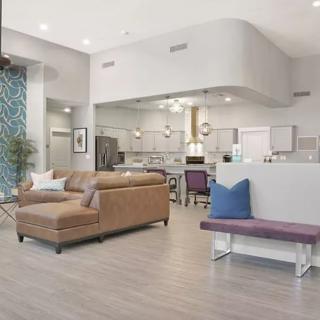
Hacienda Del Rey
$3,900 to $5,200 / month15.5 miles away -
from +$540 / mo
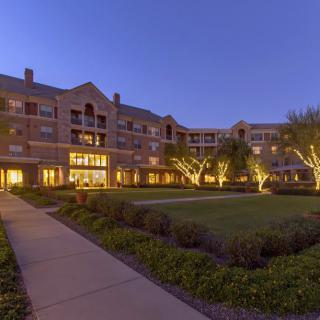
Vi at Silverstone
$4,290 to $7,259 / month16.0 miles away -
from +$450 / mo

Hearthstone of Sun City
$4,200 to $5,040 / month15.4 miles away
Overall Review of AZ State Veteran Home
Pros
 The facility provides the absolute best of care.
- The staff are amazing, caring, respectful, kind, and competent.
- The facility is top-notch.
- The staff are absolutely wonderful.
- End-of-life care here could not have gone better.
- Robyn, the head nurse in the C2 unit, is caring, compassionate, and responsible at every step.
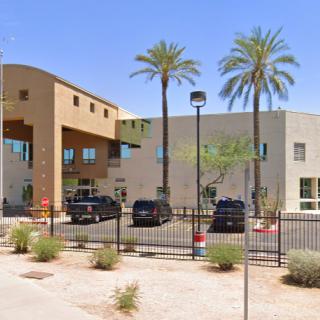
- The home is a beautiful, newer vet facility, and Richard at the front desk is a great man.
- The staff are super friendly, the facility is clean, and great vets live there.
- It is a great place for veterans to receive treatment.
- They take great care of residents; they are friendly, professional, and security is great.
Cons
 The reviewer claims the facility is a hospice, not a home, with substandard patient care and caregivers who come and go like water.
- The family reports their mother died there from Covid and that no one has accepted responsibility for the loss and heartache.
- The reviewer notes the mother had ICU stays for severe UTIs and that staff rarely helped her, plus a server delivered food to rooms with staff not consistently wearing masks.
- The family cites delays in returning their mother’s belongings and a lack of accountability for the losses.
- A reviewer describes a CNA named Robert as cold and rude to an elderly resident and as harming him during lifts.
- A reviewer laments that the cubicles in unit D2 are too small, leaving residents feeling cramped.
Review
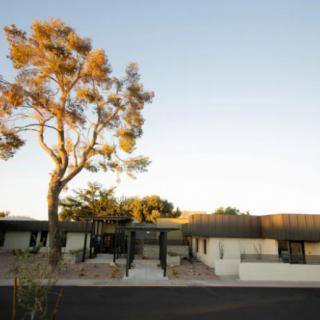
Arizona State Veterans Home in Phoenix is best suited for veterans and their families who want a facility with a mission-driven staff, strong nursing leadership, and an active, community-oriented environment. The campus has earned praise for care delivered by a team that is described as compassionate, respectful, and highly capable, with families repeatedly noting how staff treat residents like family. The setting is newer and purpose-built for the veteran community, and multiple reviews highlight a culture that emphasizes dignity, routine medical oversight, and meaningful engagement through activities, worship, and social programs. In short, this community is a solid match for residents who value a veteran-centric atmosphere, attentive caregiving, and a staff that shows up consistently in the care relationship.
Those considering alternatives should step back if independence and privacy are primary priorities, or if a strict non-hospice, long-term home environment is desired. Some reviews describe experiences that lean toward hospice care with restricted movement and smaller living spaces, and a few families raised concerns about consistency of care and turnover among caregivers. For families seeking a setting with very expansive private rooms, ultra-private care plans, or a highly uniform bedside experience across shifts, there may be other facilities that better align with those expectations. Likewise, if accountability and a track record of seamless, issue-free communication about difficult situations are nonnegotiable, alternative options deserve consideration.
The core strengths of ASVH, exceptional staff, a clean and welcoming environment, and robust activity programming, offer meaningful offsets against the more challenging reports. Families repeatedly praise frontline caregivers for kindness, competence, and genuine engagement with residents. Nursing leadership and a culture of respect show up in the tone of daily interactions, with residents staying actively involved in church services, rehab routines, and ongoing social events. The facility’s emphasis on veteran identity, plus practical supports for daily living, translates into better mood, improved participation in therapies, and a sense of purpose for many residents. When care teams are aligned and attentive, these advantages become decisive for families weighing long-term placement.
More granular positives surface in the lived experiences of several residents and families. Testimonials describe a “best by far” nursing home experience for a parent with dementia, steady recovery support in rehab units, and staff who greet visitors warmly and maintain high professional standards. The D2 unit, in particular, is cited by residents as having dedicated nursing and therapy staff who deliver attentive care, while the security and administration are described as professional and helpful. Across units, families frequently mention the friendliness of staff, the availability of assistance with daily tasks, and a schedule of activities that keeps residents socially engaged and cognitively stimulated. These elements collectively reinforce the community’s reputation as a place where veterans receive comprehensive, compassionate care.
Still, the review landscape includes meaningful cautions. A few families reported experiences they interpreted as substandard care or personnel issues, including incidents with individual aides and concerns about how certain needs were addressed. Privacy and space limitations also appear as recurring themes; some residents feel cramped in cubicles, and the overall layout may not meet expectations for larger private rooms. Additionally, consistency of caregiving, particularly during transitions between shifts or units, emerged as an area to watch. These are not universal failures, but they are credible signals to verify during a visit and to factor into the decision-making process alongside the strong, positive testimony.
Ultimately, ASVH stands out for families who prize a veteran-focused environment, deeply caring staff, and a programmatic commitment to keeping residents active and connected to their community. The strongest advice is to visit with a concrete plan: speak to the unit managers about staffing stability, request to observe care interactions on several shifts, and tour both rehab and end-of-life care areas to gauge how privacy, space, and dignity are preserved in practice. For those who value dignity, respect, and a family-like culture in a modern, purpose-built setting, ASVH is a compelling option. However, families seeking greater independence, larger private living spaces, or a consistently non-hospice climate may prefer to explore alternatives that align more closely with those preferences.
 Day Program
 Memory Care
 Skilled Nursing Facility
 Private
 Phoenix Sky Harbor International (6 miles away)



 Are Dementia and Alzheimer's Disease Lethal? A Comprehensive Exploration
 Exploring the Power of Reminiscence Therapy for Individuals With Dementia
 An In-Depth Look at Reminiscence Therapy in Dementia Care