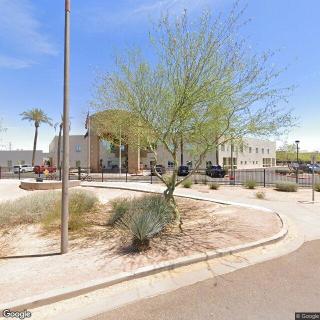
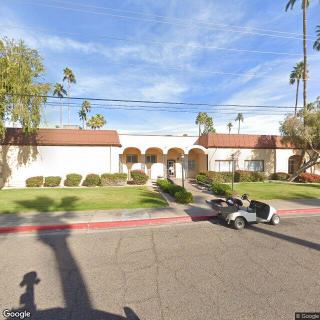
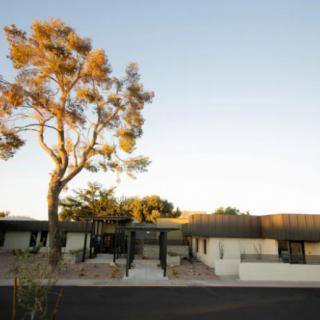
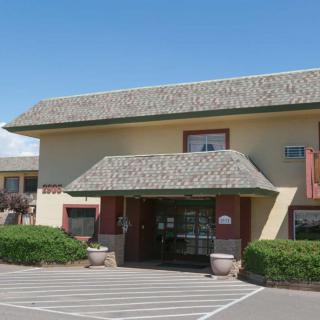
Bridgewater Assisted Living-Midtown

Save
Bridgewater Assisted Living-Midtown

Bridgewater Assisted Living-Midtown

4000 N 3rd Avenue, Phoenix, AZ 85013

For more information about senior living options: (844) 490-3973

3.6 from 38 reviews
5 stars
23
4 stars
1
3 stars
1
2 stars
1
1 stars
12

Assisted Living

Bridgewater Assisted Living-Midtown Costs & Pricing

Bridgewater Assisted Living-Midtown offers a private room at a monthly cost of $5,800, which is significantly higher than the average rates for both Maricopa County and the broader state of Arizona. In comparison, the average monthly cost for assisted living in Maricopa County stands at approximately $3,318, while the state average is slightly higher at around $3,345. This discrepancy highlights Bridgewater's positioning as a premium option within the assisted living market, likely reflecting enhanced services and amenities that cater to residents seeking a higher standard of care and comfort.

Floor plansBridgewater Assisted Living-MidtownMaricopa CountyArizona
Private$5,800$3,318$3,345

What level of care are you interested in?

Assisted Living

Memory Care

Independent Living

Skilled Nursing Facility

Continuing Care Retirement Community (CCRC)CCRC

Other


Request a tour at Bridgewater Assisted Living-Midtown

    Overall Review of Bridgewater Assisted Living-Midtown

    Pros

    • pro The Silver Birch of Midtown has made amazing changes in the community with an impressive management team and many happy residents.
    • pro The facility feels like home, with smiling residents, friendly staff, and frequent activities that foster a family atmosphere.
    • pro The new leadership genuinely cares about residents and ensures their needs are met, and the facility is spotless and well-maintained.
    • pro The community is beautiful, clean, and well-maintained, with kind, attentive staff who truly care about the residents, creating a welcoming, positive atmosphere.
    • pro The food is absolutely delicious.
    • pro The staff relay messages quickly when family cannot reach their loved ones, enhancing communication.
    • pro Amenities such as an on-site gym for physical therapy and a dedicated theater room provide valuable options for residents.
    • pro Daily activities on and off-site, including salon services, contribute to residents' enjoyment and quality of life.

    Cons

    • pro Medications are consistently late, and residents can be left unfed if they can't reach the kitchen, with phones unanswered and the front door broken.
    • pro Emergency call buttons can take an hour or more to get a response, especially at night.
    • pro Staffing is severely under-resourced, resulting in a skeleton crew that struggles to provide adequate care.
    • pro Management is described as abusive and neglectful, at times alleged to be criminal.
    • pro Residents have suffered falls and injuries due to unresponsive staff and unanswered call lights, with delayed family notification.
    • pro Management discourages complaints and pressures families to move loved ones to hospice care to reduce costs.
    • pro Promised amenities (such as an on-site gym and theater) are not utilized or maintained.
    • pro A staff member named Erica is described as rude and unsuitable for the residents' advocate role, harming the experience.
    • pro The overseeing company is accused of prioritizing profits over resident well-being and engaging in questionable practices.
    • pro Communication with families is poor, with delayed key fob issuance, limited supervisor access, and refusals to provide explanations.
    • pro In memory care, promises to handle all dementia levels were not met, leading to injuries and pressure to relocate the resident.

    Review

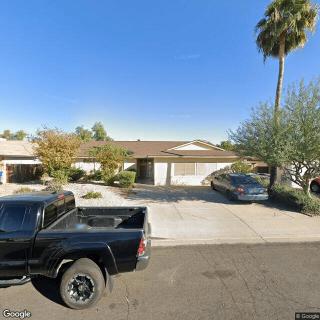
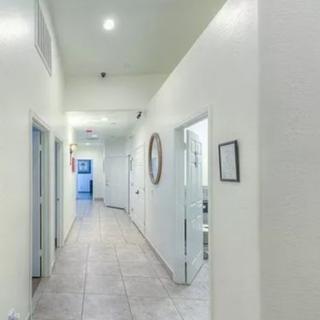
    The Silver Birch of Midtown, which used to be known as Bridgewater, has become a focal point for mixed experiences since its leadership change in March 2025. On the surface, many describe a facility that is making meaningful progress under a new team, with reports of happier residents, a brightening atmosphere, and a level of care that feels more attentive than in the past. Several reviewers highlight a sense of community, with management that seems genuinely engaged and a staff presence that many residents seem to appreciate. The facility is repeatedly praised for its cleanliness and for cultivating a home-like environment where residents appear to be surrounded by smiling faces and positive energy. In several accounts, the emphasis on activities and social gatherings is clear: there are regular events, off-site outings, and opportunities for residents to connect, which lends the place a warm, family-like feel.

    Beyond the general atmosphere, some residents and families speak warmly about specific aspects of daily life. The on-site amenities - such as access to a salon, regular activities, and calendars that keep families in the loop about plans - are cited as positive touches that contribute to a sense of normalcy and routine. One reviewer notes that their loved one has thrived with ongoing medical care, frequent updates when calls can't be answered, and a consistent line of communication with staff. The sense of belonging is a recurring thread, with many residents described as feeling well cared for and part of a supportive community where staff members are attentive and kind, and where the overall environment remains welcoming and well-maintained.

    But the overall picture is not without sharp contrasts. A substantial portion of the reviews raise serious concerns about care gaps and operational shortcomings. Specific complaints include medications that arrive late, and situations where residents who are injured or otherwise unable to make meals find it difficult to receive timely care or feeding. Several writers mention nonfunctional or poorly responsive systems - phones that aren't answered and a front door that doesn't work - which compounds the frustration for families trying to reach staff in urgent moments. These issues point to a disconnect between the perceived improvements in atmosphere and the more concrete, day-to-day challenges that affect safety and reliability.

    Historical echoes of prior management struggles also surface in a number of reviews. One heartbreaking account recounts severe care failures in the memory care unit under Bridgewater's era, with a sister experiencing multiple injuries after falls and a concerning delay in communication with family during a critical time. The story describes a pattern of neglect that escalated during the height of the Covid period, culminating in multiple fractures and a request to transfer the resident out of the facility. The tone in this recounting is stark: management was described as rude, and there were explicit accusations of negligence and intimidation. The reviewer emphasizes that the problems extended beyond a single incident and left a lasting impression of a facility that could not, at that time, provide the level of care promised in its marketing.

    Other reviews widen the lens further, portraying a broader sense of systemic issues. There are assertions that "much of the cleaning and care staff" are capable and helpful, but that the management side can be abusive or neglectful, with the company overseeing operations described in severe terms. The sense of decline extends to staffing levels that were already insufficient years ago and only worsened during the pandemic. Reported consequences include delayed emergency responses, a hostile climate for families who push back on insufficient care, and a perception that management would discourage families who protested or insisted on higher-quality care. Some commentators describe the situation as so troubling that they consider it illegal or criminal, reflecting deep anxiety about the protections and oversight in place for vulnerable residents.

    Despite the breadth of concern, there are still moments of reassurance in the narratives. A review from a family member highlights continuous medical attention and responsive support for their mother, who is content with the food, enjoys daily activities, and appreciates the opportunity to use the on-site salon at a discount. The reviewer notes that staying in touch with case managers helps maintain alignment on care plans, underscoring how crucial communication is to their sense of security. However, even within this more hopeful account, there are warnings about communication gaps - such as a hospitalization and intubation that were not promptly relayed to the family - and delays in receiving promised items like a key fob, which left the family feeling unsupported and compelled to escalate to corporate channels.

    A recurring focal point in several negative testimonials is a particular staff member identified by name, Erica. Multiple reviewers criticize her communication style and question her suitability for a residents' advocate role, describing rude tones, poor availability, and a pattern of disengaging from families who need information and clarity during critical moments. These criticisms tend to color the broader narrative about management, with some reviewers attributing more systemic problems to leadership decisions and a perceived lack of accountability. The repeated mention of Erica amplifies a sense of ongoing friction between families and the administrative layer, even among those who otherwise commend the facility's cleanliness or the friendliness of certain care staff.

    Taken together, the collection of experiences paints a facility at a crossroads. On one hand, there is clear praise for a cleaner environment, actionable activities, and the impression that leadership is attentive and capable of fostering a family-like atmosphere. On the other hand, persistent concerns about medication administration, timely call responses, consistent communication with families, and the overall safety and reliability of care, especially in the memory care unit, cast a long shadow. The stories of past neglect, combined with current reports of staffing challenges and a few troublesome interactions with management, suggest that while significant improvements may be underway, residents and their families continue to navigate a complex landscape of care quality, accountability, and open lines of communication as they consider the best possible living situation for their loved ones.

    Features

    Types of Care

    • Assisted Living Assisted LivingAssisted living facilities provide crucial support and care for seniors who may need help with daily tasks such as medication management, bathing, and meal preparation. These communities offer a safe and comfortable environment where seniors can maintain their independence while receiving the assistance they need to thrive in their golden years.

    Amenities

    • Activities on-site Activities on-siteActivities on-site are important for seniors because they provide opportunities for socialization, mental stimulation, physical activity, and overall well-being. Engaging in activities can help seniors stay active, maintain their independence, and improve their quality of life.
    • Devotional services off-site Devotional services off-siteDevotional services off-site are important for seniors as they provide spiritual nourishment, social engagement, and a sense of community outside of the senior living facility. This can enhance overall well-being and help combat feelings of isolation and loneliness often experienced by older adults.
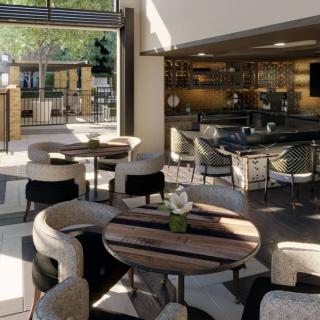
    • Indoor common areas Indoor common areasIndoor common areas are crucial for seniors as they provide a space for socialization, recreation, and community engagement, promoting overall well-being and reducing feelings of isolation and loneliness.

    Transportation

    • Phoenix Sky Harbor International (6 miles away) Phoenix Sky Harbor International (6 miles away)

    Care Services

    • Ambulatory care Ambulatory care"Ambulatory care services provide essential medical support and treatment to seniors without requiring hospitalization, allowing them to maintain their independence and quality of life while managing chronic conditions or receiving routine medical care."
    • Diabetic care Diabetic careDiabetic care is crucial for seniors as they are more susceptible to developing diabetes due to aging and other health conditions. Proper management of diabetes can help prevent complications such as heart disease, vision loss, and nerve damage, improving the overall quality of life for seniors in senior living communities.

    Dining

    • Meals provided Meals provided"Meals provided" are crucial for seniors in assisted living communities as it ensures they have access to nutritious, balanced meals without the stress of meal planning and preparation. This can help promote overall health and well-being for seniors who may have limited mobility or cognitive abilities.

    Activities

    • Activities on-site Activities on-siteActivities on-site are important for seniors because they provide opportunities for socialization, mental stimulation, physical activity, and overall well-being. Engaging in activities can help seniors stay active, maintain their independence, and improve their quality of life.
    • Devotional activities offsite Devotional activities offsiteDevotional activities offsite are important for seniors because they provide social engagement, spiritual growth, and a sense of community outside of their living environment. This can improve overall well-being, mental health, and combat feelings of isolation or loneliness.

    Description

    Bridgewater Assisted Living-Midtown in Phoenix, AZ offers a comforting and supportive environment for older adults who require assistance with daily tasks. Our community is conveniently located near various amenities and services, ensuring that residents have easy access to everything they may need.

    At Bridgewater Assisted Living-Midtown, we prioritize the spiritual well-being of our residents by offering devotional services off-site. This allows individuals to nurture their faith and find solace in a supportive community. Additionally, our indoor common areas provide a welcoming space for socializing and engaging in activities with fellow residents.

    For those with specific medical needs, we provide specialized care for individuals with diabetes. Our trained staff members are equipped to support residents in managing their condition and maintaining their overall health.

    Residents at Bridgewater Assisted Living-Midtown can enjoy a variety of activities that cater to their interests and preferences. We organize devotional activities off-site, giving individuals the opportunity to engage in spiritual practices beyond our community walls.

    Our location boasts numerous nearby amenities that enhance the convenience and quality of life for our residents. With 14 cafes, 39 restaurants, and 4 transportation options nearby, there is no shortage of dining options or opportunities to explore the local area. Additionally, having 4 parks nearby offers the chance for peaceful walks or outdoor recreation. For healthcare needs, there are 13 pharmacies, 7 physicians' offices, and 8 hospitals within close proximity.

    Residents will also find comfort knowing that there are 4 places of worship nearby for their spiritual needs as well as a theater for entertainment options.

    At Bridgewater Assisted Living-Midtown in Phoenix, AZ, we strive to provide a vibrant and inclusive community where individuals can age gracefully while receiving the assistance they need.

    Nearby Places of Interest

    This area of Phoenix, Arizona, offers a convenient and diverse range of amenities for senior living. With multiple pharmacies, hospitals, and physicians within close proximity, residents can easily access healthcare services. There are also plenty of dining options including fast food restaurants like Taco Bell and McDonald's, as well as sit-down establishments like George & Dragon Restaurant and Federal Pizza. For leisure activities, there are cafes such as Lux Central and Dark Hall Coffee nearby, along with parks like Encanto Park and Margaret T. Hance Park for outdoor recreation. Additionally, transportation options like the METRO stations provide easy access to different parts of the city. Overall, this area provides a well-rounded living experience for seniors with various amenities and services readily available.

    Restaurants

    • Taco Bell (0.2 miles)
    • McDonald's (0.3 miles)
    • George & Dragon Restaurant (0.4 miles)
    • Kobalt (0.8 miles)
    • Del Taco (1.2 miles)
    • Federal Pizza (1.4 miles)
    • Windsor (1.4 miles)

    Pharmacies

    • Walgreens (0.5 miles)
    • CVS Pharmacy (0.8 miles)
    • CVS Pharmacy (1.2 miles)
    • CVS Pharmacy (2.1 miles)
    • Walgreens (2.2 miles)
    • CVS Pharmacy (2.2 miles)
    • Walgreens (2.9 miles)

    Cafes

    • Lux Central (0.5 miles)
    • Dark Hall Coffee (0.5 miles)
    • Starbucks (1.5 miles)
    • Starbucks (2.1 miles)
    • Panera Bread (2.4 miles)
    • Fair Trade Cafe (2.4 miles)
    • Lola Coffee (2.4 miles)

    Hospitals

    • Carl T Hayden VA Medical Center, Recreation Therapy (0.7 miles)
    • St Josephs Neurological ICU (0.8 miles)
    • St Joseph's Hospital & Med Center: Deguzman Brian J MD (0.9 miles)
    • Banner – University Medical Center Phoenix (2.4 miles)
    • Abrazo Central Campus (2.5 miles)
    • Surgical Specialty Hospital Of Arizona (2.9 miles)
    • Maricopa Medical Center (4 miles)

    Physicians

    • Arizona Eye Specialists (0.7 miles)
    • Dignity Health Peppertree Family Medicine (0.9 miles)
    • Phoenix Skin Medical Surgical Group (1.2 miles)
    • SimonMed Imaging - Phoenix (1.3 miles)
    • Keystone Natural Family Medicine (2 miles)
    • Banner Family Medicine Center (2.5 miles)
    • Bethany Women’s Healthcare (4 miles)

    Transportation

    • Thomas/Central Ave METRO (1 miles)
    • METRO McDowell/Central Ave (2 miles)
    • Airport Rent-A-Car (4.2 miles)
    • Hertz Rent A Car (4.8 miles)

    Places of Worship

    • First United Methodist Church of Phoenix (1.6 miles)
    • Roosevelt Community Church (2.5 miles)
    • Primera Iglesia United Methodist Church (3.7 miles)
    • Open Door Fellowship Church (4.6 miles)

    Parks

    • Encanto Park (1.7 miles)
    • Margaret T. Hance Park (2.3 miles)
    • Granada Park (2.9 miles)
    • Royal Palm Park (4.6 miles)
    • Phoenix Mountain Preserve (5.3 miles)

    Theaters

    • AMC Arizona Center 24 (2.9 miles)

    Frequently Asked Questions

    How much does it cost to live at Bridgewater Assisted Living-Midtown in Phoenix, AZ?
    Where is Bridgewater Assisted Living-Midtown?

    Nearby Communities

    Related Resources

    • does medicare pay for assisted livingMedicare Coverage for Assisted Living: An In-Depth Exploration

      Medicare does not cover assisted living costs, as it focuses on acute medical needs and short-term care, with exceptions for certain medically necessary services like physical therapy. Individuals must explore other options such as Medicaid, veterans' benefits, or long-term care insurance to manage these expenses effectively.

    • assisted living vs nursing homeChoosing the Right Senior Care: A Detailed Exploration of Assisted Living and Nursing Homes

      Choosing between assisted living and nursing homes involves evaluating emotional and financial factors, with assisted living offering independence and support for daily activities at a lower cost, while nursing homes provide intensive medical care for individuals with significant health needs. The decision is influenced by personal preferences, health status, cognitive function, and varying Medicaid coverage across states.

    • assisted living costUnderstanding the True Cost of Assisted Living in 2025: A Comprehensive Guide

      Assisted living in 2025 offers a crucial balance of independence and support for seniors, with costs varying from $2,500 to over $7,000 per month based on factors such as location and care level. Understanding pricing complexities, including regional differences and potential hidden fees, is essential for families to plan financially while ensuring quality care for their loved ones.


    Get Pricing Ask A Question Schedule A Tour Contact Senior Advisor