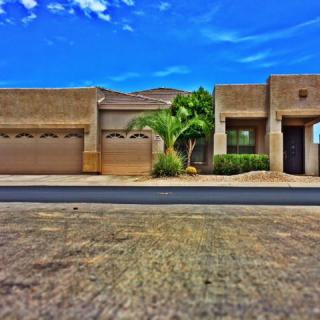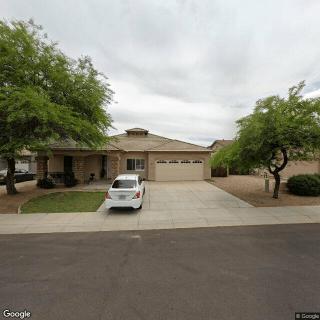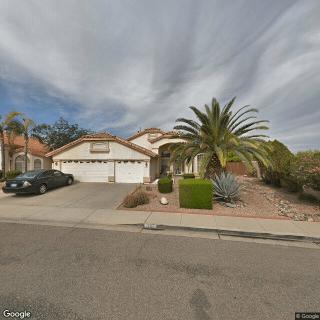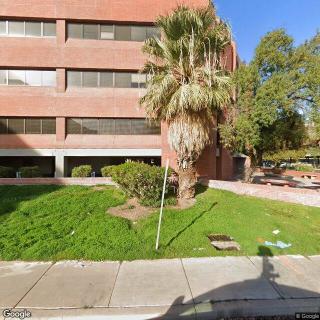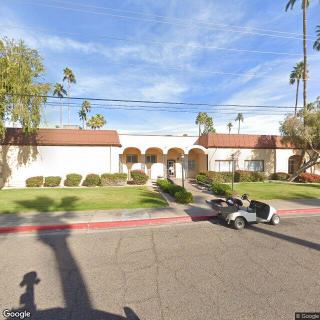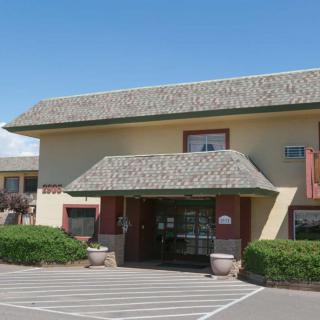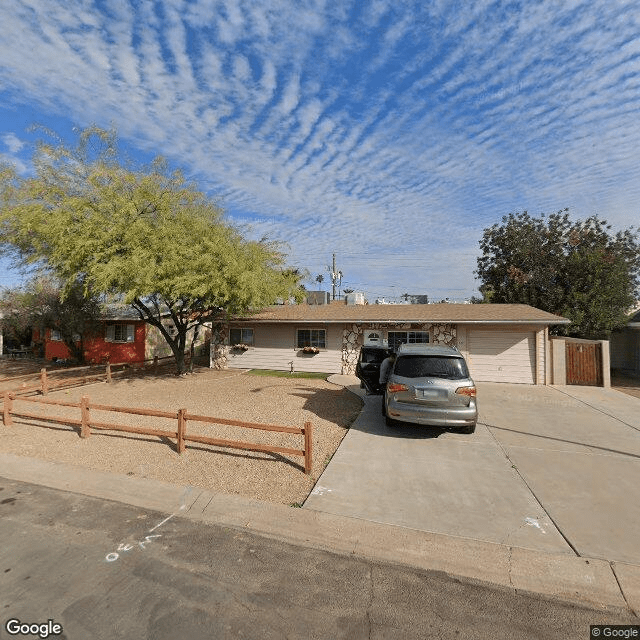
Constant Care in Phoenix, AZ

Save
Constant Care

Constant Care in Phoenix, AZ

830 W. Amelia, Phoenix, AZ 85013

For more information about senior living options: (844) 490-3973

4 from 9 reviews
5 stars
5
4 stars
1
3 stars
2
2 stars
0
1 stars
1

Assisted Living Board and Care Home Memory Care Respite Care

Constant Care Costs & Pricing

At Constant Care, the monthly costs for various room types reflect a competitive pricing structure in comparison to both Maricopa County and the broader state of Arizona. For instance, the cost for a one-bedroom unit at Constant Care is set at $3,000, which is notably lower than the county average of $3,473 and the statewide average of $3,532. Similarly, private rooms at Constant Care are priced at $3,000 as well, offering considerable savings when stacked against Maricopa County's rate of $3,318 and Arizona's average of $3,345. This strategic pricing positions Constant Care as an attractive option for individuals seeking quality care without compromising their financial stability.

Floor plansConstant CareMaricopa CountyArizona
1 Bedroom$3,000$3,473$3,532
Private$3,000$3,318$3,345

Overall Review of Constant Care

Pros

  • pro The staff at Constant Care Assisted Living are very attentive to residents' needs at all times.
  • pro Upon arrival, residents are bathed, shaved, and cared for to help them feel comfortable.
  • pro They ask residents about their favorite foods to ensure they feel at home.
  • pro The house is beautiful and small, creating a cozy, home-like environment.
  • pro The location near the VA makes it a good choice for veterans.
  • pro The staff take great care of their residents.
  • pro The owner is caring and fosters a warm, homey atmosphere.
  • pro The environment is clean, welcoming, and friendly, contributing to residents' happiness.
  • pro The food is good and the staff's knowledge and care are excellent.

Cons

  • pro The first caregiver was not gentle and did not know how to properly position her.
  • pro He darkened the room so he could watch his movies or TV on his phone, showing neglectful care.
  • pro He had no idea how to transfer a patient who could bear some weight and rough-dragged her back to bed, causing large skin tears that bled heavily.
  • pro He left after the harm, with no dressings or proper follow-up care.
  • pro The agency does not provide adequate training.
  • pro The agency had the nerve to charge for the last two sessions.
  • pro The director took a cavalier attitude toward the unnecessary suffering at the end of her life.

Review

Constant Care in Phoenix, AZ is best suited for families seeking a small, home-like assisted living experience where personalized attention and owner involvement steer daily care. This community shines for residents who value a warm, intimate setting, a calm pace, and staff who appear genuinely invested in individual preferences - down to meals and daily routines. The proximity to veterans' resources and a reputation for a clean, welcoming environment add practical appeal for families with veterans or those who want easy family access. Those who need a high-intensity clinical program, pet-friendly policies, or a broad, structured activities calendar may find the fit less ideal and should consider alternatives.

The strongest positives are unmistakable: a consistently attentive staff that greets residents with prompt grooming, bathing, and dressing on arrival; a real emphasis on comfort and belonging; and a small-house feel that translates into visible oversight and strong relational ties. Families repeatedly note the owner's hands-on care and a team that has remained steady for years, which translates into dependable routines and a sense of continuity. Cleanliness, a welcoming atmosphere, and good-quality meals are recurring themes, contributing to a sense that the resident's day-to-day life remains dignified and pleasant. For relatives who want to visit and feel confident that staff know their loved one's preferences, Constant Care delivers.

Yet there are meaningful caveats that must be weighed. The most serious concern in the reviews centers on the use of an affiliated home health care agency, where at least one situation described a caregiver who behaved rough and contributed to serious skin tears, with a response from leadership that left the family unsettled. This is not a minor footnote; it implicates caregiver training, transfer safety, and the facility's oversight of third-party providers. Such reports should prompt prospective families to demand explicit, written assurances about how outside caregivers are trained, supervised, and evaluated, and to verify who bears responsibility when problems arise. In addition, cost and logistics loom large: a private room with a shared bath runs around $3,000 per month, transportation is an add-on, residents must supply their own incontinence products, and a co-pay is required. A monthly geriatric physician is listed as part of the package, which can be beneficial but also adds to the ongoing expense.

These strengths and weaknesses do not exist in isolation; they must be weighed against each other. The small, homey setting, deep personal attention, and owner-driven culture can offset potential gaps in programming by providing predictable, nurturing care and easy access to caregivers who know the resident's history and preferences. The strength of a stable, caring team and a clean, comfortable environment can deliver real peace of mind for families who prioritize dignity and warmth over breadth of services. However, when care needs extend beyond what a small home-like setting can safely manage - especially if reliance on external aides becomes a recurring factor - those positives can be offset by safety and consistency concerns.

For families actively evaluating Constant Care, practical next steps matter. Request to meet with the owner and the core caregiving team, and ask for a clear outline of how third-party home health aides are vetted, trained, and supervised. Obtain a written statement of what the base rate includes and what costs are extra, particularly for transportation, co-pays, and necessary supplies. Inquire about activity levels and dementia-friendly programming to determine whether the offerings align with the resident's current and anticipated needs. Finally, probe the policy on pets and the flexibility to tailor services if a resident requires more intensive medical oversight or a different caregiving approach.

In the end, Constant Care represents a compelling option for families prioritizing proximity to a small, tightly knit community where staff know residents well and care feels personal. It is not the right fit for those who require robust clinical management, wide-ranging activities, or a low-cost model. When the desire is for a warm, reliable home environment with attentive caregivers who treat residents like family - and when transparency about third-party caregiving and costs is achievable - Constant Care deserves serious consideration. If those conditions don't align, exploring alternatives with broader clinical supports or stricter oversight may save time, money, and worry.

Features

Housing

  • 5 resident community capacity 5 resident community capacity

Types of Care

  • Assisted Living Assisted LivingAssisted living facilities provide crucial support and care for seniors who may need help with daily tasks such as medication management, bathing, and meal preparation. These communities offer a safe and comfortable environment where seniors can maintain their independence while receiving the assistance they need to thrive in their golden years.
  • Board and Care Home Board and Care HomeBoard and care homes provide a smaller, more intimate setting for seniors who require assistance with daily tasks but do not need the level of care offered by a nursing home. They offer personalized care, meals, and social activities in a homelike environment, ensuring that seniors receive individualized attention and support in their golden years.
  • Memory Care Memory CareMemory care is crucial for seniors as it provides specialized support and services for individuals with dementia or Alzheimer's disease. These programs offer a safe and secure environment where residents receive personalized care, cognitive stimulation, and help with daily activities. Memory care helps seniors maintain their independence, quality of life, and dignity while also providing peace of mind for their families.
  • Respite Care Respite CareRespite care provides temporary relief for caregivers, allowing them to recharge and attend to their own needs. It also gives seniors the opportunity to socialize, receive professional care, and experience a change of scenery, promoting overall well-being and reducing feelings of isolation.

Pets

  • Dogs allowed Dogs allowed"Pet friendly" senior living communities are important for seniors because pets provide companionship, reduce feelings of loneliness and depression, promote physical activity and mental stimulation, and offer a sense of purpose and responsibility. Pets can improve overall well-being and quality of life for seniors in many ways.

Amenities

  • Activities on-site Activities on-siteActivities on-site are important for seniors because they provide opportunities for socialization, mental stimulation, physical activity, and overall well-being. Engaging in activities can help seniors stay active, maintain their independence, and improve their quality of life.
  • Beautician on-site Beautician on-siteHaving a beautician on-site at a senior living community is important for seniors as it allows them to easily access grooming and personal care services, boosting their self-esteem and overall well-being. It also provides convenience and helps seniors maintain their sense of independence and personal style.
  • Cable or satellite TV Cable or satellite TVCable or satellite TV is important for seniors because it provides entertainment, news, and companionship, helping to combat loneliness and boredom. It also offers a wide range of programming options tailored to different interests and preferences.
  • Devotional services off-site Devotional services off-siteDevotional services off-site are important for seniors as they provide spiritual nourishment, social engagement, and a sense of community outside of the senior living facility. This can enhance overall well-being and help combat feelings of isolation and loneliness often experienced by older adults.
  • Devotional services on-site Devotional services on-siteDevotional services on-site provide seniors with spiritual support and a sense of community, as well as an opportunity for reflection and guidance during their senior living experience. This can promote emotional well-being and connection to others, leading to a more fulfilling and enriching lifestyle in their later years.
  • Dining room Dining roomDining rooms are important for seniors as they provide a space for socialization, connection, and nutritious meals. They offer opportunities for residents to bond over shared meals, foster a sense of community, and promote healthy eating habits. Dining rooms also ensure that seniors have access to well-balanced meals tailored to their dietary needs and preferences.
  • Fully furnished Fully furnishedFully furnished senior living communities are important for seniors because they provide convenience, comfort, and a hassle-free moving experience. Seniors can easily settle into their new living space without the stress of having to buy and move furniture. This allows them to focus on enjoying their new home and community.
  • Garden GardenGardens are important for seniors as they provide a peaceful and therapeutic environment for relaxation, physical activity, and socialization. Being in nature has been shown to reduce stress, improve mood, and promote overall well-being. Gardens also offer opportunities for seniors to engage in gardening activities, which can improve mobility, flexibility, and cognitive function. Additionally, gardens create a sense of community and connection with others who share a passion for plants and outdoor spaces.
  • Housekeeping services Housekeeping servicesHousekeeping services are important for seniors because they help maintain a clean and safe living environment, promote independence, and reduce the risk of accidents or illnesses. Additionally, having assistance with household chores can alleviate physical strain and allow seniors to focus on other aspects of their well-being.
  • Indoor common areas Indoor common areasIndoor common areas are crucial for seniors as they provide a space for socialization, recreation, and community engagement, promoting overall well-being and reducing feelings of isolation and loneliness.
  • Move-in coordination Move-in coordinationMove-in coordination is important for seniors because it helps ease the transition into their new living environment. It ensures that all logistics, such as packing, organizing movers, and setting up utilities are taken care of, allowing seniors to focus on settling in and adjusting to their new home. Having a smooth move-in process can alleviate stress and anxiety, making the transition smoother and more enjoyable for seniors.
  • Outdoor common areas Outdoor common areasOutdoor common areas are important for seniors as they provide a space for socialization, physical activity, and relaxation. Being outside in nature can improve mood and overall well-being, while also encouraging movement and engagement with others. These spaces can help combat feelings of isolation and promote a sense of community among residents.
  • Outdoor space Outdoor spaceOutdoor spaces are important for seniors as they provide opportunities for physical activity, social interaction, exposure to natural light and fresh air, and a sense of connection to nature. Having access to outdoor spaces can improve overall well-being and quality of life for older adults living in senior communities.
  • Private PrivatePrivacy is important for seniors as it allows them to maintain their independence, dignity, and sense of control over their own lives. It also gives them the space and freedom to relax, reflect, and engage in activities that bring them joy and fulfillment. Creating private spaces within senior living facilities is crucial for promoting overall well-being and quality of life.
  • Private bathrooms Private bathroomsPrivate bathrooms are important for seniors in senior living communities because they provide independence, dignity, and comfort. Having a private bathroom allows seniors to maintain their personal hygiene routines without the need for assistance, promoting a sense of autonomy and privacy. Additionally, private bathrooms help prevent the spread of infections and provide a safe and clean environment for seniors to navigate safely.
  • Respite or short term stays offered Respite or short term stays offeredRespite or short term stays provide seniors with a temporary solution when their regular caregiver is unavailable, offering them the opportunity to receive additional care and support during times of need, while also giving caregivers a chance to rest and recharge.
  • Telephone TelephoneTelephones are important for seniors as they provide a lifeline for communication with loved ones, emergency services, and healthcare providers. They offer a sense of security and independence, enabling seniors to stay connected and access assistance when needed.
  • Wheelchair accessible showers Wheelchair accessible showersWheelchair accessible showers are crucial for seniors as they provide a safe and independent bathing option for those with mobility challenges. These showers help prevent falls and allow seniors to maintain their dignity and autonomy while ensuring they can bathe comfortably.
  • Wi-Fi/high-speed internet available Wi-Fi/high-speed internet availableWi-Fi/high-speed internet is important for seniors to stay connected with loved ones, access online resources, and participate in virtual activities to combat feelings of loneliness and isolation. It also allows them to easily manage healthcare needs, access entertainment, and engage in lifelong learning opportunities.

Transportation

  • Phoenix Sky Harbor International (6 miles away) Phoenix Sky Harbor International (6 miles away)

Care Services

  • 24-hour supervision 24-hour supervision24-hour supervision is important for seniors to ensure their safety, well-being, and access to immediate assistance in case of emergencies or health issues. This constant support provides peace of mind for both seniors and their loved ones, allowing them to age in place with dignity and security.
  • Activities of daily living assistance Activities of daily living assistanceActivities of daily living assistance are important for seniors because they provide essential support with tasks such as eating, bathing, dressing, and mobility. This assistance helps seniors maintain their independence, dignity, and overall quality of life as they age.
  • Assistance with bathing Assistance with bathingAssistance with bathing is crucial for seniors as it helps maintain personal hygiene, prevents infections, and ensures their overall well-being and comfort. It also provides a sense of dignity and independence for seniors who may struggle with this task on their own.
  • Assistance with dressing Assistance with dressingAssistance with dressing is important for seniors because it helps maintain their independence, promotes personal hygiene, prevents accidents and injuries, and improves overall quality of life. This service ensures that seniors can continue to dress comfortably and confidently, despite any physical limitations they may have.
  • Assistance with transfers Assistance with transfersAssistance with transfers is crucial for seniors as it helps prevent falls and injuries, maintains their independence, and ensures they can safely navigate their living environment. It also provides peace of mind for both seniors and their loved ones.
  • Coordination with health care providers Coordination with health care providersCoordination with health care providers is crucial for seniors to ensure proper medical care, medication management, and overall well-being. This collaboration helps prevent overlapping treatments, track progress more effectively, and provide comprehensive support tailored to individual needs.
  • Diabetes diet Diabetes dietA diabetes diet is crucial for seniors as it helps manage blood sugar levels, reduce risks of complications, and improve overall health and well-being. By following a balanced and nutritious diet tailored to their specific needs, seniors can better control their diabetes and enhance their quality of life.
  • Diabetic care Diabetic careDiabetic care is crucial for seniors as they are more susceptible to developing diabetes due to aging and other health conditions. Proper management of diabetes can help prevent complications such as heart disease, vision loss, and nerve damage, improving the overall quality of life for seniors in senior living communities.
  • High acuity care High acuity careHigh acuity care is important for seniors because it provides specialized medical attention and support for individuals with complex medical needs. This level of care ensures that seniors receive the appropriate treatment and assistance to maintain their health and quality of life as they age.
  • Incontinence care Incontinence careIncontinence care is essential for seniors to maintain their dignity, hygiene, and overall quality of life. By addressing incontinence issues promptly and effectively, seniors can enjoy a sense of independence and comfort in their daily activities.
  • Meal preparation and service Meal preparation and serviceMeal preparation and service are crucial for seniors as they may have limited mobility or energy to cook nutritious meals. Having access to healthy and convenient food options can ensure they are getting the proper nutrition needed to maintain their overall health and well-being.
  • Medication management Medication managementMedication management is crucial for seniors to ensure they are taking the right medications at the correct dosages and times. This helps prevent adverse drug interactions, reduces the risk of medication errors, and promotes overall health and well-being. Proactive management also allows for adjustments as needed based on changing health conditions or new prescriptions.
  • Special dietary restrictions Special dietary restrictionsSpecial dietary restrictions are important for seniors because age-related changes in metabolism and health conditions can make it difficult for their bodies to process certain foods. By following a diet tailored to their specific needs, seniors can maintain their overall health and well-being, manage chronic conditions, and reduce the risk of complications such as malnutrition or food interactions with medications.
  • Transportation arrangement (medical) Transportation arrangement (medical)Transportation arrangements for medical purposes are essential for seniors as they may have difficulty driving themselves to appointments or accessing public transportation. Having reliable and safe transportation options ensures that seniors can receive timely medical care and maintain their health and well-being.
  • Transportation to doctors appointments Transportation to doctors appointmentsTransportation to doctors' appointments is crucial for seniors as it ensures they have access to necessary medical care and support for their health needs. Without reliable transportation, seniors may struggle to attend important appointments, leading to potential delays in treatment and health complications. Providing transportation services helps seniors maintain their overall well-being and quality of life.

Dining

  • Diabetes diet Diabetes dietA diabetes diet is crucial for seniors as it helps manage blood sugar levels, reduce risks of complications, and improve overall health and well-being. By following a balanced and nutritious diet tailored to their specific needs, seniors can better control their diabetes and enhance their quality of life.
  • Meals provided Meals provided"Meals provided" are crucial for seniors in assisted living communities as it ensures they have access to nutritious, balanced meals without the stress of meal planning and preparation. This can help promote overall health and well-being for seniors who may have limited mobility or cognitive abilities.
  • Special dietary restrictions Special dietary restrictionsSpecial dietary restrictions are important for seniors because age-related changes in metabolism and health conditions can make it difficult for their bodies to process certain foods. By following a diet tailored to their specific needs, seniors can maintain their overall health and well-being, manage chronic conditions, and reduce the risk of complications such as malnutrition or food interactions with medications.
  • Vegetarian VegetarianA vegetarian diet is important for seniors because it can help lower the risk of chronic diseases, maintain a healthy weight, and provide essential nutrients needed for aging bodies. Additionally, plant-based diets are often easier on digestive systems and can contribute to overall well-being in older adults.

Activities

  • Activities on-site Activities on-siteActivities on-site are important for seniors because they provide opportunities for socialization, mental stimulation, physical activity, and overall well-being. Engaging in activities can help seniors stay active, maintain their independence, and improve their quality of life.
  • Community-sponsored activities Community-sponsored activitiesCommunity-sponsored activities are important for seniors as they provide opportunities for social interaction, mental stimulation, and physical activity. These activities can help improve overall well-being, combat loneliness and isolation, and promote a sense of belonging and purpose among older adults.
  • Devotional activities offsite Devotional activities offsiteDevotional activities offsite are important for seniors because they provide social engagement, spiritual growth, and a sense of community outside of their living environment. This can improve overall well-being, mental health, and combat feelings of isolation or loneliness.
  • Devotional activities on-site Devotional activities on-siteDevotional activities on-site provide seniors with a sense of community, spiritual fulfillment, and emotional support, promoting overall well-being and a positive sense of purpose in their lives.
  • Scheduled daily activities Scheduled daily activitiesScheduled daily activities are important for seniors because they provide structure, socialization, mental stimulation, and physical activity. Engaging in regular activities can improve overall well-being and quality of life for seniors living in a community setting.

Description

Constant Care in Phoenix, AZ is a specialized assisted living community that focuses on providing memory care for individuals with Alzheimer's disease and other forms of dementia. Our community offers a range of amenities and services to ensure the comfort and well-being of our residents.

Within our community, residents can enjoy the convenience of having a beautician on-site, as well as the opportunity to participate in devotional services both on-site and off-site. Our indoor and outdoor common areas provide spaces for socializing and relaxation, while private rooms with private bathrooms offer privacy and personal space. We also offer respite or short-term stays for those needing temporary care.

Our dedicated staff is trained to provide high acuity care for residents with complex medical needs, including incontinence care and medication management. We strive to create a warm and supportive environment where individuals feel safe and cared for at all times.

In terms of dining, we offer vegetarian options to cater to different dietary preferences and restrictions. Our meals are prepared with nutritious ingredients to promote overall health.

To ensure engagement and stimulation, we organize devotional activities both on-site and off-site. These activities help foster spiritual well-being among our residents.

Additionally, our location in Phoenix provides easy access to various amenities in the surrounding area. With 14 cafes, 4 parks, 14 pharmacies, 7 physicians' offices, 39 restaurants, 4 transportation options, 4 places of worship nearby, as well as theaters and hospitals within close proximity, there are plenty of opportunities for entertainment and healthcare needs.

At Constant Care in Phoenix, AZ, we pride ourselves on providing quality memory care in a comfortable and compassionate environment.

Nearby Places of Interest

This area of Phoenix, Arizona offers a variety of amenities that could cater to a comfortable senior living experience. With several well-known restaurants such as McDonald's, Taco Bell, and George & Dragon Restaurant within close proximity, dining options are easily accessible. Additionally, there are cafes like Dark Hall Coffee and Lux Central where seniors can enjoy a relaxing cup of coffee. The presence of nearby pharmacies such as Walgreens and CVS Pharmacy ensures convenient access to prescription medications. In case of medical emergencies, hospitals like St Joseph's Hospital & Med Center and Abrazo Central Campus are just a short distance away. The availability of physicians like Dignity Health Peppertree Family Medicine and Banner Family Medicine Center provide comprehensive healthcare services. For recreation, parks like Encanto Park and Margaret T. Hance Park offer opportunities for outdoor activities. Overall, this area provides a blend of convenience, healthcare facilities, and recreational options that could appeal to seniors looking for a vibrant community in which to reside.

Restaurants

  • McDonald's (0.1 miles)
  • Taco Bell (0.1 miles)
  • George & Dragon Restaurant (0.7 miles)
  • Kobalt (0.9 miles)
  • Del Taco (1.4 miles)
  • Federal Pizza (1.5 miles)
  • Windsor (1.5 miles)

Cafes

  • Dark Hall Coffee (0.5 miles)
  • Lux Central (0.8 miles)
  • Starbucks (1.5 miles)
  • Starbucks (2.2 miles)
  • Starbucks (2.5 miles)
  • Lola Coffee (2.5 miles)
  • Fair Trade Cafe (2.5 miles)

Pharmacies

  • Walgreens (0.7 miles)
  • CVS Pharmacy (0.9 miles)
  • CVS Pharmacy (1.2 miles)
  • Walgreens (2.3 miles)
  • CVS Pharmacy (2.4 miles)
  • CVS Pharmacy (2.4 miles)
  • Walgreens (3.2 miles)

Hospitals

  • St Josephs Neurological ICU (0.8 miles)
  • St Joseph's Hospital & Med Center: Deguzman Brian J MD (0.9 miles)
  • Carl T Hayden VA Medical Center, Recreation Therapy (1 miles)
  • Abrazo Central Campus (2.4 miles)
  • Banner – University Medical Center Phoenix (2.6 miles)
  • Surgical Specialty Hospital Of Arizona (2.8 miles)
  • Maricopa Medical Center (4.2 miles)

Physicians

  • Dignity Health Peppertree Family Medicine (0.9 miles)
  • Arizona Eye Specialists (1 miles)
  • Phoenix Skin Medical Surgical Group (1.3 miles)
  • SimonMed Imaging - Phoenix (1.5 miles)
  • Keystone Natural Family Medicine (2.3 miles)
  • Banner Family Medicine Center (2.7 miles)
  • Bethany Women’s Healthcare (3.7 miles)

Transportation

  • Thomas/Central Ave METRO (1.1 miles)
  • METRO McDowell/Central Ave (2.1 miles)
  • Airport Rent-A-Car (4.4 miles)
  • Hertz Rent A Car (5 miles)

Parks

  • Encanto Park (1.5 miles)
  • Margaret T. Hance Park (2.3 miles)
  • Granada Park (2.8 miles)
  • Royal Palm Park (4.6 miles)
  • Phoenix Mountain Preserve (5.4 miles)

Places of Worship

  • First United Methodist Church of Phoenix (1.7 miles)
  • Roosevelt Community Church (2.6 miles)
  • Primera Iglesia United Methodist Church (3.7 miles)
  • Open Door Fellowship Church (4.5 miles)

Theaters

  • AMC Arizona Center 24 (2.9 miles)

Frequently Asked Questions

How much does it cost to live at Constant Care in Phoenix, AZ?
Where is Constant Care?
Does Constant Care provide care for residents with dementia or Alzheimer's disease?

Nearby Communities

  • Bridgewater Assisted Living-Midtown

    Bridgewater Assisted Living-Midtown

    Phoenix, AZ

     
    $5,800 / month

    pro Premium amenities with diabetes care and strong local access to dining, worship, and activities.

  • BridgeWater Assisted Living Midtown

    BridgeWater Assisted Living Midtown

    Phoenix, AZ

    3.6 from 38 reviews
     

    pro Dual care options with 24/7 supervision and memory-care programming.

  • Kindred Hospital - LT Acute Care

    Kindred Hospital - LT Acute Care

    Phoenix, AZ

    1 from 1 review
     

    pro Excellent access to healthcare and nearby amenities (pharmacies, doctors, restaurants, parks).

  • Accent Care - Phoenix

    Accent Care - Phoenix

    Phoenix, AZ

    3.5 from 12 reviews
     

    pro Caregivers reliably assist with meals, transportation, med reminders, and lifting.

  • Accent Care - Phoenix

    Accent Care - Phoenix

    Phoenix, AZ


    pro Excellent access to nearby amenities (cafes, parks, pharmacies, physicians, restaurants, transportation, places of worship, theater, and hospitals).

  • Park Lee Apartments

    Park Lee Apartments

    Phoenix, AZ

    2.8 from 97 reviews
     

    pro Vibrant, amenity-rich location with easy access to cafes, parks, pharmacies, restaurants, and healthcare.

  • Haven Health Phoenix

    Haven Health Phoenix

    Mesa, AZ

    4.5 from 111 reviews
     

    pro Friendly staff, clean environment, and some improvements under new ownership.

  • Rose Court Senior Living

    Rose Court Senior Living

    Phoenix, AZ

    4 from 67 reviews
    $3,500 to $4,000 / month

    pro Friendly, attentive staff; clean, pleasant environment; delicious meals; engaging activities; well-kept gardens.

  • Ridge at The Stratford

    Ridge at The Stratford

    Phoenix, AZ

    4.2 from 122 reviews
    $3,266 to $4,305 / month

    pro Caring, approachable staff in a warm, home-like setting with active resident engagement.

Related Resources

  • does my mom have dementia quizFive Subtle Dementia Indicators to Observe: An In-Depth Guide to Understanding “Does My Mom Have Dementia?”

    The article presents five subtle indicators of dementia, such as memory lapses and mood swings, to help families assess cognitive decline in loved ones. It emphasizes early detection, open communication, and seeking professional help while providing practical support steps.

  • dementia paranoiaDementia, Paranoia, and Caregiver Guidance: Understanding the Connection

    Dementia encompasses progressive neurological disorders that impair cognitive functions and can lead to paranoia due to cognitive decline and emotional changes. The article discusses the triggers of paranoia in dementia, caregiver strategies for managing it, and the importance of distinguishing between dementia-related paranoia and other psychiatric conditions.

  • memory care activitiesEngaging Memory Care Activities That Enhance Quality of Life

    Memory care activities are essential for improving the quality of life of seniors with cognitive impairments, as they stimulate cognitive function, promote well-being, and encourage social interaction through tailored strategies. These activities combine structured exercises with spontaneous tasks, sensory engagement, physical workouts, creative pursuits, and intergenerational interactions to enhance emotional connection and a sense of purpose.