BridgeWater Assisted Living Midtown in Phoenix, AZ
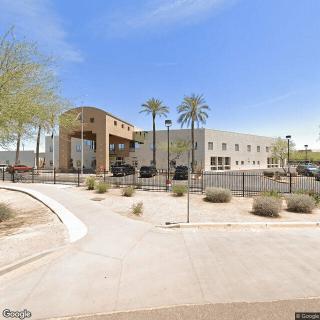
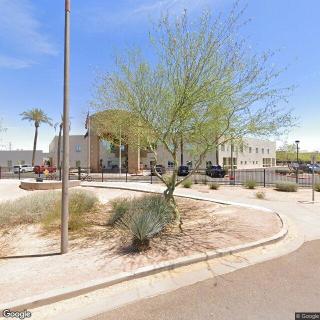
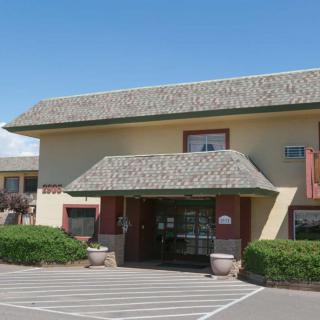
BridgeWater Assisted Living Midtown is an assisted living and memory care community in Phoenix, AZ.
Information last verified:
4000 North 3rd Avenue, Phoenix, AZ 85013
For more information about senior living options: (866) 208-4318
3.6 from 38 reviews
5 stars
23
4 stars
1
3 stars
1
2 stars
1
1 stars
12
Overall Review of BridgeWater Assisted Living Midtown
differentiator4 reviews mention this
Food and diabetic options draw focus
Dining quality and diabetic meal needs come up often in reviews.
Several residents describe the food as delicious and enjoyable, and some say daily meals match their needs. At the same time, other reviewers raise concerns about meals for diabetic residents and specific dietary limits, including comments about what gets served. The community also states it can accommodate diabetes and special dietary restrictions, which aligns with the way meals are discussed in reviews.
common10 reviews mention this
Staff are frequently praised
Many reviews describe staff as caring and attentive.
A large share of reviewers highlight friendly, caring staff who help residents and families, and several mention quick follow-through when contacting the community. Some also describe feeling safe and supported by the team during day-to-day life. However, a smaller set of reviews takes a sharply different view, describing disrespectful interactions and leadership or communication problems.
differentiator2 reviews mention this
Memory care is a mixed picture
Memory care experiences vary, with both praise and serious concerns.
One reviewer in the memory care unit describes positive care for dementia needs and says they had nothing but great things to report. Another reviewer recounts severe problems in the memory care unit as dementia worsened, including delayed responses and call light issues after falls. This aligns with the community offering specialized memory care programming and mild cognitive impairment support.
common3 reviews mention this
Cleanliness and upkeep stand out
Residents and families mention the community’s cleanliness.
Multiple reviews call out cleanliness and a well-maintained environment, including comments about the facility looking spotless. Reviews also describe an atmosphere that feels welcoming and secure as people walk through the building. A few critical reviews also mention service breakdowns, but cleanliness-focused praise appears consistently among positive experiences.
caveat3 reviews mention this
Call response and medication issues
Several reviews report problems with responsiveness and medications.
Some reviewers describe medications being late or incorrect, and others say assistance through call lights was delayed after falls or during urgent moments. There are also comments about staffing that made it harder for residents to get timely support. While the community offers 24-hour supervision and a 24-hour call system, these reviews suggest mixed day-to-day experiences when families need urgent help.
caveat2 reviews mention this
Family communication needs improvement
Communication with families is a recurring complaint.
Some reviewers say they were not informed promptly after hospitalizations, even after major events like intubation. Others describe delays for promised items and difficulty reaching the right person for explanations. Alongside praise for responsiveness, these accounts point to inconsistent communication for some families.
How we summarize
Counts show how many written reviews mention each theme; a review can touch several themes, and only frequently mentioned themes are displayed.
Features
Housing
22 resident community capacity
Types of Care
Assisted Living
Independent Living
Memory Care
Amenities
Beauty salon
Cable or satellite TV
Dining room
Fully furnished
Garden
Housekeeping services
Kitchenette
Move-in coordination
Outdoor space
Restaurant-style dining
Small library
Telephone
Wi-Fi/high-speed internet available
Transportation
Phoenix Sky Harbor International (6 miles away)
Transportation arrangement (non-medical)
Transportation to doctors appointments
Care Services
12-16 hour nursing
24-hour call system
24-hour supervision
Activities of daily living assistance
Assistance with bathing
Assistance with dressing
Assistance with transfers
Diabetes diet
Meal preparation and service
Medication management
Mental wellness program
Mild cognitive impairment
Special dietary restrictions
Specialized memory care programming
Dining
Diabetes diet
Special dietary restrictions
Activities
Community-sponsored activities
Resident-run activities
Scheduled daily activities
Nearby Places of Interest
Restaurants
Taco Bell (0.3 miles)
McDonald's (0.3 miles)
George & Dragon Restaurant (0.4 miles)
Kobalt (0.7 miles)
Del Taco (1.1 miles)
Federal Pizza (1.4 miles)
Windsor (1.4 miles)
Pharmacies
Walgreens (0.5 miles)
CVS Pharmacy (0.8 miles)
CVS Pharmacy (1.3 miles)
CVS Pharmacy (2.1 miles)
Walgreens (2.1 miles)
CVS Pharmacy (2.2 miles)
Walgreens (2.8 miles)
Cafes
Lux Central (0.5 miles)
Dark Hall Coffee (0.5 miles)
Starbucks (1.6 miles)
Starbucks (2 miles)
Fair Trade Cafe (2.4 miles)
Lola Coffee (2.4 miles)
Panera Bread (2.4 miles)
Hospitals
Carl T Hayden VA Medical Center, Recreation Therapy (0.7 miles)
St Josephs Neurological ICU (0.8 miles)
St Joseph's Hospital & Med Center: Deguzman Brian J MD (0.8 miles)
Banner – University Medical Center Phoenix (2.4 miles)
Abrazo Central Campus (2.5 miles)
Surgical Specialty Hospital Of Arizona (2.9 miles)
Maricopa Medical Center (3.9 miles)
Physicians
Arizona Eye Specialists (0.7 miles)
Dignity Health Peppertree Family Medicine (0.9 miles)
Phoenix Skin Medical Surgical Group (1.2 miles)
SimonMed Imaging - Phoenix (1.3 miles)
Keystone Natural Family Medicine (2 miles)
Banner Family Medicine Center (2.5 miles)
Bethany Women’s Healthcare (4 miles)
Transportation
Thomas/Central Ave METRO (1 miles)
METRO McDowell/Central Ave (2 miles)
Airport Rent-A-Car (4.2 miles)
Hertz Rent A Car (4.8 miles)
Places of Worship
First United Methodist Church of Phoenix (1.6 miles)
Roosevelt Community Church (2.5 miles)
Primera Iglesia United Methodist Church (3.7 miles)
The features offered by BridgeWater Assisted Living Midtown are integral to supporting residents with dementia or Alzheimer's disease by addressing their unique needs and enhancing their quality of life. Assistance with dressing, bathing, and transfers ensures that personal care is handled with dignity and respect, promoting independence while providing necessary support. Medication management helps to alleviate concerns about adherence to prescribed treatments, reducing the risk of complications and ensuring overall health stability. Meal preparation and service cater to nutritional requirements while creating a familiar routine around dining, which can be comforting for residents. Activities of daily living assistance empowers individuals to engage in everyday tasks at their own pace while preventing frustration or confusion. The 24-hour supervision guarantees safety and immediate support in case of emergencies, while tailored mental wellness programs and specialized memory care programming focus on cognitive engagement, contributing positively to residents' emotional well-being and mental fitness. Collectively, these features create a nurturing environment that prioritizes both physical and mental health for those experiencing cognitive challenges.
Nearby Communities
Bridgewater Assisted Living-Midtown
Phoenix, AZ
4.1 from 58 reviews
$5,800 / month
Premium amenities with diabetes care and strong local access to dining, worship, and activities.
Constant Care
Phoenix, AZ
4 from 9 reviews
$3,000 / month
Attentive staff in a small, home-like setting with personalized care.
Kindred Hospital - LT Acute Care
Phoenix, AZ
1 from 1 review
Excellent access to healthcare and nearby amenities (pharmacies, doctors, restaurants, parks).
Accent Care - Phoenix
Phoenix, AZ
4.1 from 19 reviews
Caregivers reliably assist with meals, transportation, med reminders, and lifting.
AZ State Veteran Home
Phoenix, AZ
4.1 from 29 reviews
$3,750 to $4,800 / month
Specialized memory care and skilled nursing for veterans.
Arizona State Veteran Home
Phoenix, AZ
4.1 from 29 reviews
Very convenient with abundant nearby amenities (healthcare, dining, parks, transit, worship, theater).
Park Lee Apartments
Phoenix, AZ
2.7 from 102 reviews
Vibrant, amenity-rich location with easy access to cafes, parks, pharmacies, restaurants, and healthcare.
Haven Health Phoenix
Mesa, AZ
4.4 from 128 reviews
Friendly staff, clean environment, and some improvements under new ownership.
The article outlines effective communication strategies for interacting with loved ones with dementia, highlighting the need for empathy, patience, and understanding while emphasizing supportive approaches like using simple language, minimizing distractions, and focusing on feelings over facts to maintain dignity and foster connection. It also suggests seeking professional guidance when needed as communication challenges evolve.
VA nursing homes, or Community Living Centers (CLCs), offer tailored long-term care for veterans, featuring medical attention and rehabilitation in a supportive environment. The guide covers facility types, eligibility criteria, financial assistance options, quality of care standards, and alternatives to full-time nursing home placement.
At-home dementia care expenses vary widely based on care levels, location, and caregiver expertise, with monthly costs for home health aides exceeding $4,500 and specialized care potentially surpassing $100,000 annually. While families favor in-home care for its comfort and personalized attention, they must consider financial planning and the challenges of caregiver fatigue.
Get PricingAsk A QuestionSchedule A TourContact Senior Advisor
By clicking submit, you agree to our Partner's Terms of Use. You
also consent to receive calls and texts, which may be autodialed, from our Partner. Your consent is not a condition to
using our Partner's service. Please visit our Partner's Privacy Policy for information about their privacy practices.

 22 resident community capacity
 Assisted Living
 Independent Living
 Memory Care
 Beauty salon
 Cable or satellite TV
 Dining room
 Fully furnished
 Garden
 Housekeeping services
 Kitchenette
 Move-in coordination
 Outdoor space
 Restaurant-style dining
 Small library
 Telephone
 Wi-Fi/high-speed internet available
 Phoenix Sky Harbor International (6 miles away)
 Transportation arrangement (non-medical)
 12-16 hour nursing
 24-hour call system
 Activities of daily living assistance
 Assistance with bathing
 Assistance with dressing
 Assistance with transfers
 Diabetes diet
 Medication management
 Mental wellness program
 Special dietary restrictions
 Premium amenities with diabetes care and strong local access to dining, worship, and activities.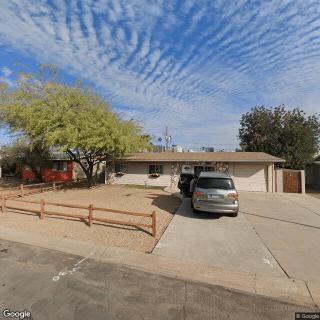
 How to Communicate with a Loved One Living with Dementia: 10 Supportive Strategies
 Comprehensive Guide to VA Nursing Homes: A Crucial Long-Term Care Resource for Veterans
 Estimating the Expenses of At-Home Dementia Care: A Detailed Exploration