Residents and families often describe staff as kind and attentive.
Many reviews mention staff members showing patience, kindness, and professionalism while assisting with residents and answering questions. Several families describe quick responses and feeling reassured during a difficult time, including for hospice and rehab stays. A number of reviewers also call out specific people by name for respectful, supportive care.
common18 reviews mention this
Facility cleanliness and smell come up often
Residents commonly mention that the building looks clean and well kept.
A frequent positive theme is a clean, well-maintained facility, with reviewers describing it as very clean and sometimes smelling good. Some visitors also report getting housekeepers or staff support when issues came up. On the negative side, a few reviews describe unpleasant odors and housekeeping lapses during their stay or visit.
common14 reviews mention this
Activities and transportation are emphasized
Activities and arranged transportation are repeatedly mentioned by residents.
Reviews describe daily or frequent resident activities such as bingo and card nights, plus resident involvement when visiting. Transportation is also a recurring detail, with reviewers saying staff help with rides to appointments and sometimes go above and beyond. A few comments suggest that promised activity support or access was inconsistent at times.
common16 reviews mention this
Food is viewed as mixed
Dining receives both praise and complaints in reviews.
Several residents and families say the food is pretty good, sometimes describing it as satisfying or tailored to dietary needs. Others complain about the taste or quality of meals, including specific concerns about processed food or general dissatisfaction with food. The community offers restaurant-style dining and dining support for special dietary restrictions, which aligns with why meals come up so often in reviews.
caveat12 reviews mention this
Care responsiveness and therapy can fail
A recurring concern is slow or insufficient help and therapy.
Some negative reviews describe call lights not being answered promptly and staff not checking on patients as expected. There are also complaints about medication being late or missing and about gaps in physical therapy frequency or progress. A few reviewers describe serious safety-related breakdowns, including oxygen-related concerns during outages.
How we summarize
Counts show how many written reviews mention each theme; a review can touch several themes, and only frequently mentioned themes are displayed.
Features
Housing
100 resident community capacity
Types of Care
Assisted Living
Skilled Nursing Facility
Amenities
Air-conditioning
Beauty salon
Cable or satellite TV
Computer center
Dining room
Fitness room
Fully furnished
Gaming room
Garden
Housekeeping services
Kitchenette
Move-in coordination
Outdoor space
Private bathrooms
Restaurant-style dining
Small library
Telephone
Wellness center
Wi-Fi/high-speed internet available
Transportation
Phoenix Sky Harbor International (7 miles away)
Community operated transportation
Transportation arrangement
Care Services
24-hour call system
24-hour supervision
Activities of daily living assistance
Assistance with bathing
Assistance with dressing
Assistance with transfers
Diabetes diet
Meal preparation and service
Medication management
Special dietary restrictions
Dining
Diabetes diet
Special dietary restrictions
Activities
Community-sponsored activities
Concierge services
Fitness programs
Planned day trips
Resident-run activities
Scheduled daily activities
Nearby Places of Interest
Pharmacies
CVS Pharmacy (0.2 miles)
Walgreens (1.7 miles)
CVS Pharmacy (2.2 miles)
CVS Pharmacy (2.8 miles)
CVS Pharmacy (3 miles)
Walgreens (3.1 miles)
CVS Pharmacy (3.3 miles)
Restaurants
McDonald's (1.1 miles)
Taco Bell (1.1 miles)
George & Dragon Restaurant (1.7 miles)
Kobalt (1.8 miles)
McDonald's (1.9 miles)
Chick-Fil-A (1.9 miles)
Great Wall Cuisine (1.9 miles)
Cafes
Dark Hall Coffee (1.4 miles)
Lux Central (1.7 miles)
Starbucks (1.8 miles)
Starbucks (2.9 miles)
Starbucks (3 miles)
Lola Coffee (3 miles)
Fair Trade Cafe (3.1 miles)
Physicians
Dignity Health Peppertree Family Medicine (1.6 miles)
Phoenix Skin Medical Surgical Group (1.9 miles)
Arizona Eye Specialists (2 miles)
SimonMed Imaging - Phoenix (2.3 miles)
Bethany Women’s Healthcare (2.8 miles)
Keystone Natural Family Medicine (3 miles)
Banner Family Medicine Center (3.5 miles)
Hospitals
St Josephs Neurological ICU (1.6 miles)
St Joseph's Hospital & Med Center: Deguzman Brian J MD (1.7 miles)
Abrazo Central Campus (1.9 miles)
Carl T Hayden VA Medical Center, Recreation Therapy (2 miles)
Surgical Specialty Hospital Of Arizona (2.4 miles)
Banner – University Medical Center Phoenix (3.4 miles)
Maricopa Medical Center (5.2 miles)
Parks
Encanto Park (1.9 miles)
Granada Park (2.4 miles)
Margaret T. Hance Park (2.9 miles)
Royal Palm Park (4.4 miles)
Phoenix Mountain Preserve (5.7 miles)
O'Neal Park (5.7 miles)
Transportation
Thomas/Central Ave METRO (2 miles)
METRO McDowell/Central Ave (2.8 miles)
Airport Rent-A-Car (5.3 miles)
Hertz Rent A Car (5.7 miles)
Places of Worship
First United Methodist Church of Phoenix (2.1 miles)
Roosevelt Community Church (3.2 miles)
Primera Iglesia United Methodist Church (4.2 miles)
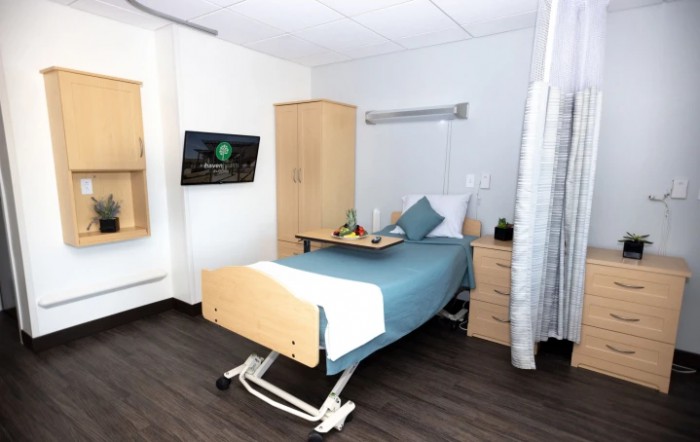
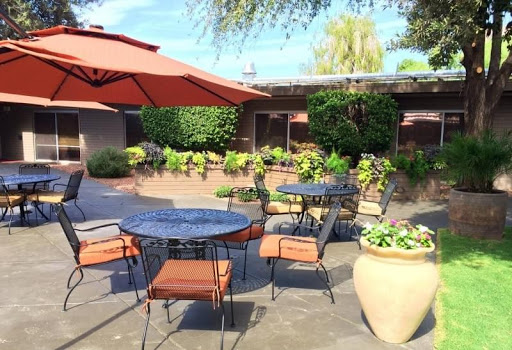
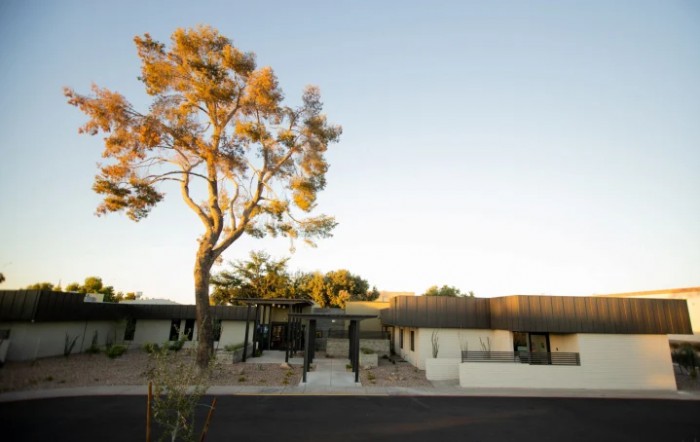
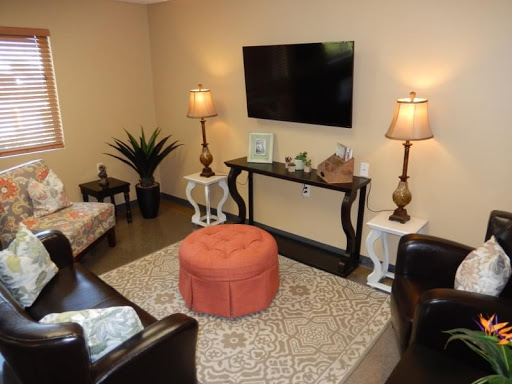
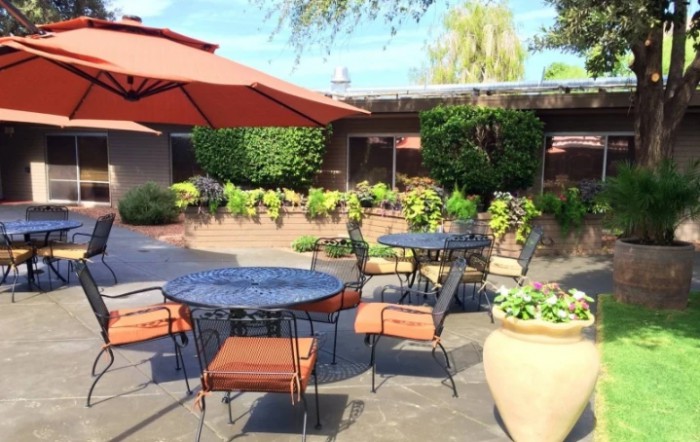
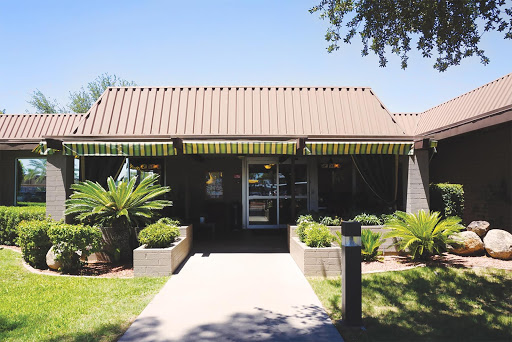
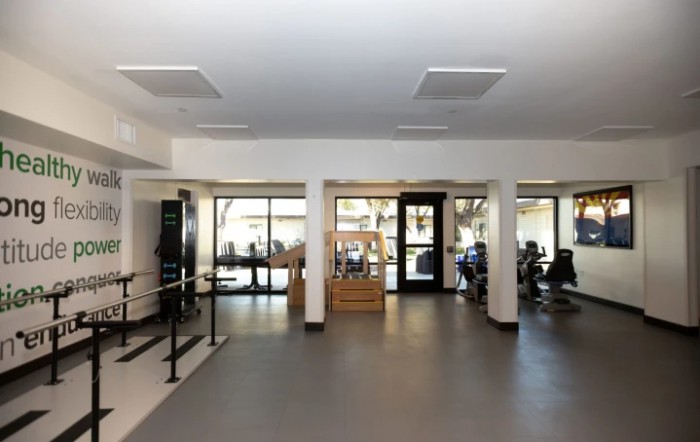
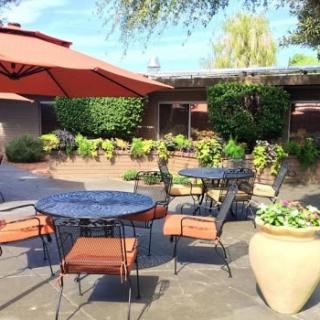
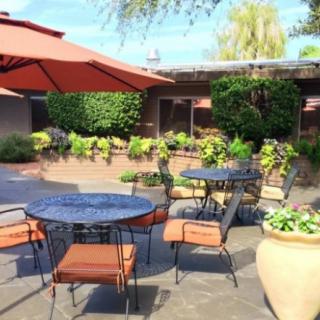
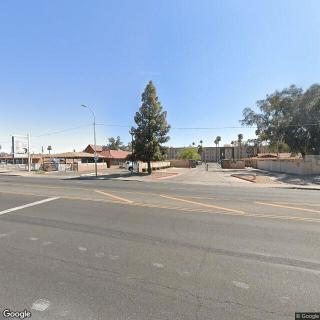
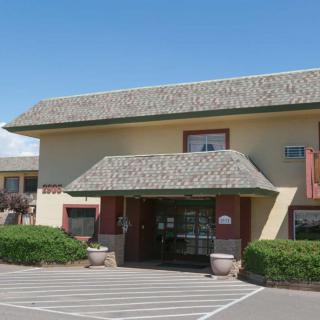
Haven Health Phoenix on seniors.fyi includes 7 photos including images showing garden, interior, architecture, exterior, landscaping, patio, outdoor, gym, and more.
Nearby Communities
Hong Ning House of Phoenix
Phoenix, AZ
4 from 2 reviews
Welcoming community with abundant nearby amenities (healthcare, dining, parks).
Welcome Home Care Home
Phoenix, AZ
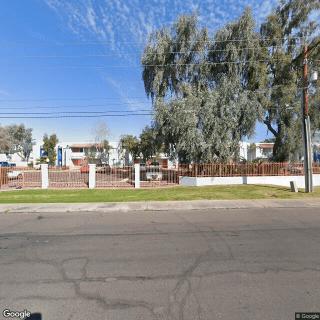
Strong access to healthcare and everyday amenities nearby.
1st Seniors Home Care
Phoenix, AZ
3.8 from 118 reviews
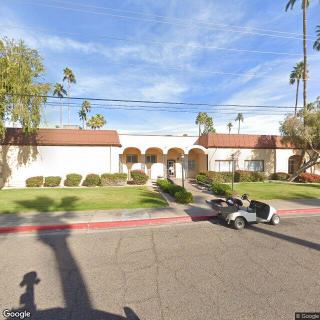
Highly convenient location with broad nearby amenities and healthcare access.
Park Lee Apartments
Phoenix, AZ
2.7 from 102 reviews
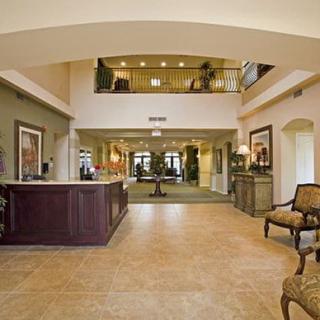
Vibrant, amenity-rich location with easy access to cafes, parks, pharmacies, restaurants, and healthcare.
Senior move management services assist older adults in the relocation process by providing emotional support and organizational help, addressing unique challenges like downsizing and moving from long-term homes. These specialists collaborate with real estate agents and manage logistics, making the transition smoother for seniors and their families.
The article examines senior housing options, detailing the distinctions between independent living and assisted living, along with the emerging "independent assisted living" model that blends both approaches. It highlights the importance of assessing individual needs, preferences, and financial factors in making informed decisions about suitable living arrangements for seniors.
The deductibility of assisted living expenses on taxes hinges on factors like the individual's medical condition and service nature, typically requiring the resident to be "chronically ill" per IRS definitions. Taxpayers may deduct eligible medical expenses related to personal care services but generally not rent unless primarily for medical care, and they should maintain thorough documentation to support claims while considering itemizing versus standard deductions.
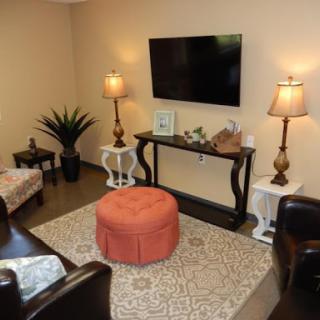
Decor, Living Room, Television, Seating Area, and Plant
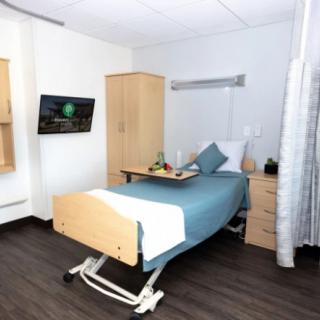
Bedroom and Healthcare
Dining and Outdoor
Landscaping
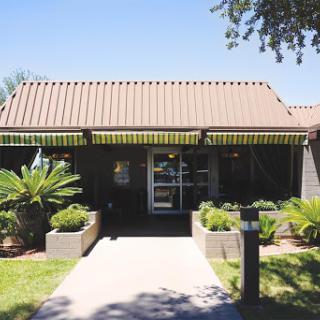
Building and Entrance
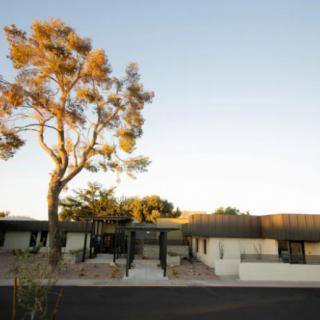
Architecture and Exterior
Garden and Patio
Exercise Equipment, Gym, Exercise Room, and Fitness Center
Outdoor Seating
Tree
Get PricingAsk A QuestionSchedule A TourContact Senior Advisor
By clicking submit, you agree to our Partner's Terms of Use. You
also consent to receive calls and texts, which may be autodialed, from our Partner. Your consent is not a condition to
using our Partner's service. Please visit our Partner's Privacy Policy for information about their privacy practices.

 100 resident community capacity
 Assisted Living
 Skilled Nursing Facility
 Air-conditioning
 Beauty salon
 Cable or satellite TV
 Computer center
 Dining room
 Fitness room
 Fully furnished
 Gaming room
 Garden
 Housekeeping services
 Kitchenette
 Move-in coordination
 Outdoor space
 Private bathrooms
 Restaurant-style dining
 Small library
 Telephone
 Wellness center
 Wi-Fi/high-speed internet available
 Phoenix Sky Harbor International (7 miles away)
 Community operated transportation
 24-hour call system
 Activities of daily living assistance
 Assistance with bathing
 Assistance with dressing
 Assistance with transfers
 Diabetes diet
 Medication management
 Special dietary restrictions
 Concierge services
 Planned day trips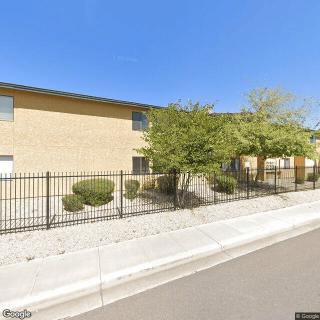
 Welcoming community with abundant nearby amenities (healthcare, dining, parks).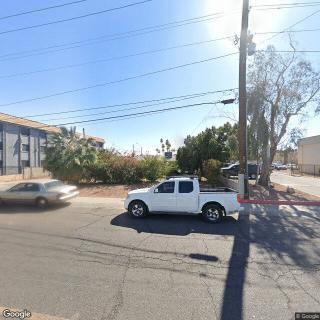

 Senior Transition Services: Understanding Their Role, Cost, and Importance
 Exploring the Path to Senior Living: A Comprehensive Look at Independent Living and Assisted Living
 Is Assisted Living Deductible on Your Taxes? Understanding the Complexities of Assisted Living Expenses and Deductions