
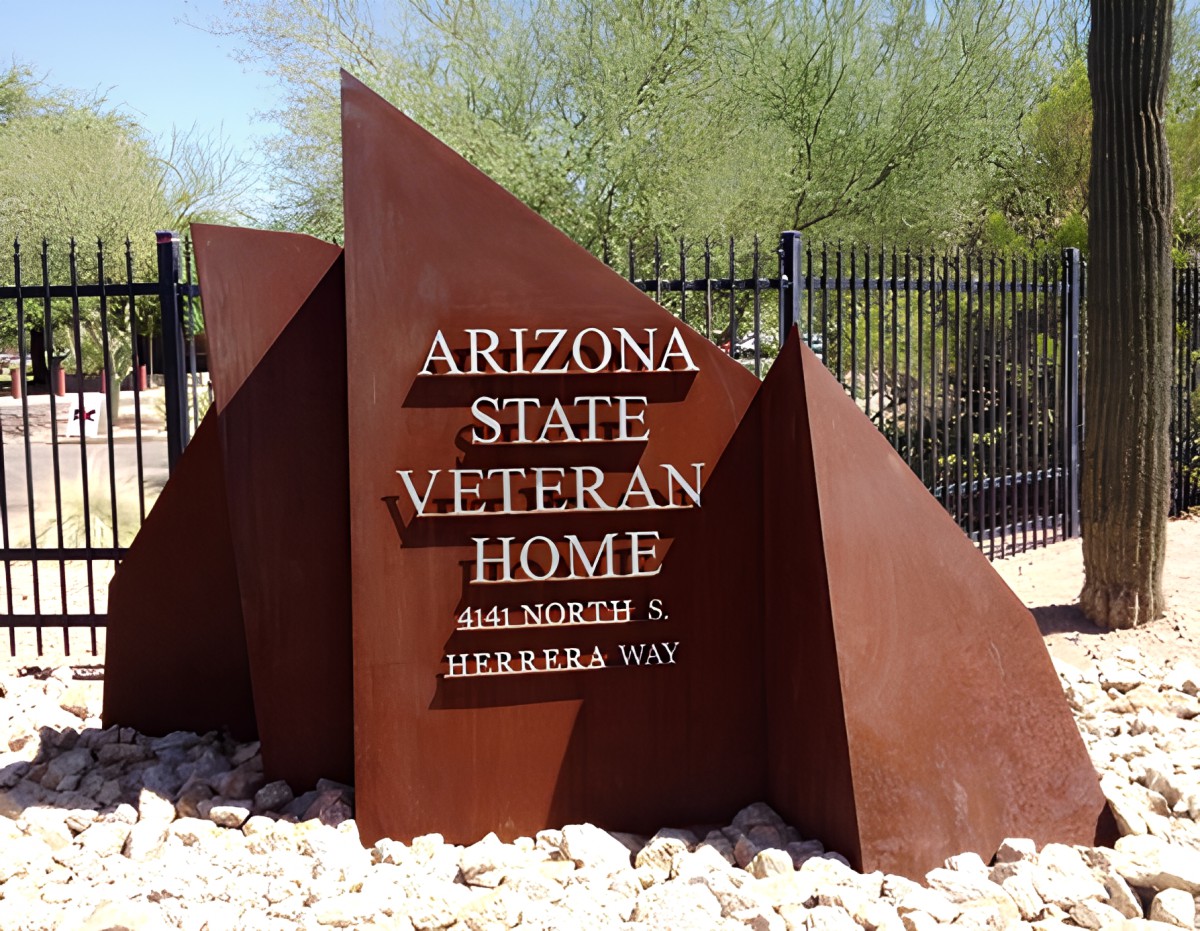








4141 North South Herrera Way, Phoenix, AZ 85012
For more information about senior living options: (866) 208-4318
Overall Review of Arizona State Veteran Home-Phx
Pros
 The staff here are absolutely wonderful.
- His end-of-life care here couldn't have gone better.
- Robyn, the head nurse in the C2 unit, is caring, compassionate, and responsible at every step.
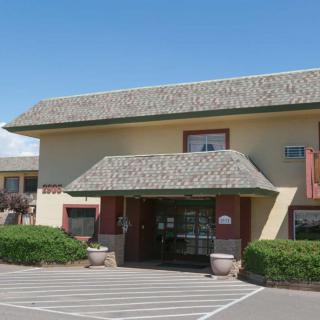
- The facility is a beautiful, newer veterans' home.
- Richard, the security guard at the front desk, is a great man.
- The staff are super friendly, the facility is clean, and the vets receive high-quality care.
- The staff keep residents active and engaged with a variety of daily activities.
- The nurses on D2 are amazing.
- The administration is pleasant and helpful, and residents are treated with respect and dignity.
- Outstanding staff who truly feel like family to the residents.
Cons
 The reviewer claims patient care is substandard and that caregivers come and go like water.
- The CNA named Robert is cold and rude to the resident's father, and he hurts him when lifting.
- A sick server brought food to rooms without wearing masks.
- The family waited a week for belongings and no one accepted responsibility for the loss of life and the accompanying heartache.
- The facility is described as a hospice rather than a home, with restricted movement and limited patient care.
- The resident had multiple ICU stays for severe UTIs and the staff rarely helped her.
- Several residents died from Covid, according to the reviewer.
- There is mention of staff unresponsiveness and the family being given the runaround.
Review
Arizona State Veteran Home-Phx is best suited for veterans who need skilled nursing or rehabilitation in a structured, community-minded setting where staff treat residents with visible respect, dignity, and ongoing engagement. The facility’s culture centers on veteran identity, attentiveness from nursing leadership, and a comprehensive program of activities and church involvement that keeps residents connected and purposeful. For families prioritizing a care team that genuinely feels like a extended family, and for those who value a newer, cleaner environment with reliable security and a predictable routine, this community stands out as a strong choice. It is especially appropriate for veterans who appreciate continuity of care and an emphasis on keeping residents active and socially engaged. Those seeking a highly private, home-like atmosphere, or an environment where every moment is tailored to ultra-acute or palliative expectations, may want to look elsewhere.
The most compelling positives are consistently the people who work there. Families describe staff as amazing, caring, respectful, and competent across shifts, with particular praise for leadership in clinical units. The head nurse in the C2 unit is singled out for exceptional compassion and responsibility, and the overall caregiving tone is noted as genuine and professional. The facility’s newness contributes to a clean, well-kept campus that feels safe and inviting, with friendly front-desk personnel and a sense of security that veterans and families appreciate. Reviews repeatedly call out the high standard of care, the attentiveness of nurses and aides, and the importance of staff who remember residents’ routines, preferences, and needs. Rehabilitation programs, meaningful daily activities, and opportunities for church participation are cited as real advantages that help residents stay engaged and maintain a sense of purpose.
Yet, the experience is not without significant caveats. A subset of reviewers describes troubling lapses: a CNA named Robert is accused of coldness and rough handling; other accounts allege substandard patient care and inconsistent help, including missed opportunities for timely assistance and insufficient responsiveness. Some families recount serious health scares, recurrent ICU admissions for infections, and question whether symptoms and needs were adequately addressed. A recurring, unsettling theme involves the perception that the setting functions more like hospice for some residents, with restricted movement and a heavy emphasis on end-of-life care, which may not align with every family’s expectations for “a home” rather than a unit focused on palliation. There are also practical frustrations noted, such as delays in returning a resident’s belongings after death and occasional concerns about food service or adherence to basic safety practices during meals. These narratives cannot be dismissed and warrant careful scrutiny.
Despite these concerns, the pros frequently offset the cons for families who prioritize a veteran-centric environment and consistently present caregiving. The facility earns trust through staff stability, proactive communication, and a caring ethos that makes families feel welcome and involved. Residents repeatedly appear happier and more engaged when the care team communicates well, routes activities that match cognitive and physical ability, and reinforces routines that honor veterans’ service and dignity. The administration is described as approachable and helpful, with a work culture that emphasizes professional standards and accountable, attentive care. In practice, this means meaningful rehabilitation progress, reliable cleanliness, and a daily rhythm that supports independence where possible and safety where needed. For many families, these factors translate into true peace of mind.
Given the mixed picture, alternatives should be on the table for any family with red flags from the reviews. If prior experiences with staff turnover or perceived inconsistencies in care are strong concerns, or if the care plan centers on long, uninterrupted, highly responsive day-to-day support rather than structured programs and activities, another option, especially a non-veteran-focused facility or a different veterans home with a different staffing pattern, may be worth exploring. Likewise, if the resident’s needs tilt toward minimal restrictions and a more expansive, “home-like” living arrangement, families should assess whether the current unit’s layout and privacy levels meet those expectations. The hospice-leaning impressions echoed by some families also signal the importance of confirming the resident’s care trajectory, the expected level of medical oversight, and whether the setting truly aligns with the desired balance of rehabilitation, social engagement, and end-of-life support.
For families seriously considering ASVH-Phx, the next steps are practical and decisive. Schedule visits to meet the unit managers and frontline caregivers; request time with the nurse manager to discuss care plans, response times, and staff turnover. Tour multiple days to observe how staff interact with residents across shifts, and specifically inquire about D2 or other units used for rehab, where some residents praise the care and engagement. Ask for sample activity calendars, dietary menus, and a transparent outline of how end-of-life and rehabilitation services are coordinated, including expected timelines for ICU or hospital transfers if needed. Finally, compare total costs and what is included in those fees, and request recent family references from similar care trajectories. When the fit is right, ASVH-Phx offers a veteran-centered community with proven warmth, dignity, and opportunity for meaningful daily living; when the fit is not, the gaps are too real to ignore, and a more tightly aligned option should be pursued.
 200 resident community capacity
 Assisted Living
 Skilled Nursing Facility
 Air-conditioning
 Beauty salon
 Cable or satellite TV
 Computer center
 Dining room
 Fitness room
 Fully furnished
 Gaming room
 Garden
 Housekeeping services
 Kitchenette
 Move-in coordination
 Outdoor space
 Private bathrooms
 Restaurant-style dining
 Small library
 Telephone
 Wellness center
 Wi-Fi/high-speed internet available
 Phoenix Sky Harbor International (6 miles away)
 Community operated transportation
 24-hour call system
 Activities of daily living assistance
 Assistance with bathing
 Assistance with dressing
 Assistance with transfers
 Diabetes diet
 Medication management
 Special dietary restrictions
 Concierge services
 Planned day trips






 Assisted Living Expenses and Long-Term Care Insurance: A Comprehensive Exploration
 Securing Financial Support for Assisted Living: A Comprehensive Overview
 Social Security Benefits and Assisted Living: Navigating Options Across the U.S.