
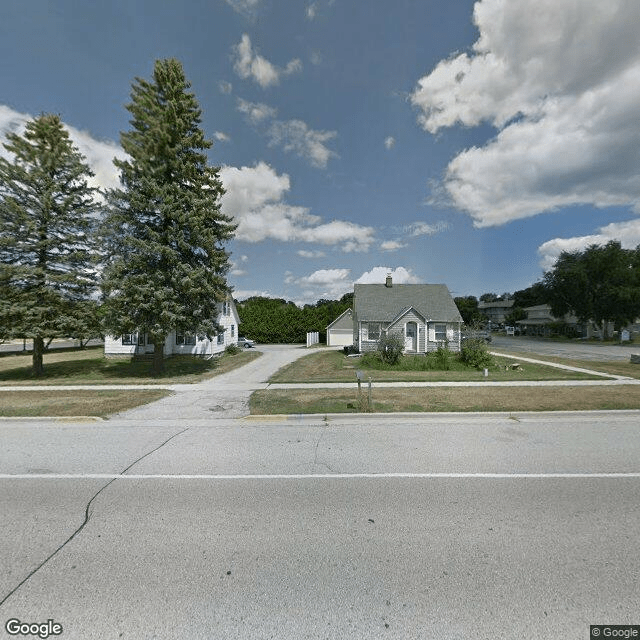
1042 Fond Du Lac Avenue, Kewaskum, WI 53040
For more information about senior living options: (866) 208-4318
Overall Review of Kettle Moraine Gardens Memory Unit
Pros
 Kettle Moraine Gardens is truly the gold standard for assisted living.
- The caregivers and staff are beyond wonderful—they genuinely love their residents and go above and beyond to ensure they are well-groomed, clean, and well-fed.
- The environment they create is safe and comfortable, yet exceptionally fun, with engaging activities that bring joy to everyone.
- They provide outstanding care across all three levels of care.
- The compassion and dedication shown to residents are beyond exceptional.
- They treat loved ones like family and are highly recommended, being among the best in the state.
Cons
 The meals are described as prison food.
- There are two-faced employees.
- The owner shows favoritism toward some residents.
- If someone isn’t in the clique, they’re left out.
Review
Kettle Moraine Gardens Memory Unit is best suited for families seeking a memory-care focused environment where genuine caregiving warmth and daily structure drive resident well-being. In Kewaskum, WI, this community emphasizes safety, close supervision, and a strong sense of family among residents, with staff who appear genuinely invested in each person’s comfort and dignity. The memory-unit model supports predictable routines, reassuring residents who benefit from familiar cues, while offering meaningful activities designed to spark engagement and social connection. For seniors who respond best to attentive, hands-on care and a lively, purpose-filled day, this setting delivers with a practical, no-nonsense approach to daily life.
Those who should consider alternatives are families prioritizing culinary excellence as a central value, or those seeking a uniformly egalitarian staff culture with transparent, consistently applied policies. The dining experience has been described in the strongest terms as a potential weakness, with some residents facing meals that feel utilitarian rather than flavorful. In addition, the social atmosphere can tilt toward cliques, and reports of favoritism or “two-faced” behavior by some staff and management suggest a culture where resident experience may hinge on who is receiving attention on a given day. For families whose expectations include uniformly high standards across all staff interactions, or who want a dining program that consistently wow’s the palate, exploring alternatives is wise. Prudent choices also include those with higher clinical needs or specialized therapies that exceed what this memory unit typically provides.
The strongest positives center on the human side of care. Caregivers and staff are described as exceptionally devoted, with residents being groomed, fed, and treated with warmth that goes beyond routine obligations. The environment aims to feel safe and comfortable, and the care teams’ willingness to go the extra mile translates into reliable, compassionate support during difficult moments. Across all levels of care offered on site, the team appears to maintain continuity and familiarity, which matters greatly for memory-impaired residents who crave predictability and personal recognition. The combination of attentive caregiving, safety, and a calendar of engaging activities can create a sense of belonging that makes daily life more meaningful for residents and less stressful for families.
These strengths partly offset the most concerning cons, but not without caveats. The high level of caregiving attention can cushion the impact of imperfect dining or interpersonal friction, because strong daily interactions and consistent routines often become the primary reassurance for families worried about memory care. Smoothed routines, predictable supervision, and a visible commitment to resident comfort help preserve trust even when meals or social dynamics fall short of ideal. In other words, when caregivers show up with steadiness, the atmosphere can feel stabilizing enough to outweigh some dining or culture-related shortcomings. Still, dietary quality and a consistently respectful, non-discriminatory social climate remain integral to a holistically satisfying experience.
On the risk side, the mixed reviews around food quality and staff culture warrant careful due diligence. Reports of “prison food” and favoritism point to real differences in resident satisfaction that can color the overall experience, particularly for families who weigh morale and social equity as heavily as safety and medical oversight. Prospective families should use tours to observe mealtime, sit in on activity periods, and speak with several staff members and supervisors to gauge whether the claimed warmth and attentiveness are consistent day-to-day. Asking about leadership philosophy, resident councils, and a formal, transparent complaint process can reveal how issues are addressed when they arise. This is especially important given the 5-to-2 impression split in reviews, which signals that the resident experience can be distinctly variable.
In the end, Kettle Moraine Gardens Memory Unit offers a practical, experienced choice for memory-care, especially where a hands-on, family-like caregiving approach and a structured daily rhythm are valued above all. Families prioritizing companionship, safety, and ongoing activity may find substantial reassurance here, with care that often feels deeply personal and consistently present. For those whose deal-breakers include top-tier dining quality, a uniformly egalitarian staff culture, or impeccable social equity, it pays to examine nearby options and compare how dining, staff consistency, and resident empowerment are handled. A well-paced visit, coupled with candid conversations about dining, staff interactions, and leadership, will reveal whether this community aligns with the family’s most important criteria.
 15 resident community capacity
 Assisted Living
 Board and Care Home
 Memory Care
 Cable or satellite TV
 Dining room
 Fully furnished
 Garden
 Housekeeping services
 Move-in coordination
 Outdoor space
 Telephone
 Wi-Fi/high-speed internet available
 24-hour supervision
 Activities of daily living assistance
 Assistance with bathing
 Assistance with dressing
 Assistance with transfers
 Diabetes diet
 Meal preparation and service
 Medication management
 Special dietary restrictions
 Transportation arrangement (medical)
 Transportation to doctors appointments



 Exploring the Power of Reminiscence Therapy for Individuals With Dementia
 An In-Depth Look at Reminiscence Therapy in Dementia Care
 Dementia-Related Hallucinations: Causes, Experiences, and Practical Approaches