
1146 Fond Du Lac Avenue, Kewaskum, WI 53040
For more information about senior living options: (866) 208-4318
Key House Costs & Pricing
At Key House, the monthly costs for accommodations reflect a premium offering compared to both Washington County and the broader Wisconsin area. For a semi-private room, residents can expect to pay $6,825, which significantly exceeds the county's average of $3,809 and the state's average of $3,977. Those opting for a private room will see similar trends; at Key House, the cost is $8,248, contrasted with Washington County's $4,783 and Wisconsin's own average of $4,339. These figures suggest that while Key House positions itself as a higher-end option in terms of living environment and services provided, potential residents should carefully consider their budget alongside the value of care and amenities offered in this unique setting.
| Floor plans | Key House | Washington County | Wisconsin |
|---|---|---|---|
| Semi-Private | $6,825 | $3,809 | $3,977 |
| Private | $8,248 | $4,783 | $4,339 |
Assisted Living communities with a similar price nearby
-
from -$527 / mo

Newcastle Place, a CCRC
$6,298 to $8,724 / month24.2 miles away -
from -$225 / mo

Compassionate Heights
$6,600 / month5.5 miles away -
from -$1215 / mo
Luther Manor at River Oaks
$5,610 / month23.7 miles away -
About the same

The Fields of Washington County
$7,000 / month6.9 miles away
Overall Review of Key House
Pros
 Kettle Moraine Gardens is truly the gold standard for assisted living.
- The caregivers and staff genuinely love their residents and go above and beyond to keep them well-groomed, clean, and well-fed.
- The environment is not only safe and comfortable but also exceptionally fun, with engaging activities that bring joy to everyone.
- Kettle Moraine Gardens provides outstanding care across all three levels of care.
- The staff's compassion and dedication are beyond exceptional.
- They treat residents like family and are among the best in the state.
Cons
 The review describes the food as prison-like.
- It claims some employees are two-faced.
- It accuses the owner of favoritism.
- It states that those not in the clique are kept out.
Review
Key House is best suited for families that want a warm, family-like atmosphere where caregivers form real bonds with residents and daily life stays lively through structured, engaging programming. The strongest signals from the available reviews point to a culture in which staff genuinely cares, treats residents with dignity, and maintains a safe, well-supervised environment with regular activities that spark joy and connection. This is the profile for older adults who thrive with personal attention, a sense of belonging, and a living space that feels like home. That said, the same set of reviews reveals a mixed experience, including notable concerns about meals and staff dynamics, which means alternatives should be considered if governance and dining quality are non-negotiable priorities.
On the upside, the core strength is unmistakable caregiving culture. Reviewers describe caregivers who love their residents, go above and beyond to keep everyone clean, well-dressed, and well-fed, and provide compassionate, consistent care across levels. The environment is portrayed as safe yet vibrant, with activities designed to engage residents meaningfully. For families who value relational care, where staff act as extended family and where end-of-life moments are handled with evident kindness, these are powerful advantages that can translate into real quality-of-life gains for residents.
But there are clear red flags that cannot be dismissed. One review characterizes the dining experience in stark terms, suggesting meals feel more prison-like. Another account mentions two-faced staff, owner favoritism, and a clique dynamic that can exclude those outside the inner circle. Taken together, these critiques raise legitimate concerns about transparency, accountability, and a residentā€™s day-to-day experience beyond caregiving. For families with strong preferences for consistent dining standards and a culture of inclusivity and fairness, these warnings demand thorough verification.
How the positives balance with the negatives depends on priorities and due diligence. If the core desire is to secure deeply caring front-line staff and an engaging social calendar, the positive caregiving story can offset some cultural concerns, provided leadership demonstrates responsiveness and a concrete plan to address meals and governance. Prospective residents should request to see sample menus, observe a mealtime, and inquire about staff turnover and the process for addressing grievances. A tour during an active period will illuminate whether the social energy aligns with resident needs, and conversations with frontline caregivers can reveal whether the alleged favoritism and cliquish behavior persist on a daily basis.
Alternatives merit serious consideration for families who prize unambiguous transparency and predictable routines. Communities with more standardized dining programs and governance structures may deliver greater consistency and reduce perceptions of bias or exclusion. When evaluating options, compare references, visit multiple times, and seek candid feedback from current residents and family members. If meal quality, fairness in staff treatment, or governance clarity remains uncertain, it is prudent to broaden the search rather than settle for a potential mismatch between culture and care.
Bottom line: Key House appears well-suited for residents who prize a compassionate, family-like caregiving approach and an active, engaging daily rhythm. The strongest positives, devoted staff, safety, and a lively calendar, set a high bar for quality of life. The potential negatives, concerns about meals and perceptions of cliques or favoritism, are not trivial and must be explored directly during tours, with concrete references sought from current residents and staff. For families, the next steps are deliberate: schedule extended visits, request sample menus, observe mealtime operations, meet frontline caregivers, and review grievance and transparency processes. When care quality, culture, and governance align with priorities, Key House can offer a trusted home; if not, other communities with clearer dining standards and governance may be the wiser choice.
 3 resident community capacity
 Assisted Living
 Cable or satellite TV
 Dining room
 Fully furnished
 Garden
 Housekeeping services
 Move-in coordination
 Outdoor space
 Telephone
 Wi-Fi/high-speed internet available
 24-hour supervision
 Activities of daily living assistance
 Assistance with bathing
 Assistance with dressing
 Assistance with transfers
 Diabetes diet
 Meal preparation and service
 Medication management
 Special dietary restrictions
 Transportation arrangement (medical)
 Transportation to doctors appointments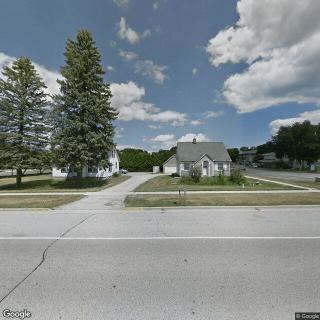







 Funding and Affording Assisted Living: A Thorough Overview
 Assisted Living Expenses and Long-Term Care Insurance: A Comprehensive Exploration
 Securing Financial Support for Assisted Living: A Comprehensive Overview