Serenity Villa offers competitive pricing for its accommodations, presenting an appealing choice for potential residents. The cost for a one-bedroom unit is set at $3,100, which notably undercuts both Washington County's average of $3,451 and the state's average of $3,412. Similarly, the semi-private option is priced at $3,100 as well, again offering savings compared to the county ($3,809) and state ($3,977). While the studio unit comes in higher at $4,000 - though still competitive against the county's rate of $4,386 and closely aligned with the state's average of $3,999 - the two-bedroom option stands out significantly; it is priced at $5,500, which exceeds Washington County's average of $3,433 and Wisconsin's statewide average of just $3,111. Overall, Serenity Villa positions itself as a valuable option in terms of affordability across most room types while executing a strategy that appeals to varied needs among residents.
Floor plans
Serenity Villa
Washington County
Wisconsin
1 Bedroom
$3,100
$3,451
$3,412
Semi-Private
$3,100
$3,809
$3,977
Studio
$4,000
$4,386
$3,999
2 Bedrooms
$5,500
$3,433
$3,111
Memory care communities with a similar price nearby
Residents’ families consistently describe the staff as genuinely caring and attentive.
Across multiple reviews, families say the caregivers treat residents like family and provide consistent, compassionate support. Several reviewers also mention staff communication and making transitions feel smooth for both residents and families. Residents’ experiences are described as personal and focused on individual needs and well-being, not just routine care.
common10 reviews mention this
Facility upkeep supports a homelike feel
Many reviews highlight cleanliness and maintenance that make the building feel comfortable.
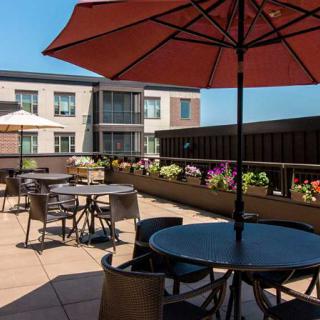
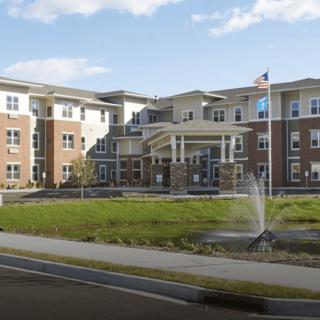
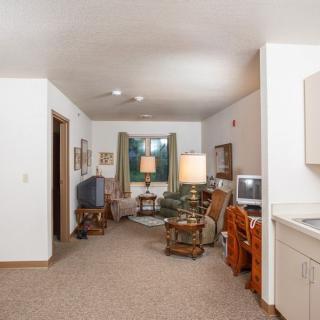
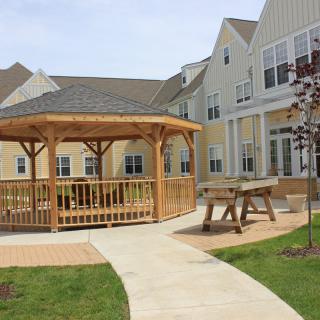
Reviewers repeatedly note the facility is clean, well maintained, and thoughtfully laid out. Some families describe newer, comfortable spaces that feel like home, along with outdoor areas that add to the atmosphere. A few also connect the tidy environment and general presentation with confidence in overall care.
differentiator3 reviews mention this
Memory care is described as secure
Families specifically mention dementia-focused areas, including a locked setup.
Several reviews reference memory care specifically when residents’ needs changed, describing a move into the memory care section. Others add that the dementia unit is a locked building, which gives families a sense of security. Taken together, residents and families appear to associate the memory care environment with clear boundaries and appropriate structure.
common2 reviews mention this
Home-style dining and variety
Dining stands out in reviews for home-cooked meals and menu variety.
Some reviewers mention home-cooked food and describe it as good, with a menu that looks varied. Families also say they’ve seen the menu and that the meals appear balanced. While not every review talks about meals, the ones that do describe dining as a positive part of day-to-day life.
common2 reviews mention this
Activities keep residents engaged
Reviews describe a steady schedule of activities, including group outings.
Families mention both variety and regular programming, including activities like bingo and a mini carnival. One reviewer also describes small outings such as trips to get ice cream, and another notes day-to-day attention to activities as part of the experience. Overall, these comments suggest residents have multiple ways to stay involved.
caveat2 reviews mention this
Room availability may limit choices
Some families say room options can be limited, especially for studios.
At least two reviews point to room-type tradeoffs, including that only semi-private availability was offered during a walkthrough at one point. Other feedback also characterizes studio-like rooms as a drawback, despite positive comments about the building and outdoor spaces. These notes suggest flexibility in apartment options may vary by availability.
How we summarize
Counts show how many written reviews mention each theme; a review can touch several themes, and only frequently mentioned themes are displayed.
Features
Housing
25 resident community capacity
Types of Care
Assisted Living
Memory Care
Amenities
Activities off-site
Activities on-site
Bath tubs
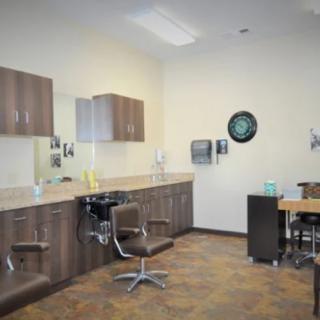
Beautician on-site
Beauty salon
Cable or satellite TV
Devotional services off-site
Devotional services on-site
Dining room
Fully furnished
Garden
Housekeeping services
Indoor common areas
Kitchenette
Move-in coordination
Outdoor common areas
Outdoor space
Respite or short term stays offered
Restaurant-style dining
Small library
Telephone
Wheelchair accessible showers
Wi-Fi/high-speed internet available
Care Services
24-hour call system
24-hour supervision
Activities of daily living assistance
Ambulatory care
Assistance with bathing
Assistance with dressing
Assistance with transfers
Coordination with health care providers
Diabetes diet
Diabetic care
Incontinence care
Meal preparation and service
Medication management
Mental wellness program
Mild cognitive impairment
Special dietary restrictions
Specialized memory care programming
Transportation arrangement (medical)
Transportation to doctors appointments
Dining
Diabetes diet
Meals provided
Special dietary restrictions
Activities
Activities off-site
Activities on-site
Community-sponsored activities
Devotional activities offsite
Devotional activities on-site
Resident-run activities
Scheduled daily activities
Nearby Places of Interest
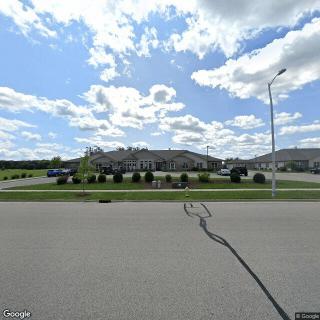
Located in Slinger, Wisconsin, this area offers convenient access to healthcare facilities such as physicians' offices, pharmacies, and hospitals within a few miles radius. The restaurants in the vicinity provide a variety of dining options including fast food chains and local eateries. For outdoor enthusiasts, there are several parks nearby where you can enjoy nature walks and recreational activities. Additionally, there are cafes for socializing with friends over a cup of coffee. Places of worship are available for spiritual fulfillment, and transportation services like taxis and car rentals are accessible for easy commuting. Overall, this area provides a well-rounded community with amenities suitable for senior living.
Physicians
Luiza-Irina N. Florescu MD (0.8 miles)
Kopesky Daniel MD (0.8 miles)
Aurora Health Center (0.8 miles)
Vince Lombardi Cancer Clinic (0.8 miles)
West Bend Clinic-Jackson (3.1 miles)
Froedtert & the Medical College of Wisconsin Cancer Network (3.3 miles)
Aurora Nephrology (4.9 miles)
Pharmacies
Aurora Pharmacy (0.8 miles)
Walgreens (3.9 miles)
Aurora Pharmacy (4.9 miles)
Walgreens (5.2 miles)
Walmart Pharmacy (5.6 miles)
West Bend Pharmacy (5.6 miles)
Prescription Analytics (5.8 miles)
Restaurants
Burger King (0.9 miles)
Sheryl's Club 175 (1.3 miles)
Jim's Place (1.8 miles)
Culver's (3.2 miles)
Mueller's Linden Inn (3.2 miles)
Timmer's Resort (3.3 miles)
McDonald's (3.4 miles)
Hospitals
Integrated Repair & Information Services (1.2 miles)
Froedtert Jackson Health Center (3.1 miles)
Froedtert West Bend Health Center (5.6 miles)
Hartford Memorial Hospital (5.6 miles)
Aurora Medical Center (5.6 miles)
Hartford Memorial Hospital Aurora Health Care (5.6 miles)
St Joseph's Hospital (6.8 miles)
Parks
Pike Lake State Park (3.4 miles)
Washington County Fair Park & Conference Center (3.8 miles)
Serenity Villa offers competitive pricing for its accommodations, presenting an appealing choice for potential residents. The cost for a one-bedroom unit is set at $3,100, which notably undercuts both Washington County's average of $3,451 and the state's average of $3,412. Similarly, the semi-private option is priced at $3,100 as well, again offering savings compared to the county ($3,809) and state ($3,977). While the studio unit comes in higher at $4,000 - though still competitive against the county's rate of $4,386 and closely aligned with the state's average of $3,999 - the two-bedroom option stands out significantly; it is priced at $5,500, which exceeds Washington County's average of $3,433 and Wisconsin's statewide average of just $3,111. Overall, Serenity Villa positions itself as a valuable option in terms of affordability across most room types while executing a strategy that appeals to varied needs among residents.
The 24-hour supervision at Serenity Villa ensures that residents with dementia and Alzheimer's disease are constantly monitored, providing immediate assistance during any moment of confusion or distress. Activities of daily living assistance, including help with bathing, dressing, and transfers, promotes independence while ensuring safety and comfort. Coordination with healthcare providers enhances the overall health management of residents, addressing both physical and cognitive needs concurrently. Incontinence care is handled sensitively to maintain dignity, while meal preparation tailored to dietary requirements ensures proper nutrition. Medication management simplifies adherence to prescribed regimens, reducing the risk of missed doses or medication errors. The mental wellness program and specialized memory care programming directly cater to cognitive impairment by engaging residents in activities that stimulate their minds and promote emotional well-being. Transportation arrangements for medical appointments further support health maintenance by facilitating access to necessary treatments without added stress for family members or residents.
Nearby Communities
Serenity Villa II
Slinger, WI
4.9 from 16 reviews
Calm, welcoming assisted living with on-site meals and diabetic care; strong healthcare proximity.
Serenity Villa Assisted Living III
Slinger, WI
4.9 from 16 reviews
Accessible healthcare (diabetic care; nearby physicians/hospitals) and inviting indoor spaces with social activities.
Serenity Villa Assisted Living IV
Slinger, WI
4.9 from 16 reviews
Diabetic care with off-site devotional activities and nearby parks, pharmacies, dining, and medical facilities.
Pavilion At Glacier Valley
Slinger, WI
3.5 from 58 reviews
Beautiful facility with friendly staff and effective rehabilitation.
Willow Glen Elder Care
Slinger, WI
4.9 from 16 reviews
$4,500 to $7,000 / month
High acuity care with on-site/off-site activities and varied meals (vegetarian/kosher).
Autumn Oaks, LLC
Slinger, WI
3.7 from 7 reviews
$2,350 to $3,100 / month
Pricing below county and state averages with multiple senior-friendly amenities (on-site beautician, devotional services, indoor/outdoor spaces, and accessible showers).
The Waterford at Hartford
Hartford, WI
4.5 from 88 reviews
$4,275 to $7,400 / month
Caring staff with personalized attention in a small, activity-rich, community-focused environment.
Ivy Manor of West Bend
West Bend, WI
3.4 from 36 reviews
$4,780 to $5,380 / month
Caring staff in a bright, home-like setting with good dining, activities, and a convenient location.
Alzheimer’s disease is a progressive neurological disorder that significantly impacts memory and cognitive functions, accounting for 60-80% of dementia cases, with early diagnosis being crucial yet challenging. It involves brain changes like beta-amyloid plaques and tau tangles, influenced by genetic and lifestyle factors, and while there is no cure, symptom management and support for caregivers are essential.
Dementia, influenced by aging and certain medications, may be exacerbated by drug classes such as anticholinergics, benzodiazepines, and antipsychotics, which are associated with cognitive impairment. Regular medication reviews by healthcare professionals are crucial for older adults to manage risks and optimize cognitive health.
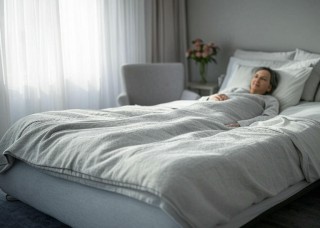
Dementia often results in disrupted sleep patterns, leading to excessive daytime sleeping due to factors like brain damage affecting circadian rhythms, medication side effects, and lack of structure in daily activities. Caregivers must monitor these changes closely, as oversleeping can increase risks such as malnutrition or dehydration, and provide necessary support and routines to enhance patient engagement and well-being.
Get PricingAsk A QuestionSchedule A TourContact Senior Advisor
By clicking submit, you agree to our Partner's Terms of Use. You
also consent to receive calls and texts, which may be autodialed, from our Partner. Your consent is not a condition to
using our Partner's service. Please visit our Partner's Privacy Policy for information about their privacy practices.


 25 resident community capacity
 Assisted Living
 Memory Care
 Activities off-site
 Bath tubs
 Beautician on-site
 Cable or satellite TV
 Devotional services off-site
 Dining room
 Fully furnished
 Garden
 Housekeeping services
 Indoor common areas
 Kitchenette
 Move-in coordination
 Outdoor common areas
 Respite or short term stays offered
 Restaurant-style dining
 Small library
 Telephone
 Wheelchair accessible showers
 Wi-Fi/high-speed internet available
 24-hour call system
 Ambulatory care
 Assistance with bathing
 Assistance with dressing
 Assistance with transfers
 Diabetes diet
 Diabetic care
 Incontinence care
 Medication management
 Mental wellness program
 Special dietary restrictions
 Transportation arrangement (medical)
 Transportation to doctors appointments
 Calm, welcoming assisted living with on-site meals and diabetic care; strong healthcare proximity.
 Illuminating Insights About Alzheimer's Disease: Ten Crucial Realities
 A Thorough Discussion of Medications Potentially Linked to Dementia Risk
 Why Do Dementia Patients Sleep So Much? Understanding Oversleeping, Stages, and Care Approaches