
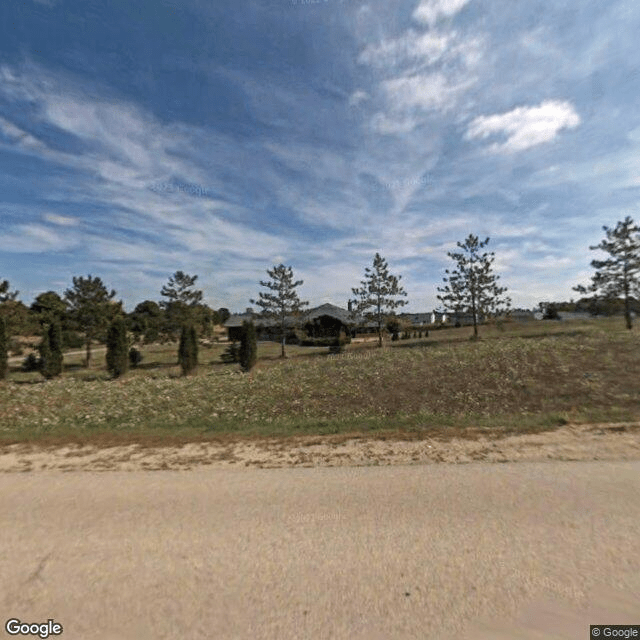
3902 Hillside Road, Slinger, WI 53086
To contact a resident: (414) 256-8720
For more information about senior living options: (866) 208-4318
Willow Glen Elder Care Costs & Pricing
Willow Glen Elder Care presents a comprehensive range of living options for residents, with costs reflecting the quality of care and amenities provided. For semi-private rooms, residents can expect to pay $4,500 per month, which is notably higher than the average monthly rates in Washington County at $3,809 and across Wisconsin at $3,977. The price point increases significantly for private rooms, with Willow Glen's rate of $7,000 surpassing both Washington County's average of $4,783 and Wisconsin's average of $4,339. This pricing structure indicates that while Willow Glen Elder Care may be positioned at a premium compared to regional alternatives, it likely offers enhanced levels of service and comfort that justify the investment for prospective residents seeking quality senior care.
| Floor plans | Willow Glen Elder Care | Washington County | Wisconsin |
|---|---|---|---|
| Semi-Private | $4,500 | $3,809 | $3,977 |
| Private | $7,000 | $4,783 | $4,339 |
Senior living communities with a similar price nearby
-
from +$500 / mo
Compassionate Heights of Beechwood
$5,000 / month12.5 miles away -
from -$360 / mo

Wilkinson Woods
$4,140 to $4,865 / month20.3 miles away -
from -$300 / mo

River Way Place
$4,200 / month7.5 miles away -
from -$500 / mo

Ellens Home Germantown
$4,000 / month9.8 miles away -
from -$500 / mo
Complete Home Health Care
$4,000 / month19.3 miles away
Overall Review of Willow Glen Elder Care
Pros
 Serenity Villa offers an all-inclusive living environment that gives families confidence in the care.
- The staff at Serenity Villa are loving, caring, cheerful, and treat residents like family.
- The facility is newer, well-maintained, and provides a homelike atmosphere.
- Transitions for residents and families are smooth and welcoming at Serenity Villa.
- Hospice care at Serenity Villa is handled compassionately and comfortably.
- The owner and staff are supportive and dependable toward residents, staff, and families.
- Residents experience happiness and renewed well-being after moving to Serenity Villa.
Cons
 They were unhappy with the decision to move her to the memory care section because of how the facility was set up.
- They acknowledge that the facility is not perfect and that things can happen.
- Before moving to Serenity, the mom was broke and very sad for months.
- The reviewer notes that long-term care organizations sometimes receive negative publicity.
Review
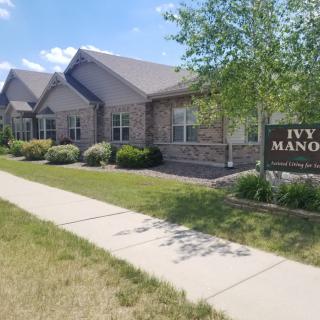
This Slinger community emerges as an outstanding match for families seeking a warm, all-inclusive assisted living experience where caregiving feels like a dedicated family obligation. It is especially well suited for seniors who want a homelike atmosphere, predictable routines, and staff who know residents by name and story. The resident experience centers on personal connection, consistent caregiving, and daily life that emphasizes comfort, good meals, and meaningful activity. In short, this is the choice for families willing to prioritize intimate, people-first care over a more clinical or campus-style setting.
Those weighing alternatives should consider options that emphasize higher medical acuity, a formal memory-care footprint with specialized staffing around the clock, or a bigger, more institution-like environment. For residents with complex medical needs requiring frequent hospital-level intervention, or for families seeking a facility with a dedicated, stand-alone dementia unit and more expansive on-site clinical resources, other communities may offer a better fit. Budget sensitivity also matters: facilities with broader medical staffing or larger campuses can carry different price structures that may align more closely with certain financial plans. Location and transport considerations matter too; a larger metro footprint or different regional focus can affect access to family and specialists.
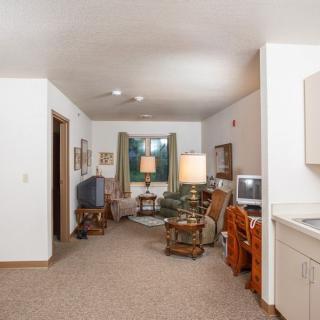
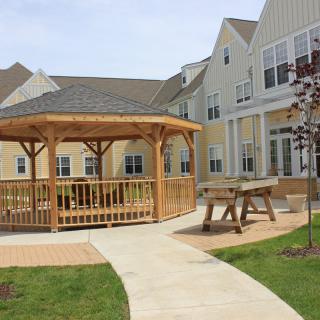
The strongest positives here clearly offset the potential drawbacks through a cohesive, values-driven operation. The staff earns exceptional marks for treating residents as family, delivering affectionate, attentive care, and maintaining a home-like, non-institutional environment. The leadership, highlighted as hands-on and supportive, keeps the team aligned around resident well-being, which translates into reliable transitions, such as hospice collaborations that feel seamless to families. The facility itself is described as newer and well maintained, with home-cooked meals, engaging activities, and rooms that feel comfortable and inviting. The combination of compassionate day-to-day care and well-tended surroundings creates meaningful, trust-filled days for residents and reassurance for families.
Evidence from the experiences shared by multiple families reinforces a single, compelling narrative: this is a place where care is relational and consistent. Residents age gracefully into familiar routines with caregivers who recall preferences, celebrate milestones, and provide steady companionship. Families repeatedly credit the environment with reversing sadness, restoring a sense of normalcy, and enabling moments of genuine happiness for their loved ones. Even during difficult transitions, such as moving into hospice, the team partners with families to preserve dignity and comfort. The overall impression is of a caring culture that prioritizes residents’ emotional and social well-being as much as their physical needs.
This is not a generic, one-size-fits-all facility; it thrives on the strength of its community rhythm. The reviews consistently praise the atmosphere as homelike, the activities as meaningful, and the meals as comforting and well prepared. It is easy to infer a consistent caregiver roster, low staff turnover, and a leadership team that backs both residents and staff in practical ways. That combination becomes the decisive factor for families choosing between several nearby options: warmth, reliability, and continuity of care often matter more than glossy amenities, and this community delivers on that promise with evident conviction.
For families deciding whether this is the right next home, the takeaway is clear. If the priority is a tight-knit, all-inclusive setting where staff know residents’ stories, partners are accessible, and transitions, up to end-of-life care, are handled with sensitivity and coordination, this community stands out. If the decision hinges on needing a robust medical infrastructure, a large dementia-specific unit, or a lower-cost option with extensive on-site clinical resources, it is prudent to compare alternatives. Tours, conversations with the ownership and caregiving teams, and direct observations of daily life will confirm whether the intimate, family-driven model described here aligns with the resident’s needs and the family’s expectations. This community’s track record supports a confident recommendation for those who value heart-led care and a stable, homelike daily experience.
 Board and Care Home
 Activities off-site
 Bath tubs
 Devotional services off-site
 Indoor common areas
 Outdoor common areas
 Private
 Diabetic care
 High acuity care
 Kosher
 Comprehensive Guide to Qualifying for Home Health Care Services
 Powerful Realities of Elder Abuse and the Most Effective Ways to Report It
 Ten Vital Duties of a Senior Caregiver: A Comprehensive Guide