Ivy Manor of West Bend presents a compelling option for residents seeking assisted living, albeit at a higher price point compared to both Washington County and the broader state of Wisconsin. For a studio apartment, Ivy Manor's monthly rate is $4,780, which exceeds the county's average of $4,386 and significantly surpasses the state average of $3,999. Similarly, for one-bedroom accommodations, Ivy Manor charges $5,380 - again well above Washington County's average of $3,451 and the state's average that stands at $3,412. While these costs highlight Ivy Manor as a premium choice in the region, they may reflect additional amenities or services that enhance the overall living experience.
Floor plans
Ivy Manor of West Bend
Washington County
Wisconsin
Studio
$4,780
$4,386
$3,999
1 Bedroom
$5,380
$3,451
$3,412
Skilled Nursing Facilities with a similar price nearby
Residents describe caring staff and visible management support, alongside a few serious concerns from other reviewers.
Many reviewers say the staff are friendly and caring, with management taking an active role in day-to-day life. Several also mention feeling safe and well cared for, including having help with personal needs and nursing attention. A few other reviews take the opposite view, describing neglect, unsafe medication handling, and inconsistent follow-through, so experiences vary.
caveat8 reviews mention this
Response and care oversight concerns
Some reviewers report slow responses and inadequate oversight in urgent situations.
A recurring negative theme is that help was delayed or not provided when it was urgently needed. Reviews cite problems ranging from callouts not being answered and residents left unattended to concerns about nursing responsiveness and medical escalation. Others add that staffing levels felt too low, which can affect how often residents get help with basic needs.
common9 reviews mention this
Food quality is frequently debated
Food gets both strong praise and sharp criticism from residents and families.
Several reviewers say the food is wonderful or excellent, and one person also describes meals as fine. At the same time, other reviews are strongly negative, including claims of poor-quality or non-nutritional meals. The community does offer special dietary restrictions and meal service, which may help match needs for some residents, even though experiences still differ.
common3 reviews mention this
Activities are appreciated, sometimes limited
Residents value activities like games and social time, but some find the options repetitive.
Families describe activities that include games, singing groups, and an activities director, and one reviewer says their loved one stayed busy most days. Another reviewer specifically questions activity variety, saying the schedule relied heavily on volunteers and became boring over time. Overall, activities seem present, but the range and consistency may not work for every resident.
common5 reviews mention this
Home-like feel and room details
Reviewers often mention a home-like setting and cleanliness, while a few raise hygiene concerns.
Some reviewers like the atmosphere, describing it as more home-like than a nursing home, with clean common areas and even bathroom cleanliness. Others mention practical room details such as smaller rooms and whether layouts include separate living and sleeping space. A small number of negative reviews cite serious hygiene and cleanliness issues, which contrasts with the positive comments.
How we summarize
Counts show how many written reviews mention each theme; a review can touch several themes, and only frequently mentioned themes are displayed.
Features
Types of Care
Assisted Living
Memory Care
Skilled Nursing Facility
Amenities
Activities off-site
Activities on-site
Beautician on-site
Cable or satellite TV
Computer center
Devotional services on-site
Dining room
Financial aid
Financing advice
Garden
Home sale assistance
Housekeeping services
Indoor common areas
Laundry
Outdoor common areas
TV room
VA Benefits Consultation
Transportation
Transportation & parking
Care Services
Assistance with bathing
Assistance with dressing
Diabetic care
Hospice care
Incontinence care
Meal preparation and service
Medication management
Physical therapy
Walking wheelchair assistance
Dining
Low / no sodium
Meals provided
No Sugar
Special dietary restrictions
Vegetarian
Activities
Activities off-site
Activities on-site
Arts and crafts
Devotional activities on-site
Fitness programs
Games
Live musical performances
Religious services
Languages Spoken
English
Nearby Places of Interest
This part of West Bend, Wisconsin offers a variety of amenities and services that would be beneficial for seniors looking to settle in the area. With a selection of restaurants offering diverse cuisine options, as well as convenient access to pharmacies, physicians, hospitals, and transportation services, seniors can easily meet their daily needs. The proximity to parks provides opportunities for outdoor recreation and leisurely walks in natural surroundings. Additionally, the presence of places of worship underscores a sense of community and spiritual support for those seeking a connection to their faith. Overall, this neighborhood offers a balanced mix of essential services and recreational activities that cater to the needs and interests of seniors looking for a comfortable and convenient living environment.
Restaurants
Ninja Japanese Steakhouse (0.5 miles)
Omicron Family Restaurant (1.1 miles)
Arby's (1.2 miles)
Panda Express (1.3 miles)
Qdoba Mexican Eats (1.3 miles)
King Pin Bowl & Ale House (1.4 miles)
Jumbo's Frozen Custard (1.4 miles)
Physicians
West Bend Clinic - East (0.5 miles)
Foot & Ankle Health Center (1.1 miles)
Advanced Pain Management (1.3 miles)
West Bend Open Mri (1.3 miles)
Froedtert West Bend Surgery Center (1.8 miles)
Mielnicki Daniel Froedtert And The Medical College Of Wisconsin West Bend Health Center West Bend (1.8 miles)
West Bend Clinic (1.8 miles)
Pharmacies
Walgreens (0.9 miles)
Shopko Pharmacy (1.1 miles)
Walmart Pharmacy (1.7 miles)
West Bend Pharmacy (1.8 miles)
Walgreens (3.1 miles)
Walgreens (4.6 miles)
Aurora Pharmacy (6.9 miles)
Cafes
Starbucks (1 miles)
Panera Bread (1.1 miles)
Parks
Ziegler Park (1.2 miles)
Decorah Hills Park (1.9 miles)
Kilbourn Street Park (2 miles)
Rolf Dog Park (2.1 miles)
Washington County Fair Park & Conference Center (2.6 miles)
Regner Park (3.2 miles)
Ridge Run County Park (3.3 miles)
Hospitals
Froedtert West Bend Health Center (1.8 miles)
St Joseph's Hospital (2.2 miles)
St Joseph's Community Hospital (2.3 miles)
Froedtert Jackson Health Center (4.9 miles)
Integrated Repair & Information Services (7.2 miles)
Ivy Manor of West Bend presents a compelling option for residents seeking assisted living, albeit at a higher price point compared to both Washington County and the broader state of Wisconsin. For a studio apartment, Ivy Manor's monthly rate is $4,780, which exceeds the county's average of $4,386 and significantly surpasses the state average of $3,999. Similarly, for one-bedroom accommodations, Ivy Manor charges $5,380 - again well above Washington County's average of $3,451 and the state's average that stands at $3,412. While these costs highlight Ivy Manor as a premium choice in the region, they may reflect additional amenities or services that enhance the overall living experience.
Ivy Manor of West Bend's comprehensive suite of services is designed to cater to the unique needs of residents with dementia or Alzheimer's disease, promoting their dignity and comfort. Assistance with bathing ensures hygiene while fostering independence, providing a sense of normalcy and well-being. Dressing assistance not only supports personal style but also helps maintain a routine that can alleviate confusion. Incontinence care addresses a sensitive yet crucial aspect of daily living, allowing residents to feel secure and cared for in a compassionate manner. Meal preparation and service are tailored to accommodate specific dietary needs and preferences, enhancing nutrition while creating familiar culinary experiences that evoke positive memories. Medication management plays a vital role in maintaining health, ensuring timely dosing without overwhelming residents who may struggle with memory recall. Physical therapy activities are designed to promote mobility and physical wellness, which can enhance cognitive function while offering opportunities for social interaction among peers. Together, these features create a supportive environment where residents can experience improved quality of life amid the challenges posed by their conditions.
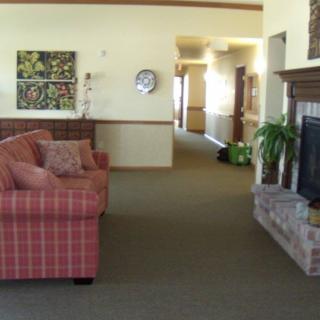
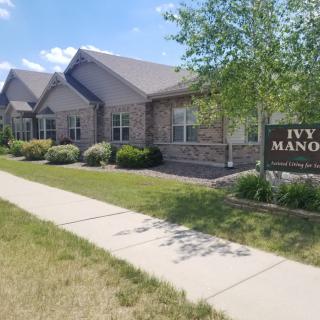
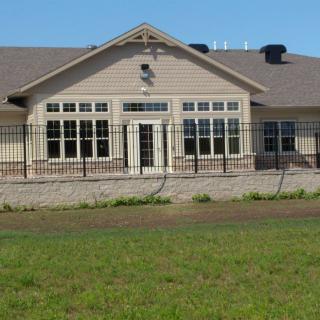
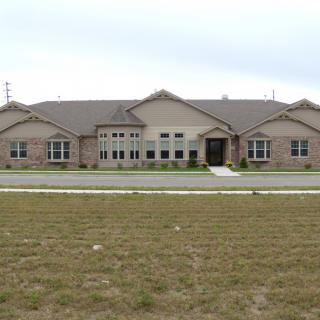
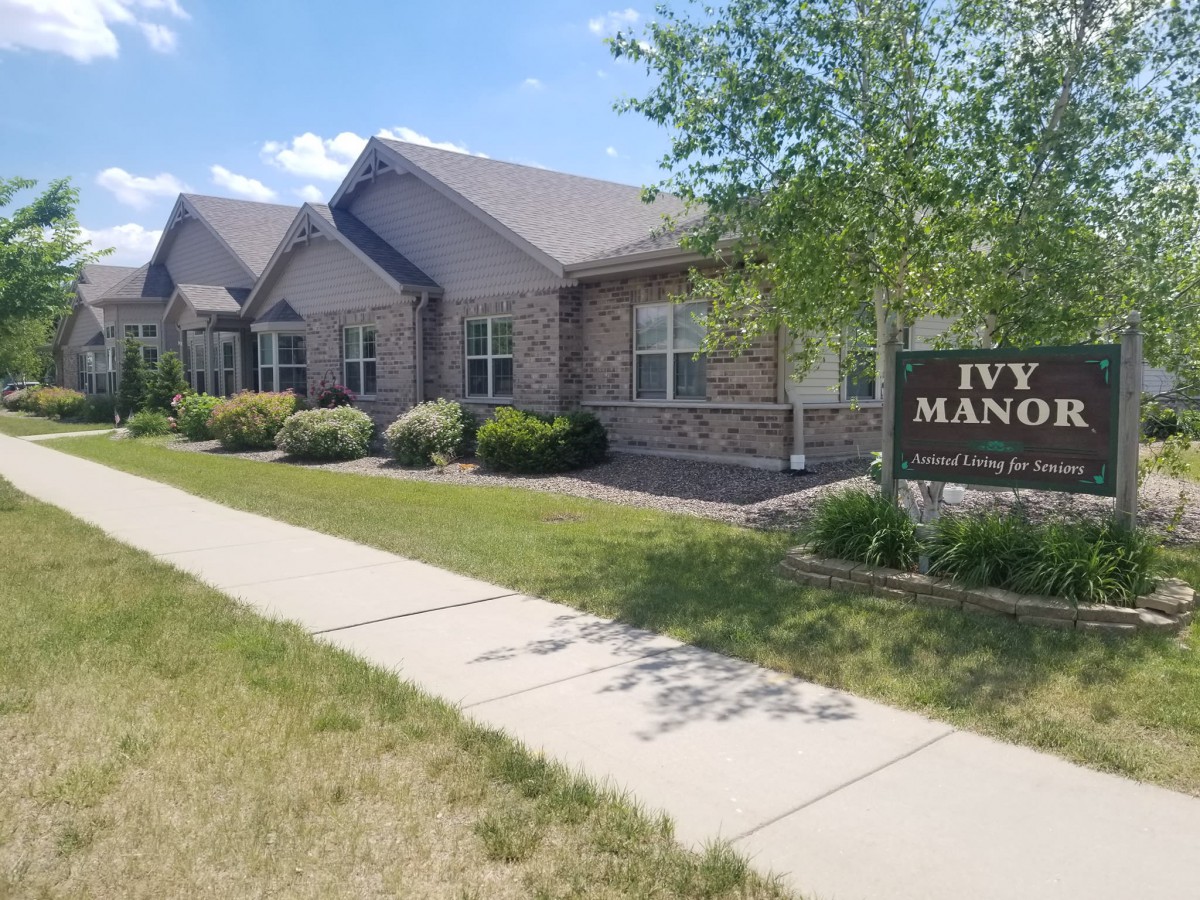
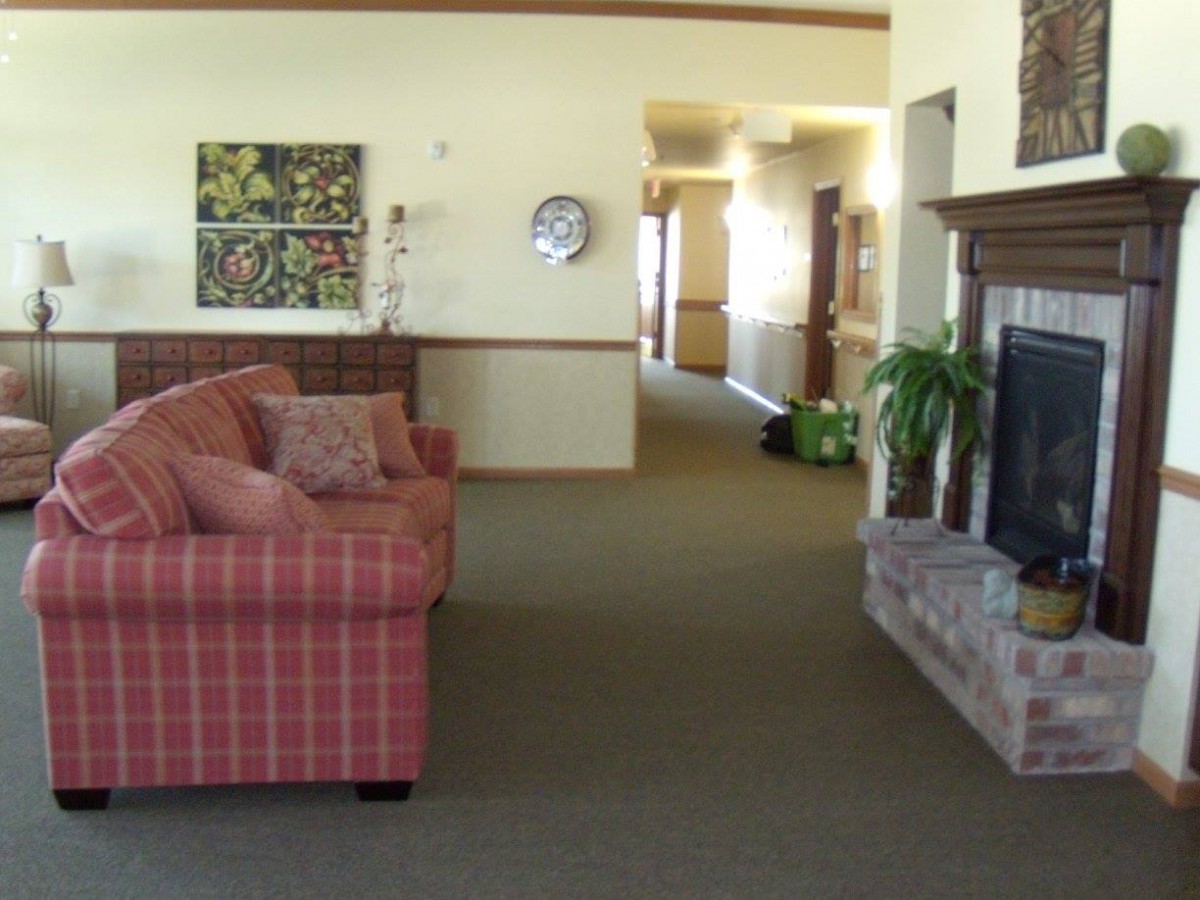
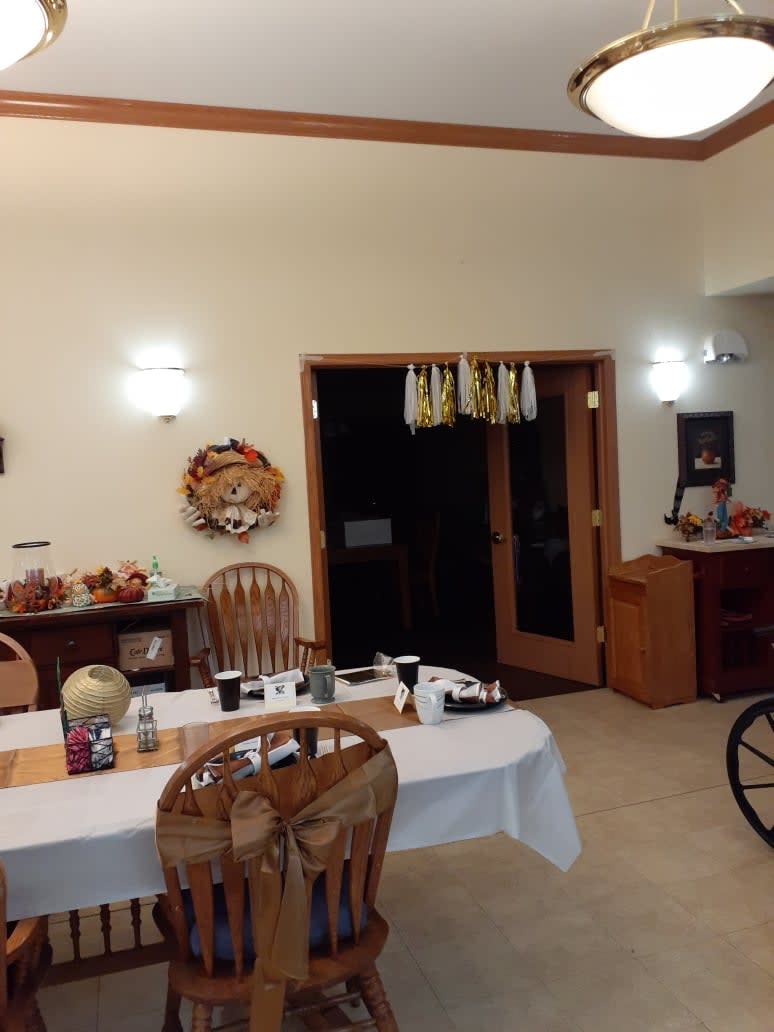
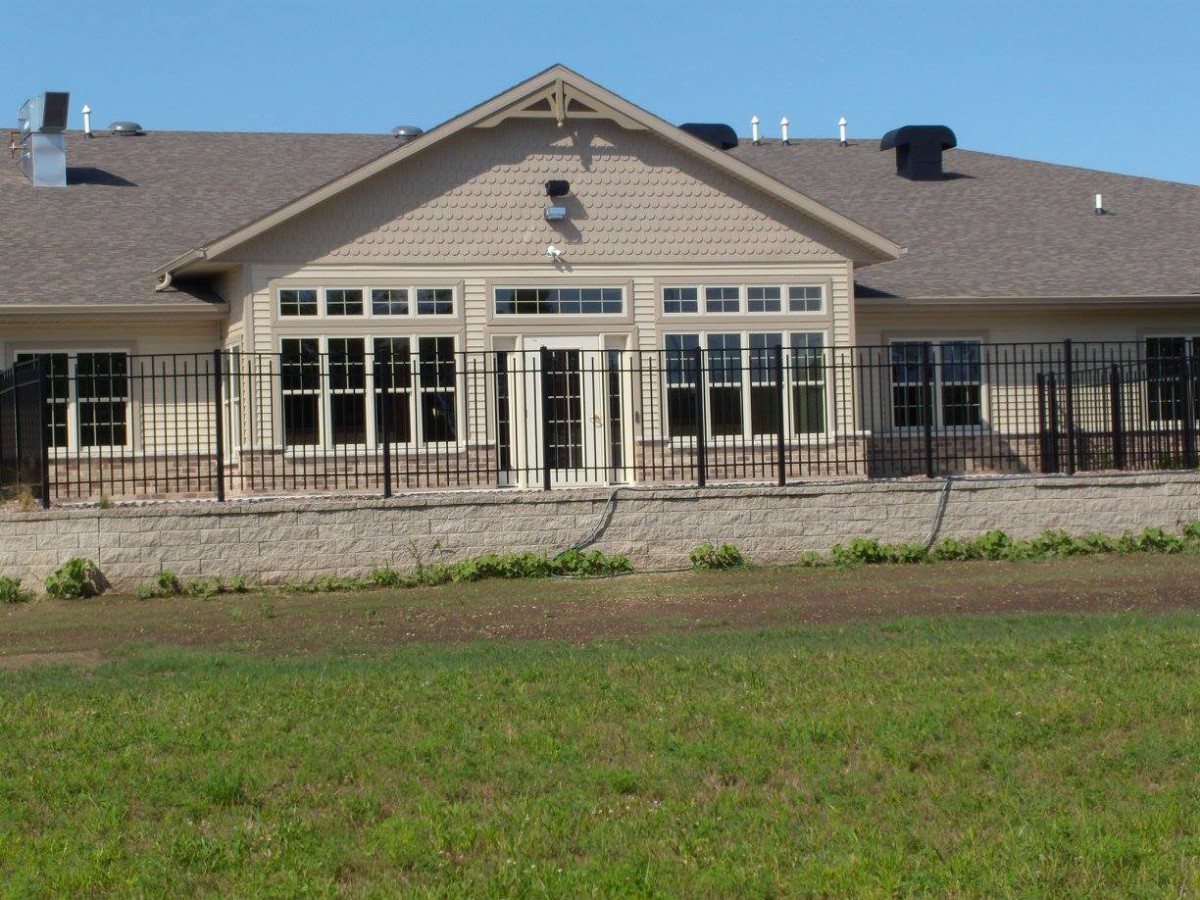
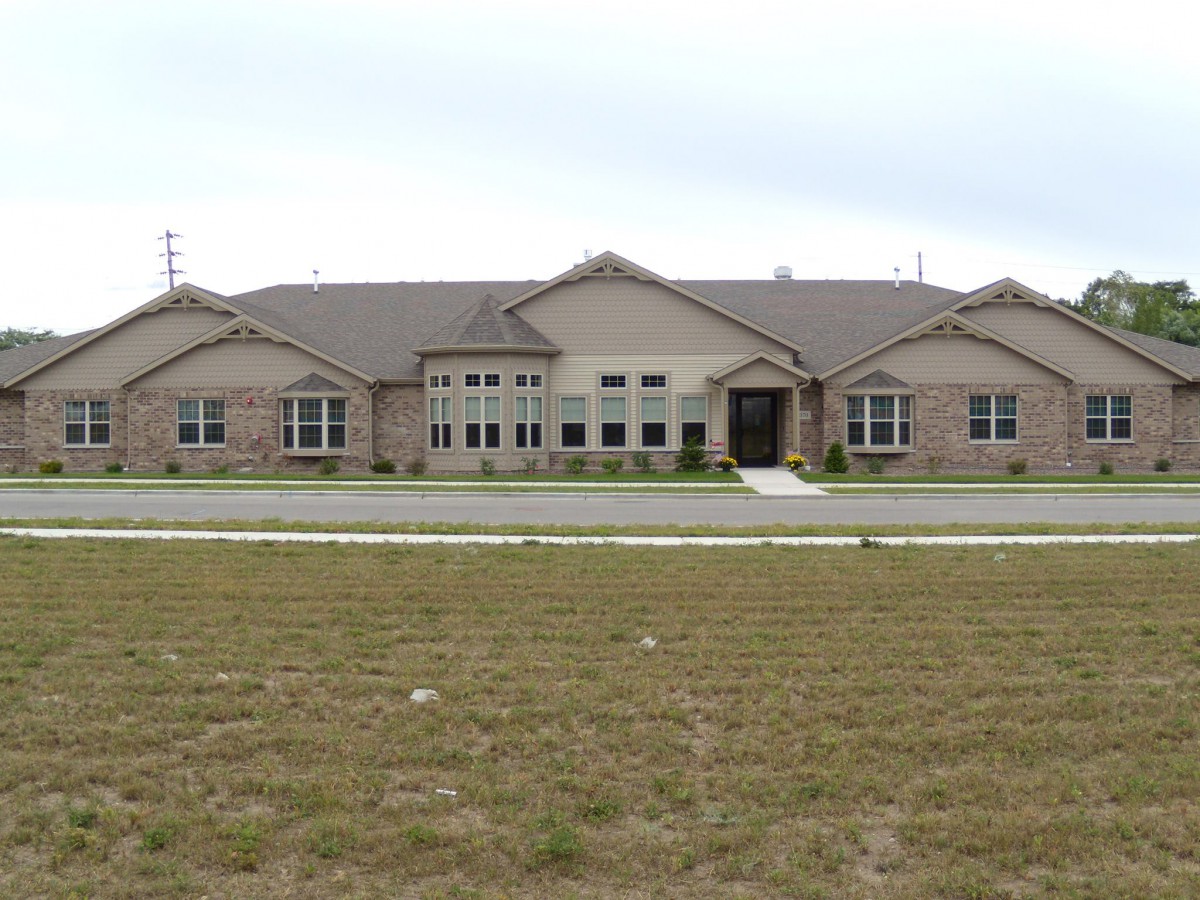
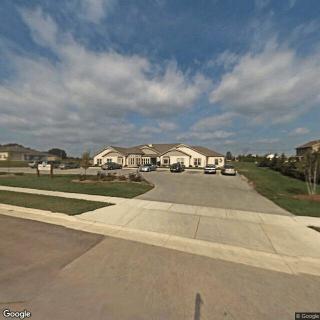
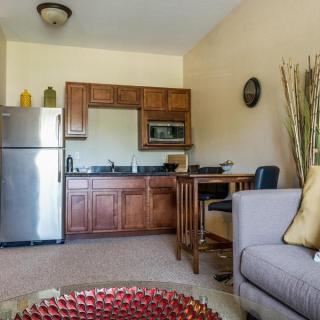
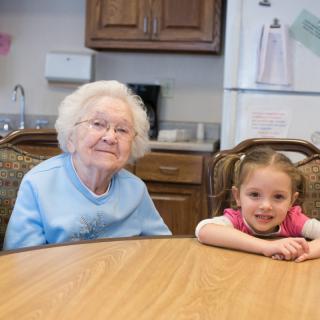
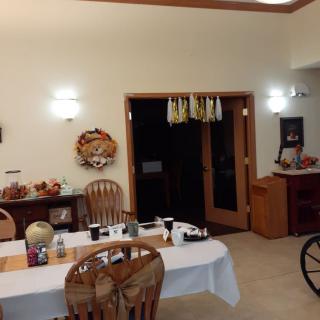
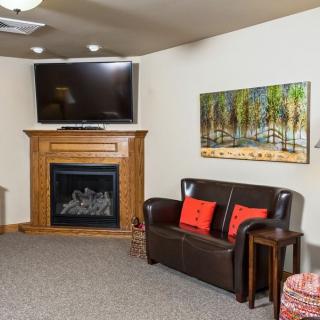
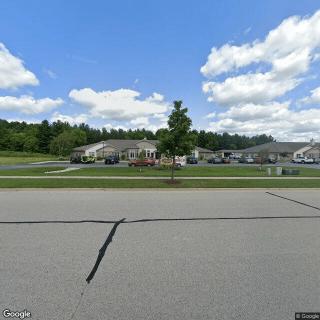
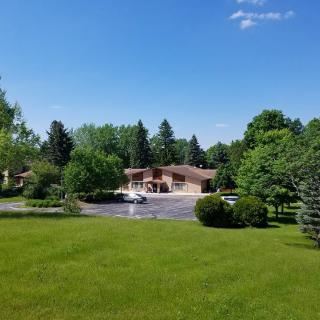
Ivy Manor of West Bend on seniors.fyi includes 6 photos including images showing building, architecture, television, hallway, dining, decor, interior, grass, and more.
Nearby Communities
Legate Afh
West Bend, WI
Comprehensive assisted living with 24-hour supervision, ADL support, meals (diabetes-friendly), transportation, and housekeeping.
Rem Polaris
West Bend, WI
4.5 from 120 reviews
Fully furnished apartments with 24-hour supervision and personalized care.
Hawthorn Manor
West Bend, WI
Small, intimate community offering both assisted living and memory care with 24-hour supervision, dementia-focused programming, transportation to medical appointments, meals and on-site activities.
Rem Wisconsin II Judith Court
West Bend, WI
Comprehensive assisted living with 24/7 supervision, medication management, diabetes-friendly dining, and furnished apartments.
New Perspective West Bend
West Bend, WI
4.6 from 96 reviews
$2,581 to $5,093 / month
Caring staff, clean and spacious facilities with diverse activities and on-site amenities.
Ps - Hillcrest
West Bend, WI
Comprehensive ADL support with medication management and diabetes-friendly meals.
The Waterford At West Bend
West Bend, WI
4.5 from 97 reviews
Friendly, caring staff and a warm, home-like atmosphere with engaging activities.
Serenity Villa
Slinger, WI
4.8 from 26 reviews
$3,100 to $5,500 / month
Warm, caring staff with engaging activities and a well-maintained, home-like environment.
Compassionate Heights of Beechwood
Kewaskum, WI
5 from 9 reviews
$5,000 / month
Specialized memory care with medication management, engaging activities, and on-site spiritual services.
"Memory Care Pathways: A Holistic Guide to Dementia Support" outlines the complexities of dementia and its various types, emphasizing early detection, patient-centered care strategies, caregiver support, and long-term care options while addressing legal and financial considerations to enhance the quality of life for individuals with dementia and their families.
Sundown syndrome, or sundowning, is a phenomenon in dementia patients characterized by increased confusion and agitation during late afternoon and evening, influenced by factors like disrupted circadian rhythms and fatigue. Effective caregiver strategies include establishing routines and managing environmental light while addressing caregiver stress through support services.
Delirium is a rapidly onset, reversible cognitive disturbance often caused by acute medical issues, while dementia is a gradual and irreversible decline due to chronic neurodegenerative diseases. Accurate differentiation between the two is essential for appropriate treatment and management in older adults.
Living Room, Artwork, Television, Fireplace, Hallway, and Indoor Plants
Landscaping, Trees, Clouds, and Sidewalk
Windows, Grass, and Fence
Building
Architecture
Single-story
Get PricingAsk A QuestionSchedule A TourContact Senior Advisor
By clicking submit, you agree to our Partner's Terms of Use. You
also consent to receive calls and texts, which may be autodialed, from our Partner. Your consent is not a condition to
using our Partner's service. Please visit our Partner's Privacy Policy for information about their privacy practices.

 Assisted Living
 Memory Care
 Skilled Nursing Facility
 Activities off-site
 Beautician on-site
 Cable or satellite TV
 Computer center
 Devotional services on-site
 Dining room
 Financial aid
 Garden
 Housekeeping services
 Indoor common areas
 Laundry
 Outdoor common areas
 Transportation & parking
 Assistance with bathing
 Assistance with dressing
 Diabetic care
 Hospice care
 Incontinence care
 Meal preparation and service
 Medication management
 Physical therapy
 Walking wheelchair assistance
 Special dietary restrictions
 Arts and crafts
 Fitness programs
 Games
Games Live musical performances
 English
 Comprehensive assisted living with 24-hour supervision, ADL support, meals (diabetes-friendly), transportation, and housekeeping.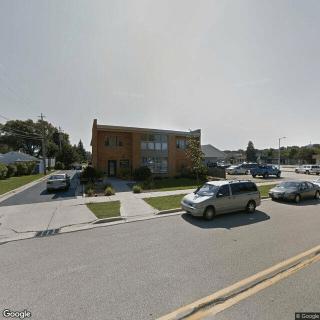

 Memory Care Pathways: A Holistic Guide to Dementia Support
 Comprehending Evening Confusion in Dementia: Causes, Manifestations, and Support
 Delirium and Dementia: Unraveling the Key Differences