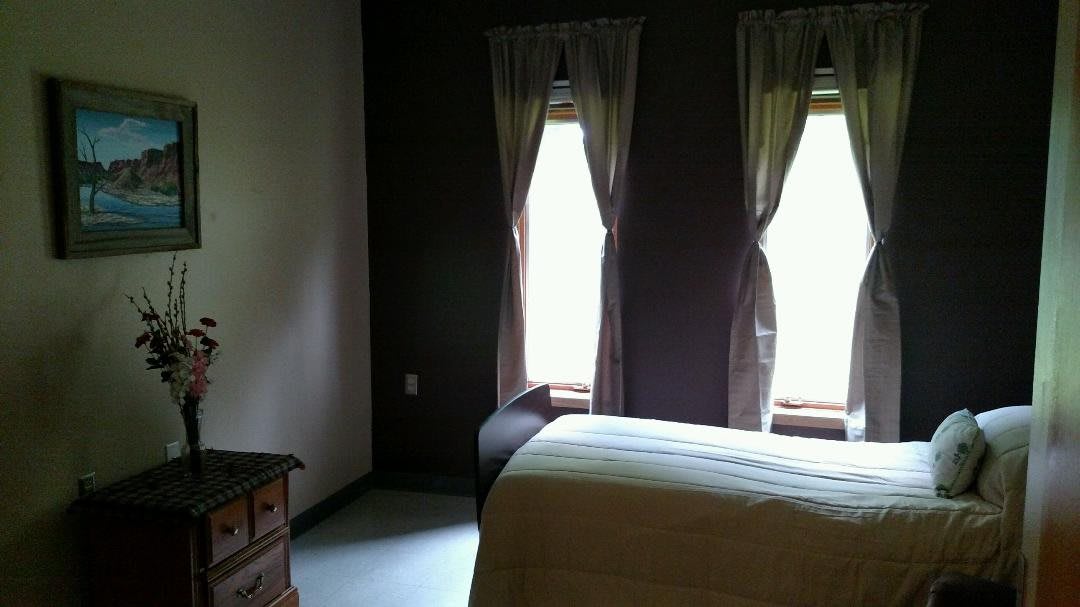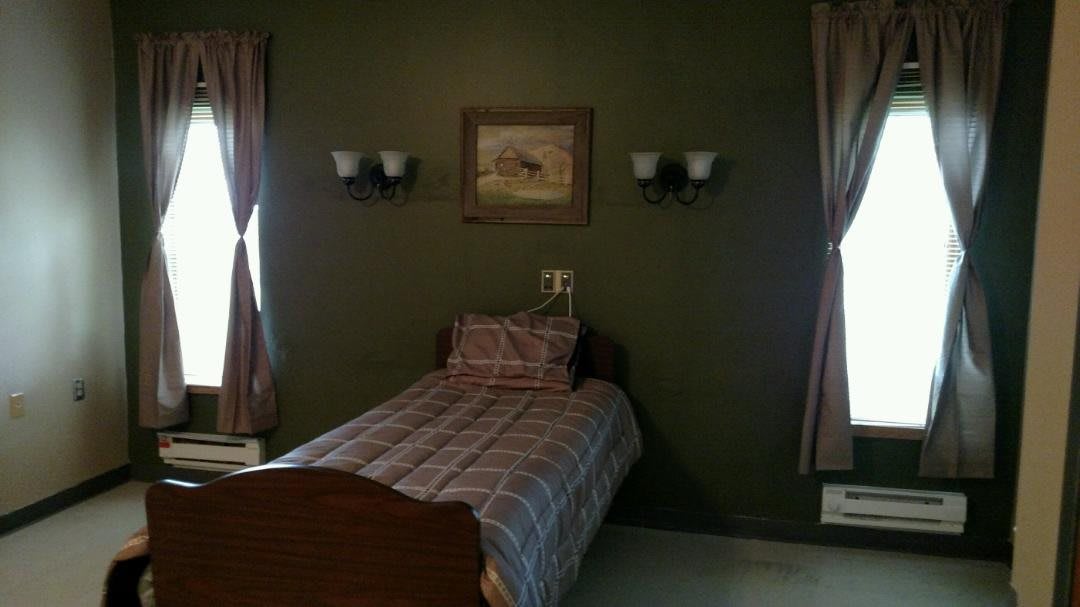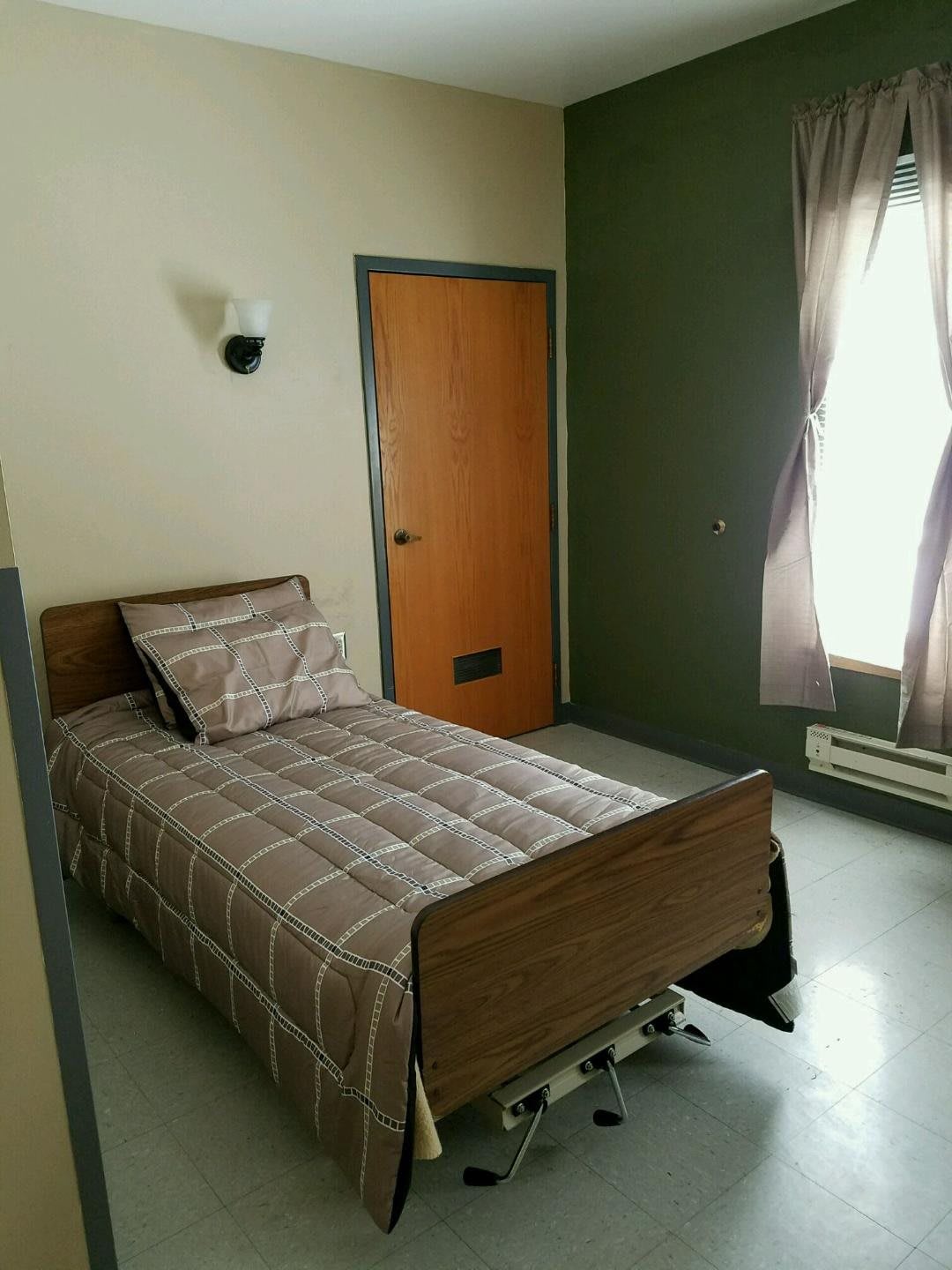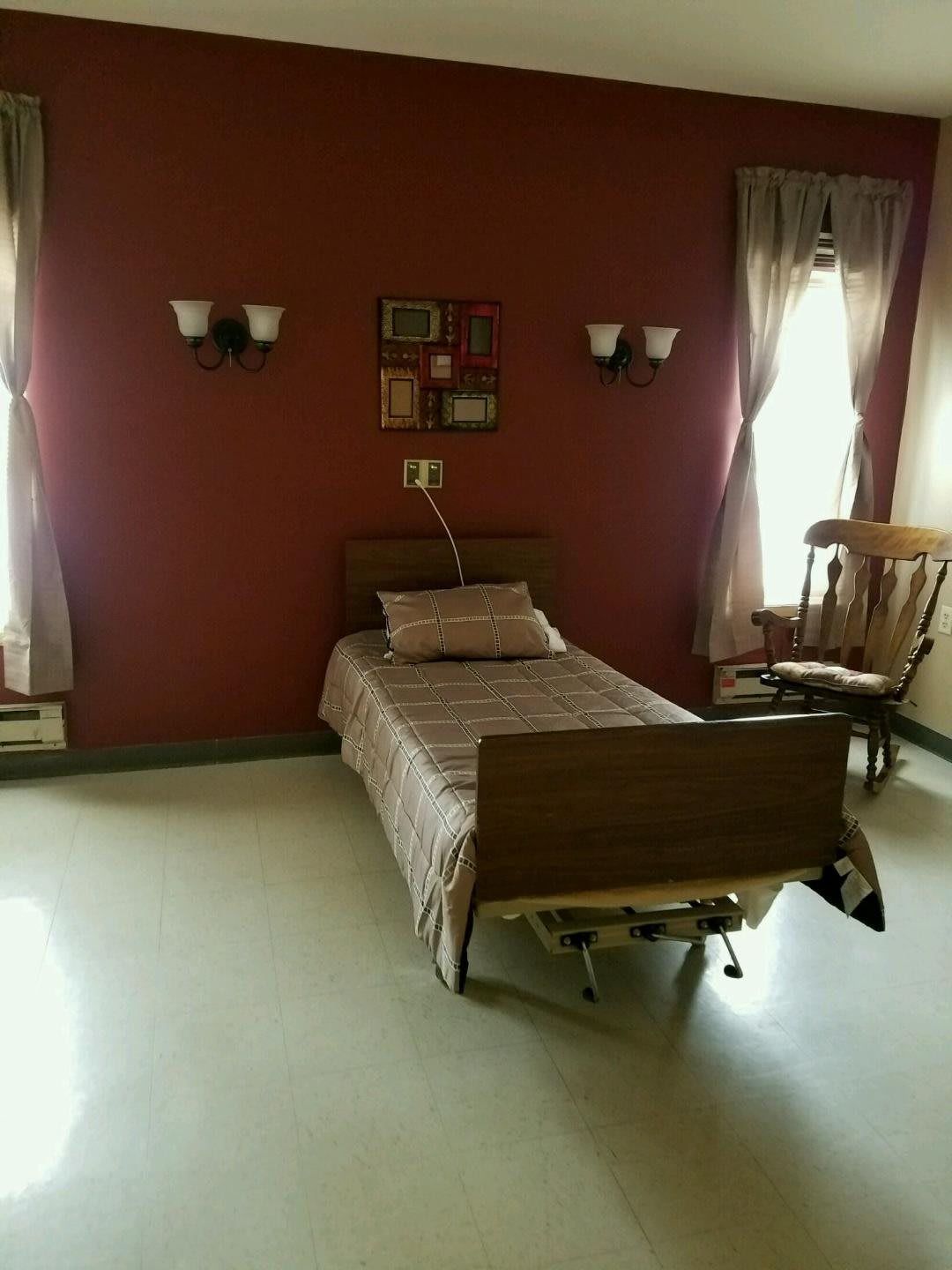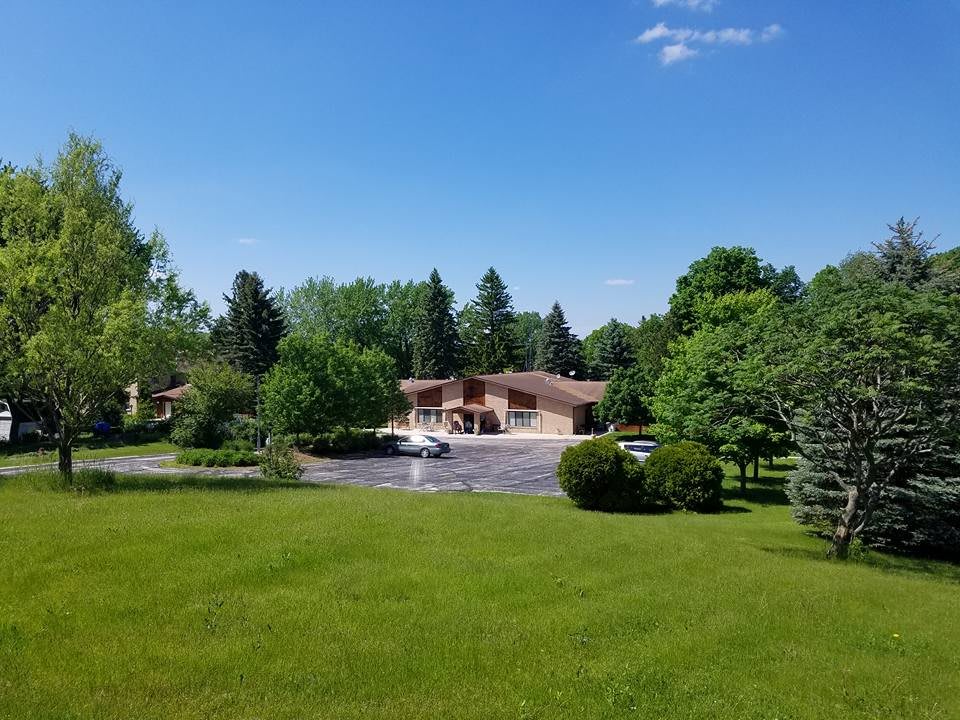
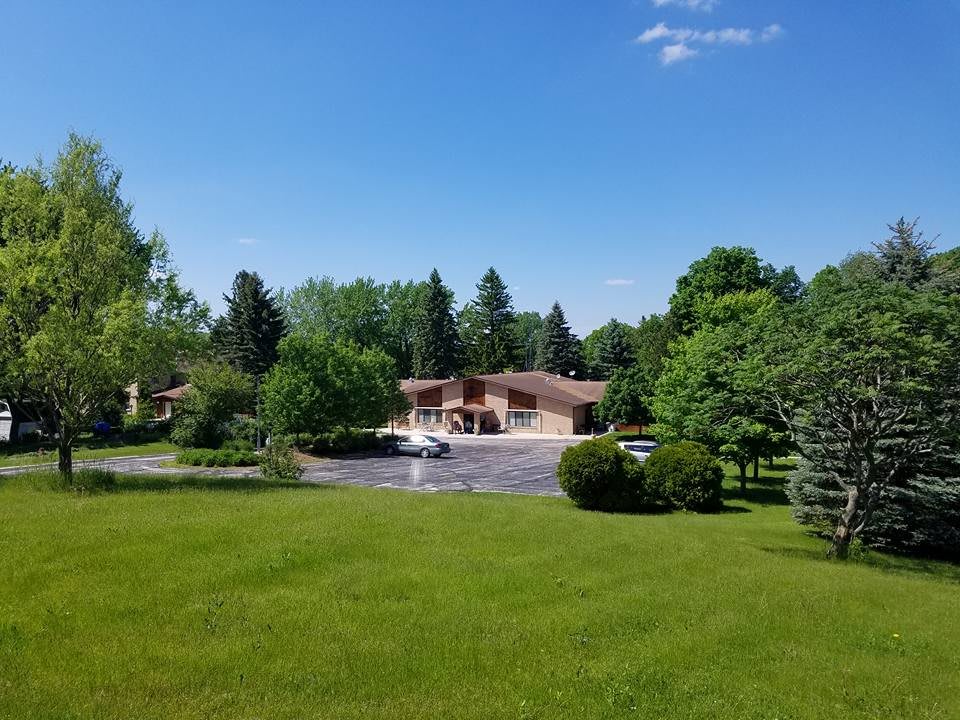
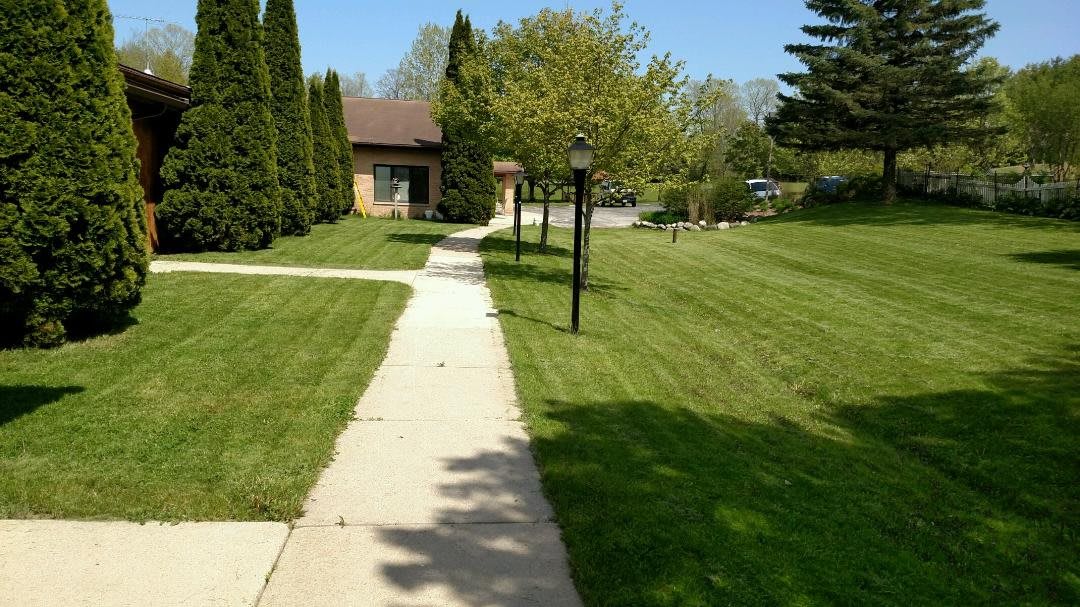
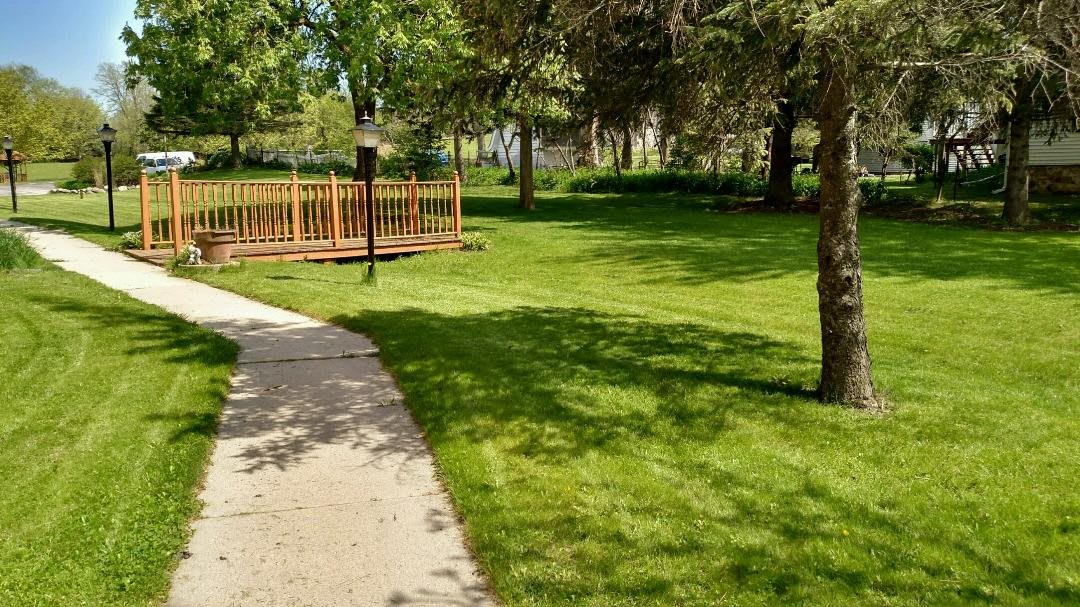
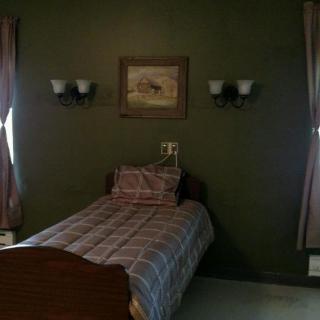
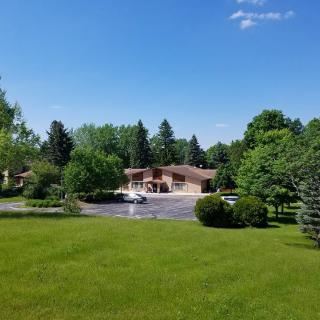
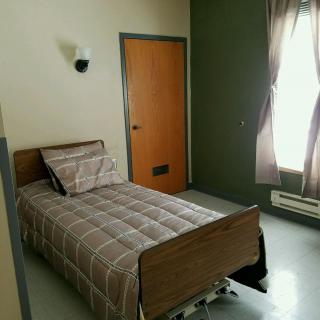
N1495 W Hwy A, Kewaskum, WI 53040
For more information about senior living options: (866) 208-4318
Compassionate Heights of Beechwood Costs & Pricing
Compassionate Heights of Beechwood offers competitive pricing for its accommodations, with both studio and semi-private room types priced at $5,000 per month. This cost is notably higher than the average monthly rates in Washington County, where studio units average around $4,386 and semi-private rooms are approximately $3,809. When considering statewide figures for Wisconsin, the costs remain elevated compared to the state averages of $3,999 for studios and $3,977 for semi-private rooms. While Compassionate Heights may carry a premium price point relative to local and state benchmarks, this investment reflects their commitment to quality care and services designed to enhance resident well-being and comfort.
| Floor plans | Compassionate Heights of Beechwood | Washington County | Wisconsin |
|---|---|---|---|
| Studio | $5,000 | $4,386 | $3,999 |
| Semi-Private | $5,000 | $3,809 | $3,977 |
Memory care communities with a similar price nearby
-
from -$800 / mo

River Way Place
$4,200 / month6.2 miles away -
from -$725 / mo
The Waterford at Hartford
$4,275 to $7,400 / month15.6 miles away -
from -$750 / mo
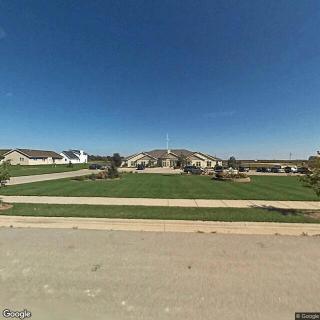
Belgium Gardens
$4,250 to $5,000 / month18.4 miles away -
from -$750 / mo
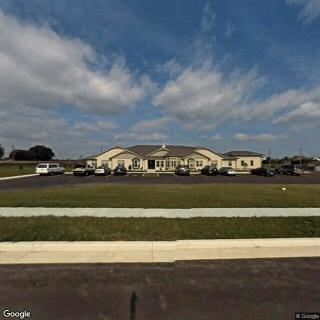
Cedar Grove Gardens II
$4,250 to $5,000 / month19.1 miles away -
from -$750 / mo
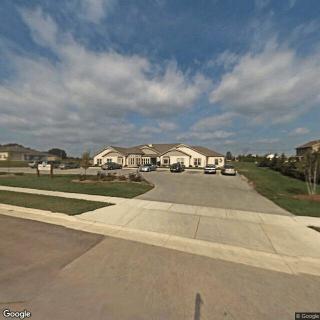
Cedar Grove Gardens I
$4,250 to $5,000 / month19.2 miles away
Overall Review of Compassionate Heights of Beechwood
Pros
 Compassionate Heights has been a blessing for families.
- The staff are incredibly kind, attentive, and treat residents with genuine compassion and respect.
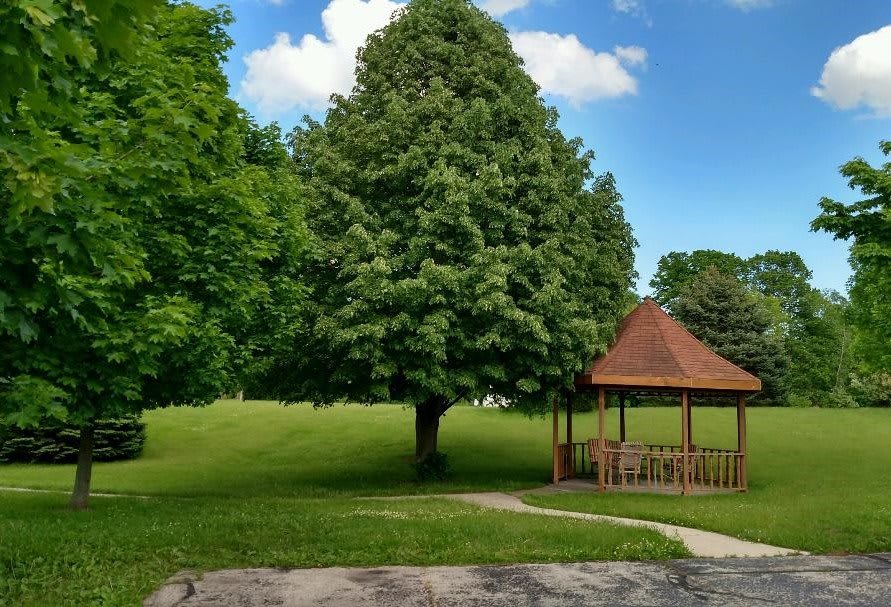
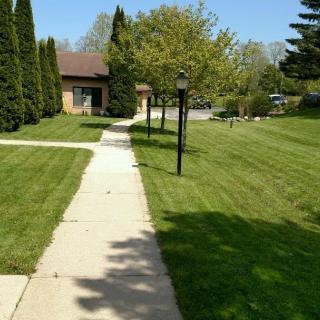
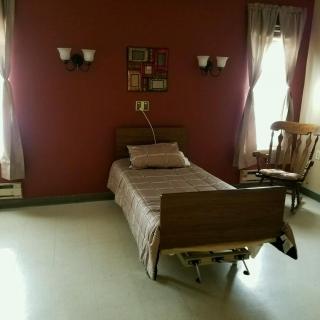
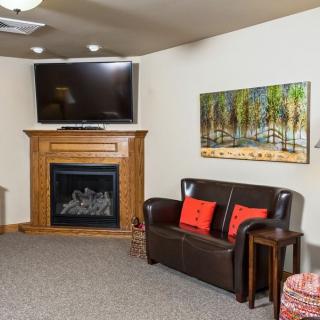
- The environment is warm, safe, and welcoming.
- Loved ones thrive—happier, healthier, and truly at home.
- Families couldn't ask for better care.
- The facility offers amazing care and is beautiful.
Review
Compassionate Heights of Beechwood in Kewaskum, WI is best suited for seniors whose families prize warmth, personal attention, and days that feel more like home than a clinical routine. The care team is described as incredibly kind and attentive, consistently treating residents with genuine compassion and respect. The environment is portrayed as warm, safe, and welcoming, with staff who know residents by name and rhythm, easing transitions and daily uncertainties. Families report loved ones thriving, happier, healthier, and truly at home, an outcome that reflects consistent, relationship-driven care. In short, this community delivers the human touch that makes the ordinary moments of aging feel dignified and manageable.
That said, there are clear reasons some families will want to consider alternatives. For seniors with more pronounced medical complexity, intricate skilled-nursing needs, or intensive memory-care programming, communities with larger clinical teams and specialized Dementia care resources may be more suitable. Price transparency and flexibility around rates, contracts, and potential add-ons are also important considerations that are not explicitly detailed in the available feedback. With nine reviews, the consensus is overwhelmingly positive, but the absence of explicit data on costs, level-of-care options, and activity depth means families should verify these practical details before making a commitment.
The strongest pros revolve around the human connections that residents experience every day. Kindness, attentiveness, and respectful treatment contribute to a sense of being truly valued, which in turn supports emotional stability and engagement. A warm, safe, and welcoming environment reinforces predictable routines and social opportunities, reducing anxiety for both residents and families during a transition. The notion that a resident is thriving, emotionally and physically, speaks to effective daily interactions, appropriate pacing of activities, and consistent personal attention. When compared with facilities that struggle with impersonal service or high turnover, these relational assets become a decisive offset to many potential concerns.
However, the lack of explicit negatives in the public reviews does not erase practical questions that influence long-term satisfaction. Key gaps to address include staff-to-resident ratios during different shifts, the availability of an on-site nurse or medical director, and how rapidly changing medical needs are managed within the same campus. Questions about the range of on-site services, from rehabilitative therapies to memory-care programming, matter greatly for families planning for potential future changes. Clarity on meal quality, activity calendars, transportation options, and any additional fees will also help families compare this community against alternatives with similar warmth but different clinical capabilities.
Prospective families should approach a visit with a structured checklist that covers both heart and hands. Meet the administrator and frontline caregivers to gauge consistency of response and depth of resident knowledge. Request to observe a mealtime or activity and speak with current residents or family members about communication during care planning and any perceived gaps. Review sample care plans, ask about how often plans are updated, and inquire into continuity of care if a loved one’s needs rise. Bring questions about costs, contracts, scope of services, and what happens when more intensive support becomes necessary, ensuring the plan aligns with both budget and expectations.
The bottom line is straightforward. For families seeking a nurturing, home-like setting where staff interactions feel personal and genuine, Compassionate Heights stands out as a compelling option in the Beechwood area. It delivers a level of warmth and daily attentiveness that translates into visible improvements in mood and well-being, which is often the most meaningful measure of fit. If medical complexity, specialized memory-care programming, and transparent, scalable pricing are top priorities, this community should be weighed against alternatives that foreground those capabilities. A confident choice will align the loved one’s best emotional and practical needs with a facility capable of sustaining that standard over time.
 Assisted Living
 Memory Care
 Cats allowed
 Activities off-site
 Air-conditioning
 Bath tubs
 Beautician on-site
 Devotional services off-site
 Ground floor units
 Indoor common areas
 Outdoor common areas
 Respite or short term stays offered
 Wi-Fi/high-speed internet available
 Diabetic care
 Medication management
 Gluten-free
 Art classes
 Catholic services
 Cooking classes
 Day trips and outings
 Happy hour
 Live dance or theater performances
 Live musical performances
 Live well programs

 Understanding Dementia Through Its Seven Stages: A Comprehensive Look at Progression and Expectations
 A Holistic Dementia Care Guide: Effective Strategies for Memory Support
 Memory Care Pathways: A Holistic Guide to Dementia Support