
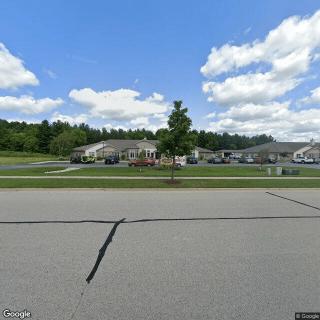
1421 Fond Du Lac Avenue, Kewaskum, WI 53040
For more information about senior living options: (866) 208-4318
Overall Review of Exodus Transitional Care Facility
Pros
 The counselors are amazing.
- The atmosphere is homely.
- The food is good.
- The place offers help to those in need.
- Exodus House turned lives around and restored hope.
Review
Exodus Transitional Care Facility in Kewaskum is best suited for adults who want a structured, counselor-led path out of acute addiction or hospital-based care, delivered within a warm, home-like setting. The program centers on ongoing recovery support, not just temporary stabilization, and it shows up in how staff relate to residents. The most compelling signals are the consistently described care from counselors, the sense of belonging in a homely atmosphere, and meals that reinforce daily comfort. In short, this community works for individuals who respond to personal attention, steady coaching, and a safe environment where recovery is treated as a lived, everyday practice rather than a clinical procedure.
That clarity of purpose means certain individuals should consider alternatives. For anyone whose primary need is intensive medical supervision for complex chronic conditions, high-acuity nursing, or a residence with more independent living options, other facilities may be a better fit. Likewise, prospective residents seeking a highly medicalized setting, rapid discharge planning without a strong relational component, or a program without a distinct emphasis on addiction recovery may encounter a mismatch here. The Exodus model excels at connection and therapy; it is not framed as a general medical hospital or a long-term custodial home.
The strongest pros, empathetic counselors who genuinely invest in recovery, a homely, low-stress vibe, and reliable, nourishing meals, address the core challenges of transition well. Counselors who care can translate insight into action, helping residents move from hope to sustainable routines. The homely atmosphere reduces tension around treatment and lowers barriers to participation in groups or counseling sessions. In a recovery arc, that combination often translates into higher engagement, better adherence to aftercare plans, and a greater likelihood that lessons learned during stay carry into daily life after discharge. When the environment reinforces accountability without feeling punitive, the risk of relapse tends to be mitigated.
These advantages offset the implied limits of any program focused on recovery rather than medical complexity. The facility’s transitional-care framing means residents leave with a concrete plan for ongoing support, rather than facing abrupt disengagement. The environmental stability, the predictability of meals, daily structure, and steady staff presence, offers a rhythm that supports behavior change and relapse prevention. While not a substitute for intensive medical care, the model functions as a powerful bridge: it takes the energy generated by counseling and channels it into durable habits, social connection, and a clearer path forward.
For families evaluating options, it helps to ask how success is defined in practice: length of stay, completion of a counseling track, adherence to aftercare, and the strength of the discharge plan. Prospective residents should inquire about the daily schedule, the level of personal interaction with counselors, and the availability of family involvement in recovery milestones. The practical takeaway is that Exodus excels when the goal is building recovery capital through compassionate, hands-on guidance and a steady, home-like setting. It may be less suitable for someone prioritizing medical intensity or independence from structured group routines.
Overall, Exodus Transitional Care Facility earns strong local regard, underscored by a high rating from those who have experienced its approach. The blend of dedicated counseling, a welcoming atmosphere, and dependable nourishment creates a meaningful environment for meaningful change. When the aim is to establish recovery habits in a supportive, nonclinical setting, this community stands out as a purposeful choice. For those whose needs align with transitional recovery rather than hospital-grade medical oversight, the path here is clear: the pros directly address the central hurdles, and the few potential mismatches are readily identifiable and avoidable with upfront planning.
 20 resident community capacity
 Assisted Living
 Beauty salon
 Cable or satellite TV
 Dining room
 Fully furnished
 Garden
 Housekeeping services
 Kitchenette
 Move-in coordination
 Outdoor space
 Telephone
 Wi-Fi/high-speed internet available
 24-hour call system
 Activities of daily living assistance
 Assistance with bathing
 Assistance with dressing
 Assistance with transfers
 Diabetes diet
 Meal preparation and service
 Medication management
 Mental wellness program
 Special dietary restrictions
 Transportation arrangement (medical)
 Transportation to doctors appointments

 Beyond the Bingo Hall: 50+ Enriching Activities for Seniors in Assisted Living
 Understanding the Distinctions: Assisted Living and Memory Care Explained
 Guiding Elderly Parents Who Refuse Assisted Living: 6 Practical Steps