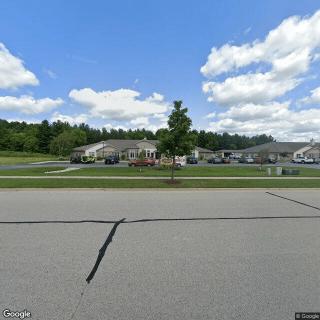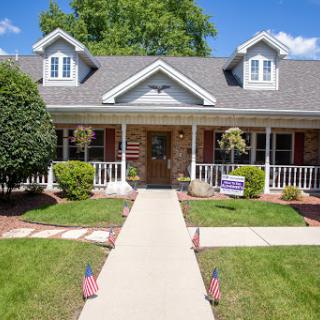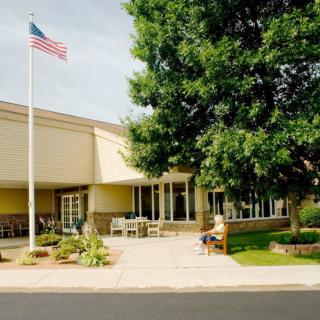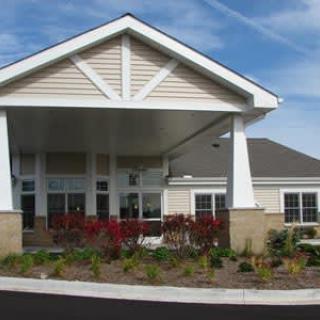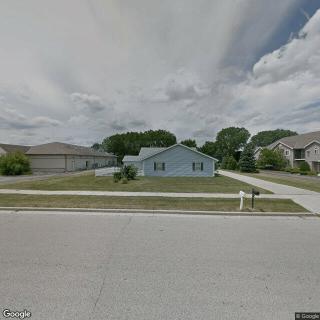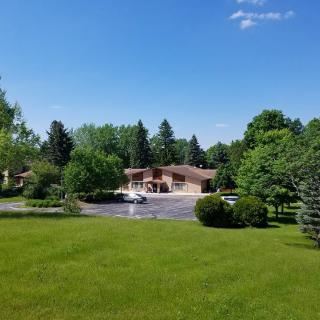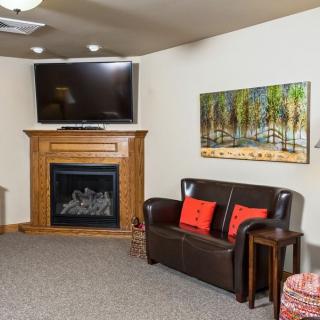
Kettle Moraine Gardens in Kewaskum, WI

Save
Kettle Moraine Gardens

Kettle Moraine Gardens in Kewaskum, WI

1038 Fond Du Lac Avenue, Kewaskum, WI 53040

For more information about senior living options: (844) 490-3973

4.1 from 9 reviews
5 stars
7
4 stars
0
3 stars
0
2 stars
0
1 stars
2

Assisted Living Independent Living Memory Care

Kettle Moraine Gardens Costs & Pricing

At Kettle Moraine Gardens, the monthly costs for accommodations reflect a competitive pricing structure within the surrounding Washington County and the broader Wisconsin area. For a one-bedroom apartment, residents can expect to pay $3,350, which is slightly below the county average of $3,451 and marginally above the state average of $3,412. When considering two-bedroom options, Kettle Moraine Gardens offers a rate of $3,650, which is notably higher than both the county's average of $3,433 and significantly exceeds the state's average of $3,111. This pricing may suggest unique amenities or services that enhance the living experience at Kettle Moraine Gardens, making it an attractive choice for those seeking quality senior living in a vibrant community.

Floor plansKettle Moraine GardensWashington CountyWisconsin
1 Bedroom$3,350$3,451$3,412
2 Bedrooms$3,650$3,433$3,111

Overall Review of Kettle Moraine Gardens

Pros

  • pro Kettle Moraine Gardens is truly the gold standard for assisted living.
  • pro The caregivers and staff are beyond wonderful - they genuinely love their residents and go above and beyond to ensure they are well-groomed, clean, and well-fed.
  • pro The environment they create is not just safe and comfortable but also exceptionally fun, filled with engaging activities that bring joy to everyone.
  • pro What sets Kettle Moraine Gardens apart is their commitment to providing outstanding care across all three levels of care.
  • pro They are, without a doubt, the best in the state.
  • pro Kettle Moraine Gardens was beautiful, bright, and welcoming.
  • pro The staff during the tour was very knowledgeable and very compassionate.
  • pro Kettle Moraine Gardens is a brand-new place.

Cons

  • pro There were reports of prison food, two-faced employees, and the owner showing favorites, with those not in the click being left out.
  • pro It was a disappointment to learn they had no availability.

Review

Kettle Moraine Gardens in Kewaskum, Wisconsin, is best suited for families seeking a genuinely resident-centered assisted living where staff commitment is palpable and daily life centers on care, safety, and meaningful activity. The community especially appeals to families with memory-care needs who value a stimulating routine, social interaction, and a home-like atmosphere over a sterile, impersonal setting. The facility's bright, welcoming design, spacious rooms, and accessible gardens set a tone of comfort from the first tour. Residents are described as well-cared-for - clean, groomed, fed well - and the agenda runs with purposeful engagement, from organized activities to garden time and spa options that create moments of normalcy and dignity.

That said, prospective residents should consider alternatives if a consistently uniform culture is non-negotiable. A few reviewers raised concerns about dining quality and staff dynamics, including perceptions of favoritism and cliquish behavior among employees and management. The impression of a resident-driven hierarchy can undermine trust in care somewhat, especially for families who prize transparent communication and predictable daily routines. Availability can also be a hurdle, with at least one tour turning into a waitlist reality that delays admission. For families with tight timelines or strict budget constraints, those factors might push them to compare options more aggressively before deciding.

On the positive side, staff dedication stands out as the defining strength. Caregivers and front-line teammates are described as loving residents, going beyond routine tasks to keep residents clean, nourished, and engaged. The community presents a consistent level of care across memory care, general assisted living, and higher-need support, which gives families confidence that transitions won't trigger new gaps. The environment supports that care philosophy: a newer, bright facility, welcoming rooms, and thoughtfully designed common spaces, plus garden areas and a spa. The activity calendar is a strength - cards, bingo, and organized outings appear regular - and the memory-care setting is described as especially stimulating, contributing to a sense of purpose and social belonging.

However, the negative voices cannot be dismissed. One review labeled the dining as prison-like and criticized the food quality; another described staff as two-faced and voiced concerns about favoritism. Such feedback points to a potential mismatch between some residents' experiences and the community's best-case performance. The strongest caution is the risk that the promised culture doesn't consistently materialize, which can matter deeply for seniors who rely on steady, respectful handling and straightforward, respectful communication from leadership. With at least one report of no current availability, the practical hurdle of securing a spot can also complicate the decision, particularly for families facing imminent care needs.

How these dynamics play out in real life will hinge on due diligence. The robust pros - genuine caregiver devotion, multi-level care, an active calendar, and home-like surroundings - can offset many concerns when matched with careful onboarding and ongoing communication. To blunt the risk of uneven experiences, families should push for specifics during tours: request to meet several direct caregivers, ask about staff retention, inquire how leadership handles complaints, and confirm dining standards by sampling meals or reviewing menus. Visiting during mealtimes and activity periods helps gauge consistency. If transparent, consistently applied practices and a uniformly positive daily experience are non-negotiable, those factors may tilt the decision toward pursuing alternatives with a more consistently uniform culture.

Bottom line: Kettle Moraine Gardens is a strong candidate for families who prize warmth, personal attention, and a lively memory-care environment, where care quality is the priority and the community can feel like a close-knit family. For those who cannot tolerate signs of favoritism, inconsistent dining experiences, or waiting lists, it warrants careful comparison with other Wisconsin options that emphasize stability and clear, egalitarian staff dynamics. The right path involves multiple, candid visits, conversations with current residents or families, and a clear set of expectations about meals, staff assignments, and care routines. When alignment exists, this community can deliver the kind of compassionate, engaging living environment that supports dignity and independence well into later years.

Features

Housing

  • 21 resident community capacity 21 resident community capacity
  • 1-bedroom apartments 1-bedroom apartments1-bedroom apartments are important for seniors because they provide a sense of independence, privacy, and autonomy while still offering the necessary space for comfortable living. These apartments allow seniors to maintain their own personal space and lifestyle preferences in a supportive community setting.
  • 2-bedroom apartments 2-bedroom apartments2-bedroom apartments are important for seniors because they provide extra space for guests, hobbies, and caregivers, as well as potential for additional income through roommates or rental.
  • Studio apartments Studio apartmentsStudio apartments are important for seniors because they offer a smaller, more manageable living space that is easier to navigate and maintain as physical abilities decline. Additionally, studio apartments provide seniors with independence and privacy while still being part of a community that offers support and social opportunities.

Types of Care

  • Assisted Living Assisted LivingAssisted living facilities provide crucial support and care for seniors who may need help with daily tasks such as medication management, bathing, and meal preparation. These communities offer a safe and comfortable environment where seniors can maintain their independence while receiving the assistance they need to thrive in their golden years.
  • Independent Living Independent LivingIndependent living communities are important for seniors because they offer a safe and supportive environment where older adults can live independently while still having access to amenities and services that enhance their quality of life. These communities provide social opportunities, recreational activities, and assistance with daily tasks, promoting overall well-being and allowing seniors to maintain their independence for as long as possible.
  • Memory Care Memory CareMemory care is crucial for seniors as it provides specialized support and services for individuals with dementia or Alzheimer's disease. These programs offer a safe and secure environment where residents receive personalized care, cognitive stimulation, and help with daily activities. Memory care helps seniors maintain their independence, quality of life, and dignity while also providing peace of mind for their families.

Amenities

  • Activities off-site Activities off-siteEngaging in off-site activities is crucial for seniors to maintain social connections, stay active, and stimulate their minds. It promotes overall well-being and helps combat feelings of isolation and loneliness.
  • Activities on-site Activities on-siteActivities on-site are important for seniors because they provide opportunities for socialization, mental stimulation, physical activity, and overall well-being. Engaging in activities can help seniors stay active, maintain their independence, and improve their quality of life.
  • Bath tubs Bath tubsBath tubs are important for seniors because they provide a safe and relaxing way to bathe, helping to prevent slips and falls while promoting independence and overall well-being.
  • Beautician on-site Beautician on-siteHaving a beautician on-site at a senior living community is important for seniors as it allows them to easily access grooming and personal care services, boosting their self-esteem and overall well-being. It also provides convenience and helps seniors maintain their sense of independence and personal style.
  • Beauty salon Beauty salonBeauty salons are important for seniors because they provide a space for them to feel pampered, socialize, and maintain their personal grooming and hygiene. Regular visits to a beauty salon can help boost seniors' self-esteem and overall well-being.
  • Cable or satellite TV Cable or satellite TVCable or satellite TV is important for seniors because it provides entertainment, news, and companionship, helping to combat loneliness and boredom. It also offers a wide range of programming options tailored to different interests and preferences.
  • Devotional services off-site Devotional services off-siteDevotional services off-site are important for seniors as they provide spiritual nourishment, social engagement, and a sense of community outside of the senior living facility. This can enhance overall well-being and help combat feelings of isolation and loneliness often experienced by older adults.
  • Devotional services on-site Devotional services on-siteDevotional services on-site provide seniors with spiritual support and a sense of community, as well as an opportunity for reflection and guidance during their senior living experience. This can promote emotional well-being and connection to others, leading to a more fulfilling and enriching lifestyle in their later years.
  • Dining room Dining roomDining rooms are important for seniors as they provide a space for socialization, connection, and nutritious meals. They offer opportunities for residents to bond over shared meals, foster a sense of community, and promote healthy eating habits. Dining rooms also ensure that seniors have access to well-balanced meals tailored to their dietary needs and preferences.
  • Fully furnished Fully furnishedFully furnished senior living communities are important for seniors because they provide convenience, comfort, and a hassle-free moving experience. Seniors can easily settle into their new living space without the stress of having to buy and move furniture. This allows them to focus on enjoying their new home and community.
  • Garden GardenGardens are important for seniors as they provide a peaceful and therapeutic environment for relaxation, physical activity, and socialization. Being in nature has been shown to reduce stress, improve mood, and promote overall well-being. Gardens also offer opportunities for seniors to engage in gardening activities, which can improve mobility, flexibility, and cognitive function. Additionally, gardens create a sense of community and connection with others who share a passion for plants and outdoor spaces.
  • Housekeeping services Housekeeping servicesHousekeeping services are important for seniors because they help maintain a clean and safe living environment, promote independence, and reduce the risk of accidents or illnesses. Additionally, having assistance with household chores can alleviate physical strain and allow seniors to focus on other aspects of their well-being.
  • Indoor common areas Indoor common areasIndoor common areas are crucial for seniors as they provide a space for socialization, recreation, and community engagement, promoting overall well-being and reducing feelings of isolation and loneliness.
  • Kitchenette KitchenetteKitchenettes are important for seniors living in senior living communities because they provide the convenience and independence of being able to prepare simple meals and snacks in the comfort of their own living space. This can help promote a sense of autonomy and well-being for seniors, allowing them to maintain some level of control over their dietary choices and daily routines.
  • Move-in coordination Move-in coordinationMove-in coordination is important for seniors because it helps ease the transition into their new living environment. It ensures that all logistics, such as packing, organizing movers, and setting up utilities are taken care of, allowing seniors to focus on settling in and adjusting to their new home. Having a smooth move-in process can alleviate stress and anxiety, making the transition smoother and more enjoyable for seniors.
  • Outdoor common areas Outdoor common areasOutdoor common areas are important for seniors as they provide a space for socialization, physical activity, and relaxation. Being outside in nature can improve mood and overall well-being, while also encouraging movement and engagement with others. These spaces can help combat feelings of isolation and promote a sense of community among residents.
  • Outdoor space Outdoor spaceOutdoor spaces are important for seniors as they provide opportunities for physical activity, social interaction, exposure to natural light and fresh air, and a sense of connection to nature. Having access to outdoor spaces can improve overall well-being and quality of life for older adults living in senior communities.
  • Respite or short term stays offered Respite or short term stays offeredRespite or short term stays provide seniors with a temporary solution when their regular caregiver is unavailable, offering them the opportunity to receive additional care and support during times of need, while also giving caregivers a chance to rest and recharge.
  • Restaurant-style dining Restaurant-style diningRestaurant-style dining is important for seniors because it allows them to enjoy delicious, nutritious meals in a social and upscale setting. This enhances their dining experience, promotes healthy eating habits, and fosters socialization with fellow residents, ultimately contributing to their overall well-being and quality of life.
  • Small library Small librarySmall libraries are important for seniors as they provide access to a variety of reading materials, including books, newspapers, and magazines. This can help stimulate their minds, keep them engaged, and provide a sense of community through book clubs and other social activities. Additionally, reading has been shown to improve cognitive function and overall mental well-being in older adults.
  • Telephone TelephoneTelephones are important for seniors as they provide a lifeline for communication with loved ones, emergency services, and healthcare providers. They offer a sense of security and independence, enabling seniors to stay connected and access assistance when needed.
  • Wheelchair accessible showers Wheelchair accessible showersWheelchair accessible showers are crucial for seniors as they provide a safe and independent bathing option for those with mobility challenges. These showers help prevent falls and allow seniors to maintain their dignity and autonomy while ensuring they can bathe comfortably.
  • Wi-Fi/high-speed internet available Wi-Fi/high-speed internet availableWi-Fi/high-speed internet is important for seniors to stay connected with loved ones, access online resources, and participate in virtual activities to combat feelings of loneliness and isolation. It also allows them to easily manage healthcare needs, access entertainment, and engage in lifelong learning opportunities.

Care Services

  • 24-hour call system 24-hour call system24-hour call systems are important for seniors because they provide peace of mind and immediate assistance in case of emergencies. This technology ensures that help is always available, promoting safety and security for elderly individuals living alone or in assisted living facilities.
  • 24-hour supervision 24-hour supervision24-hour supervision is important for seniors to ensure their safety, well-being, and access to immediate assistance in case of emergencies or health issues. This constant support provides peace of mind for both seniors and their loved ones, allowing them to age in place with dignity and security.
  • Activities of daily living assistance Activities of daily living assistanceActivities of daily living assistance are important for seniors because they provide essential support with tasks such as eating, bathing, dressing, and mobility. This assistance helps seniors maintain their independence, dignity, and overall quality of life as they age.
  • Ambulatory care Ambulatory care"Ambulatory care services provide essential medical support and treatment to seniors without requiring hospitalization, allowing them to maintain their independence and quality of life while managing chronic conditions or receiving routine medical care."
  • Assistance with bathing Assistance with bathingAssistance with bathing is crucial for seniors as it helps maintain personal hygiene, prevents infections, and ensures their overall well-being and comfort. It also provides a sense of dignity and independence for seniors who may struggle with this task on their own.
  • Assistance with dressing Assistance with dressingAssistance with dressing is important for seniors because it helps maintain their independence, promotes personal hygiene, prevents accidents and injuries, and improves overall quality of life. This service ensures that seniors can continue to dress comfortably and confidently, despite any physical limitations they may have.
  • Assistance with transfers Assistance with transfersAssistance with transfers is crucial for seniors as it helps prevent falls and injuries, maintains their independence, and ensures they can safely navigate their living environment. It also provides peace of mind for both seniors and their loved ones.
  • Diabetes diet Diabetes dietA diabetes diet is crucial for seniors as it helps manage blood sugar levels, reduce risks of complications, and improve overall health and well-being. By following a balanced and nutritious diet tailored to their specific needs, seniors can better control their diabetes and enhance their quality of life.
  • Diabetic care Diabetic careDiabetic care is crucial for seniors as they are more susceptible to developing diabetes due to aging and other health conditions. Proper management of diabetes can help prevent complications such as heart disease, vision loss, and nerve damage, improving the overall quality of life for seniors in senior living communities.
  • Incontinence care Incontinence careIncontinence care is essential for seniors to maintain their dignity, hygiene, and overall quality of life. By addressing incontinence issues promptly and effectively, seniors can enjoy a sense of independence and comfort in their daily activities.
  • Meal preparation and service Meal preparation and serviceMeal preparation and service are crucial for seniors as they may have limited mobility or energy to cook nutritious meals. Having access to healthy and convenient food options can ensure they are getting the proper nutrition needed to maintain their overall health and well-being.
  • Medication management Medication managementMedication management is crucial for seniors to ensure they are taking the right medications at the correct dosages and times. This helps prevent adverse drug interactions, reduces the risk of medication errors, and promotes overall health and well-being. Proactive management also allows for adjustments as needed based on changing health conditions or new prescriptions.
  • Mental wellness program Mental wellness programMental wellness programs are essential for seniors as they promote cognitive stimulation, emotional support, and social engagement. These programs help prevent isolation, depression, and cognitive decline, ultimately enhancing the overall quality of life for older adults.
  • Mild cognitive impairment Mild cognitive impairment"Mild cognitive impairment" is important for seniors because it is an early stage of cognitive decline that can potentially progress to more severe conditions such as dementia. Recognizing and addressing mild cognitive impairment can help seniors receive appropriate care and support to maintain their quality of life and independence for as long as possible.
  • Special dietary restrictions Special dietary restrictionsSpecial dietary restrictions are important for seniors because age-related changes in metabolism and health conditions can make it difficult for their bodies to process certain foods. By following a diet tailored to their specific needs, seniors can maintain their overall health and well-being, manage chronic conditions, and reduce the risk of complications such as malnutrition or food interactions with medications.
  • Specialized memory care programming Specialized memory care programmingSpecialized memory care programming is crucial for seniors with cognitive impairments such as dementia or Alzheimer's disease. These programs provide a safe and supportive environment tailored to the unique needs of individuals with memory loss, helping them maintain their independence, dignity, and quality of life.

Dining

  • Diabetes diet Diabetes dietA diabetes diet is crucial for seniors as it helps manage blood sugar levels, reduce risks of complications, and improve overall health and well-being. By following a balanced and nutritious diet tailored to their specific needs, seniors can better control their diabetes and enhance their quality of life.
  • Meals provided Meals provided"Meals provided" are crucial for seniors in assisted living communities as it ensures they have access to nutritious, balanced meals without the stress of meal planning and preparation. This can help promote overall health and well-being for seniors who may have limited mobility or cognitive abilities.
  • Special dietary restrictions Special dietary restrictionsSpecial dietary restrictions are important for seniors because age-related changes in metabolism and health conditions can make it difficult for their bodies to process certain foods. By following a diet tailored to their specific needs, seniors can maintain their overall health and well-being, manage chronic conditions, and reduce the risk of complications such as malnutrition or food interactions with medications.
  • Vegetarian VegetarianA vegetarian diet is important for seniors because it can help lower the risk of chronic diseases, maintain a healthy weight, and provide essential nutrients needed for aging bodies. Additionally, plant-based diets are often easier on digestive systems and can contribute to overall well-being in older adults.

Activities

  • Activities off-site Activities off-siteEngaging in off-site activities is crucial for seniors to maintain social connections, stay active, and stimulate their minds. It promotes overall well-being and helps combat feelings of isolation and loneliness.
  • Activities on-site Activities on-siteActivities on-site are important for seniors because they provide opportunities for socialization, mental stimulation, physical activity, and overall well-being. Engaging in activities can help seniors stay active, maintain their independence, and improve their quality of life.
  • Community-sponsored activities Community-sponsored activitiesCommunity-sponsored activities are important for seniors as they provide opportunities for social interaction, mental stimulation, and physical activity. These activities can help improve overall well-being, combat loneliness and isolation, and promote a sense of belonging and purpose among older adults.
  • Devotional activities offsite Devotional activities offsiteDevotional activities offsite are important for seniors because they provide social engagement, spiritual growth, and a sense of community outside of their living environment. This can improve overall well-being, mental health, and combat feelings of isolation or loneliness.
  • Devotional activities on-site Devotional activities on-siteDevotional activities on-site provide seniors with a sense of community, spiritual fulfillment, and emotional support, promoting overall well-being and a positive sense of purpose in their lives.
  • Resident-run activities Resident-run activitiesResident-run activities are important for seniors as they encourage social interaction, creativity, and a sense of autonomy. These activities empower seniors to stay engaged and active in their community while fostering meaningful connections with their peers.
  • Scheduled daily activities Scheduled daily activitiesScheduled daily activities are important for seniors because they provide structure, socialization, mental stimulation, and physical activity. Engaging in regular activities can improve overall well-being and quality of life for seniors living in a community setting.

Description

Nestled in the peaceful town of Kewaskum, Wisconsin, Kettle Moraine Gardens offers a warm and inviting assisted living community for seniors. With a range of housing options, including 2-bedroom apartments and studio apartments, residents can find the perfect living space to suit their needs.

Kettle Moraine Gardens provides various types of care, including independent living and memory care. The dedicated staff provides 24-hour supervision and assistance with activities of daily living, such as bathing, dressing, and transfers. Residents with specialized needs, such as diabetes care or incontinence care, will find personalized attention from the experienced team.

The community boasts an array of amenities to enhance the quality of life for its residents. A dining room serves delicious meals with special dietary restrictions catered to individual preferences, including vegetarian options. Residents can enjoy a wide range of activities on-site and participate in resident-run or community-sponsored activities. The fully furnished apartments come complete with cable or satellite TV connections and Wi-Fi/high-speed internet access for entertainment and communication purposes.

Kettle Moraine Gardens also features beautiful indoor common areas, a small library for quiet reading time, and outdoor spaces where residents can relax amidst scenic gardens. The beauty salon and beautician on-site ensure that residents can maintain their personal grooming routines without leaving the comfort of home. Devotional services are available both on-site and off-site for those seeking spiritual enrichment.

Conveniently located near parks, pharmacies, physicians' offices, restaurants, and places of worship, Kettle Moraine Gardens allows residents easy access to necessities and opportunities for social engagement within the surrounding community.

With its commitment to exceptional care services and numerous amenities designed to promote wellness and socialization, Kettle Moraine Gardens is an ideal choice for seniors seeking a vibrant assisted living community in Kewaskum, WI.

Nearby Places of Interest

This part of Kewaskum, Wisconsin offers a variety of amenities that cater to senior living needs. With several parks nearby such as River Hill Park and Ridge Run County Park, residents can enjoy outdoor activities and leisurely walks. There are also pharmacies in close proximity like Home Town Pharmacy and Walgreens for easy access to medication and health supplies. Places of worship such as Peace United Church of Christ and St Joseph Convent provide opportunities for spiritual fulfillment. In terms of dining options, there are restaurants like Brother's Family Restaurant and Culver's for convenient and delicious meals. Additionally, medical care is readily available with clinics like Froedert Kewaskum Clinic and hospitals like St Joseph's Community Hospital situated nearby. Transportation services such as Hertz Rent A Car and West Bend Taxi ensure easy mobility around the area. Overall, this neighborhood in Kewaskum provides a comfortable and convenient environment for seniors looking to settle down in a peaceful community.

Parks

  • River Hill Park (0.2 miles)
  • New Fane Bike Trails (3.1 miles)
  • Shalom Wildlife Sanctuary (5.3 miles)
  • Lizard Mound County Park (5.4 miles)
  • Lac Lawrann Conservancy (5.9 miles)
  • Regner Park (5.9 miles)
  • Ridge Run County Park (6.7 miles)

Pharmacies

  • Home Town Pharmacy (0.3 miles)
  • Walgreens (6.2 miles)
  • Hayat Pharmacy (6.5 miles)
  • The Village Apothecary (6.5 miles)
  • West Bend Pharmacy (8.2 miles)
  • Walmart Pharmacy (8.3 miles)
  • Shopko Pharmacy (8.3 miles)

Places of Worship

  • Peace United Church of Christ (0.4 miles)
  • New Life Church (3.4 miles)
  • St Joseph Convent (6.3 miles)
  • Immanuel United Church of Christ (6.8 miles)
  • Our Lady of the Lakes Catholic Church (13.4 miles)

Restaurants

  • PJ Magoos (0.5 miles)
  • Brother's Family Restaurant (0.6 miles)
  • Great Outdoors Supper Club (3.1 miles)
  • Eddies Lake House (5.4 miles)
  • M & R Bar (5.6 miles)
  • Trollops (5.9 miles)
  • Culver's (6.1 miles)

Physicians

  • Froedert Kewaskum Clinic (0.9 miles)
  • West Bend Clinic (0.9 miles)
  • Froedtert Kewaskum Health Center (0.9 miles)
  • General Clinic (6.3 miles)
  • Aurora Advanced Healthcare (6.3 miles)
  • Agnesian Healthcare (6.5 miles)
  • Affiliated Clinical Services (6.5 miles)

Transportation

  • Hertz Rent A Car (6.5 miles)
  • West Bend Taxi (7.1 miles)
  • Train Tracks (8.9 miles)

Hospitals

  • St Joseph's Community Hospital (7 miles)
  • St Joseph's Hospital (7.1 miles)
  • Froedtert West Bend Health Center (8.2 miles)
  • Froedtert Jackson Health Center (13.4 miles)

Cafes

  • Panera Bread (8.2 miles)
  • Starbucks (8.5 miles)

Frequently Asked Questions

How much does it cost to live at Kettle Moraine Gardens in Kewaskum, WI?
What floor plans and room types does Kettle Moraine Gardens offer?
Where is Kettle Moraine Gardens?
Does Kettle Moraine Gardens provide care for residents with dementia or Alzheimer's disease?

Nearby Communities

  • Kettle Moraine Gardens Memory Unit

    Kettle Moraine Gardens Memory Unit

    Kewaskum, WI


    pro Small, intimate memory care with 24/7 supervision and personalized assistance.

  • Key House

    Key House

    Kewaskum, WI

    3.9 from 7 reviews
    $6,825 to $8,248 / month

    pro Premium assisted living with comfortable accommodations, extensive amenities, and comprehensive care services.

  • Exodus Transitional Care Facility

    Exodus Transitional Care Facility

    Kewaskum, WI


    pro 24/7 care with ADL assistance and medication management in fully furnished apartments.

  • Compassionate Heights of Beechwood

    Compassionate Heights of Beechwood

    Kewaskum, WI

     
    $5,000 / month

    pro Specialized memory care with medication management, engaging activities, and on-site spiritual services.

  • Respectful Living Farmstead

    Respectful Living Farmstead

    West Bend, WI


    pro Warm, homelike atmosphere with comprehensive assisted living services and 24/7 care.

  • Ntaba Family Home

    Ntaba Family Home

    West Bend, WI


    pro Comprehensive assisted living with 24/7 staff, meals, activities, and healthcare coordination.

  • The Waterford At West Bend

    The Waterford At West Bend

    West Bend, WI

    4.5 from 96 reviews
     

    pro Friendly, caring staff and a warm, home-like atmosphere with engaging activities.

  • Ivy Manor of West Bend

    Ivy Manor of West Bend

    West Bend, WI

    3.4 from 36 reviews
    $4,780 to $5,380 / month

    pro Caring staff in a bright, home-like setting with good dining, activities, and a convenient location.

  • Serenity Villa

    Serenity Villa

    Slinger, WI

    4.8 from 26 reviews
    $3,100 to $5,500 / month

    pro Warm, caring staff with engaging activities and a well-maintained, home-like environment.

Related Resources

  • dementia careA Holistic Dementia Care Guide: Effective Strategies for Memory Support

    The guide on holistic dementia care outlines the complexity of dementia and stresses the need for individualized caregiver strategies that include medical treatment, psychological support, and environmental adaptations, while emphasizing early detection, various therapeutic options, and caregiver support to enhance quality of life and maintain dignity.

  • dementia careMemory Care Pathways: A Holistic Guide to Dementia Support

    "Memory Care Pathways: A Holistic Guide to Dementia Support" outlines the complexities of dementia and its various types, emphasizing early detection, patient-centered care strategies, caregiver support, and long-term care options while addressing legal and financial considerations to enhance the quality of life for individuals with dementia and their families.

  • sundown syndromeComprehending Evening Confusion in Dementia: Causes, Manifestations, and Support

    Sundown syndrome, or sundowning, is a phenomenon in dementia patients characterized by increased confusion and agitation during late afternoon and evening, influenced by factors like disrupted circadian rhythms and fatigue. Effective caregiver strategies include establishing routines and managing environmental light while addressing caregiver stress through support services.