
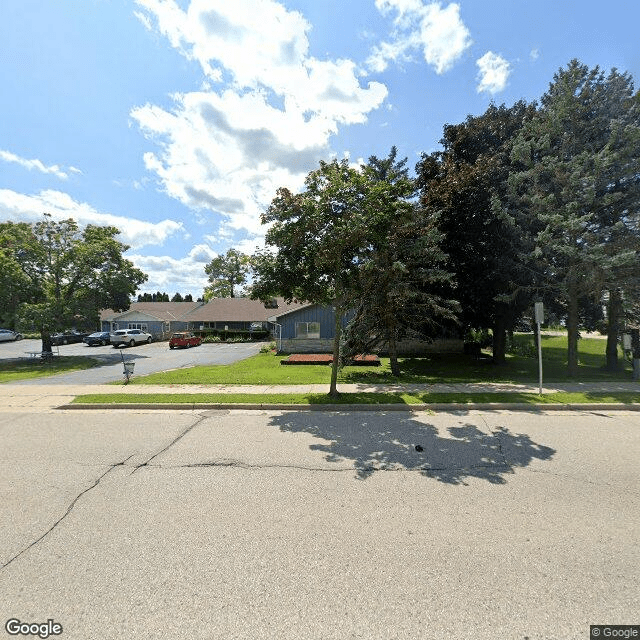
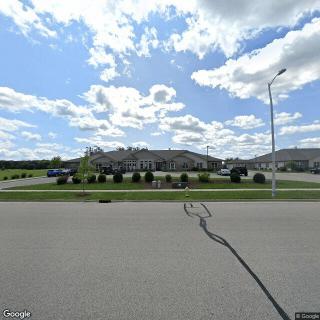
227 E. Washington St., Slinger, WI 53086
To contact a resident: (262) 644-5926
For more information about senior living options: (866) 208-4318
Autumn Oaks, LLC Costs & Pricing
At Autumn Oaks, LLC, we strive to provide competitive and accessible pricing for our residents while maintaining a high standard of care. Our monthly rates reflect a commitment to affordability in comparison to the broader market. For instance, our semi-private rooms are available at $2,350, significantly lower than the average costs in Washington County ($3,809) and across Wisconsin ($3,977). Similarly, our one-bedroom units are priced at $3,100, which also falls below the county average of $3,451 and the state rate of $3,412. These pricing structures demonstrate our dedication to creating an inviting environment that balances quality living with financial consideration for our community members.
| Floor plans | Autumn Oaks, LLC | Washington County | Wisconsin |
|---|---|---|---|
| Semi-Private | $2,350 | $3,809 | $3,977 |
| 1 Bedroom | $3,100 | $3,451 | $3,412 |
Assisted Living communities with a similar price nearby
-
from +$450 / mo
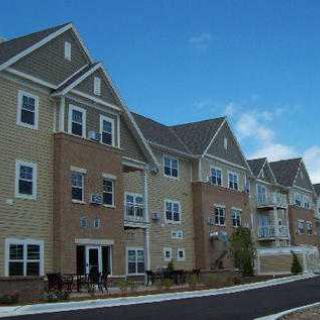
Deerwood Crossing Senior Residence
$2,800 to $3,200 / month19.8 miles away -
from +$405 / mo
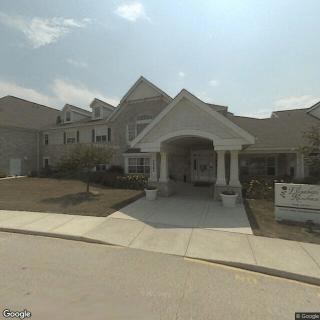
The Apartments at Elizabeth Residence
$2,755 to $3,640 / month20.8 miles away -
from +$231 / mo

New Perspective West Bend
$2,581 to $5,093 / month6.0 miles away -
from +$316 / mo
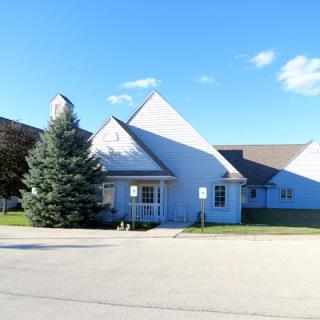
Matthews of Horicon
$2,666 to $2,759 / month20.2 miles away -
About the same

Hadassah Care Home
$2,295 to $4,895 / month22.1 miles away
Overall Review of Autumn Oaks, LLC
Pros
 The facility is a good place for loved ones.
- It provides a smaller, home-like environment that allows closer attention to family.
Cons
 The staff member allegedly verbally abused and harassed residents.
 - A resident was not given medications and was locked out of the building.
- Abuse of vulnerable adults was reported by reviewers.
- The facility is described as the worst assisted living place.
- There are roaches in the facility.
- Dinner is not served until 8 pm.
- Residents are not cared for properly, with no one ever being changed, and the place smells.
Review
Autumn Oaks in Slinger, Wisconsin is best suited for families who prize a small, home-like atmosphere where staff can deliver close, hands-on attention. The facility’s appeal is its intimate scale, more like a residence than a campus, and that setup can facilitate easier involvement by relatives and more individualized interaction for residents. It is well-matched to those who do not require heavy medical oversight and who value a familiar, neighborly feel over institutional efficiency. In short, the community serves households seeking warmth and personal connection, provided the core safety and reliability expectations can be met.
However, serious caveats loom. The current reviews present a troubling contrast between charm and risk. One account describes sustained verbal abuse and neglect by a third-shift caregiver, including withheld medications and even locking a resident out of the building. Another reviewer raises alarms about pests, delayed meals, and poor hygiene. Such allegations, if substantiated, signal fundamental problems with resident protection and daily operations. The mixed rating, an unusual spread of high marks alongside stark one-star warnings, underscores the need for rigorous, independent verification before any enrollment decision. This is a facility that demands exhaustive due diligence and a clear, trust-building plan around staff behavior and resident safety.
The primary strengths, the small, home-like setting and easier avenues for family involvement, do translate into real benefits when operations stay steady. Families can coordinate care more easily, participate in routines, and spot changes in a resident’s condition promptly. Those advantages matter, especially for individuals who thrived in a less formal environment where caregivers know residents by name and routine. Yet these advantages do not automatically offset the gravest concerns raised in the reviews. A warm, cozy vibe cannot compensate for abuse risks, inconsistent medication administration, or chronic cleanliness and odor issues. When safety and basic care standards are in question, the positive ambiance becomes secondary at best.
Prospective residents and their families should demand concrete proof of safeguards and reliability before any move. Essential questions include staff-to-resident ratios by shift, how medications are administered and documented, and whether there have been any formal investigations or disciplinary actions involving staff. Inquire about the pest-control plan, cleaning schedules, and how dining and meal times are managed to avoid delays. Insist on a thorough tour with current residents, and inspect living spaces, kitchens, bathrooms, and common areas for cleanliness and odors. Check state licensing records and any regulatory notes, and seek direct references from multiple families with residents there.
If considering Autumn Oaks, pursue a structured, staged decision process: request a formal corrective plan with timelines for any cited deficiencies, and consider a trial period or contingency options before long-term commitment. Compare this community against similarly sized alternatives that publish transparent outcomes, maintain robust staffing, and supply documented incident histories. Bring in an independent care consultant if possible, and anchor the decision on non-negotiables, reliable medication management, responsive staff, and a consistently clean, hazard-free environment. If assurances cannot be demonstrated in clear, written terms, it is prudent to explore other communities with stronger safety records.
Ultimately, Autumn Oaks presents a deliberate tradeoff: a compact, homelike setting that could enhance daily life for some, versus credible safety and hygiene concerns that must be resolved upfront. The prudent path is disciplined scrutiny and hard written guarantees on staff conduct, medication handling, and environmental cleanliness. For families unwilling to accept unresolved risk, exploring other options is the safer course. If verifiable improvements and trustworthy oversight are shown, the intimate, family-friendly environment could become a genuine fit. Until then, proceed with caution and insist on verifiable protections before making a commitment.
 Assisted Living
 Activities on-site
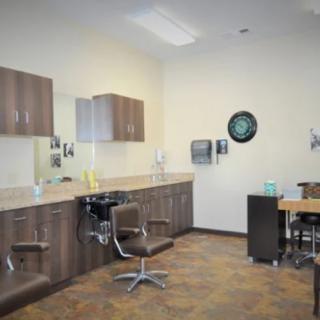
 Beautician on-site
 Devotional services off-site
 Indoor common areas
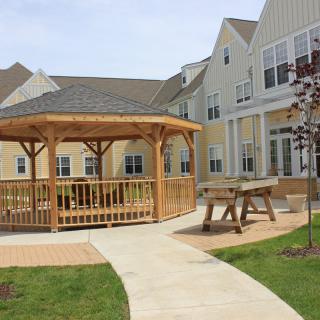
 Outdoor common areas
 Respite or short term stays offered
 Wheelchair accessible showers
 Ambulatory care
 Diabetic care
 Incontinence care
 Meals provided
 Social Security Benefits and Assisted Living: Navigating Options Across the U.S.
 An Extensive Exploration of the VA Aid and Attendance Benefit
 Senior Transition Services: Understanding Their Role, Cost, and Importance