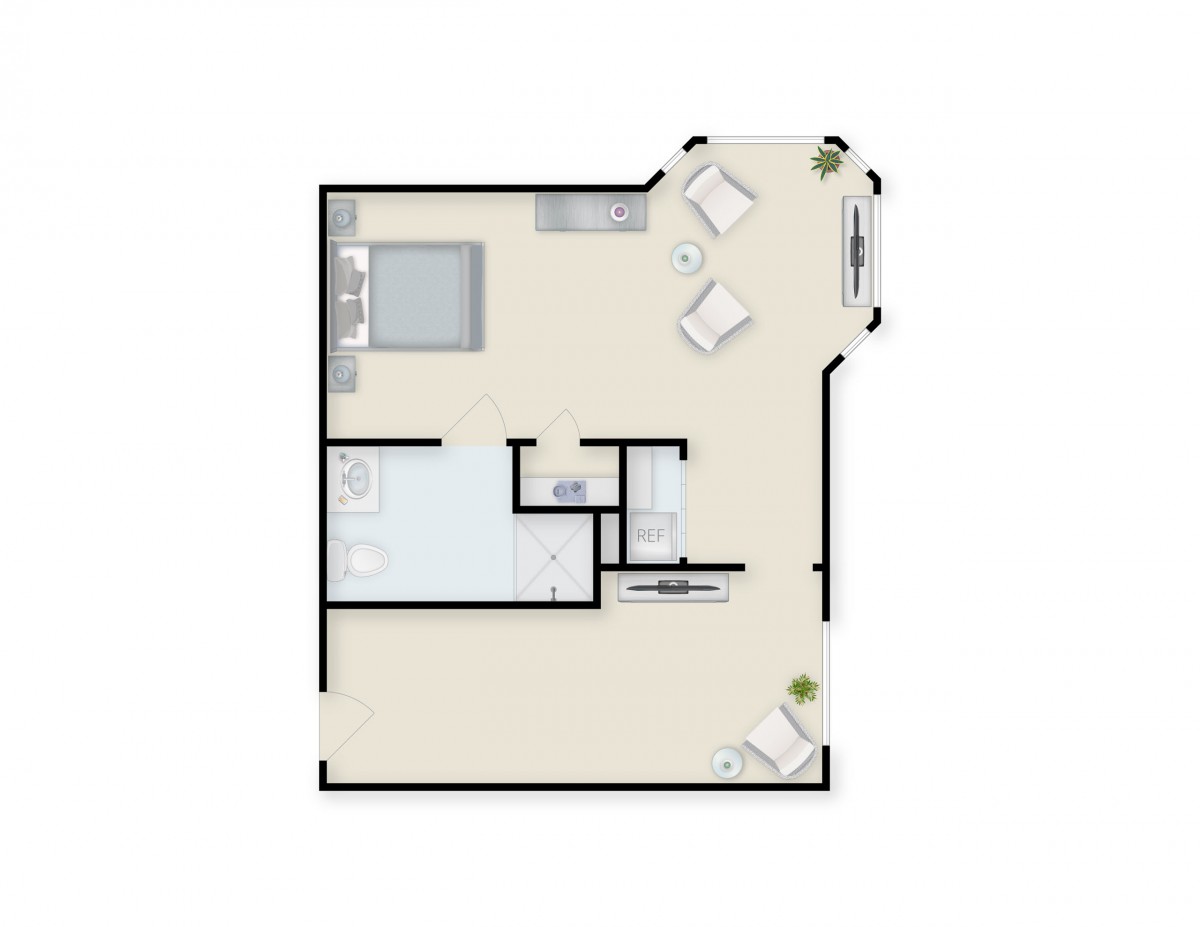
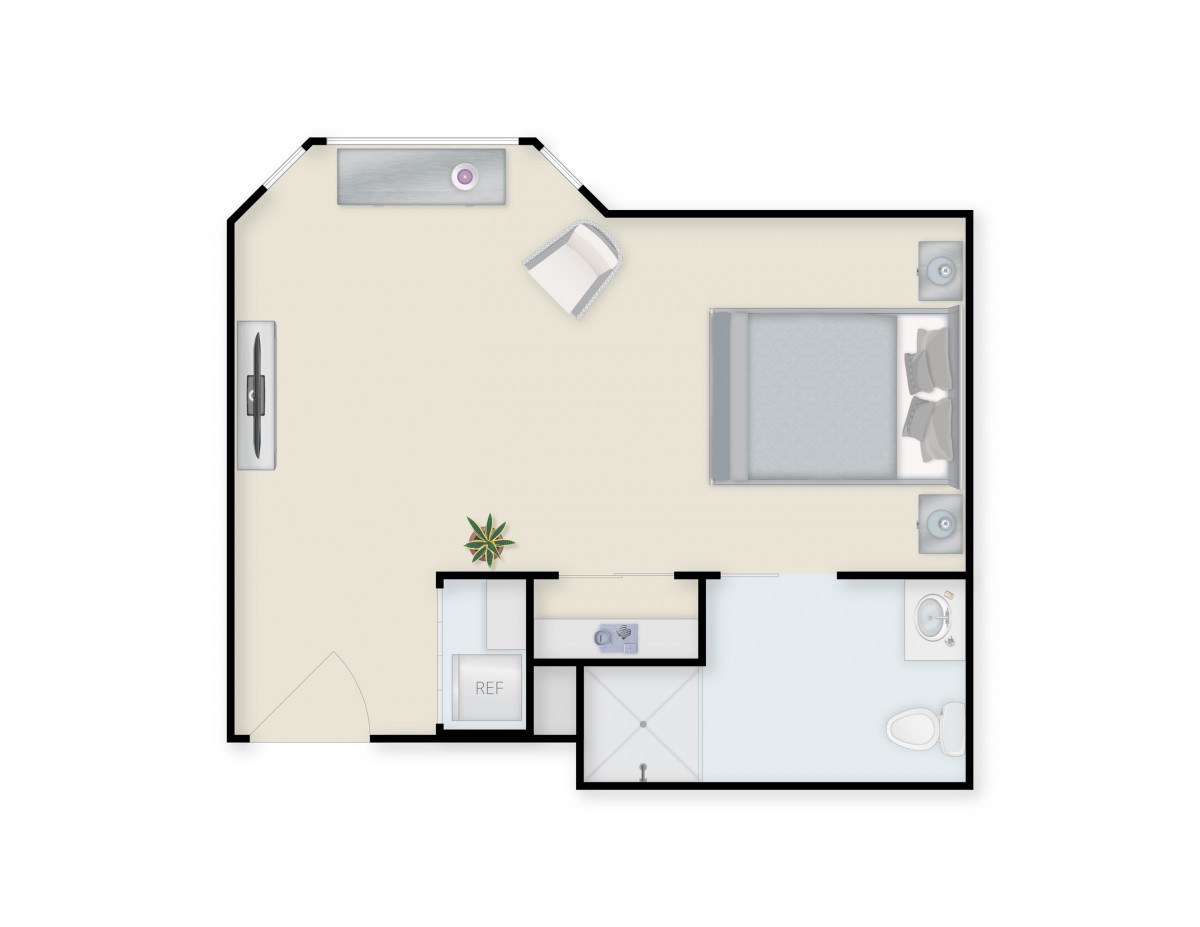
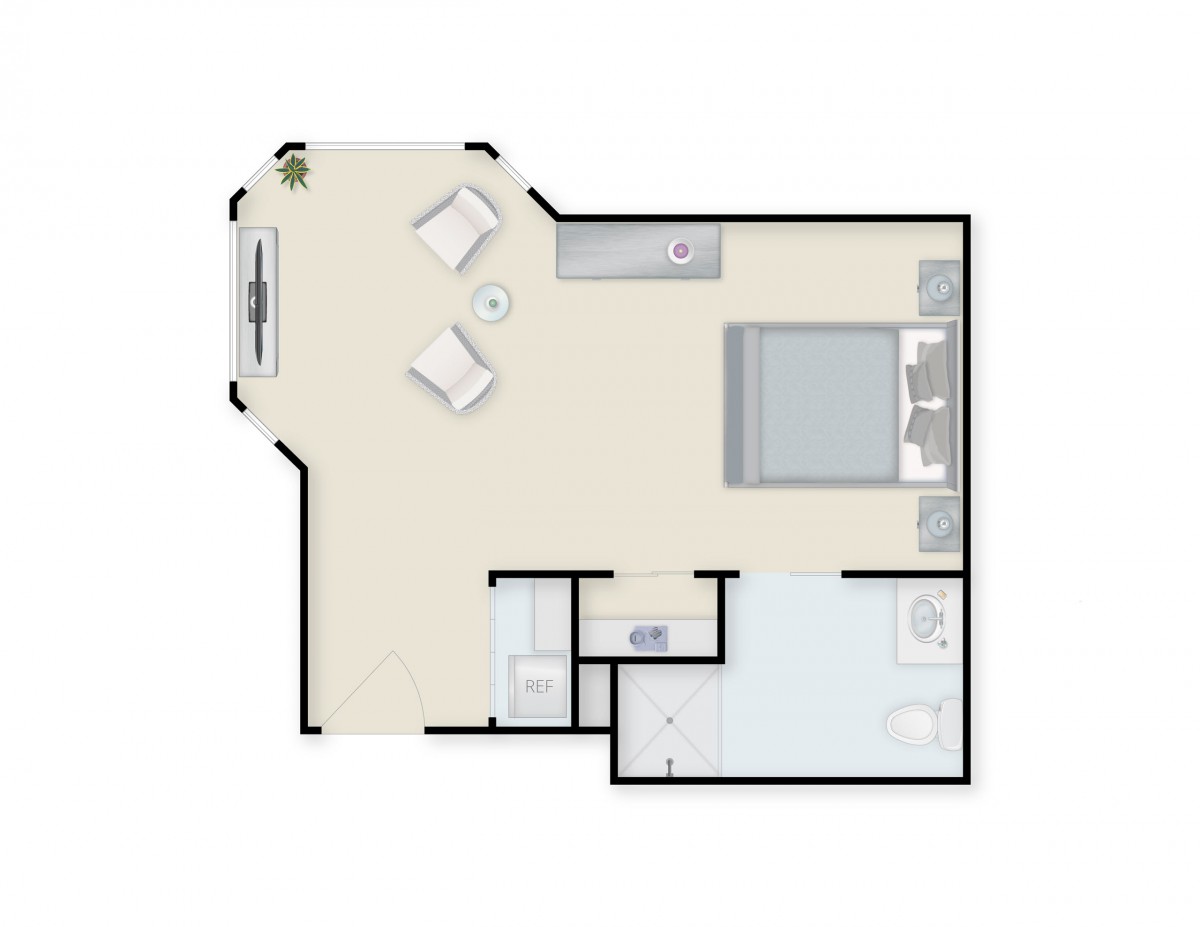
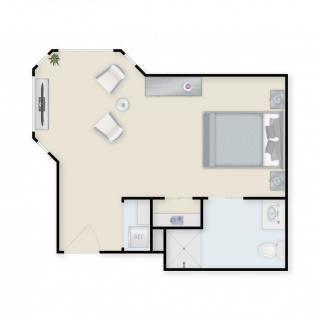
Juniper Village at Spring Creek offers competitive pricing for its residential options, with monthly costs reflecting the region's market dynamics. The cost for a studio apartment is set at $4,050, which is slightly below the average rate in Collin County at $4,225, while remaining above the state average of $3,758. For those considering a semi-private room, the rate is $4,520 - higher than both Collin County's average of $3,950 and Texas's overall average of $3,680. These price points highlight Juniper Village's commitment to providing quality care and amenities that justify the investment in a supportive community environment.
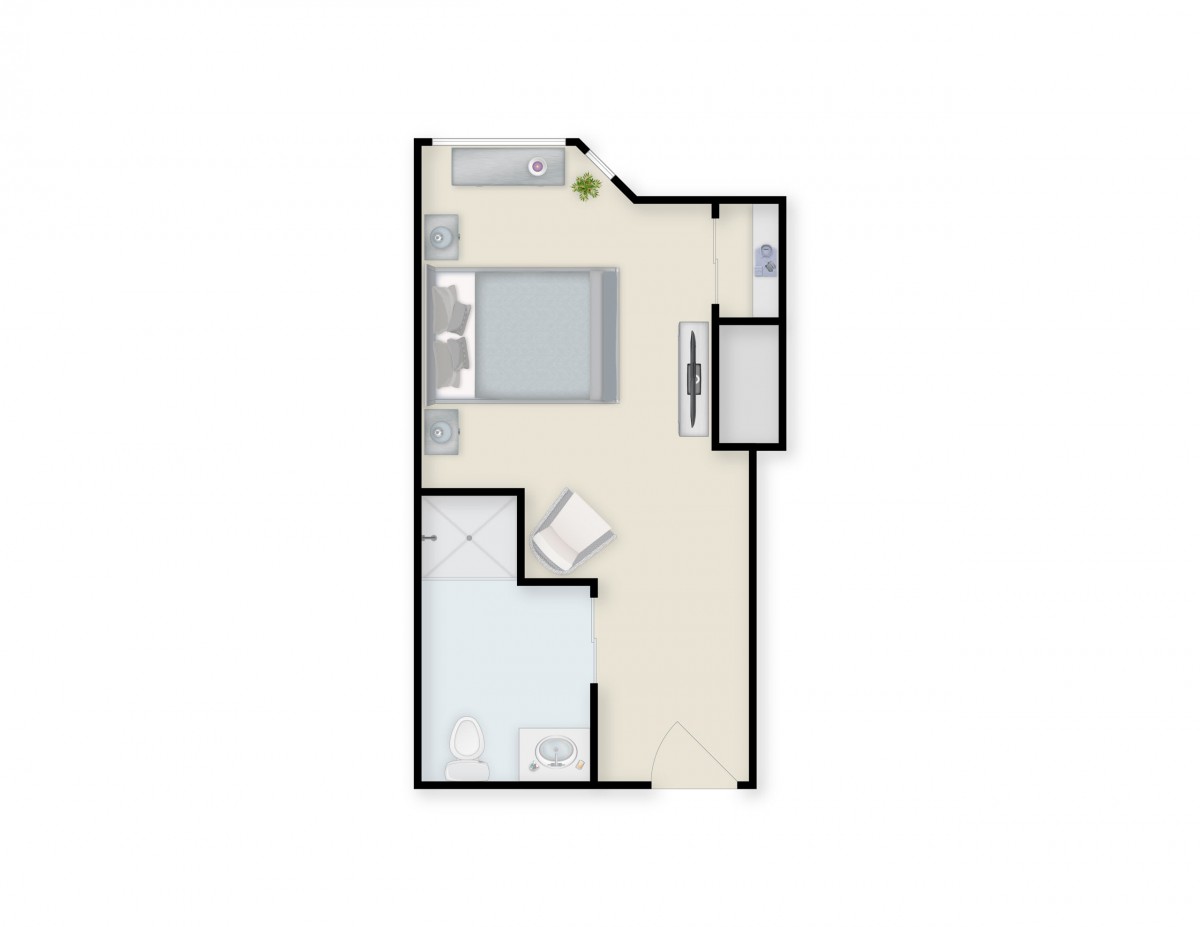
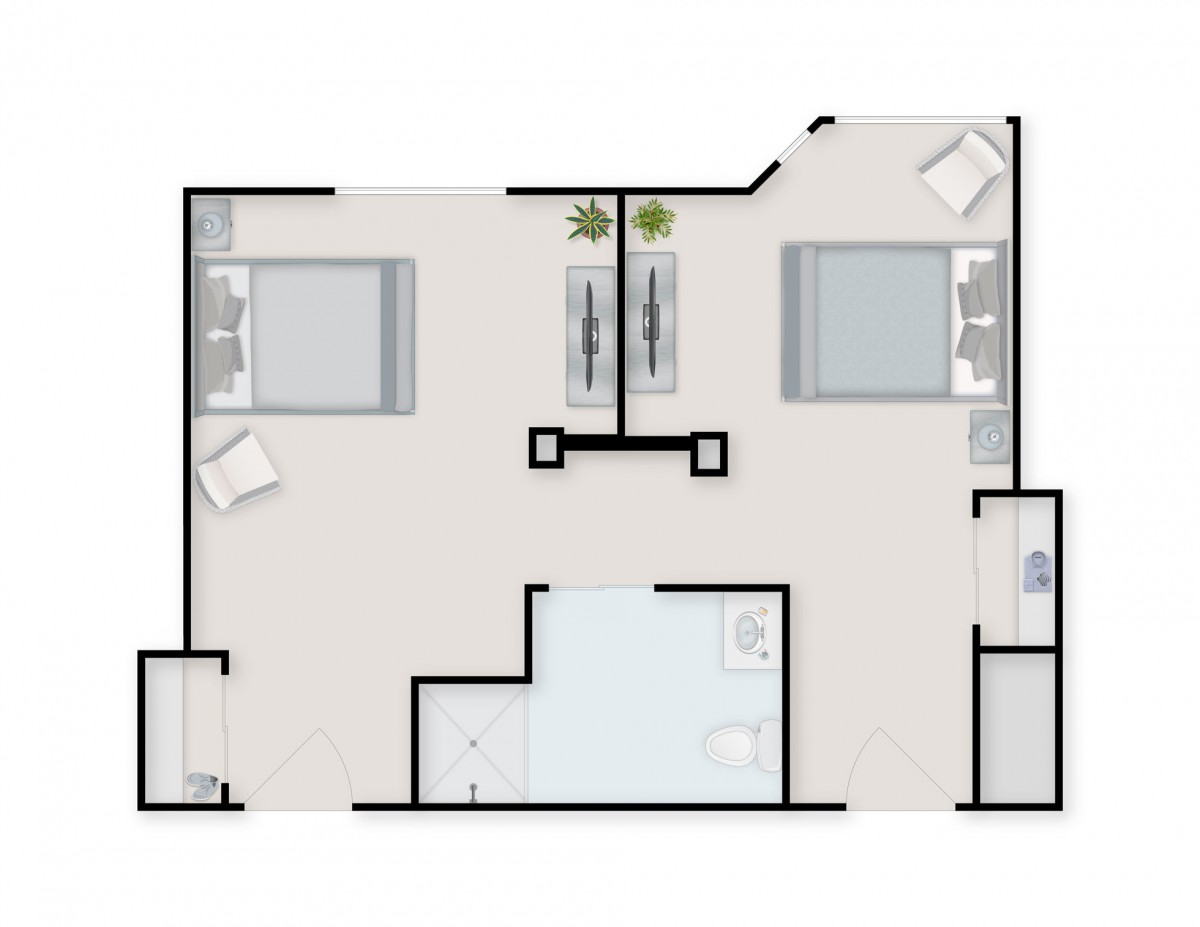
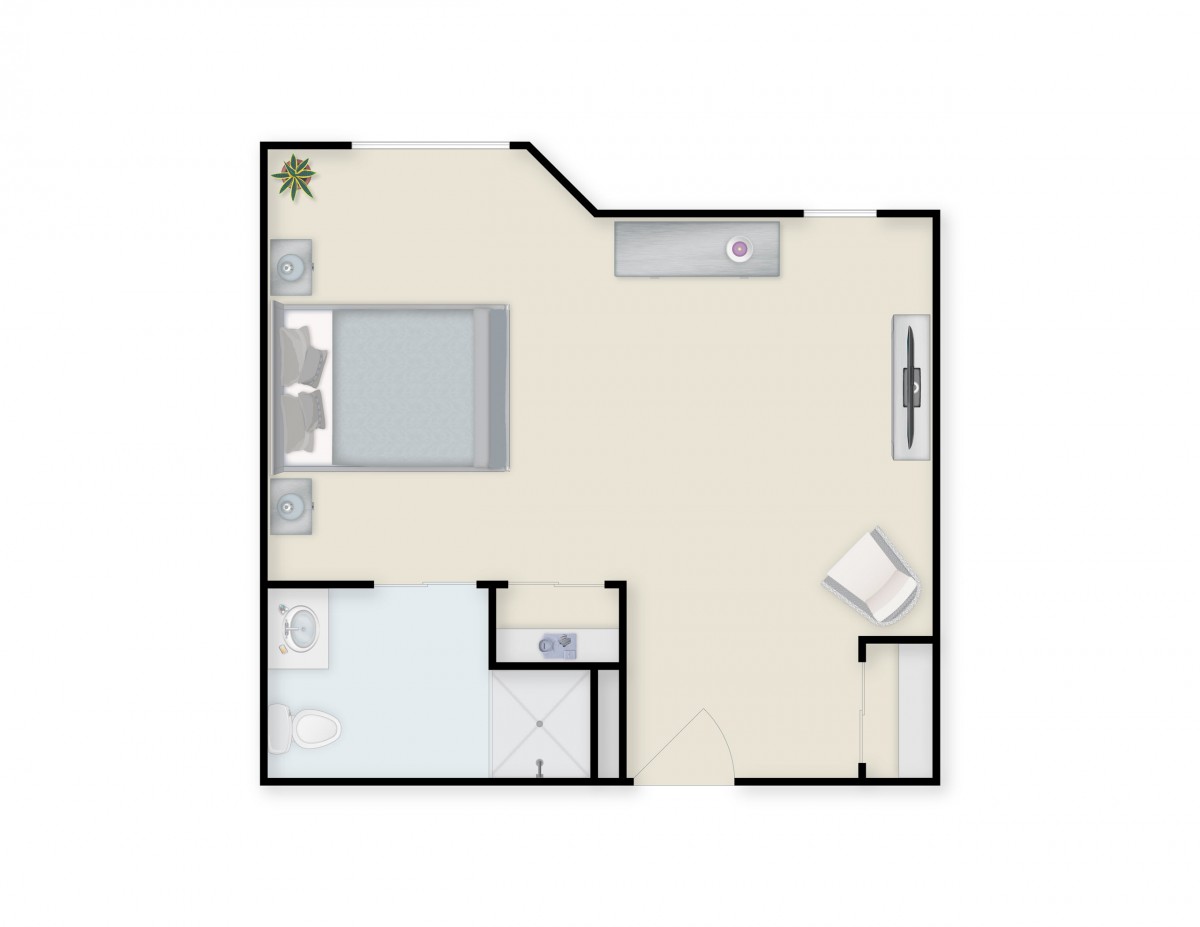
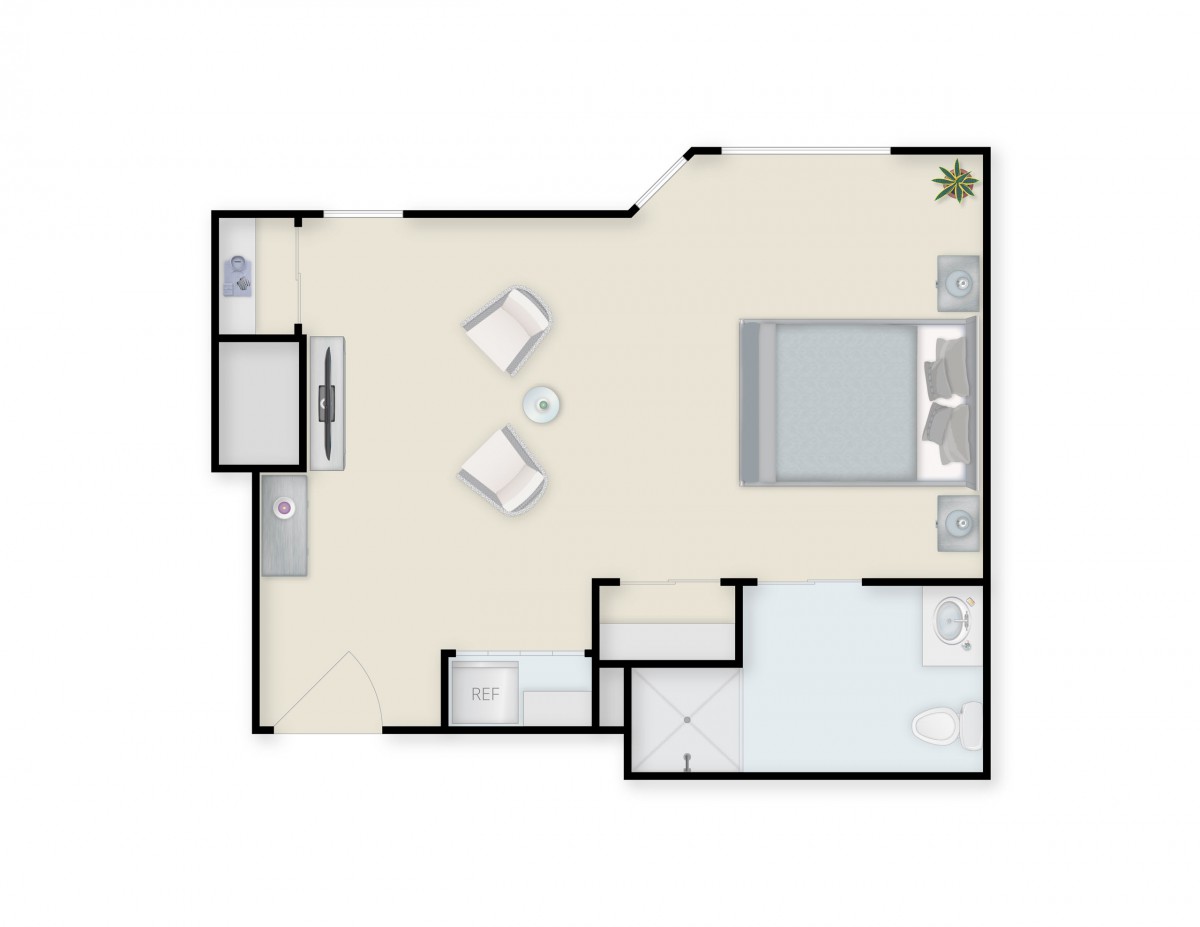
Floor plans
Juniper Village at Spring Creek
Collin County
Texas
Studio
$4,050
$4,225
$3,758
Semi-Private
$4,520
$3,950
$3,680
Memory care communities with a similar price nearby
Dining gets standout praise, including compliments about the chef.
Several residents and families call out the food as a highlight, with one review saying the food is amazing and another specifically praising a Thanksgiving dinner. That positive dining experience is also reflected in comments about the chef and special meals.
common10 reviews mention this
Staff is described as genuinely caring
Residents and families consistently describe the staff as caring and responsive.
Across multiple reviews, families say the staff is warm, welcoming, and patient—showing up by name and taking time to address needs. Residents in memory care are described as being supported with patience and helpful, and one family reports comfort during end-of-life care as well. Even when experiences vary, the most detailed feedback repeatedly comes back to how kind people are day to day.
differentiator6 reviews mention this
Memory care support comes up often
Memory care is a key part of the experience residents and families discuss.
Reviewers frequently mention memory care directly, often connecting it to comfort, safety, and patience with residents who have declining memory. Some families describe their loved ones being well cared for in memory care and being treated with respect. The community also provides meal and personal-care support described in caregiver-focused feedback, which families link to peace of mind.
caveat2 reviews mention this
Costs sit slightly above benchmarks
Pricing may run above local and state benchmarks depending on unit type.
Pricing is presented as a range, and the listed deltas suggest units can be priced above county or state benchmarks. Reviews also mention affordability in at least some cases through comparisons to other options, but the benchmark-based positioning indicates costs are not the lowest in the area or state-wide. If budget is a deciding factor, it’s worth comparing the all-inclusive package mentioned in reviews against the full range for the unit type you’re considering.
How we summarize
Counts show how many written reviews mention each theme; a review can touch several themes, and only frequently mentioned themes are displayed.
Features
Housing
72 resident community capacity
Studio apartments
Types of Care
Assisted Living
Memory Care
Respite Care
Amenities
Activities on-site
Air-conditioning
Beautician on-site
Beauty salon
Cable or satellite TV
Computer center
Devotional services off-site
Devotional services on-site
Dining room
Financing advice
Fitness room
Fully furnished
Gaming room
Garden
Garden view
Ground floor units
Guasts at mealtime
Guest parking
Handicap accessible
Housekeeping services
Indoor common areas
Kitchenette
Laundry
Move-in coordination
Outdoor common areas
Outdoor space
Party space
Pet friendly
Private bathrooms
Resident parking
Respite or short term stays offered
Restaurant-style dining
Small library
TV room
Telephone
VA Benefits Consultation
Wellness center
Wheelchair accessible showers
Wi-Fi/high-speed internet available
Transportation
Dallas Love (16 miles away)
Dallas-Fort Worth International (21 miles away)
Community operated transportation
Transportation & parking
Transportation arrangement
Transportation arrangement (non-medical)
Transportation to doctors appointments
Care Services
12-16 hour nursing
24-hour call system
24-hour supervision
Activities of daily living assistance
Ambulatory care
Assistance with bathing
Assistance with dressing
Assistance with transfers
Companion care
Coordination with health care providers
Dementia waiver
Diabetes diet
Hospice care
Hospice waiver
Incontinence care
Meal preparation and service
Medication management
Mental wellness program
Mild cognitive impairment
Personal care assistants
Physical therapy
Special dietary restrictions
Specialized memory care programming
Transportation arrangement (medical)
Transportation to doctors appointments
Dining
Anytime dining
Diabetes diet
Gluten-free
Guest meals
Kosher
Low / no sodium
Low fat
Meals provided
No Sugar
Professional chef
Renal
Restaurant style dining
Room service
Special dietary restrictions
Special dining programs
Vegan
Vegetarian
Activities
Activities off-site
Art classes
Arts and crafts
Book club
Community-sponsored activities
Concierge services
Cooking classes
Cooking club
Day trips and outings
Devotional activities offsite
Devotional activities on-site
Educational speakers / life long learning
Fitness programs
Games
Gardening club
Happy hour
Karaoke
Live musical performances
Live well programs
Other religious services
Planned day trips
Religious services
Resident-run activities
Scheduled daily activities
Stories
Visiting chaplain or priest
Wii bowling
Wine tasting
Yoga / chair yoga
Languages Spoken
English
Spanish
Nearby Places of Interest
This part of Plano, Texas, is a convenient and well-equipped neighborhood that offers easy access to essential services for seniors. With multiple pharmacies, parks for leisurely walks, cafes for socializing, and a variety of restaurants to choose from, residents can enjoy a vibrant lifestyle. There are also places of worship nearby for spiritual fulfillment and theaters for entertainment. In terms of healthcare, the area boasts several reputable physicians' offices and hospitals within a reasonable distance, ensuring quality medical care when needed. Overall, this neighborhood provides a comfortable and convenient living environment for seniors looking to settle in Plano.
Pharmacies
CVS Pharmacy (0.1 miles)
Walgreens (0.2 miles)
Walgreens (1.7 miles)
CVS Pharmacy (1.8 miles)
CVS Pharmacy (2 miles)
CVS Pharmacy (2.1 miles)
Walgreens (2.3 miles)
Parks
Memorial Park (0.2 miles)
Hoblitzelle Park (0.8 miles)
Twin Creeks Park (3.6 miles)
Windhaven Meadows Park (4.3 miles)
Russell Creek Park (4.4 miles)
Quail Run Park (5.8 miles)
Coyote Creek Park (5.8 miles)
Cafes
Mozart Bakery (0.2 miles)
Red Truck Cafe (1.8 miles)
Starbucks (3.9 miles)
Mimi's Star Cafe (4.9 miles)
85C Bakery Cafe (5.2 miles)
Starbucks (5.7 miles)
Restaurants
Braum's (1.3 miles)
Chuy's (2.4 miles)
In-N-Out Burger (2.5 miles)
Sonic Drive-In (2.7 miles)
King Buffet (2.8 miles)
Eddie's Diner (3.4 miles)
Vickery Park (3.5 miles)
Places of Worship
Chase Oaks Church (2.4 miles)
Shiloh Missionary Baptist Church (3.5 miles)
One Community Church (4.3 miles)
Theaters
Cinemark Holdings (2.7 miles)
Cinemark (5.3 miles)
Physicians
The ENT & Allergy Centers of Texas (3.3 miles)
Dallas Associated Dermatologists (3.5 miles)
Dhat (3.6 miles)
Cook Children's Pediatrics Collin County (4 miles)
Eminent Medical Center (4.3 miles)
Plano Orthopedic & Sports Medicine Center (5.1 miles)
Cornea Associates of Texas (5.2 miles)
Hospitals
Baylor Scott & White Medical Center (4.2 miles)
The Heart Hospital Baylor Plano (4.4 miles)
Texas Health Presbyterian Hospital Plano (5.9 miles)
Juniper Village at Spring Creek offers competitive pricing for its residential options, with monthly costs reflecting the region's market dynamics. The cost for a studio apartment is set at $4,050, which is slightly below the average rate in Collin County at $4,225, while remaining above the state average of $3,758. For those considering a semi-private room, the rate is $4,520 - higher than both Collin County's average of $3,950 and Texas's overall average of $3,680. These price points highlight Juniper Village's commitment to providing quality care and amenities that justify the investment in a supportive community environment.
Juniper Village at Spring Creek offers a comprehensive array of features that cater specifically to the needs of residents facing dementia or Alzheimer's disease. The 24-hour supervision ensures safety and peace of mind, while assistance with activities of daily living--including bathing, dressing, and transfers--promotes dignity and independence. Coordination with health care providers ensures that medical needs are met promptly, bolstered by medication management that helps residents maintain their health regimens. The Dementia waiver allows for personalized care plans tailored to individual stages of cognitive decline. Incontinence care is thoughtfully addressed to enhance comfort, while meal preparation and service ensure proper nutrition in a secure environment. Specialized memory care programming coupled with mental wellness initiatives supports cognitive engagement and emotional well-being. Additionally, physical therapy aids in maintaining mobility and strength, while transportation arrangements facilitate access to necessary medical appointments, creating a holistic approach to memory care that maximizes quality of life for residents.
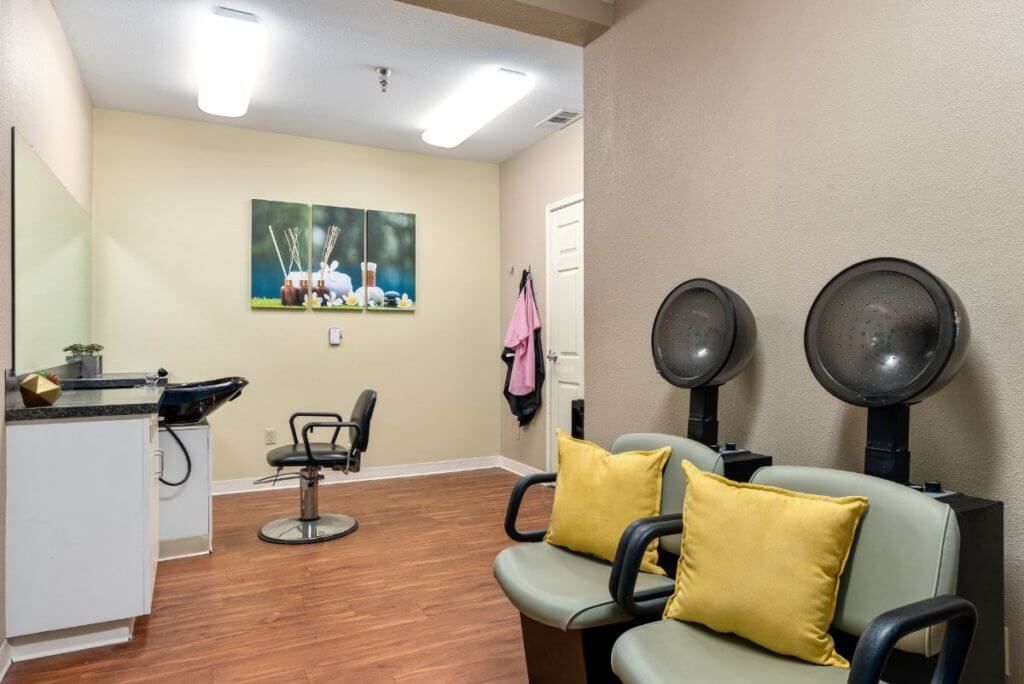
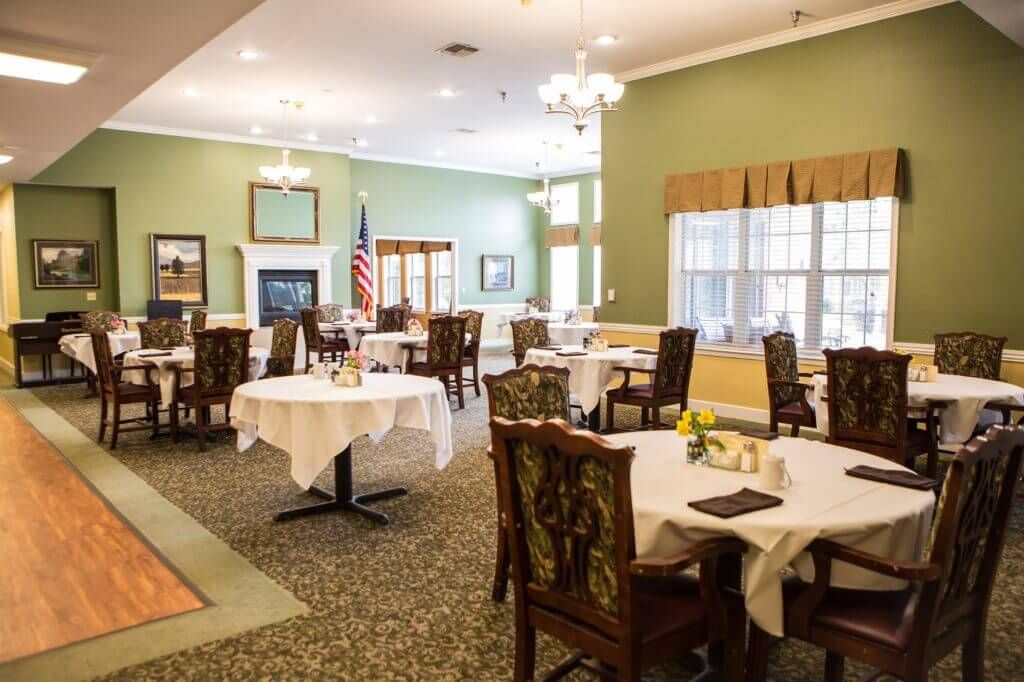
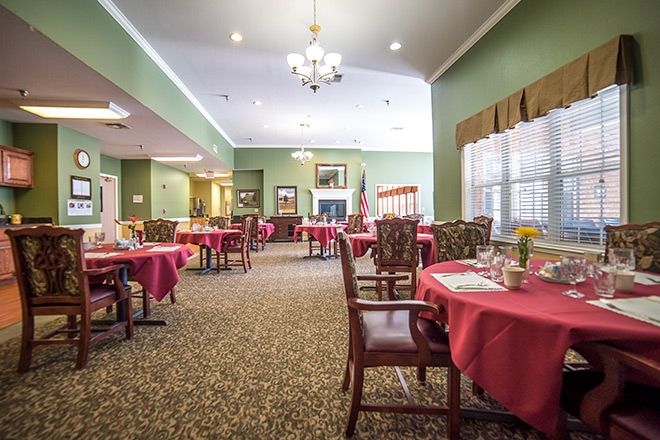
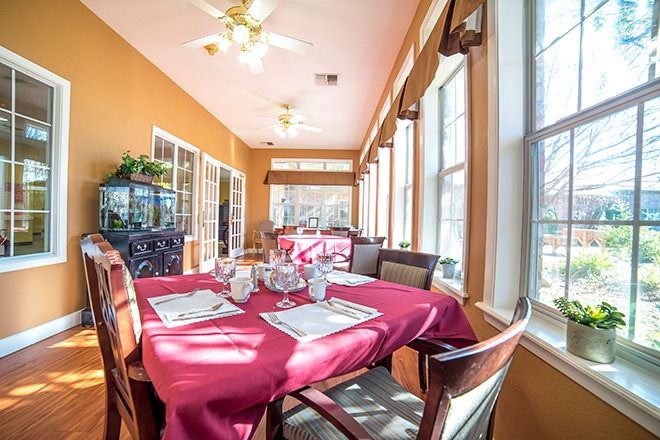
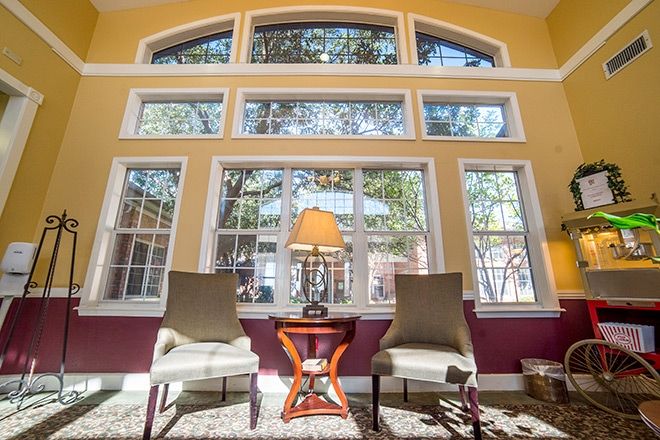
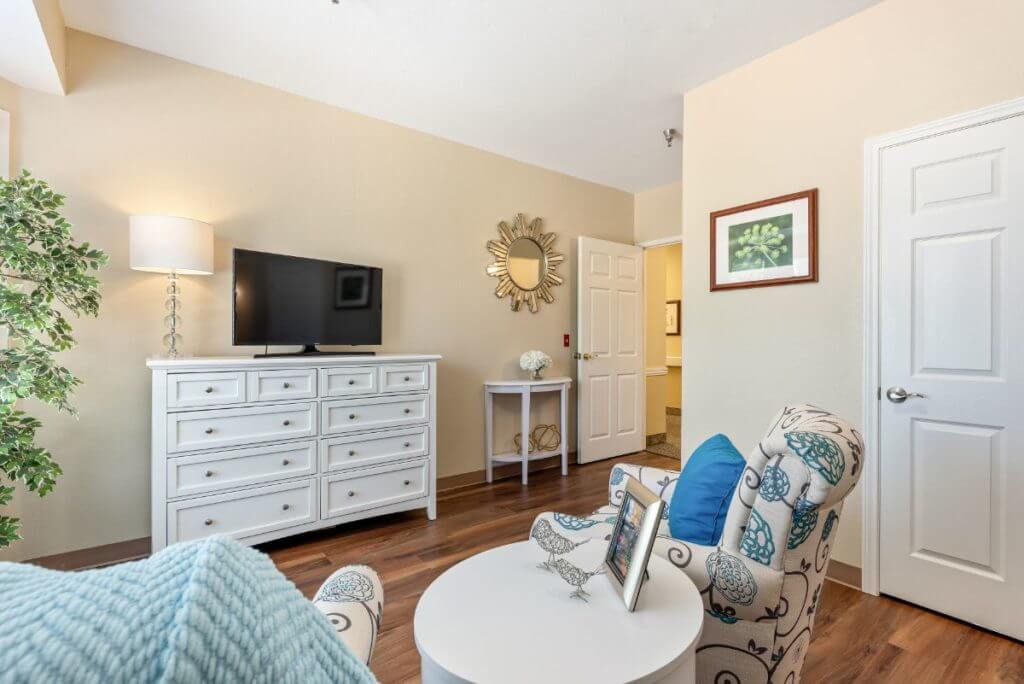
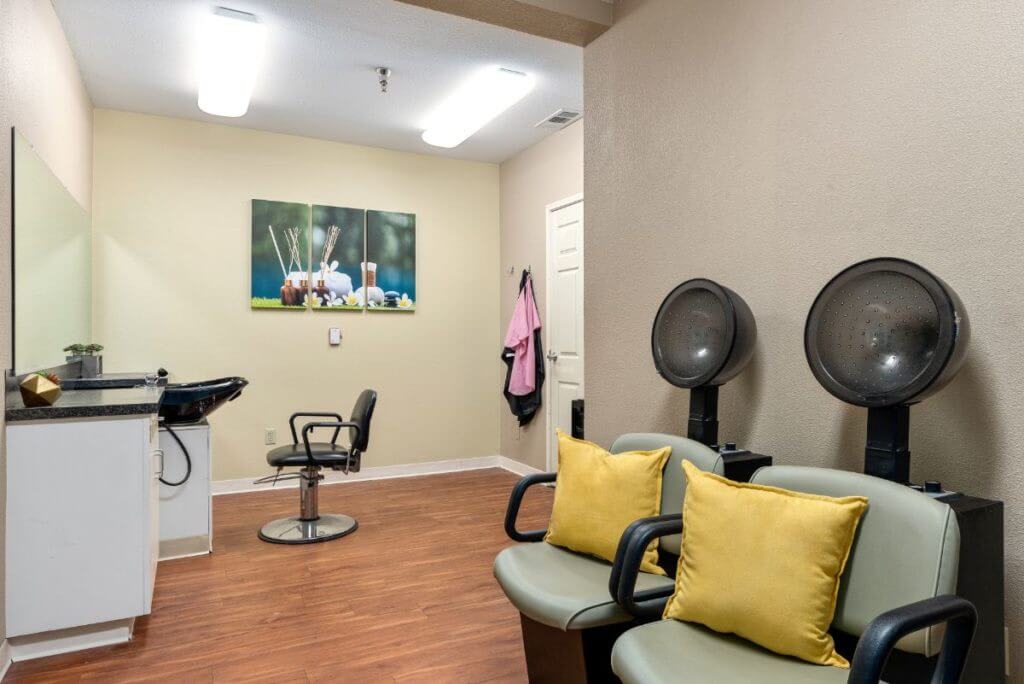
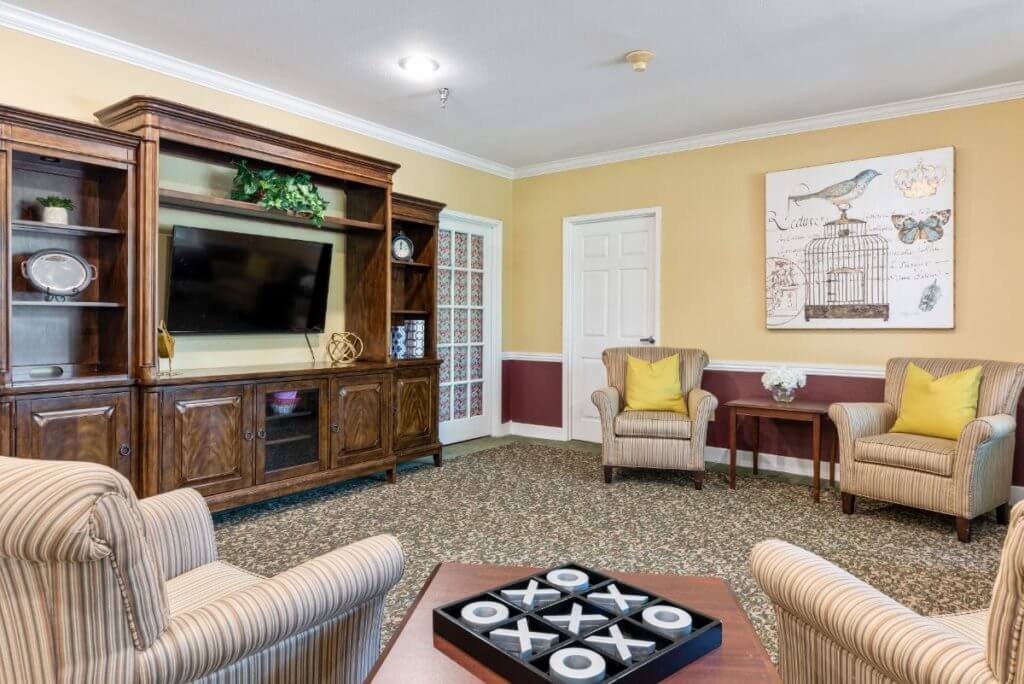
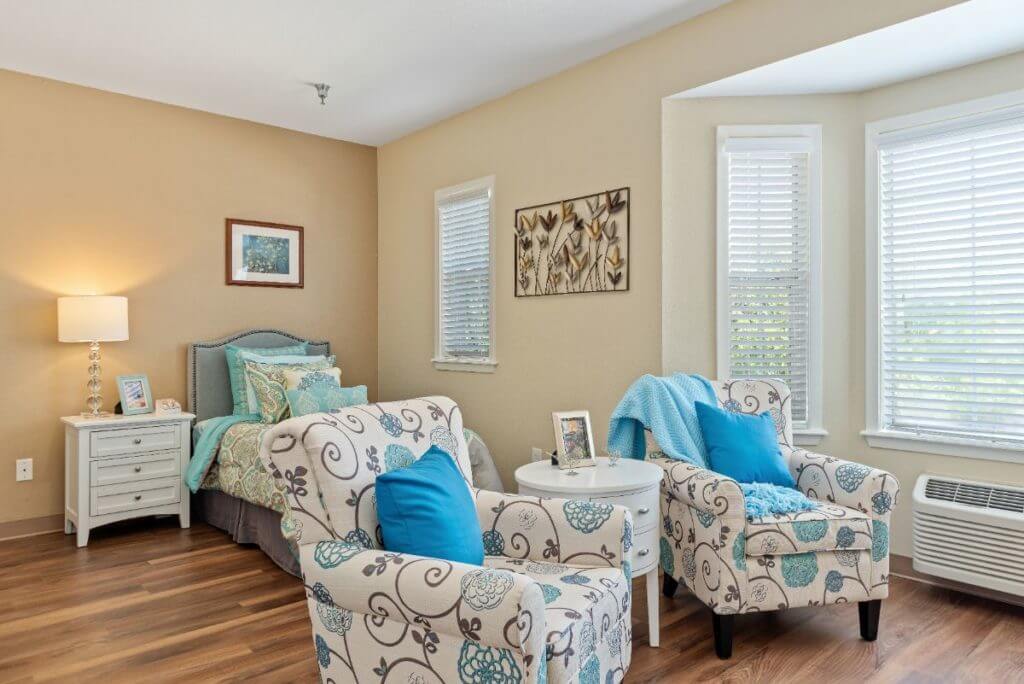
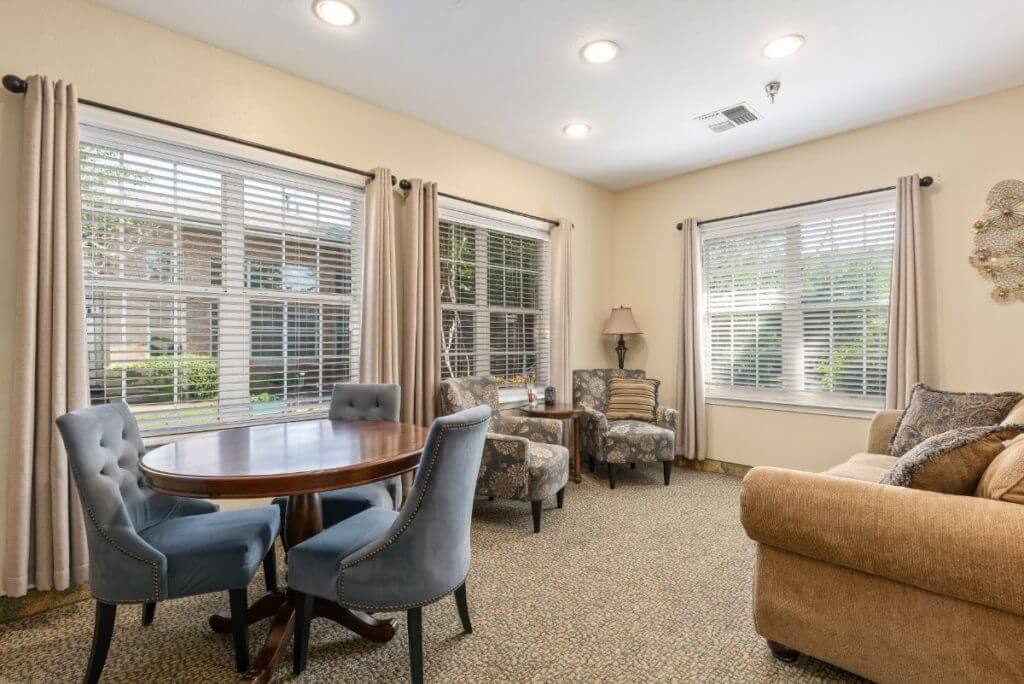
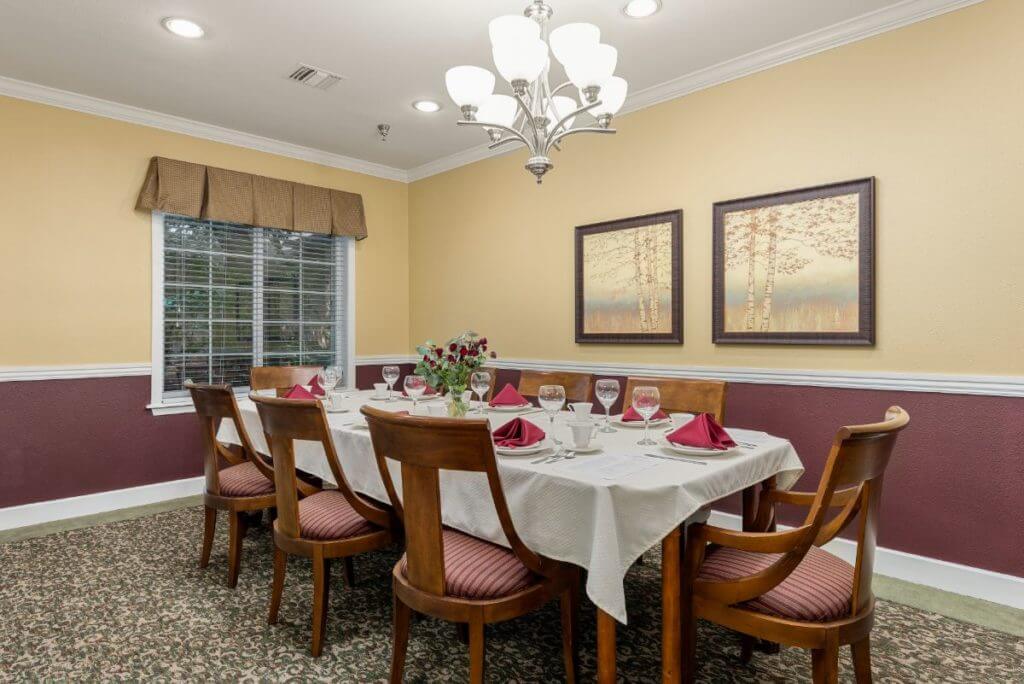
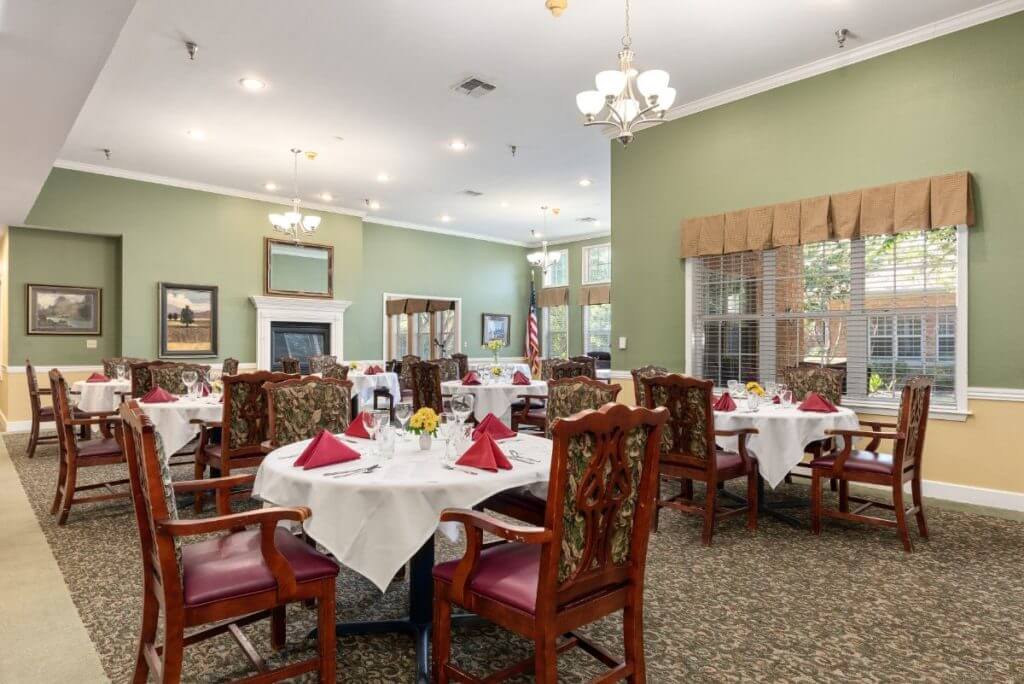
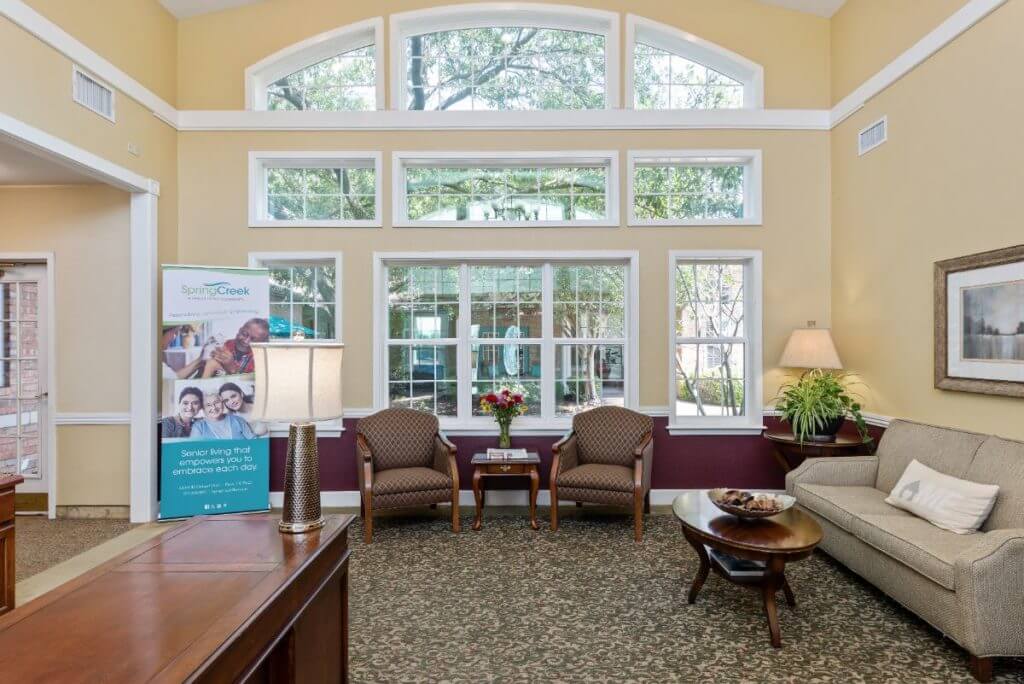
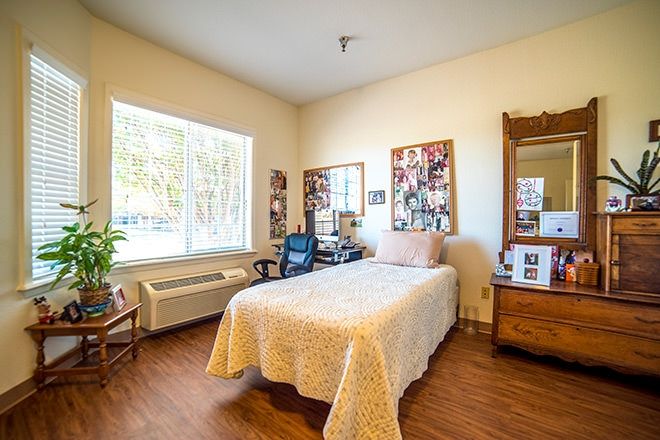
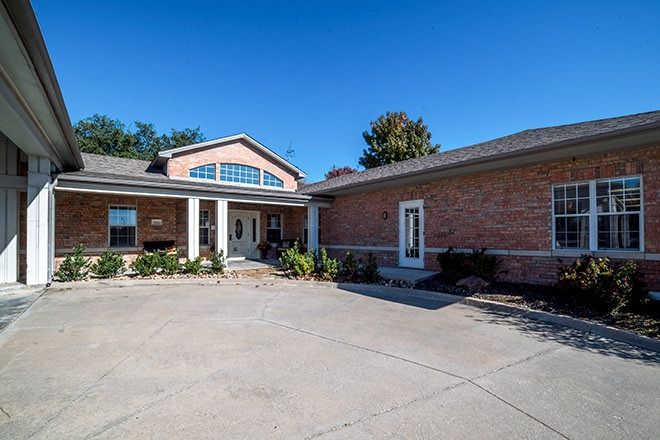
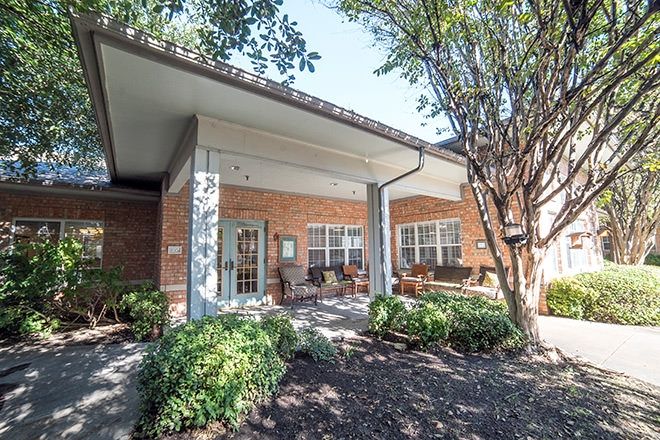
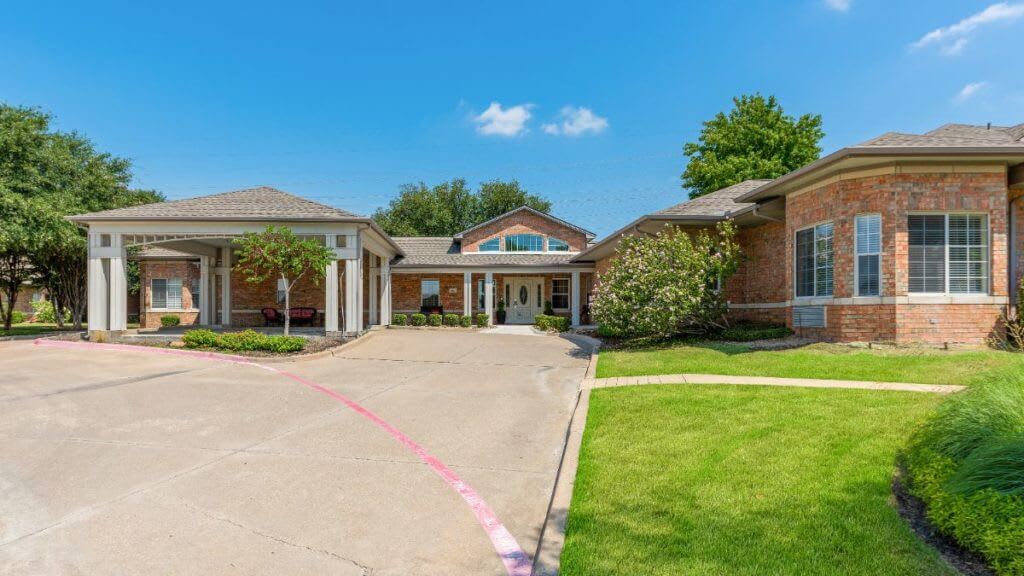
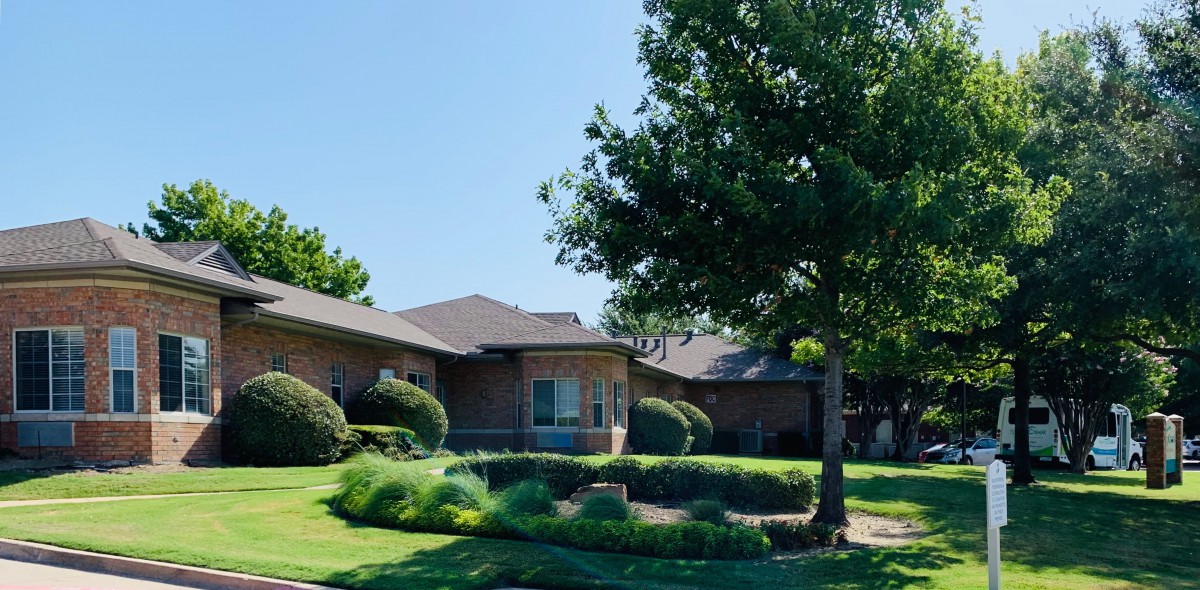
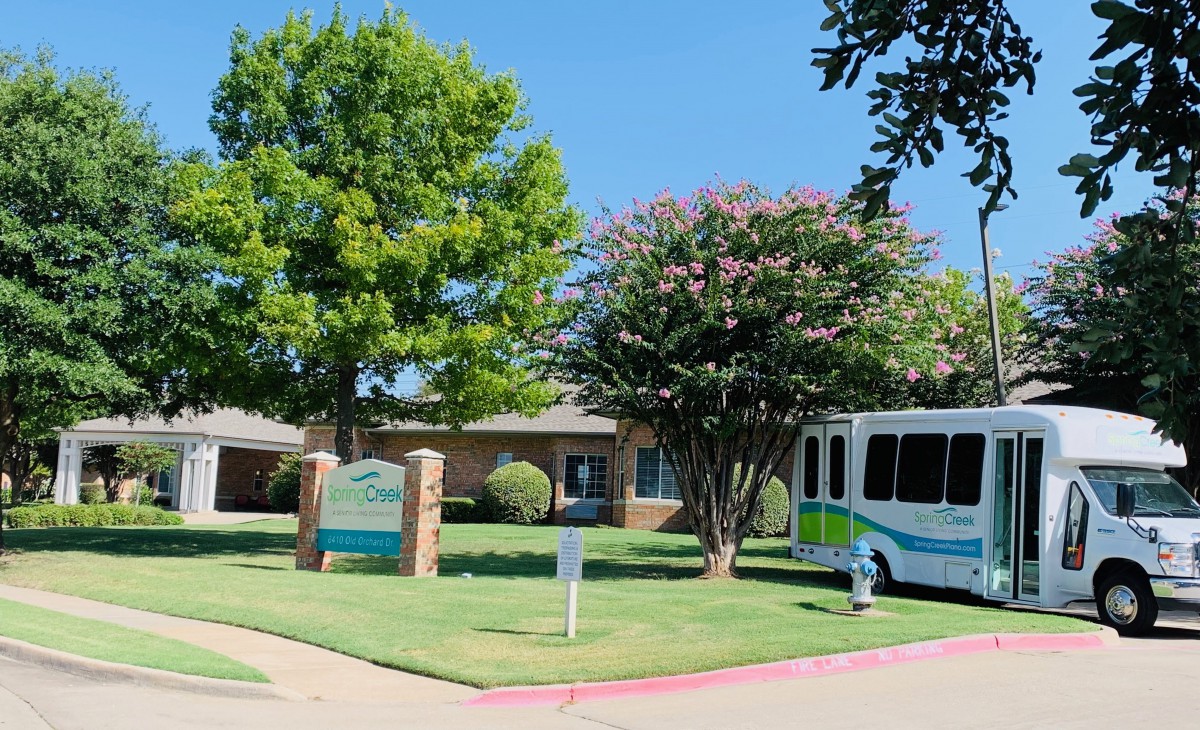
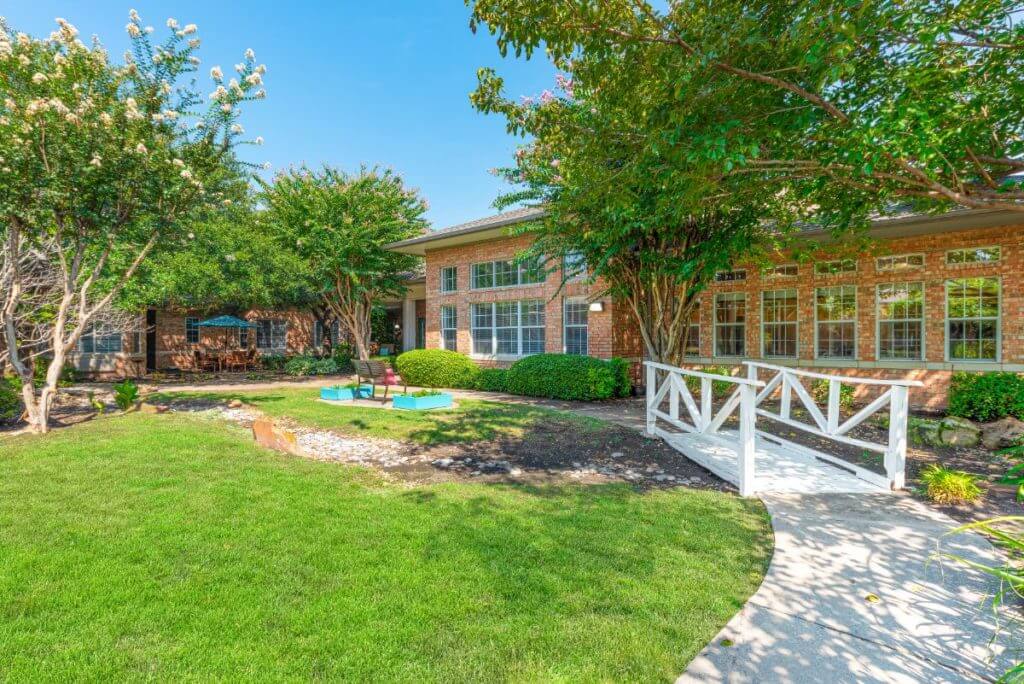
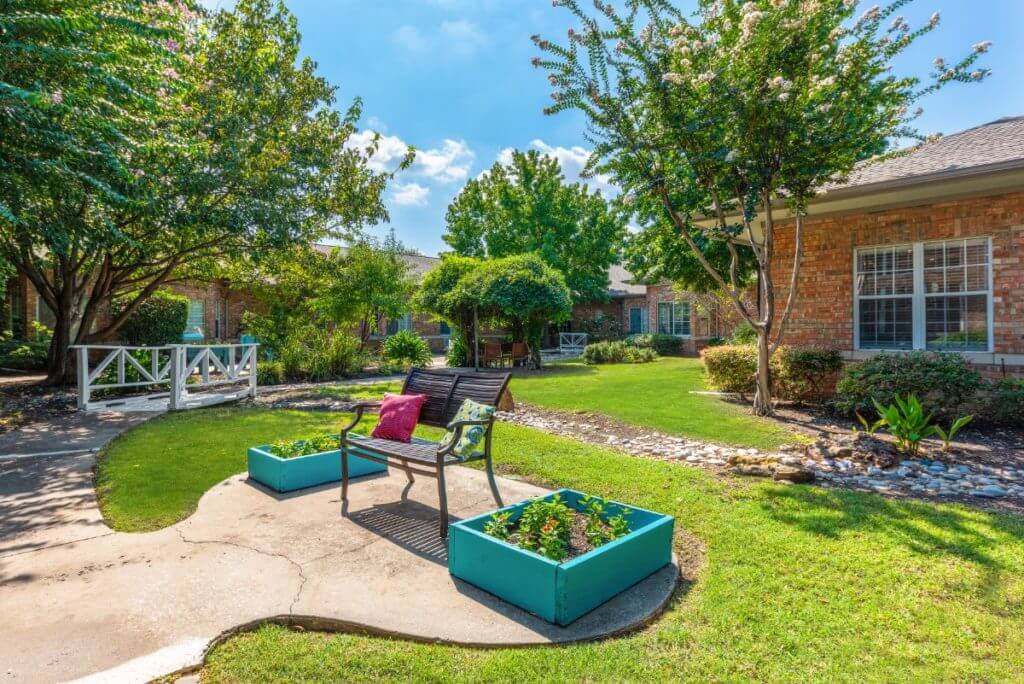
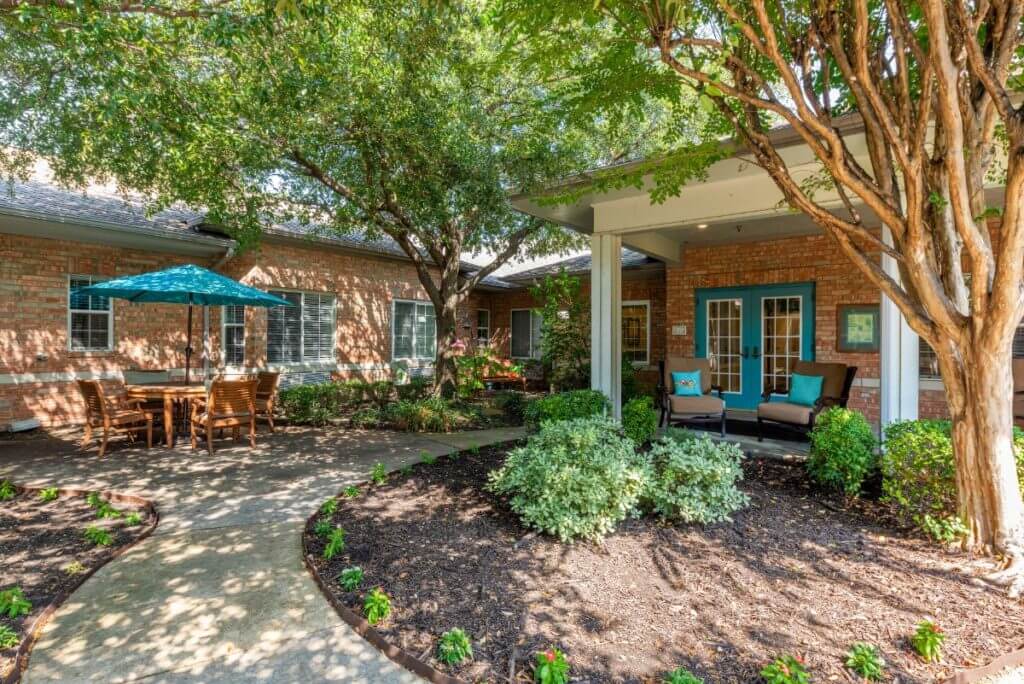
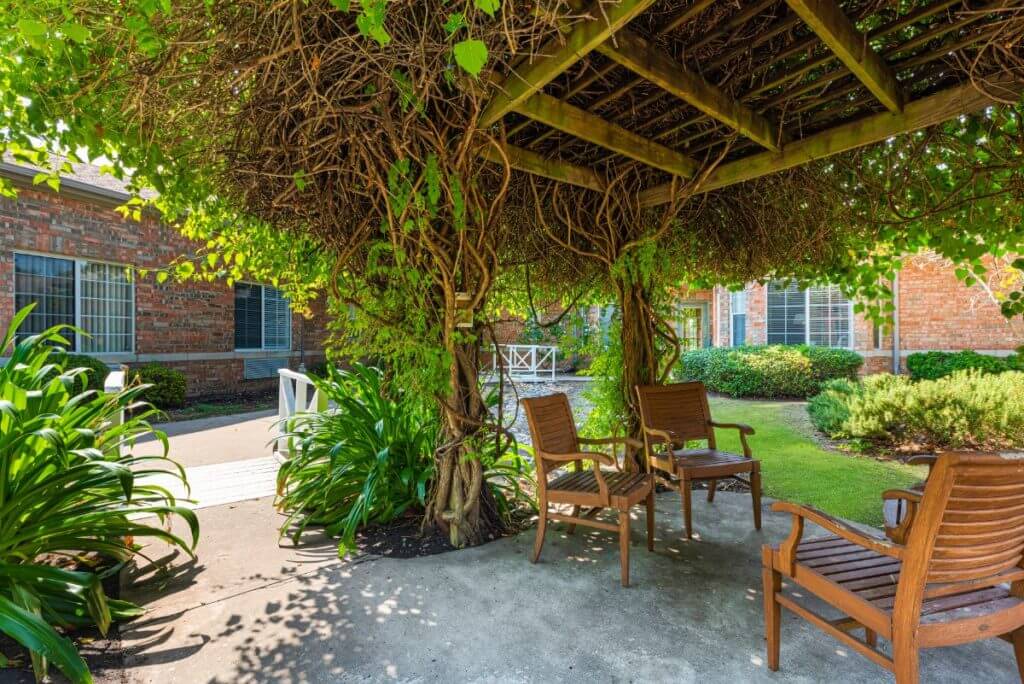
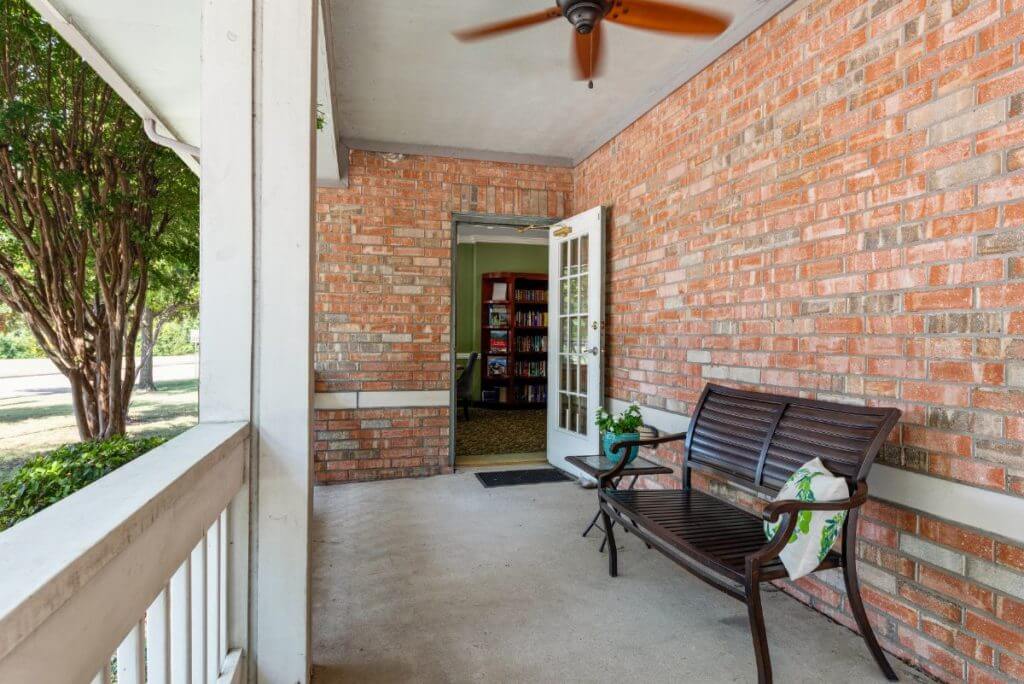
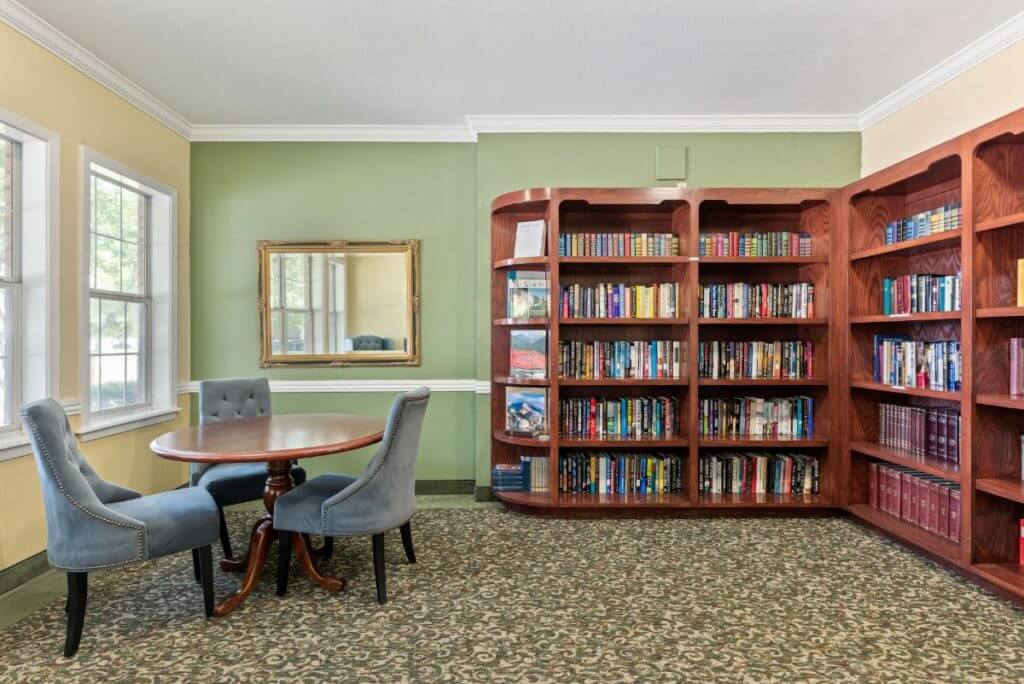
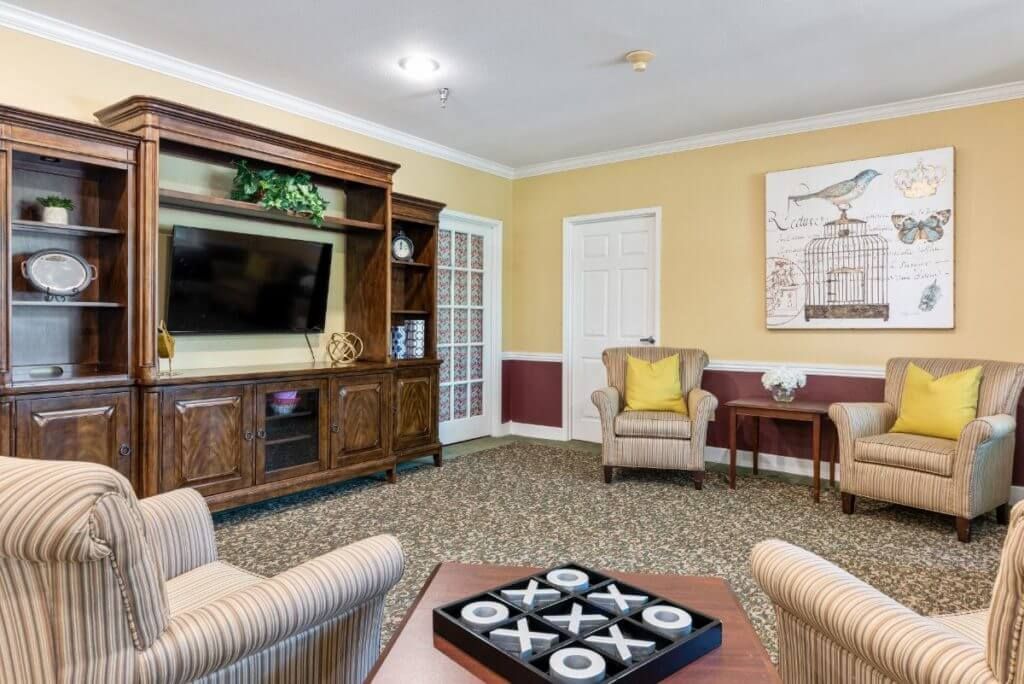
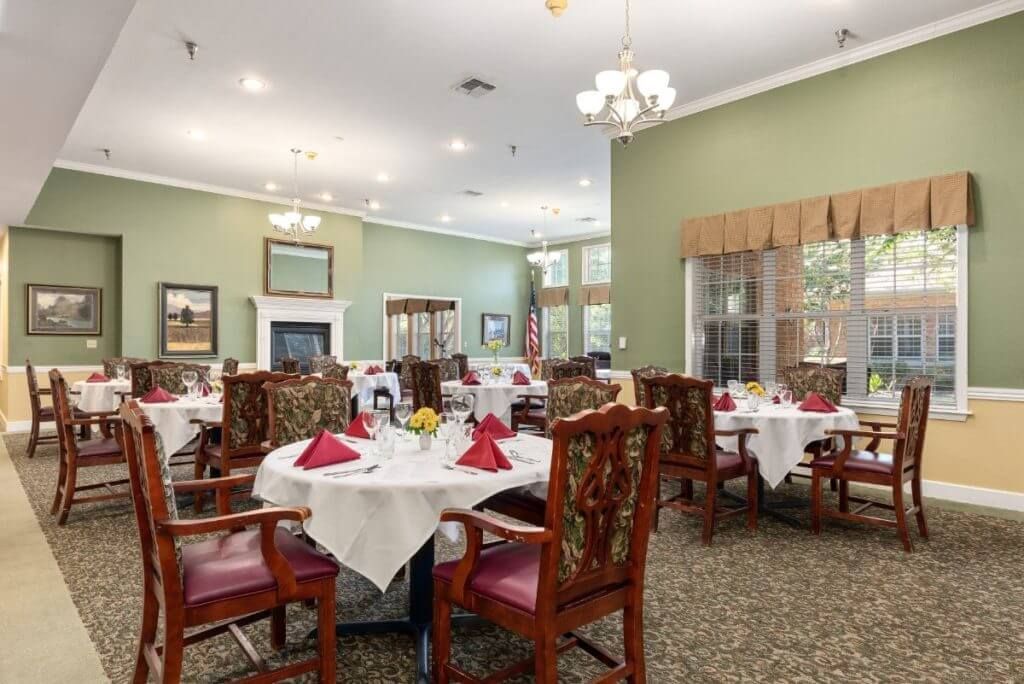
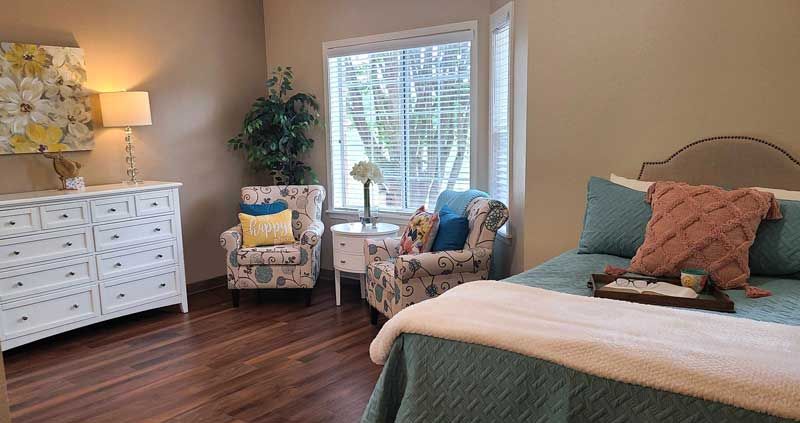
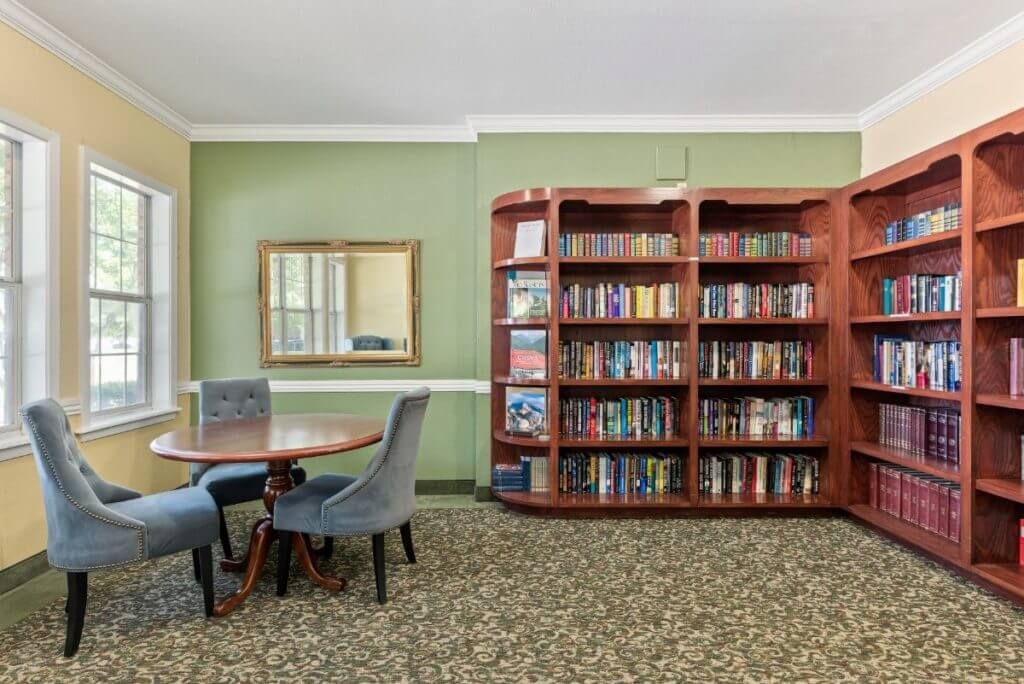
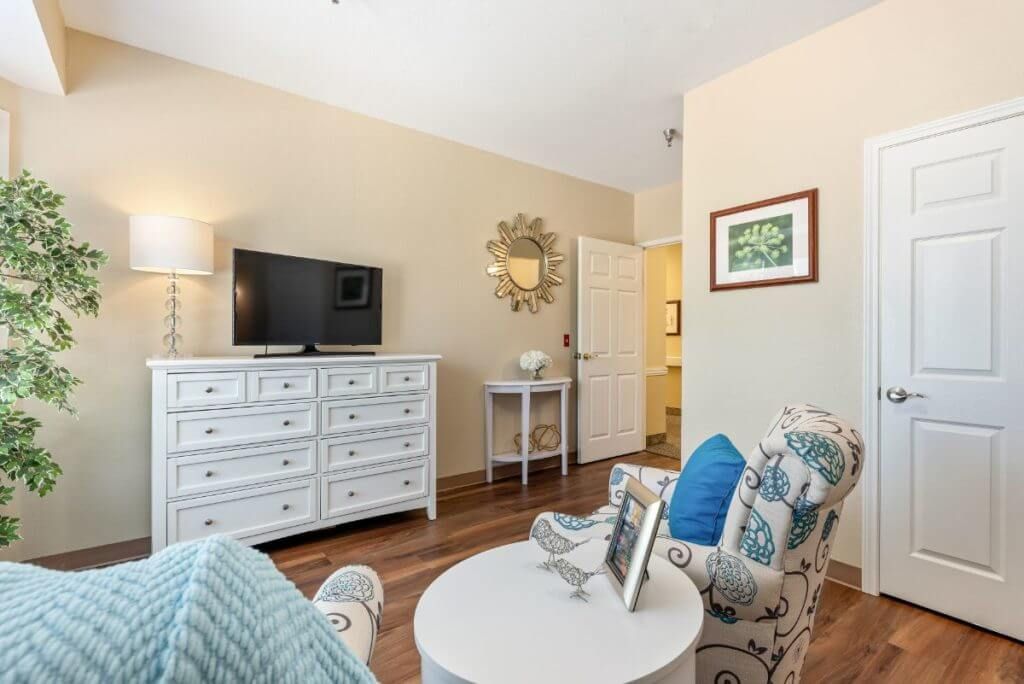
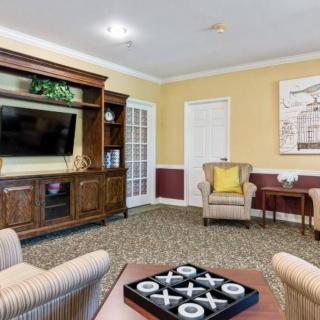
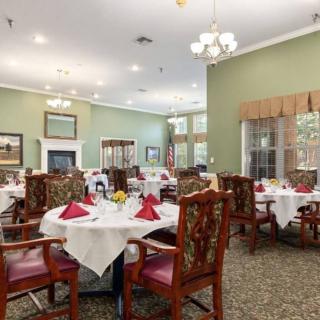
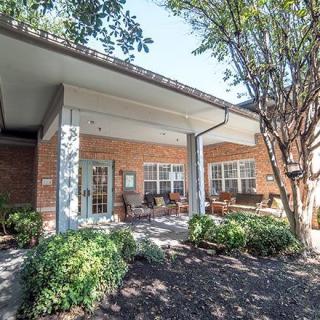
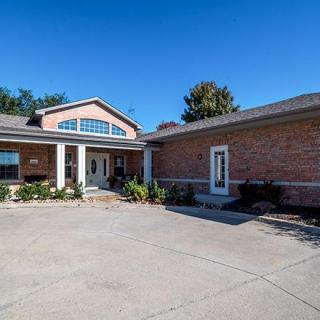
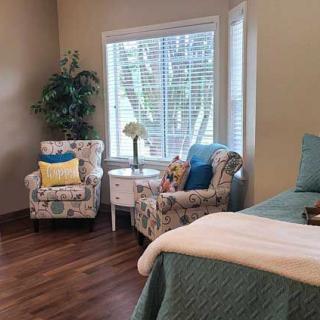
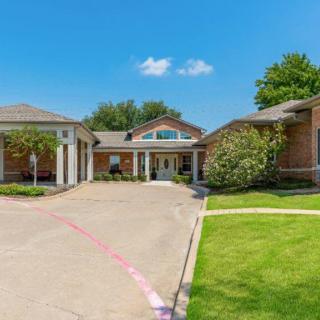
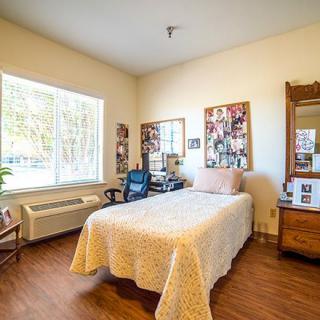
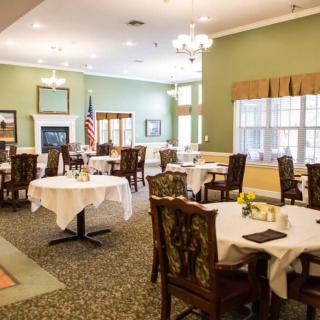
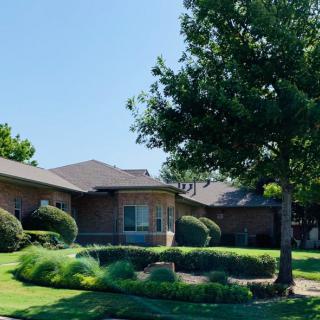
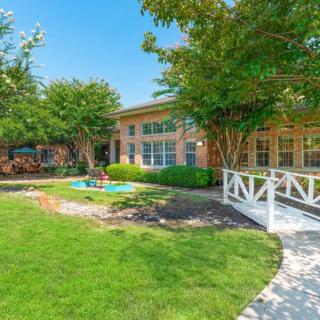
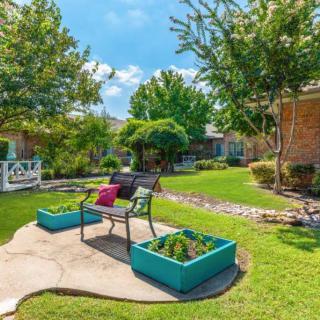
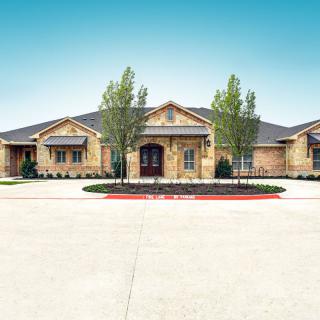
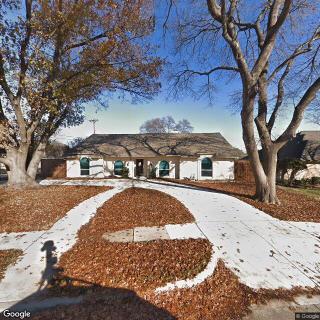
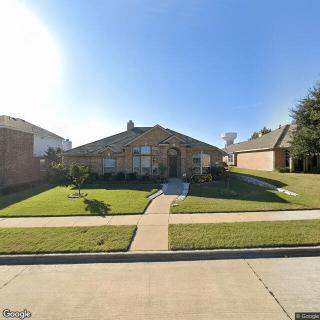
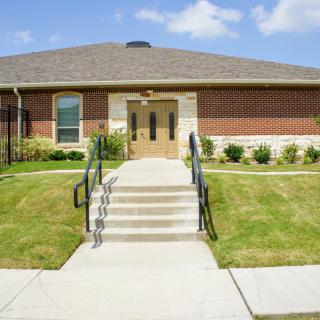
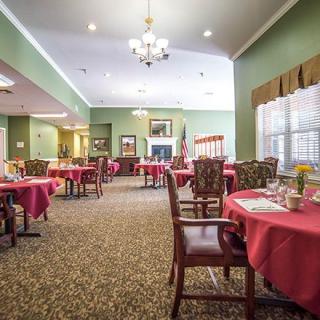
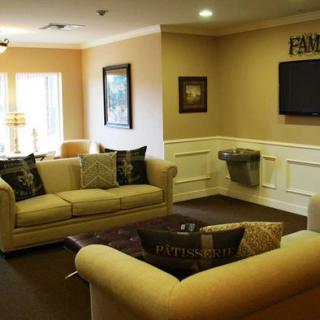
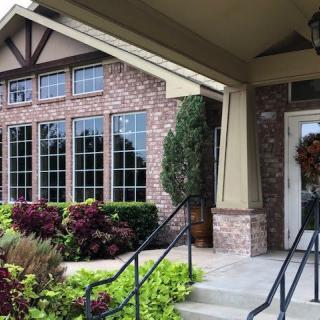
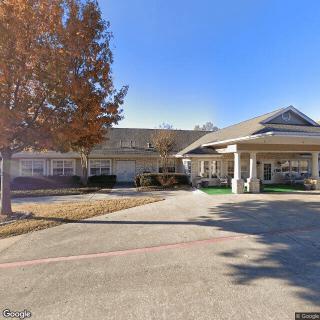
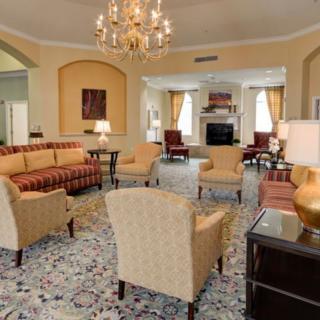
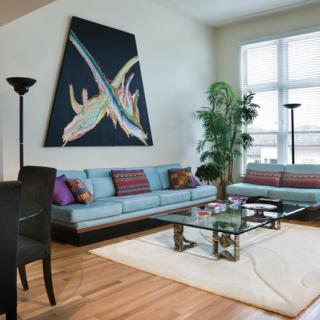
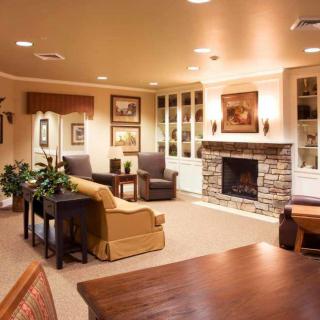
Juniper Village at Spring Creek on seniors.fyi includes 38 photos including images showing interior, floor plan, landscaping, decor, bedroom, windows, dining, living room, and more.
Nearby Communities
The Garden View Home
Plano, TX
5 from 2 reviews
$7,500 / month
Warm, home-like environment with attentive staff and communal dining and outdoor spaces.
Arms of Hope
Plano, TX
4.3 from 4 reviews
$4,000 to $4,500 / month
Specialized care (diabetic care, medication management) with on-site activities and devotional services, plus easy access to parks, restaurants, pharmacies, and hospitals nearby.
2nd Family Home Care and Support Services
Plano, TX
5 from 6 reviews
Prime Plano location with nearby amenities.
Villagio Of Plano
Plano, TX
3.5 from 14 reviews
Villagio at Plano
Plano, TX
4 from 21 reviews
$4,200 to $5,880 / month
Compassionate staff in a warm, smaller community with excellent dining and engaging activities.
Creekside Alzheimer's Special Care Center DUP
Plano, TX
4.4 from 19 reviews
$3,550 / month
Specialized memory care with a lower monthly rate than nearby options.
The Waterford At Plano
Plano, TX
4.5 from 187 reviews
$1,935 to $3,320 / month
Strong community with attentive staff and well-maintained facilities.
The Legacy at Willow Bend
Plano, TX
3.7 from 110 reviews
$7,625 to $8,950 / month
Friendly staff and pet-friendly, well-maintained facilities with engaging activities.
Arbor Hills Memory Care
Plano, TX
4.7 from 101 reviews
$5,500 to $7,300 / month
Warm, communicative staff with improved leadership and engaging activities.
Dementia causes cognitive decline and challenging behaviors that caregivers must manage, necessitating an understanding of the neurological basis of these issues. Effective strategies and self-care for caregivers can enhance support for those with dementia and improve their daily lives.
The content outlines five key early indicators of dementia, including significant memory loss and confusion about time and place, while emphasizing the need for professional evaluation and emotional support for both individuals showing symptoms and their caregivers. It encourages family members to monitor these signs closely and use online quizzes for initial awareness.
The article highlights eight indicators that a loved one with dementia may require specialized memory care, emphasizing the emotional and logistical challenges families encounter in this decision. It discusses signs such as difficulties with daily tasks, safety concerns, and caregiver burnout, suggesting that memory care facilities can provide the necessary support and structured environments for those experiencing cognitive decline.
Get PricingAsk A QuestionSchedule A TourContact Senior Advisor
By clicking submit, you agree to our Partner's Terms of Use. You
also consent to receive calls and texts, which may be autodialed, from our Partner. Your consent is not a condition to
using our Partner's service. Please visit our Partner's Privacy Policy for information about their privacy practices.




 72 resident community capacity
 Studio apartments
 Assisted Living
 Memory Care
 Respite Care
 Activities on-site
 Air-conditioning
 Beautician on-site
 Cable or satellite TV
 Computer center
 Devotional services off-site
 Dining room
 Financing advice
 Fitness room
 Fully furnished
 Gaming room
 Garden
 Ground floor units
 Guest parking
 Handicap accessible
 Housekeeping services
 Indoor common areas
 Kitchenette
 Laundry
 Move-in coordination
 Outdoor common areas
 Party space
 Pet friendly
 Private bathrooms
 Restaurant-style dining
 Small library
 Telephone
 Wellness center
 Wheelchair accessible showers
 Wi-Fi/high-speed internet available
 Dallas Love (16 miles away)
 Community operated transportation
 12-16 hour nursing
 24-hour call system
 Ambulatory care
 Assistance with bathing
 Assistance with dressing
 Assistance with transfers
 Companion care
 Diabetes diet
 Hospice care
 Incontinence care
 Medication management
 Mental wellness program
 Physical therapy
 Special dietary restrictions
 Transportation arrangement (medical)
 Art classes
 Book club
 Concierge services
 Cooking classes
 Day trips and outings
 Educational speakers / life long learning
 Games
Games Happy hour
 Karaoke
 Live musical performances
 Visiting chaplain or priest
 Wii bowling
 Wine tasting
 English
 Warm, home-like environment with attentive staff and communal dining and outdoor spaces.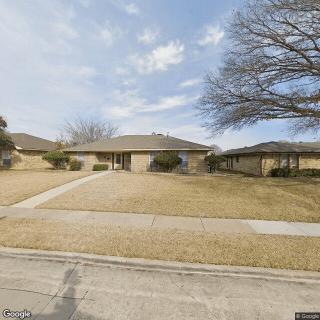
 Dementia Behaviors: In-Depth Understanding and Effective Coping Strategies
 5 Early Indicators of Dementia and What You Can Do
 8 Important Indicators That Memory Care May Be Necessary