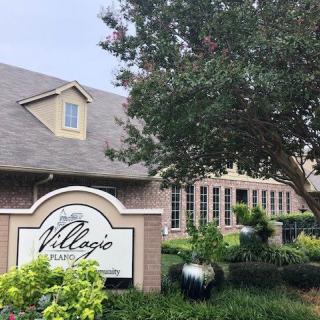



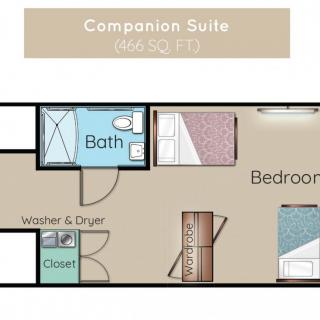


2129 Bay Hill Dr, Plano, TX 75023
To contact a resident: (972) 612-9336
For more information about senior living options: (866) 208-4318
Villagio at Plano Costs & Pricing
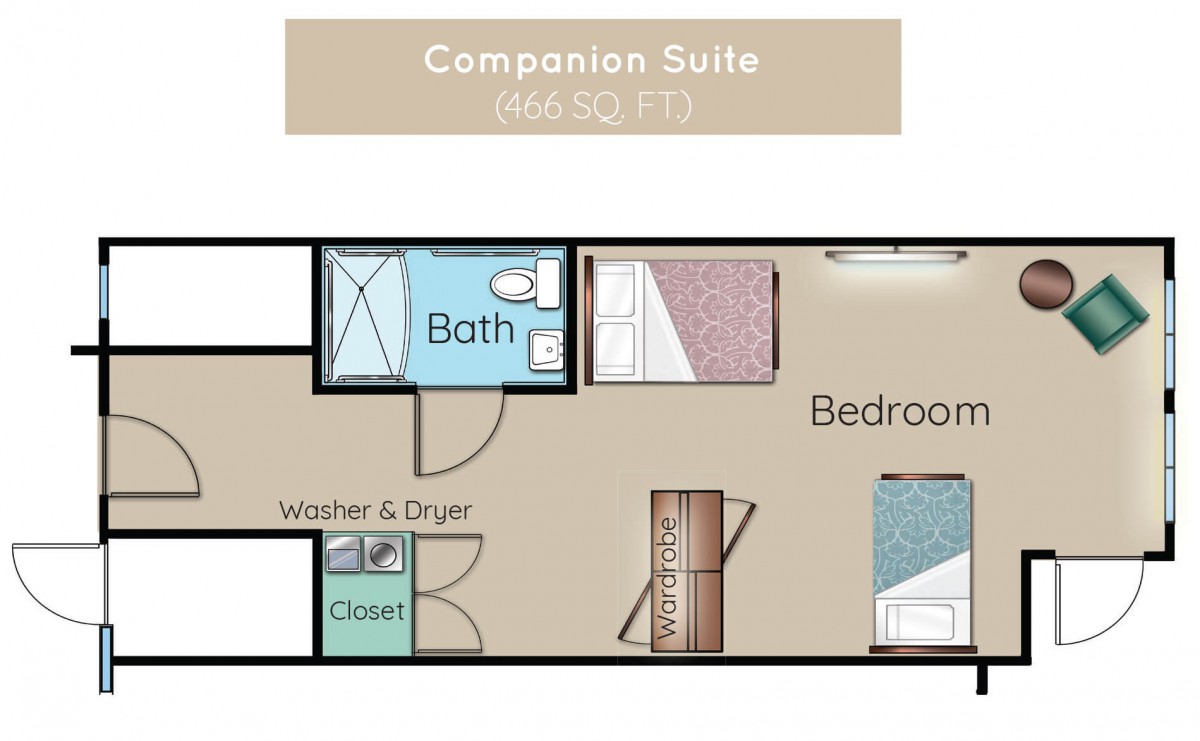
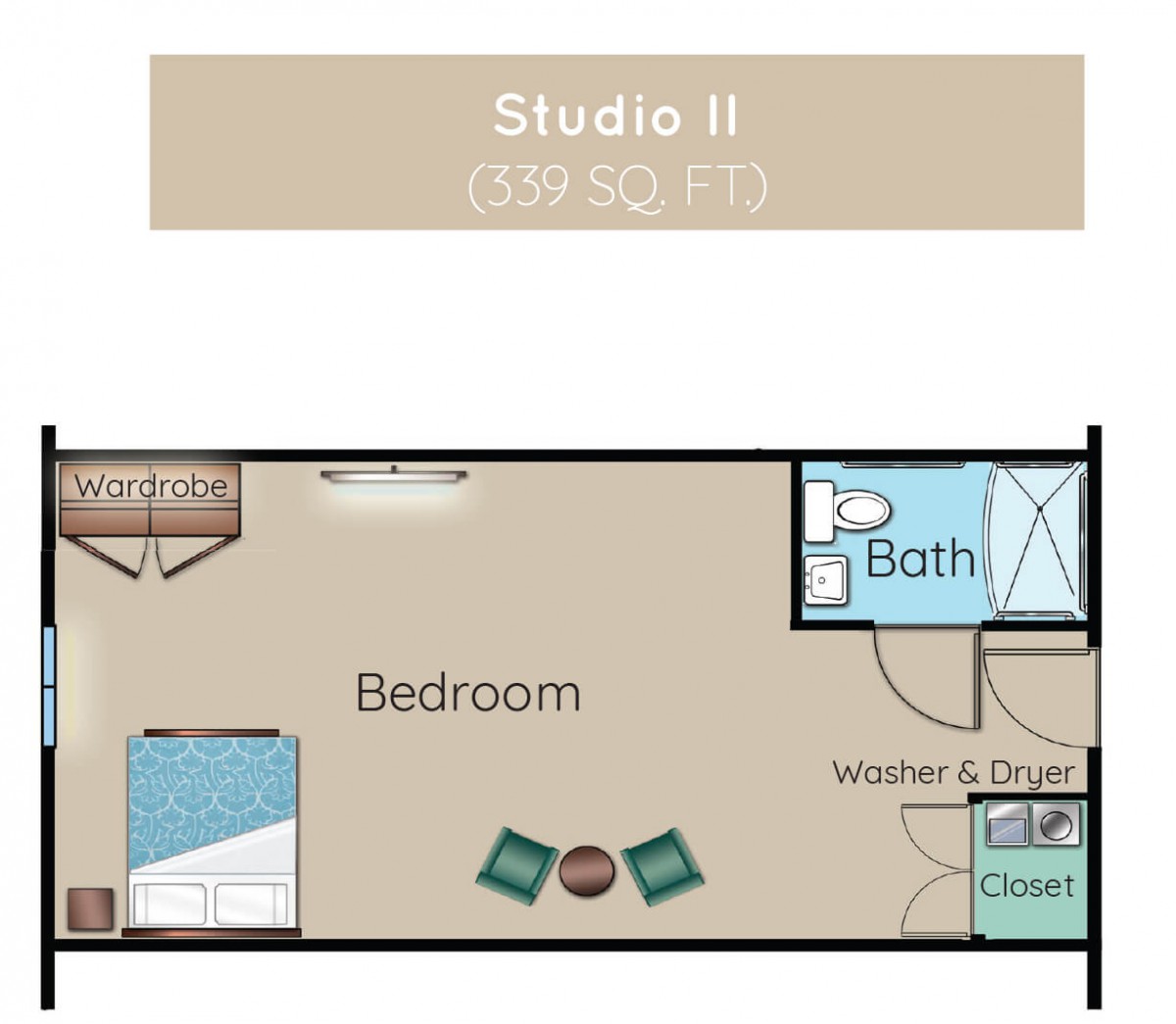
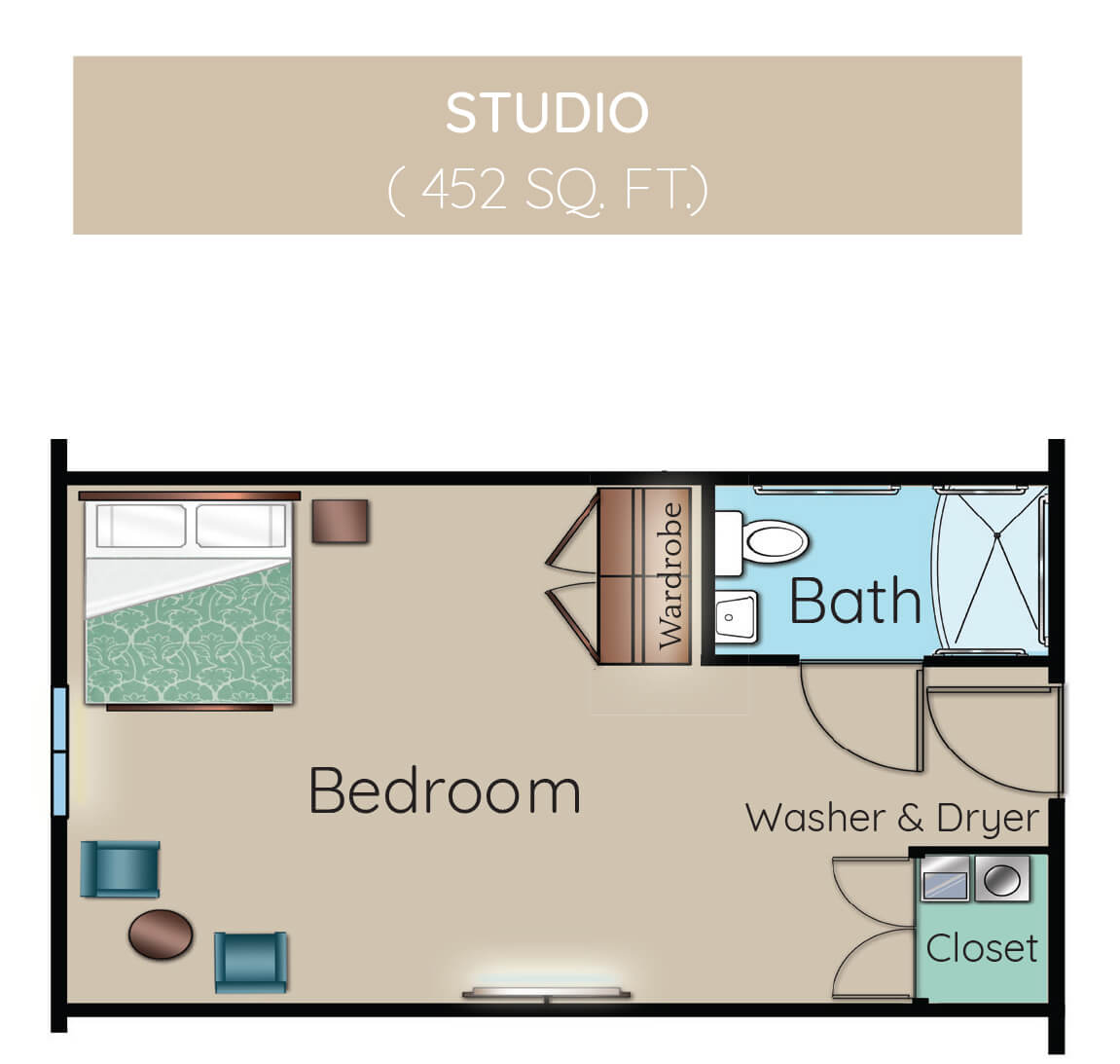
At Villagio at Plano, the monthly costs reflect a premium offering compared to both Collin County and the broader Texas market. For instance, residents in a semi-private room can expect to pay $4,200, which is notably higher than the county's average of $3,950 and the state average of $3,680. Similarly, those opting for a studio will incur a monthly fee of $5,200, surpassing the local rate of $4,225 and the state figure of $3,758. Finally, for a one-bedroom accommodation at Villagio at Plano priced at $5,880, it remains significantly above both Collin County's average of $3,822 and Texas' statewide average of $3,761. These cost differentials suggest that while Villagio at Plano may represent a higher investment upfront, it likely offers unique amenities or care services that justify its pricing.
| Floor plans | Villagio at Plano | Collin County | Texas |
|---|---|---|---|
| Semi-Private | $4,200 | $3,950 | $3,680 |
| Studio | $5,200 | $4,225 | $3,758 |
| 1 Bedroom | $5,880 | $3,822 | $3,761 |
Memory care communities with a similar price nearby
-
from -$200 / mo

A Caring Home with Friends
$4,000 to $4,250 / month10.6 miles away -
from -$734 / mo
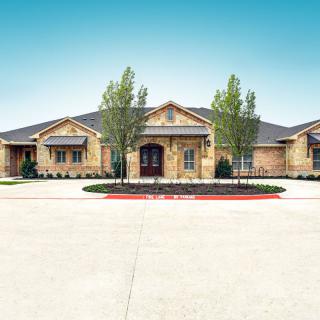
Avalon Memory Care - Allen
$3,466 to $6,475 / month7.3 miles away -
from -$700 / mo
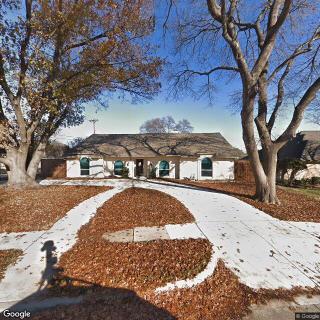
Locardia Homecare Living
$3,500 to $4,500 / month2.2 miles away -
from -$700 / mo
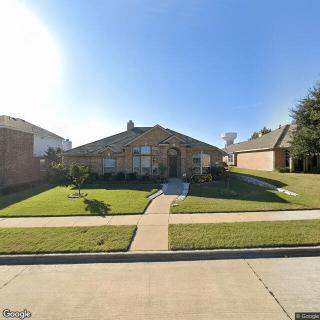
Nedges Nest
$3,500 to $4,000 / month6.7 miles away -
from +$300 / mo
AvilaCare Senior Living
$4,500 to $5,500 / month21.4 miles away
Overall Review of Villagio at Plano
Pros
 The staff have really worked hard to get their heads around that and be super accommodating because it can be difficult.
- The staff are very compassionate.
- The food is great.
- The staff are so great and positive!
- The Building is full of smiling, respectful employees.
- Friendly staff, great location, beautiful and well-maintained community.
Cons
 The current management is rude at best and disrespectful at worst to family members.
- The reviewer was read the riot act for pointing out potentially dangerous medication errors.
- Management has changed hands several times over the past few years, and each time Villagio has gotten worse.
- They do not recommend this dump.
- They can no longer recommend the Villagio of Plano.
- One reviewer described the facility as "Very very negligent!!!"
Review
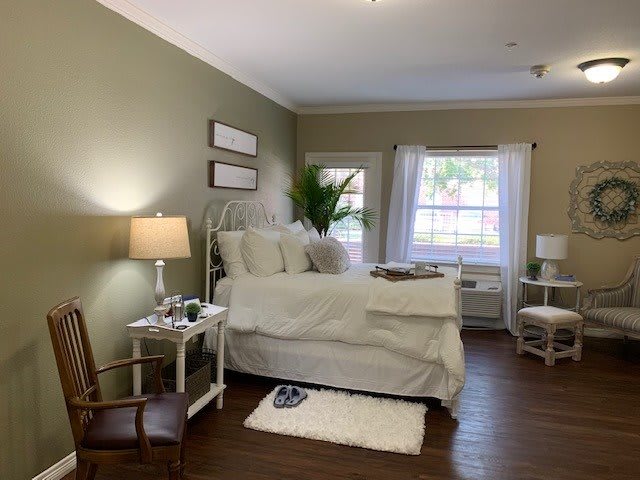
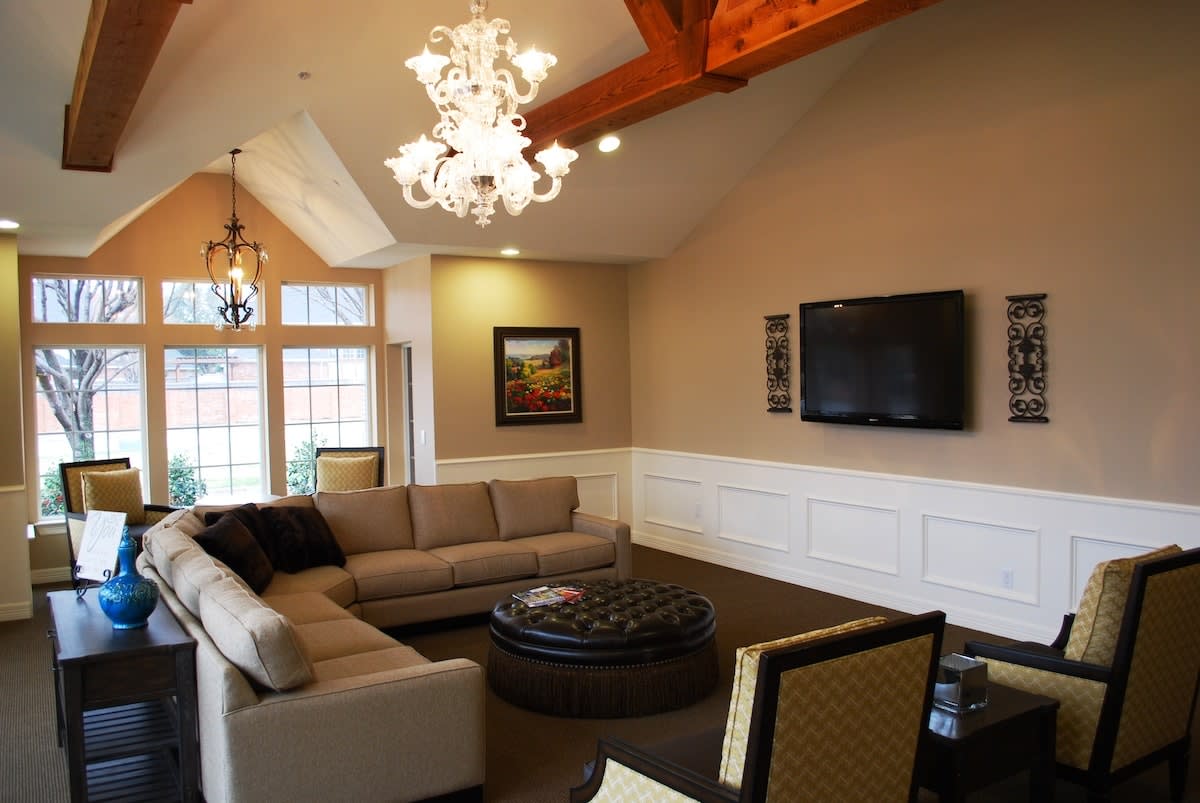
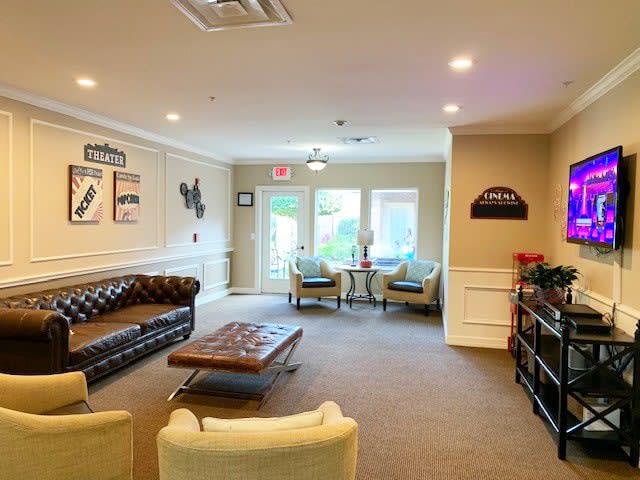
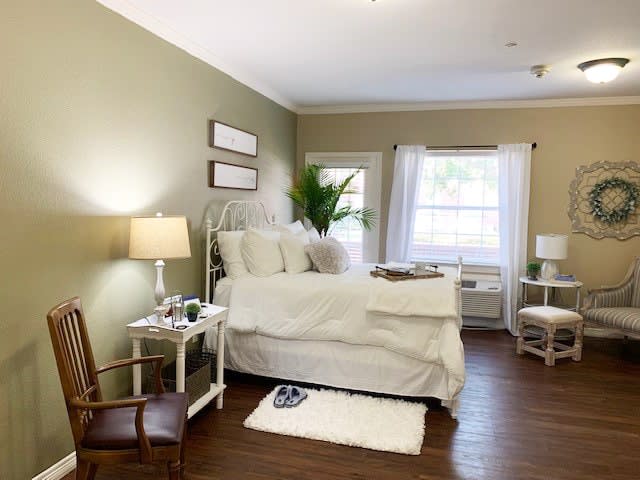
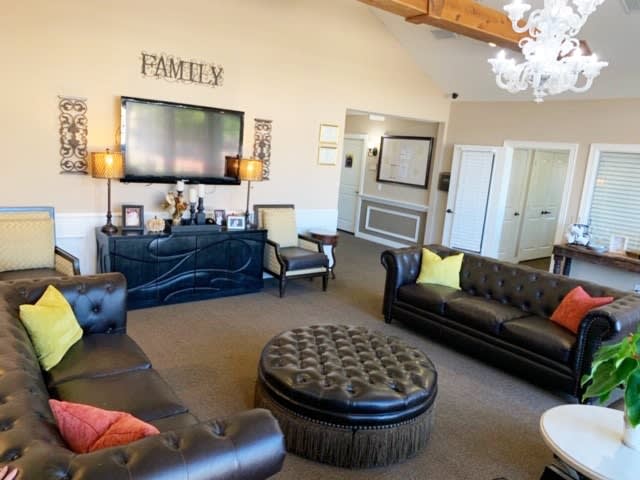
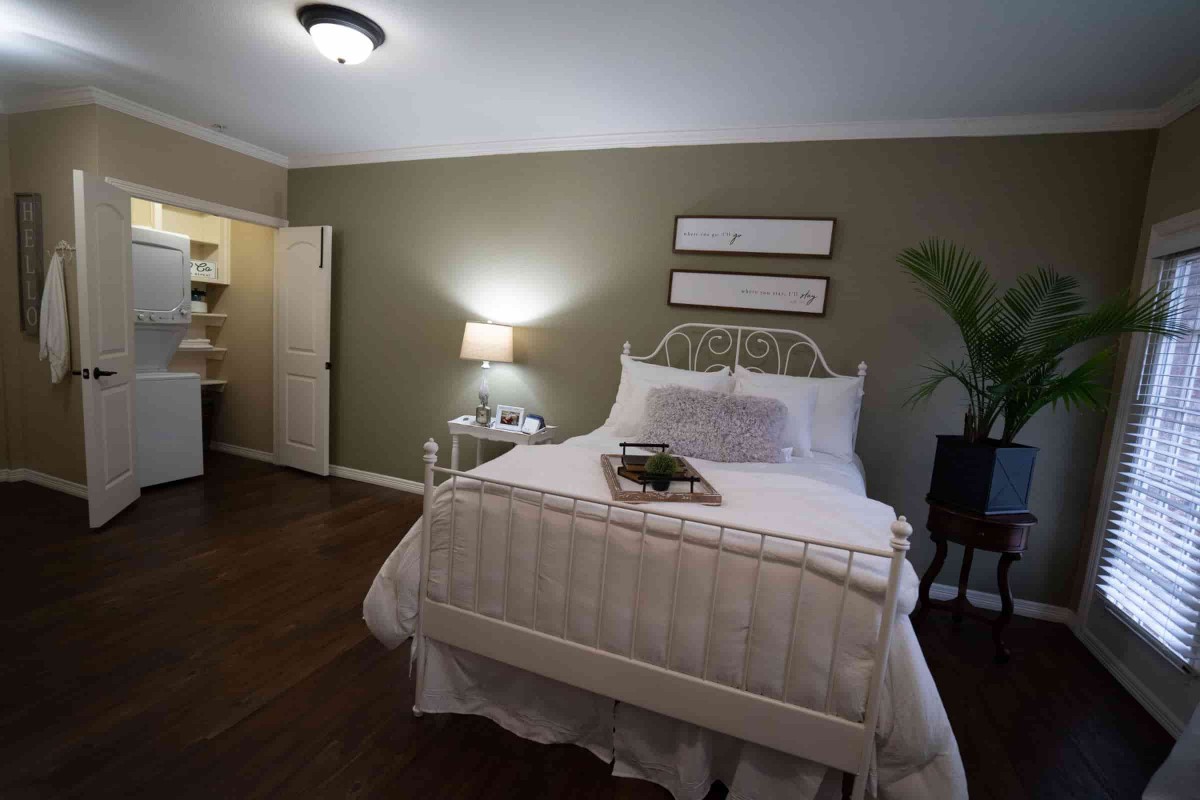
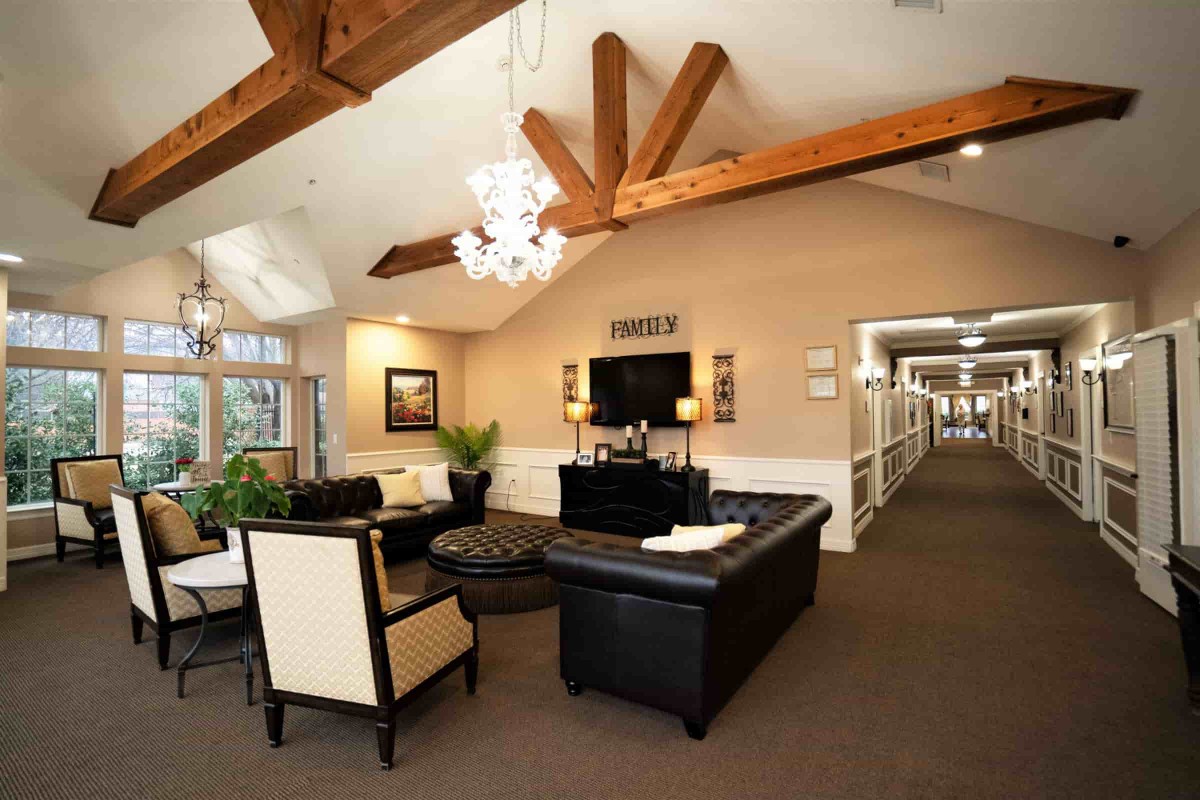
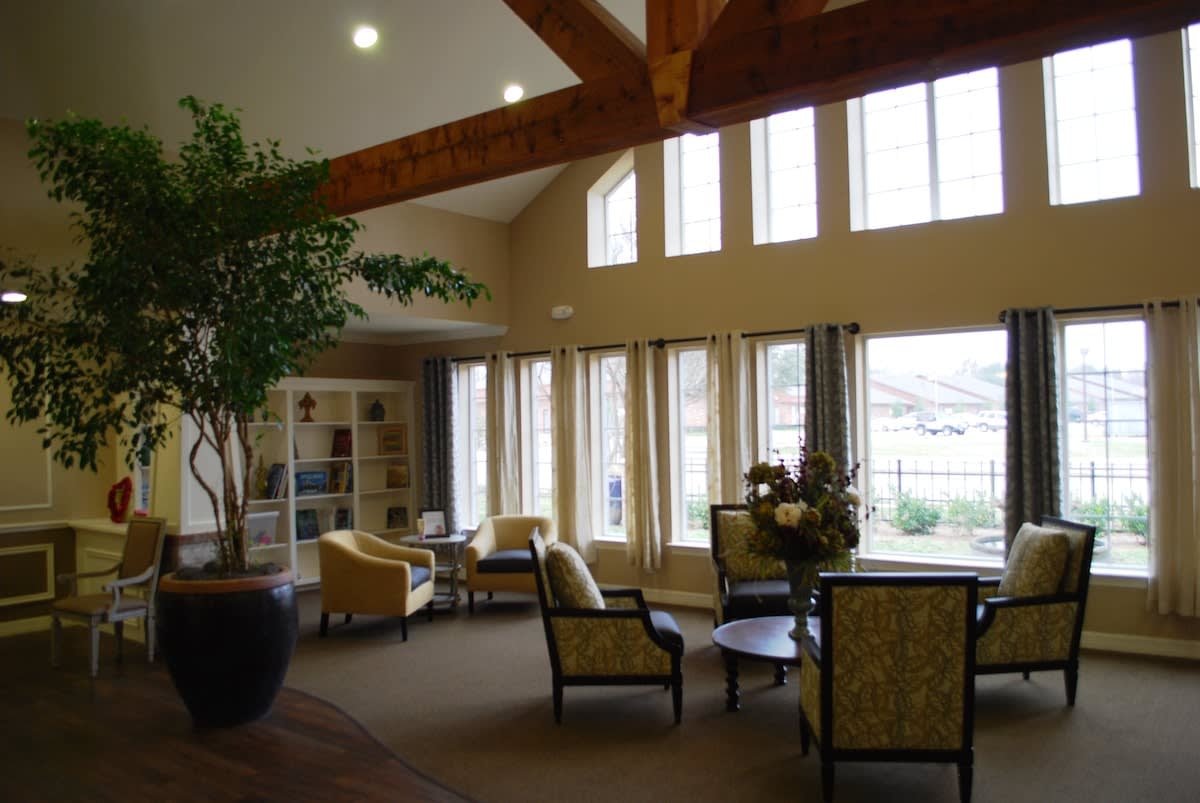
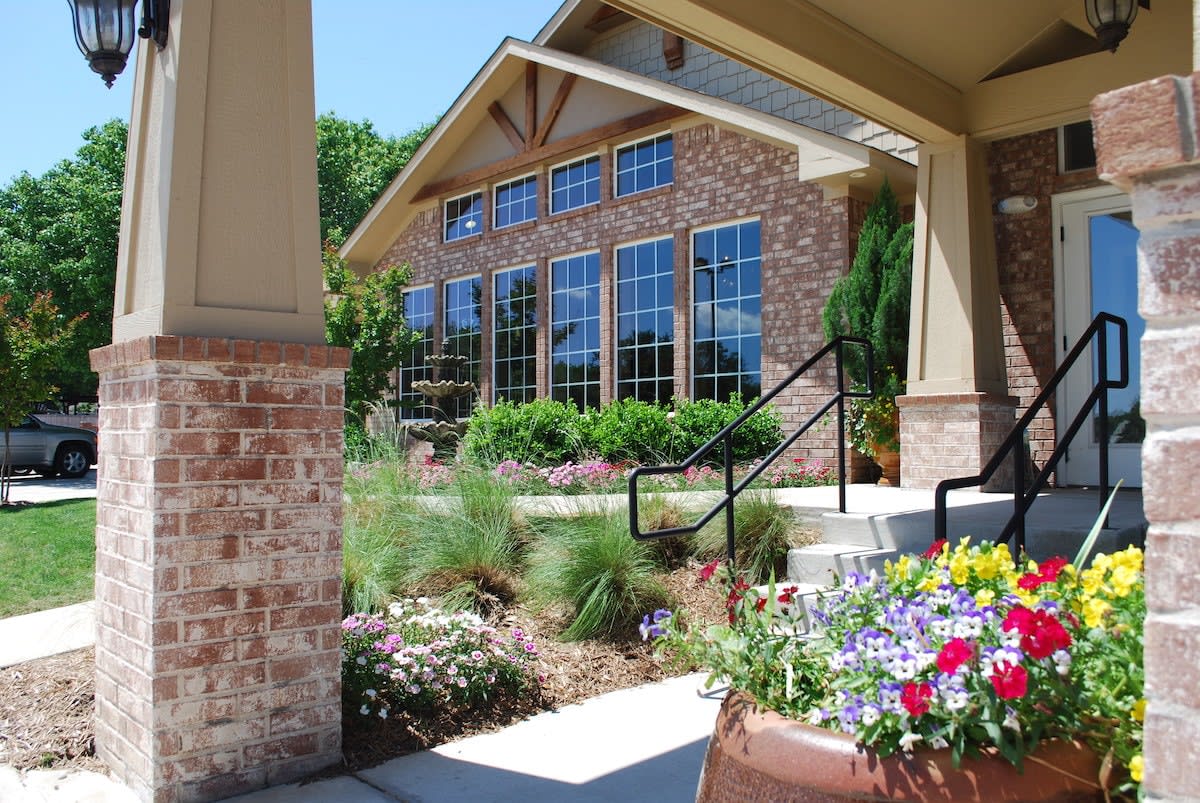
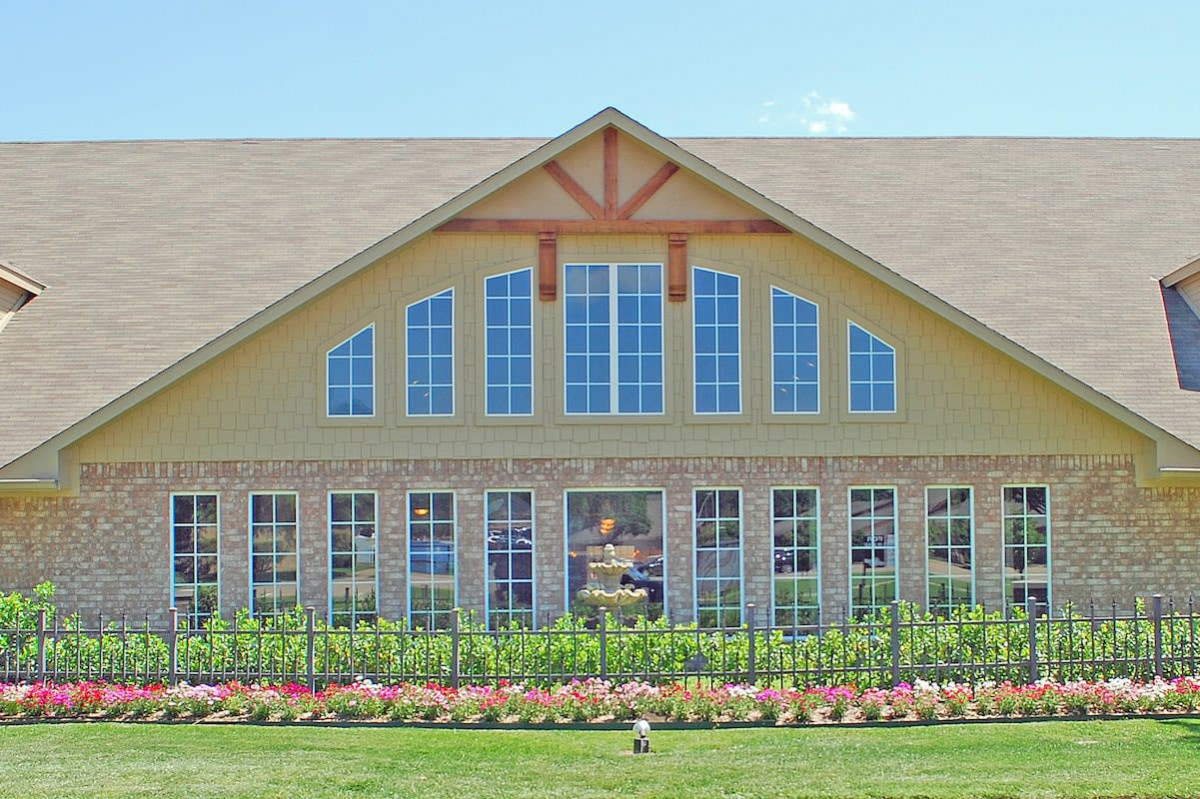
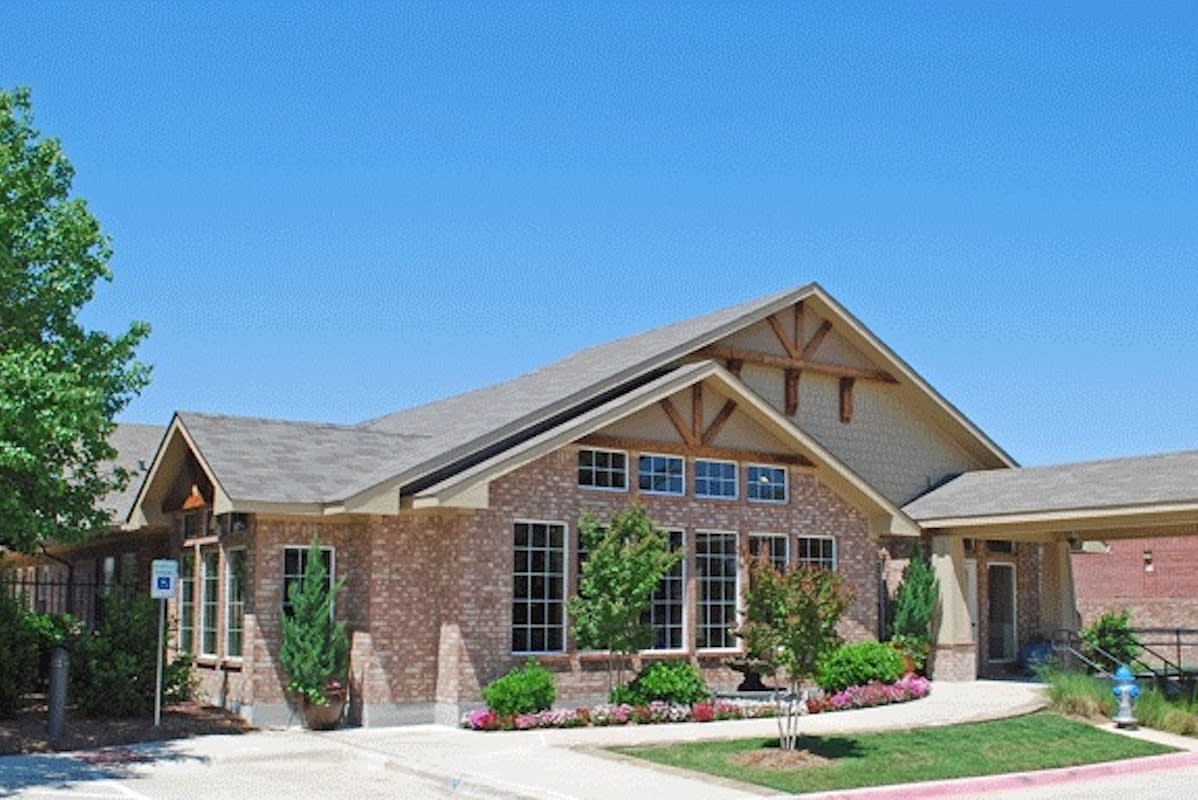
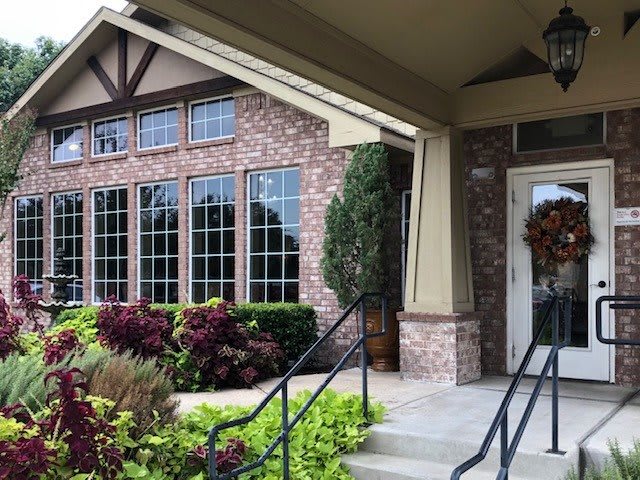
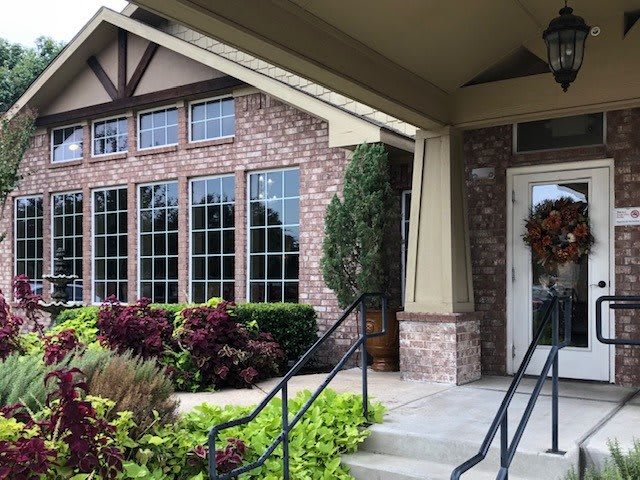
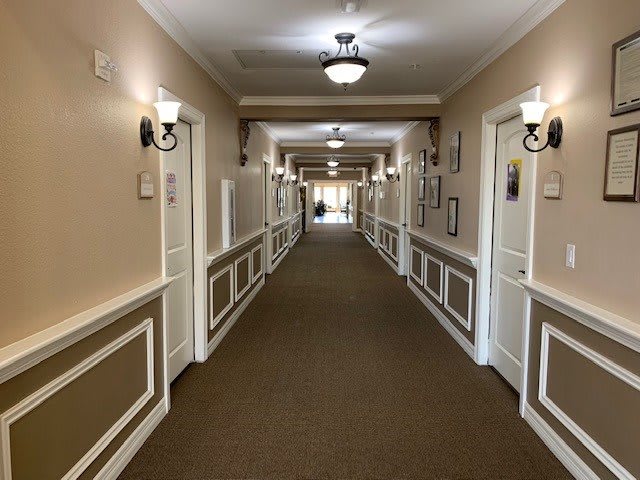
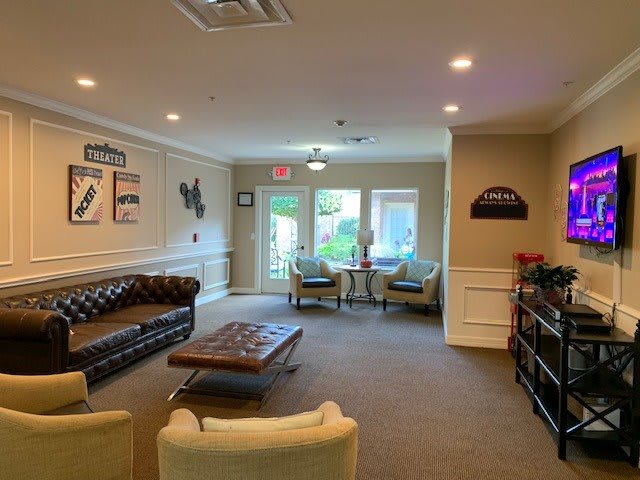
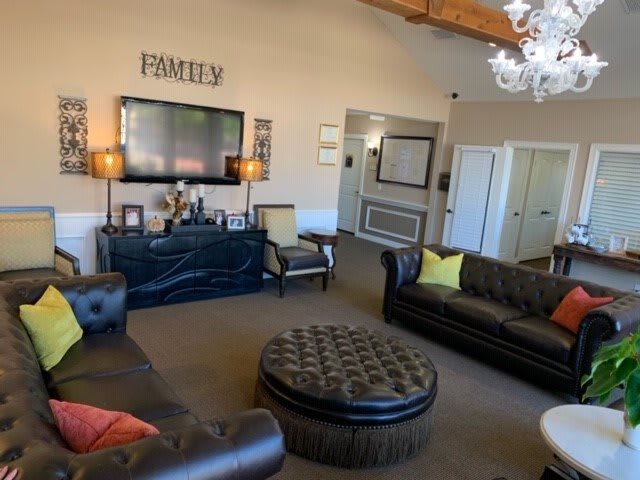
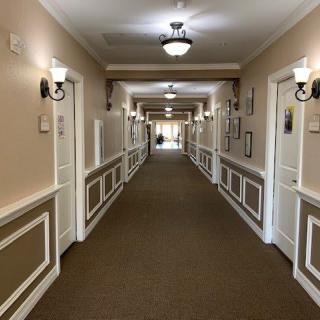
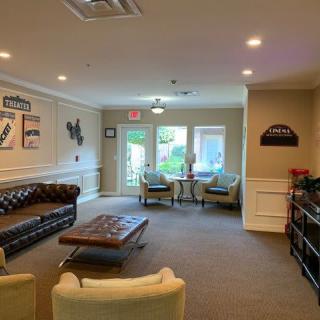
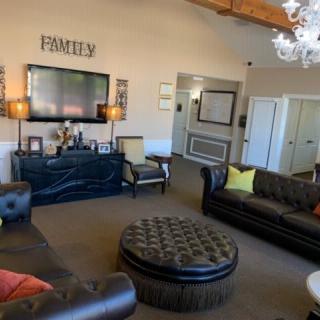
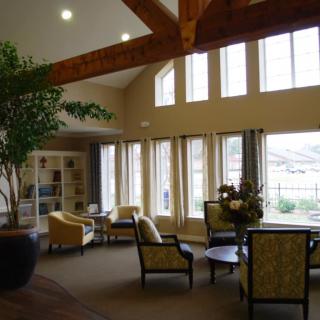
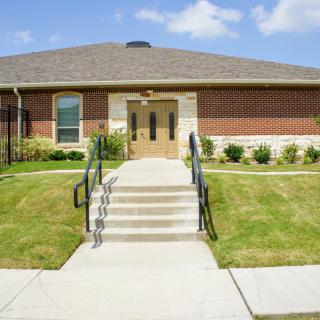
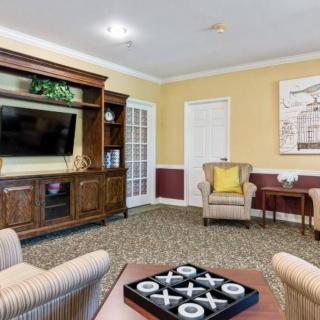
Villagio at Plano is best suited for families seeking an intimate, resident‑centered setting in Plano, where personal connection and daily warmth matter. The community’s smaller size translates into more hands‑on attention from staff and a sense of belonging that can be hard to find in larger campuses. It appeals especially to seniors who want a homelike atmosphere with clear, cheerful common areas, natural light, and a social calendar that supports meaningful activity without feeling overwhelming. For residents who are deaf or hard of hearing, the staff’s willingness to adapt and communicate thoughtfully stands out, creating a practical, inclusive environment where language access is prioritized.
Those who should consider alternatives are families prioritizing flawless, unwavering medication management and steady, unambiguous leadership. Several reviews flag inconsistent leadership and rude interactions from management, including a specific incident involving medication administration where family concerns were met with a sharp rebuke. Management turnover is mentioned repeatedly, which can erode continuity of care and create confusion about who is responsible for policies and safety. For families with high expectations for rigid, process-driven oversight and transparent governance, this community may feel unstable at times.
The strongest positives, small scale, attentive staff, compassionate care, and a well‑liked dining and social program, do meaningful work in offsetting some of the concerns. The intimate setting tends to translate into more personalized attention, quicker responsiveness to day‑to‑day needs, and a culture of courtesy that many relatives value. Food is consistently praised, and residents appear to enjoy activities and events, contributing to a positive mood and a sense of normalcy. In practice, these strengths can deliver reliable daily comfort, reduce loneliness, and foster genuine relationships with caregivers who know the resident’s preferences.
Yet the main drawbacks cannot be ignored. The most consequential risks relate to leadership stability and the potential for medication mishaps to surface in moments of turnover or communication gaps. When management is described as rude or unpredictable, it injects stress into family interactions and raises questions about how concerns are escalated and resolved. A well‑run memory or assisted‑living program depends on a steady leadership presence and rigorous oversight of clinical practices; if those elements feel unsettled, the day‑to‑day advantages of a smaller community may not fully compensate for the lack of consistent governance.
Practical decision steps can help families determine fit. Prospective residents should schedule extended visits during routine hours, including at mealtimes, to observe how staff engage with residents, how medication passes are conducted, and how questions from families are handled. Direct conversations with the Executive Director or principal administrator are essential to gauge continuity plans, staffing levels across shifts, and how concerns previously raised by families were resolved. Request copies of incident reports, ask about staff tenure, and seek candid feedback from current residents or family councils. Location, cost, and the overall social atmosphere should be weighed against the resident’s communication needs, tolerance for turnover, and the importance placed on a transparent leadership structure.
In sum, Villagio at Plano offers a warm, intimate option with engaged, caring staff, strong social programming, and a setting that feels homelike and approachable. These advantages can deliver meaningful quality of life and daily comfort for residents who thrive in smaller communities and value personal relationships with caregivers. However, a recurring caveat is the variability in management tone and the notable concerns around medication oversight tied to leadership changes. For families where reliable governance and impeccable medication safety are non‑negotiable, exploration of alternatives with steadier leadership is prudent. For those who can lean into the community’s strengths while actively interrogating governance and safety practices, Villagio at Plano can be a compelling choice that genuinely enhances daily living.
 Memory Care
 Activities off-site
 Air-conditioning
 Beautician on-site
 Devotional services on-site
 Ground floor units
 Indoor common areas
 Outdoor common areas
 Respite or short term stays offered
 Wheelchair accessible showers
 Dallas Love (16 miles away)
 Ambulatory care
 Diabetic care
 High acuity care
 Incontinence care
 Medication management
 Guest meals
 Art classes
 BBQs or picnics
 Birthday parties
 Cooking classes
 Gardening club
 Live dance or theater performances
 Live musical performances
 Sensory-based programs
 Visiting chaplain or priest





 Comprehensive Insights on the Late Stages of Dementia: What to Expect and How to Provide Care
 Medications Associated with Dementia Risk: A Comprehensive Overview
 Guiding Your Journey: Understanding Power of Attorney for Elderly Parents