
Villagio Of Plano

Save
Villagio Of Plano Villagio Of Plano Villagio Of Plano

Villagio Of Plano

2129 Bayhill Drive, Plano, TX 75023

For more information about senior living options: (844) 490-3973

3.5 from 14 reviews
5 stars
8
4 stars
1
3 stars
0
2 stars
0
1 stars
5

Assisted Living Independent Living Memory Care Respite Care

Overall Review of Villagio Of Plano

Pros

  • pro The executive director does whatever she can to ensure residents and their families are happy.
  • pro The staff are very nice to residents and visitors.
  • pro Christine is described as sweet and attentive.
  • pro The facility is clean and well maintained.
  • pro The care team is wonderful and compassionate.
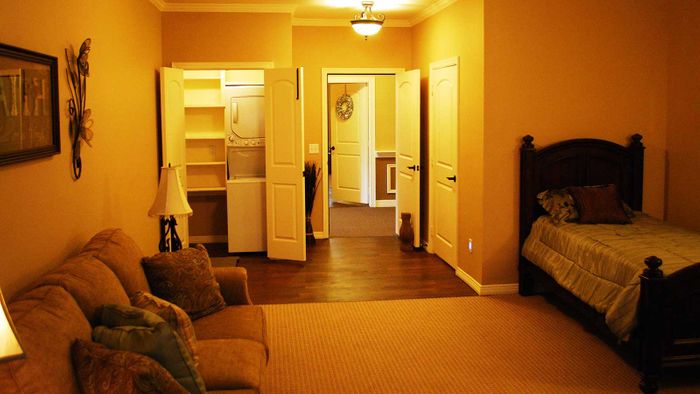
  • pro The rooms are large and comfortable.
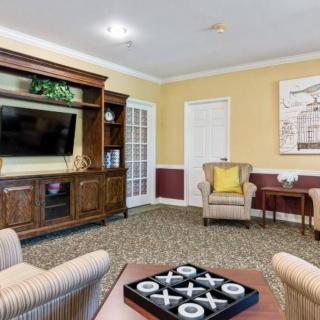
  • pro There are plenty of activities, and residents look happy.
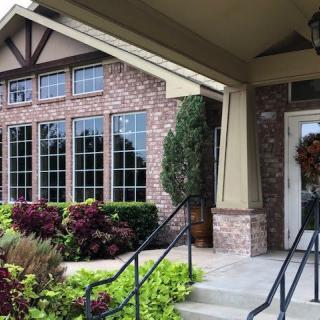
  • pro The outdoor spaces are well kept, with ongoing yard improvements.
  • pro The people and the community are absolutely lovely.

Cons

  • pro The reviewer warns against placing a loved one there.
  • pro The current management is rude at best and disrespectful at worst to family members.
  • pro There was an issue with medication administration, and staff berated the family member for pointing out potentially dangerous errors.
  • pro Management has changed hands several times over the past few years, and each time Villagio has gotten worse.
  • pro The reviewer describes the facility as a dump and does not recommend it.
  • pro The reviewer states that care at the facility is very negligent.

Review

Villagio of Plano is best suited for memory-care residents who benefit from an intimate, home-like setting and for families that prize hands-on, approachable frontline care. The smaller footprint fosters closer daily interactions, and multiple reviewers emphasize a warm, engaging staff atmosphere with plenty of ongoing activities. For families prioritizing memory-focused programming in a less intimidating environment, this community can feel like a good fit. It may not satisfy those chasing luxury amenities, expansive campuses, or a highly centralized administrative presence, but for a certain kind of resident it delivers genuine, people-driven care.

The strongest positives lie in the people delivering care. The staff are repeatedly described as wonderful, positive, and genuinely engaged with residents' well?being. Families report nurses who proactively reach out with ideas and to coordinate plans, and several reviews credit the Executive Director with taking concrete steps to ensure happiness and comfort for residents. The facility itself is portrayed as clean and well-kept, with a yard undergoing improvements that signal ongoing attention to the environment. Activities are visible and varied - crafts, reading, and social time - that align with what memory-care residents typically need to stay engaged. For families seeking a community where kindness and daily attentiveness are front and center, these elements matter.

Yet, serious cautions shadow the upsides. A significant negative signal centers on management conduct and consistency; one stern review describes outright rude treatment of family members and a defensive posture when concerns about medication were raised. Coupled with reports that management has changed hands several times in recent years, these factors raise concerns about policy consistency, accountability, and overall governance. Another critic labels the operation as negligent, a concern that, if borne out in a particular family's experience, can undermine trust in the facility's ability to safeguard residents' health.

The positive aspects do not vanish because of the red flags, but they do require families to balance risk more carefully. On the one hand, the close-knit, smaller setting combined with attentive staff can compensate for some administrative volatility by enabling real-time checks, more direct communication, and visible daily warmth. On the other hand, the frequency of leadership turnover and the reported tension around medication management suggest that third-party oversight, diligence in reviewing care plans, and proactive involvement from families will be essential. In memory-care cases, where daily routines and medication regimens are crucial, the risk-reward equation hinges on how reliably front-line teams implement policies amid shifting leadership.

Families who are drawn to Villagio of Plano should consider alternatives if governance stability and predictability are non-negotiable. Larger communities with more pronounced administrative structures often offer clearer accountability trails, formalized medication safety protocols, and more visible continuity in leadership. If a loved one requires top-tier amenities, a more expansive environment, or a governance model with steadier, long-tenured leadership, exploring other options makes sense. For those who prioritize a resilient memory-care focus within a smaller, personally guided setting, Villagio can still be a strong match - provided ample opportunities are built to verify care plans, med-management procedures, and responsive channels for family concerns.

In practical terms, due diligence is essential before committing. Prospective families should insist on meeting front-line staff and the Executive Director, request a thorough tour focused on memory-care programming, and ask to review recent incident or med-management processes. Inquire about nurse availability, routine family communications, and how shifts in management have been handled in the past. Request a clear, written care plan for the loved one, including the medication administration schedule and the procedures for addressing any safety concerns. Above all, observe the rhythm of daily life during a multiple-visit window: are residents engaged, comfortable, and well-supervised? Villagio of Plano can offer a compassionate, memory-care?oriented home for the right resident, but families must enter with clear expectations, active oversight, and a plan to confirm that care quality remains consistent as leadership evolves.

Features

Housing

  • 32 resident community capacity 32 resident community capacity
  • Studio apartments Studio apartmentsStudio apartments are important for seniors because they offer a smaller, more manageable living space that is easier to navigate and maintain as physical abilities decline. Additionally, studio apartments provide seniors with independence and privacy while still being part of a community that offers support and social opportunities.

Types of Care

  • Assisted Living Assisted LivingAssisted living facilities provide crucial support and care for seniors who may need help with daily tasks such as medication management, bathing, and meal preparation. These communities offer a safe and comfortable environment where seniors can maintain their independence while receiving the assistance they need to thrive in their golden years.
  • Independent Living Independent LivingIndependent living communities are important for seniors because they offer a safe and supportive environment where older adults can live independently while still having access to amenities and services that enhance their quality of life. These communities provide social opportunities, recreational activities, and assistance with daily tasks, promoting overall well-being and allowing seniors to maintain their independence for as long as possible.
  • Memory Care Memory CareMemory care is crucial for seniors as it provides specialized support and services for individuals with dementia or Alzheimer's disease. These programs offer a safe and secure environment where residents receive personalized care, cognitive stimulation, and help with daily activities. Memory care helps seniors maintain their independence, quality of life, and dignity while also providing peace of mind for their families.
  • Respite Care Respite CareRespite care provides temporary relief for caregivers, allowing them to recharge and attend to their own needs. It also gives seniors the opportunity to socialize, receive professional care, and experience a change of scenery, promoting overall well-being and reducing feelings of isolation.

Amenities

  • Beautician on-site Beautician on-siteHaving a beautician on-site at a senior living community is important for seniors as it allows them to easily access grooming and personal care services, boosting their self-esteem and overall well-being. It also provides convenience and helps seniors maintain their sense of independence and personal style.
  • Beauty salon Beauty salonBeauty salons are important for seniors because they provide a space for them to feel pampered, socialize, and maintain their personal grooming and hygiene. Regular visits to a beauty salon can help boost seniors' self-esteem and overall well-being.
  • Cable or satellite TV Cable or satellite TVCable or satellite TV is important for seniors because it provides entertainment, news, and companionship, helping to combat loneliness and boredom. It also offers a wide range of programming options tailored to different interests and preferences.
  • Dining room Dining roomDining rooms are important for seniors as they provide a space for socialization, connection, and nutritious meals. They offer opportunities for residents to bond over shared meals, foster a sense of community, and promote healthy eating habits. Dining rooms also ensure that seniors have access to well-balanced meals tailored to their dietary needs and preferences.
  • Fully furnished Fully furnishedFully furnished senior living communities are important for seniors because they provide convenience, comfort, and a hassle-free moving experience. Seniors can easily settle into their new living space without the stress of having to buy and move furniture. This allows them to focus on enjoying their new home and community.
  • Garden GardenGardens are important for seniors as they provide a peaceful and therapeutic environment for relaxation, physical activity, and socialization. Being in nature has been shown to reduce stress, improve mood, and promote overall well-being. Gardens also offer opportunities for seniors to engage in gardening activities, which can improve mobility, flexibility, and cognitive function. Additionally, gardens create a sense of community and connection with others who share a passion for plants and outdoor spaces.
  • Housekeeping services Housekeeping servicesHousekeeping services are important for seniors because they help maintain a clean and safe living environment, promote independence, and reduce the risk of accidents or illnesses. Additionally, having assistance with household chores can alleviate physical strain and allow seniors to focus on other aspects of their well-being.
  • Kitchenette KitchenetteKitchenettes are important for seniors living in senior living communities because they provide the convenience and independence of being able to prepare simple meals and snacks in the comfort of their own living space. This can help promote a sense of autonomy and well-being for seniors, allowing them to maintain some level of control over their dietary choices and daily routines.
  • Laundry LaundryLaundry services are important for seniors as they may have difficulty with physical tasks such as bending, lifting, or carrying heavy loads. Having access to laundry services can help seniors maintain personal hygiene, cleanliness, and independence in their daily lives.
  • Move-in coordination Move-in coordinationMove-in coordination is important for seniors because it helps ease the transition into their new living environment. It ensures that all logistics, such as packing, organizing movers, and setting up utilities are taken care of, allowing seniors to focus on settling in and adjusting to their new home. Having a smooth move-in process can alleviate stress and anxiety, making the transition smoother and more enjoyable for seniors.
  • Outdoor space Outdoor spaceOutdoor spaces are important for seniors as they provide opportunities for physical activity, social interaction, exposure to natural light and fresh air, and a sense of connection to nature. Having access to outdoor spaces can improve overall well-being and quality of life for older adults living in senior communities.
  • Restaurant-style dining Restaurant-style diningRestaurant-style dining is important for seniors because it allows them to enjoy delicious, nutritious meals in a social and upscale setting. This enhances their dining experience, promotes healthy eating habits, and fosters socialization with fellow residents, ultimately contributing to their overall well-being and quality of life.
  • Small library Small librarySmall libraries are important for seniors as they provide access to a variety of reading materials, including books, newspapers, and magazines. This can help stimulate their minds, keep them engaged, and provide a sense of community through book clubs and other social activities. Additionally, reading has been shown to improve cognitive function and overall mental well-being in older adults.
  • Telephone TelephoneTelephones are important for seniors as they provide a lifeline for communication with loved ones, emergency services, and healthcare providers. They offer a sense of security and independence, enabling seniors to stay connected and access assistance when needed.
  • Wi-Fi/high-speed internet available Wi-Fi/high-speed internet availableWi-Fi/high-speed internet is important for seniors to stay connected with loved ones, access online resources, and participate in virtual activities to combat feelings of loneliness and isolation. It also allows them to easily manage healthcare needs, access entertainment, and engage in lifelong learning opportunities.

Transportation

  • Dallas Love (16 miles away) Dallas Love (16 miles away)
  • Dallas-Fort Worth International (21 miles away) Dallas-Fort Worth International (21 miles away)

Care Services

  • 24-hour call system 24-hour call system24-hour call systems are important for seniors because they provide peace of mind and immediate assistance in case of emergencies. This technology ensures that help is always available, promoting safety and security for elderly individuals living alone or in assisted living facilities.
  • 24-hour supervision 24-hour supervision24-hour supervision is important for seniors to ensure their safety, well-being, and access to immediate assistance in case of emergencies or health issues. This constant support provides peace of mind for both seniors and their loved ones, allowing them to age in place with dignity and security.
  • Activities of daily living assistance Activities of daily living assistanceActivities of daily living assistance are important for seniors because they provide essential support with tasks such as eating, bathing, dressing, and mobility. This assistance helps seniors maintain their independence, dignity, and overall quality of life as they age.
  • Assistance with bathing Assistance with bathingAssistance with bathing is crucial for seniors as it helps maintain personal hygiene, prevents infections, and ensures their overall well-being and comfort. It also provides a sense of dignity and independence for seniors who may struggle with this task on their own.
  • Assistance with dressing Assistance with dressingAssistance with dressing is important for seniors because it helps maintain their independence, promotes personal hygiene, prevents accidents and injuries, and improves overall quality of life. This service ensures that seniors can continue to dress comfortably and confidently, despite any physical limitations they may have.
  • Assistance with transfers Assistance with transfersAssistance with transfers is crucial for seniors as it helps prevent falls and injuries, maintains their independence, and ensures they can safely navigate their living environment. It also provides peace of mind for both seniors and their loved ones.
  • Diabetes diet Diabetes dietA diabetes diet is crucial for seniors as it helps manage blood sugar levels, reduce risks of complications, and improve overall health and well-being. By following a balanced and nutritious diet tailored to their specific needs, seniors can better control their diabetes and enhance their quality of life.
  • Meal preparation and service Meal preparation and serviceMeal preparation and service are crucial for seniors as they may have limited mobility or energy to cook nutritious meals. Having access to healthy and convenient food options can ensure they are getting the proper nutrition needed to maintain their overall health and well-being.
  • Medication management Medication managementMedication management is crucial for seniors to ensure they are taking the right medications at the correct dosages and times. This helps prevent adverse drug interactions, reduces the risk of medication errors, and promotes overall health and well-being. Proactive management also allows for adjustments as needed based on changing health conditions or new prescriptions.
  • Mental wellness program Mental wellness programMental wellness programs are essential for seniors as they promote cognitive stimulation, emotional support, and social engagement. These programs help prevent isolation, depression, and cognitive decline, ultimately enhancing the overall quality of life for older adults.
  • Mild cognitive impairment Mild cognitive impairment"Mild cognitive impairment" is important for seniors because it is an early stage of cognitive decline that can potentially progress to more severe conditions such as dementia. Recognizing and addressing mild cognitive impairment can help seniors receive appropriate care and support to maintain their quality of life and independence for as long as possible.
  • Special dietary restrictions Special dietary restrictionsSpecial dietary restrictions are important for seniors because age-related changes in metabolism and health conditions can make it difficult for their bodies to process certain foods. By following a diet tailored to their specific needs, seniors can maintain their overall health and well-being, manage chronic conditions, and reduce the risk of complications such as malnutrition or food interactions with medications.
  • Specialized memory care programming Specialized memory care programmingSpecialized memory care programming is crucial for seniors with cognitive impairments such as dementia or Alzheimer's disease. These programs provide a safe and supportive environment tailored to the unique needs of individuals with memory loss, helping them maintain their independence, dignity, and quality of life.

Dining

  • Diabetes diet Diabetes dietA diabetes diet is crucial for seniors as it helps manage blood sugar levels, reduce risks of complications, and improve overall health and well-being. By following a balanced and nutritious diet tailored to their specific needs, seniors can better control their diabetes and enhance their quality of life.
  • Special dietary restrictions Special dietary restrictionsSpecial dietary restrictions are important for seniors because age-related changes in metabolism and health conditions can make it difficult for their bodies to process certain foods. By following a diet tailored to their specific needs, seniors can maintain their overall health and well-being, manage chronic conditions, and reduce the risk of complications such as malnutrition or food interactions with medications.

Activities

  • Community-sponsored activities Community-sponsored activitiesCommunity-sponsored activities are important for seniors as they provide opportunities for social interaction, mental stimulation, and physical activity. These activities can help improve overall well-being, combat loneliness and isolation, and promote a sense of belonging and purpose among older adults.
  • Resident-run activities Resident-run activitiesResident-run activities are important for seniors as they encourage social interaction, creativity, and a sense of autonomy. These activities empower seniors to stay engaged and active in their community while fostering meaningful connections with their peers.
  • Scheduled daily activities Scheduled daily activitiesScheduled daily activities are important for seniors because they provide structure, socialization, mental stimulation, and physical activity. Engaging in regular activities can improve overall well-being and quality of life for seniors living in a community setting.

Languages Spoken

  • English EnglishEnglish is important for seniors as it allows them to communicate effectively with healthcare providers, understand important information related to their health and medications, stay connected with loved ones, and engage in social activities within their communities. It also opens up opportunities for lifelong learning and intellectual stimulation.

Description

Villagio Of Plano is an assisted living community located in the vibrant city of Plano, Texas. We offer a variety of care options including independent living, memory care, and respite care to meet the unique needs of our residents.

Our community is designed with the comfort and well-being of our residents in mind. Residents can enjoy a range of amenities such as a beauty salon, cable or satellite TV, fully furnished living spaces, and housekeeping services. We also provide a small library for those who love reading and Wi-Fi/high-speed internet access for staying connected with loved ones.

At Villagio Of Plano, we prioritize the health and safety of our residents. Our highly trained staff provides 24-hour supervision and assistance with activities of daily living such as bathing, dressing, and transfers. We also offer medication management services to ensure that residents are receiving their medications as prescribed.

We understand that nutrition plays a vital role in overall wellbeing. Our dining room offers restaurant-style dining experiences with specialized meal preparation and service to accommodate special dietary restrictions, including diabetes diets.

Staying socially engaged and mentally stimulated is important for our residents' quality of life. We provide resident-run activities as well as scheduled daily activities to promote socialization and engagement within our community.

Located near our community are numerous amenities and services that enhance the convenience and accessibility for our residents. There are four cafes, five parks, eighteen pharmacies, six physicians' offices, twenty-four restaurants, three places of worship nearby as well as theaters and hospitals in close proximity.

At Villagio Of Plano, we strive to create a warm and comfortable environment where each resident feels at home while receiving personalized care tailored to their individual needs.

Nearby Places of Interest

Parks

  • Memorial Park (0.1 miles)
  • Hoblitzelle Park (1 miles)
  • Twin Creeks Park (3.8 miles)
  • Windhaven Meadows Park (4.2 miles)
  • Russell Creek Park (4.2 miles)
  • Coyote Creek Park (5.7 miles)
  • Quail Run Park (6 miles)

Pharmacies

  • CVS Pharmacy (0.3 miles)
  • Walgreens (0.3 miles)
  • Walgreens (1.8 miles)
  • CVS Pharmacy (1.9 miles)
  • CVS Pharmacy (2 miles)
  • CVS Pharmacy (2.1 miles)
  • Walgreens (2.1 miles)

Cafes

  • Mozart Bakery (0.3 miles)
  • Red Truck Cafe (1.7 miles)
  • Starbucks (4 miles)
  • Mimi's Star Cafe (4.7 miles)
  • 85C Bakery Cafe (5.3 miles)
  • Starbucks (5.6 miles)

Restaurants

  • Braum's (1.1 miles)
  • Chuy's (2.4 miles)
  • In-N-Out Burger (2.4 miles)
  • Sonic Drive-In (2.5 miles)
  • King Buffet (2.7 miles)
  • Eddie's Diner (3.2 miles)
  • Vickery Park (3.4 miles)

Places of Worship

  • Chase Oaks Church (2.5 miles)
  • Shiloh Missionary Baptist Church (3.4 miles)
  • One Community Church (4.5 miles)

Theaters

  • Cinemark Holdings (2.8 miles)
  • Cinemark (5.2 miles)

Physicians

  • The ENT & Allergy Centers of Texas (3.1 miles)
  • Dhat (3.4 miles)
  • Dallas Associated Dermatologists (3.5 miles)
  • Eminent Medical Center (4.1 miles)
  • Cook Children's Pediatrics Collin County (4.1 miles)
  • Plano Orthopedic & Sports Medicine Center (4.9 miles)
  • Cornea Associates of Texas (5.1 miles)

Hospitals

  • The Heart Hospital Baylor Plano (4.2 miles)
  • Baylor Scott & White Medical Center (4.4 miles)
  • Texas Health Presbyterian Hospital Plano (5.8 miles)

Frequently Asked Questions

What floor plans and room types does Villagio Of Plano offer?
Where is Villagio Of Plano?
Does Villagio Of Plano provide care for residents with dementia or Alzheimer's disease?
What photos are available for Villagio Of Plano in Plano, Texas?

Nearby Communities

  • Villagio at Plano

    Villagio at Plano

    Plano, TX

    4 from 21 reviews
    $4,200 to $5,880 / month

    pro Compassionate staff in a warm, smaller community with excellent dining and engaging activities.

  • Arms of Hope

    Arms of Hope

    Plano, TX

    3.5 from 2 reviews
    $4,000 to $4,500 / month

    pro Specialized care (diabetic care, medication management) with on-site activities and devotional services, plus easy access to parks, restaurants, pharmacies, and hospitals nearby.

  • 2nd Family Home Care and Support Services

    2nd Family Home Care and Support Services

    Plano, TX

    5 from 6 reviews
     

    pro Prime Plano location with nearby amenities.

  • Juniper Village at Spring Creek

    Juniper Village at Spring Creek

    Plano, TX

    4.5 from 89 reviews
    $4,050 to $4,520 / month

    pro Friendly, attentive staff in a warm, home-like setting with engaging activities and quality dining.

  • The Garden View Home

    The Garden View Home

    Plano, TX

    5 from 2 reviews
    $7,500 / month

    pro Warm, home-like environment with attentive staff and communal dining and outdoor spaces.

  • Avalon Memory Care - Plano

    Avalon Memory Care - Plano

    Plano, TX

    4.8 from 12 reviews
    $4,875 to $5,475 / month

    pro Clean facility with attentive staff and engaging memory-care activities.

  • The Waterford At Plano

    The Waterford At Plano

    Plano, TX

    4.5 from 171 reviews
    $1,935 to $3,320 / month

    pro Strong community with attentive staff and well-maintained facilities.

  • The Legacy at Willow Bend

    The Legacy at Willow Bend

    Plano, TX

    3.6 from 96 reviews
    $7,625 to $8,950 / month

    pro Friendly staff and pet-friendly, well-maintained facilities with engaging activities.

  • Arbor Hills Memory Care

    Arbor Hills Memory Care

    Plano, TX

    4.7 from 83 reviews
    $5,500 to $7,300 / month

    pro Warm, communicative staff with improved leadership and engaging activities.

Related Resources

  • delirium vs dementiaDelirium and Dementia: Unraveling the Key Differences

    Delirium is a rapidly onset, reversible cognitive disturbance often caused by acute medical issues, while dementia is a gradual and irreversible decline due to chronic neurodegenerative diseases. Accurate differentiation between the two is essential for appropriate treatment and management in older adults.

  • can you die from dementiaAre Dementia and Alzheimer's Disease Lethal? A Comprehensive Exploration

    Dementia, including Alzheimer’s disease, is often mischaracterized in terms of lethality as it leads to complications that can be fatal rather than being a direct cause of death; it causes a progressive decline in cognitive and physical health, making patients vulnerable to infections and other health crises. Effective management of nutrition, hydration, and communication is crucial in patient care, with palliative care becoming vital in advanced stages to enhance comfort and quality of life while caregivers play a key role amidst the challenges posed by the disease.

  • reminiscence therapyExploring the Power of Reminiscence Therapy for Individuals With Dementia


    Reminiscence therapy helps individuals with dementia recall past memories through structured discussions and meaningful objects, enhancing mood, relationships, and sense of identity while celebrating their lives. It can be practiced in formal settings or at home, requiring sensitivity to personal histories and cultural backgrounds.