
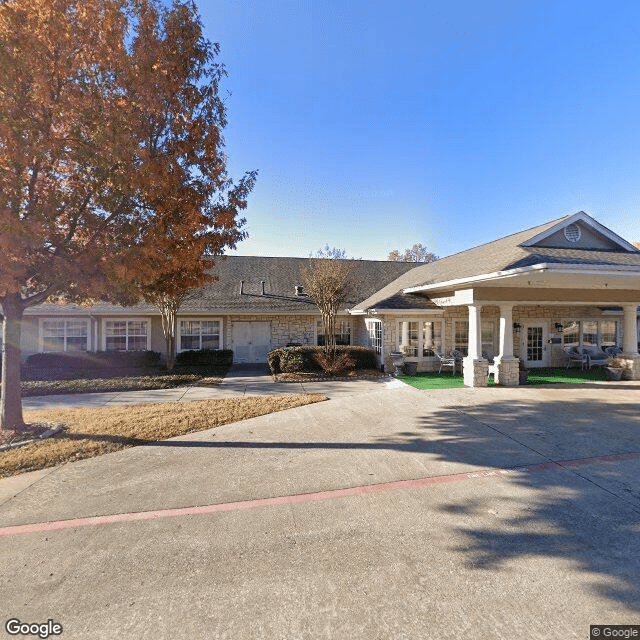
2000 W. Spring Creek Parkway, Plano, TX 75023
To contact a resident: (972) 312-9993
For more information about senior living options: (866) 208-4318
Creekside Alzheimer's Special Care Center DUP Costs & Pricing
At Creekside Alzheimer's Special Care Center DUP, the monthly cost for a semi-private room is $3,550, positioning it as a competitively priced option in both Collin County and the state of Texas. In comparison, similar facilities in Collin County average around $3,950 per month, while state-wide rates hover at approximately $3,680. This suggests that Creekside not only offers specialized care tailored for individuals with Alzheimer's but also presents a more economical choice within its immediate region. Families seeking quality memory care services will find value in the comprehensive support provided at Creekside, while benefiting from its lower pricing relative to nearby alternatives.
| Floor plans | Creekside Alzheimer's Special Care Center DUP | Collin County | Texas |
|---|---|---|---|
| Semi-Private | $3,550 | $3,950 | $3,680 |
Memory care communities with a similar price nearby
-
from +$450 / mo

A Caring Home with Friends
$4,000 to $4,250 / month11.0 miles away -
About the same
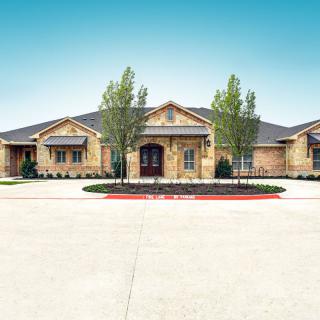
Avalon Memory Care - Allen
$3,466 to $6,475 / month6.9 miles away -
About the same
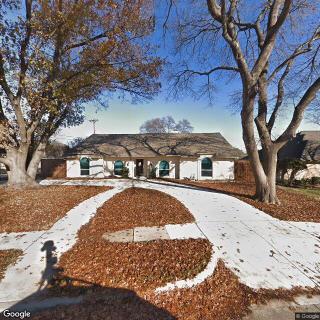
Locardia Homecare Living
$3,500 to $4,500 / month2.3 miles away -
About the same
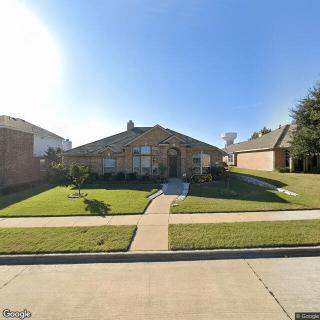
Nedges Nest
$3,500 to $4,000 / month6.3 miles away -
from -$550 / mo
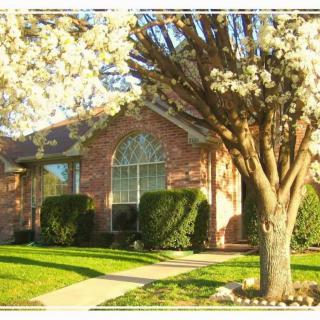
Sophyas Assisted Living
$3,000 to $4,200 / month23.0 miles away
Overall Review of Creekside Alzheimer's Special Care Center DUP
Pros
 Brookdale Creekside's team provides loving care to residents and their families.
- The staff treats residents like family, with consistent attention, patience, and kindness for all.
- The administrative team is hands-on, and the med techs and aides are attentive.
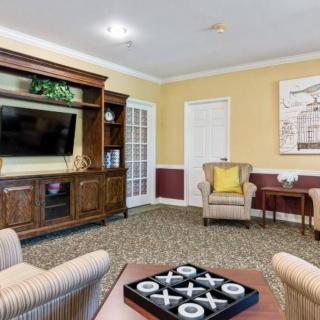
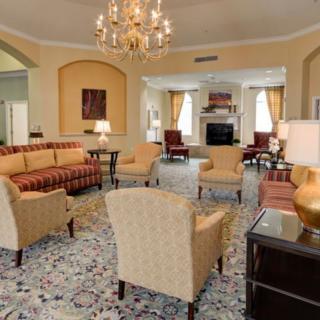
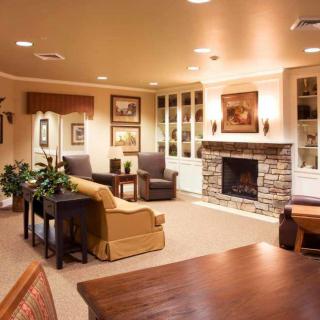
- The facility is clean, airy, and welcoming, with a bright atmosphere.
- Residents stay happy and well cared for, even those with advanced dementia.
- Brookdale Creekside is a beautiful, warm community where love is evident from the moment of arrival.
- Families are warmly welcomed and supported during celebrations and visits.
- The staff is polite, friendly, and ensures residents get exercise and what they need.
- The living spaces are spacious and the meals are delicious, with competitive rates.
- The staff's patience, flexibility, and compassion are outstanding, creating a positive experience for all.
- Nancy and the team show a deep understanding of dementia and provide excellent care under challenging circumstances.
- Support groups for families are helpful and reassuring.
Cons
 They were blunt and overly descriptive when informing the family about a death, and they had nothing good to say about the place.
- They would be hesitant to do business with Brookdale Creekside due to concerns about how the facility operates.
- They indicated that a $25 Visa rewards card for a tour never arrived and required multiple calls to resolve.
- They warned others not to bring their loved ones there.
Review
Creekside Alzheimer's Special Care Center in Plano is best suited for families seeking a deeply person-centered memory-care environment where residents are treated like family and care teams stay deeply involved. The community excels for individuals with Alzheimer's or other forms of dementia who benefit from a warm, home-like setting, consistent staff interactions, and a visible emphasis on everyday meaningful activities. It suits families that value a hands-on administrative presence, frequent family communication, and the ability to participate in events, like birthday celebrations, without barriers. The environment itself supports this approach: bright, clean spaces, a calming interior courtyard, skylights, and a courtyard garden that offer sensory stimulation and ease of navigation for residents.
Those who may want to consider alternatives are families prioritizing higher clinical intensity or more rigid medical oversight beyond traditional memory care. If a loved one requires very specific, highly medicalized protocols, or if a family needs minimal staff involvement and a more clinical atmosphere, Creekside’s strengths in warmth and engagement may not align with those expectations. Additionally, a few caregivers and families have experienced moments of blunt communication around difficult events; for some, this can dampen the otherwise strong sense of support, suggesting that a more consistently measured approach to sensitive updates might be preferable elsewhere. For budget-sensitive families, it’s worth verifying what current rates include and whether any anticipated costs could shift, even though several reviews call out competitive pricing.
The core pros, compassionate, patient, and attentive staff; a genuine sense of family and belonging; and proactive, hands-on leadership, more than offset most drawbacks. Families repeatedly highlight staff who treat residents as individuals, address needs with patience, and coordinate with families during moments of transition or celebration. The executive director and the Director of Resident Services are noted as particularly engaged, ensuring that daily routines, medical support, and activity planning remain cohesive and responsive. The tailored attention to each resident translates into practical benefits: residents who receive exercise, appropriate care for dementia-related needs, and opportunities to participate in meaningful, enjoyable programming.
The physical and environmental strengths reinforce the care model. Creekside’s clean, secure, and inviting campus, with ample natural light, a well-kept courtyard, and spacious rooms, helps reduce disorientation and supports safe ambulation. Family members consistently report feeling “at home” when visiting, and the ability to host events or integrate visits into the resident’s life reduces the emotional burden on caregivers. The dining and activity offerings, reliable meals, social programs, and accessible amenities, contribute to a sense of normalcy and daily purpose, which is precisely what many families are seeking for loved ones in the later stages of dementia.
From a decision-making standpoint, Creekside delivers credibility on the core decision criteria: staff reliability, resident-centered culture, safety, and engagement. The blend of compassionate care with practical oversight, plus a community that feels both welcoming and well-run, creates peace of mind for families navigating memory-care choices. Pros consistently align with the realities of long-term dementia care: secure environments, meaningful interaction, and a staff team that honors residents’ personalities and histories. The occasional negative note about communications should be weighed against the broad suite of testimonies praising transparency, responsiveness, and a genuine commitment to keeping families informed and involved.
In the end, Creekside is a strong fit for families who want a warm, engaged memory-care home where staff will go the extra mile to include families in celebrations, care planning, and daily routines. It is less ideal for those who require ultra-high clinical intensity or absolute uniformity in how difficult news is delivered, or for families seeking a facility with minimal family involvement. Prospective visitors should schedule a tour with a clear checklist: observe staff interactions with residents, assess how emergencies are handled, ask about staff-to-resident ratios during peak hours, and discuss end-of-life communication practices. If these align with the family’s expectations, Creekside stands out as a prudent, capable choice for a loved one needing compassionate, dedicated memory care in Plano.
 Memory Care
 Dallas Love (16 miles away)


 A Thorough Discussion of Medications Potentially Linked to Dementia Risk
 Why Do Dementia Patients Sleep So Much? Understanding Oversleeping, Stages, and Care Approaches
 8 Key Indicators That Suggest It May Be Time to Transition from Assisted Living to Skilled Nursing Care