Overall Review of Heartland Health Care Center Union
differentiator18 reviews mention this
Rehab therapy is a bright spot
Residents and families frequently describe therapy and rehab as what helped them get stronger.
Across many reviews, people point to therapy as a major reason they felt supported during rehab or recovery. Several mention physical or occupational therapy working with them in ways that helped them regain mobility, stand, or move again. Others say therapy pushed them appropriately while still staying within their limits, and that they felt their progress was clear enough to meet home or independence goals.
common5 reviews mention this
Dining gets repeated praise
Food quality is repeatedly mentioned as a positive part of the stay.
Dining comes up in a number of reviews, with people describing the food as good and the meals as something they enjoyed. Some mention being fed well or specifically calling out a favorite meal. A review about dietary meals also aligns with the facility offering special dietary options for residents who need them.
common14 reviews mention this
Staff warmth and communication stand out
Many reviewers describe consistently friendly staff and strong communication with families.
A recurring theme is how staff treat residents and how families feel kept in the loop. Reviews highlight friendly, welcoming employees and communication that made visits easier because updates were provided without residents or families having to chase answers. Multiple reviews also describe staff going out of their way to make people feel included and cared for, even when the experience is difficult.
caveat7 reviews mention this
Care quality described as inconsistent
Some residents and families report care that felt neglected during the stay.
While many reviews are positive, a smaller group report serious problems that affected daily care. These accounts mention issues such as delays with getting help, inadequate hygiene support, and situations where staff did not respond to calls. There are also reviews describing care decisions and discharge timing as unsafe or poorly planned, which led to extended setbacks.
caveat4 reviews mention this
Cleanliness concerns appear in reviews
Cleanliness is mentioned both positively and negatively in resident feedback.
Some reviewers say the facility is clean and well kept, and they describe a nice environment during their stay. Other reviews sharply contradict that, describing the building as unsanitary and reporting pests or unpleasant conditions. Taken together, cleanliness seems to be a mixed experience depending on the reviewer and timing.
How we summarize
Counts show how many written reviews mention each theme; a review can touch several themes, and only frequently mentioned themes are displayed.
Features
Housing
40 resident community capacity
Types of Care
Assisted Living
Memory Care
Respite Care
Skilled Nursing Facility
Amenities
Beauty salon
Cable or satellite TV
Dining room
Fully furnished
Garden
Housekeeping services
Kitchenette
Move-in coordination
Outdoor space
Restaurant-style dining
Small library
Telephone
Wi-Fi/high-speed internet available
Care Services
24-hour call system
24-hour supervision
Activities of daily living assistance
Assistance with bathing
Assistance with dressing
Assistance with transfers
Diabetes diet
Meal preparation and service
Medication management
Mental wellness program
Mild cognitive impairment
Special dietary restrictions
Specialized memory care programming
Dining
Diabetes diet
Special dietary restrictions
Activities
Community-sponsored activities
Resident-run activities
Scheduled daily activities
Nearby Places of Interest
Pharmacies
CVS Pharmacy (0 miles)
Union Family Pharmacy (0.1 miles)
Walmart Pharmacy (0.6 miles)
Palmetto Drugs (1.3 miles)
Walgreens (14.2 miles)
Ingles (19.4 miles)
Walmart Pharmacy (19.7 miles)
Restaurants
Wing Street (0.1 miles)
Little Caesars Pizza (0.1 miles)
Cooper's Grubhub (0.3 miles)
Subway (0.3 miles)
Burger King (0.7 miles)
Waffle House (0.7 miles)
KFC (0.7 miles)
Hospitals
Carolina's Health Associates (0.1 miles)
Wallace Thomson Hospital (0.7 miles)
Carolinas Health Associates (0.7 miles)
Places of Worship
Covenant Baptist Church (0.2 miles)
C4 Ministries (0.3 miles)
Westside Baptist Church (0.4 miles)
Corinth Baptist Church (0.8 miles)
Lifespring Church of Union (1 miles)
St Augustine Catholic Church (1 miles)
First Presbyterian Church (1 miles)
Parks
Union County Recreation & Park (0.6 miles)
Playground At Foster Park (1.6 miles)
Physicians
Center For Family Healthcare (0.6 miles)
Upstate Pediatrics (0.7 miles)
Gibbs Cancer Center (0.8 miles)
ENT And Audiology Associates (1.3 miles)
Dr Bishop (14 miles)
Roebuck Family Practice (21.7 miles)
Transportation
Norfolk Southern (1 miles)
Enterprise Rent-A-Car (1.5 miles)
Union County Airport-Troy Shelton Field (35A) (2.4 miles)
The comprehensive features offered at Heartland Health Care Center Union significantly enhance the quality of life for residents experiencing memory-related challenges. Assistance with dressing and bathing promotes independence while ensuring personal care, which can be crucial for maintaining dignity in individuals with dementia or Alzheimer's disease. Medication management is vital for adherence to treatment plans, reducing the risk of complications resulting from missed doses. Meal preparation and service are tailored to meet dietary needs, fostering proper nutrition that supports cognitive function. Activities of daily living assistance helps residents retain routine and familiarity, further aiding their sense of normalcy. With 24-hour supervision, residents benefit from a safe environment where caregivers can promptly address any needs or concerns. The mental wellness program and specialized memory care programming are designed to stimulate cognitive abilities and engage residents meaningfully, while also catering to those with mild cognitive impairment by offering both support and encouragement for continued mental engagement. Collectively, these features create a holistic approach that prioritizes the physical and emotional well-being of residents navigating the complexities of memory loss.
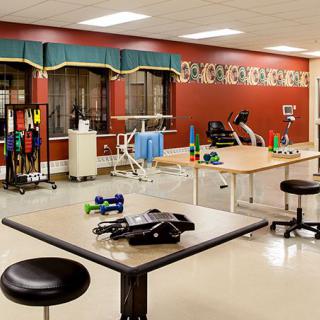
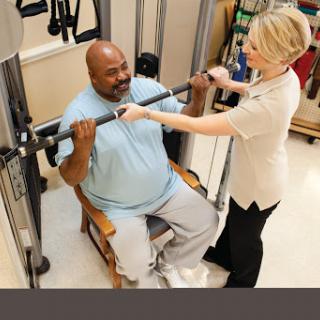
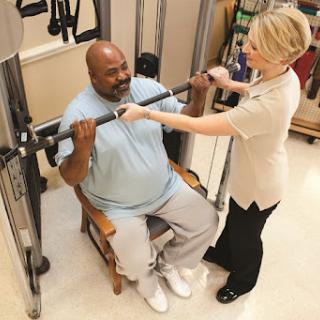
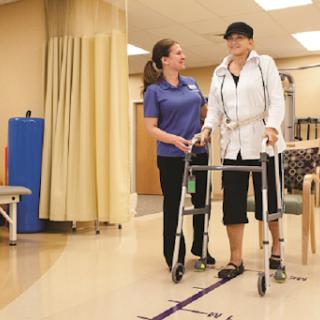
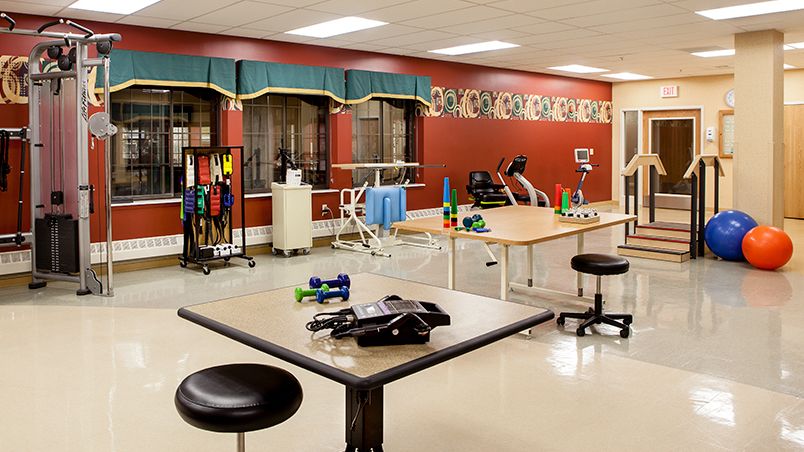
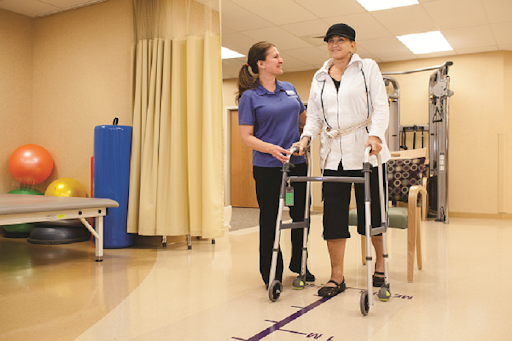
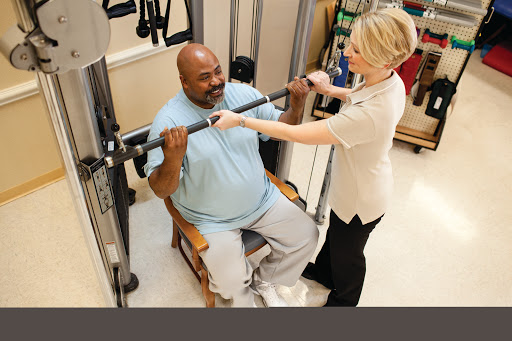
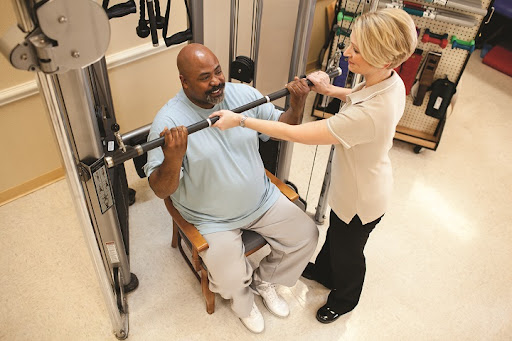
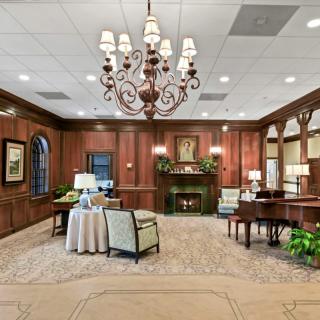
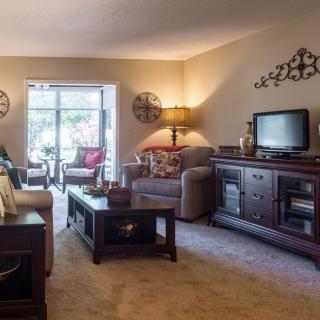
Heartland Health Care Center Union on seniors.fyi includes 6 photos including images showing healthcare, physical therapy, rehabilitation, fitness, exercise, gym, exercise equipment, and more.
Nearby Communities
Union Housing Authority
Union, SC
4.4 from 8 reviews
Extensive amenities with strong access to healthcare, worship, and dining nearby.
Whitney Place
Union, SC
3.3 from 3 reviews
$1,300 to $2,200 / month
Competitive pricing with comprehensive care and on-site amenities.
Ellen Sagar Nursing Center
Union, SC
2.9 from 27 reviews
Extensive on-site amenities and 24/7 supervision.
Shady Oak Boarding Home II
Pacolet, SC
$2,000 to $3,500 / month
24/7 personalized care with competitive semi-private pricing.
Rosewood Assisted Living
Pauline, SC
2.3 from 10 reviews
Specialized memory care with 24/7 supervision and engaging activities.
Mountainview Nursing Home
Spartanburg, SC
3.5 from 24 reviews
Extensive on-site amenities with 24/7 care.
Clinton Presbyterian Community
Clinton, SC
4.4 from 15 reviews
$1,769 to $3,735 / month
Strong activities, attentive staff, and a clean, welcoming community.
White Oaks Estates
Spartanburg, SC
3.8 from 64 reviews
Helpful staff, strong rehab services, and well-maintained, engaging campus.
Heritage Court Apartments
Spartanburg, SC
3.3 from 23 reviews
$4,440 / month
Diabetic care and devotional services with on-site activities for an engaged senior lifestyle.
VA nursing homes, or Community Living Centers (CLCs), offer tailored long-term care for veterans, featuring medical attention and rehabilitation in a supportive environment. The guide covers facility types, eligibility criteria, financial assistance options, quality of care standards, and alternatives to full-time nursing home placement.
At-home dementia care expenses vary widely based on care levels, location, and caregiver expertise, with monthly costs for home health aides exceeding $4,500 and specialized care potentially surpassing $100,000 annually. While families favor in-home care for its comfort and personalized attention, they must consider financial planning and the challenges of caregiver fatigue.
The article discusses the late stages of dementia, detailing the progression from mild to severe impairment and highlighting key characteristics such as profound cognitive decline and dependency in daily activities. It emphasizes care strategies focused on comfort and dignity, the importance of advance directives, and the emotional support needed for family caregivers facing this challenging journey.
Get PricingAsk A QuestionSchedule A TourContact Senior Advisor
By clicking submit, you agree to our Partner's Terms of Use. You
also consent to receive calls and texts, which may be autodialed, from our Partner. Your consent is not a condition to
using our Partner's service. Please visit our Partner's Privacy Policy for information about their privacy practices.


 40 resident community capacity
 Assisted Living
 Memory Care
 Respite Care
 Skilled Nursing Facility
 Beauty salon
 Cable or satellite TV
 Dining room
 Fully furnished
 Garden
 Housekeeping services
 Kitchenette
 Move-in coordination
 Outdoor space
 Restaurant-style dining
 Small library
 Telephone
 Wi-Fi/high-speed internet available
 24-hour call system
 Activities of daily living assistance
 Assistance with bathing
 Assistance with dressing
 Assistance with transfers
 Diabetes diet
 Medication management
 Mental wellness program
 Special dietary restrictions
 Extensive amenities with strong access to healthcare, worship, and dining nearby.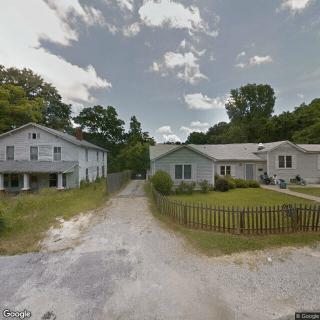


 Comprehensive Guide to VA Nursing Homes: A Crucial Long-Term Care Resource for Veterans
 Estimating the Expenses of At-Home Dementia Care: A Detailed Exploration
 Comprehensive Insights on the Late Stages of Dementia: What to Expect and How to Provide Care