
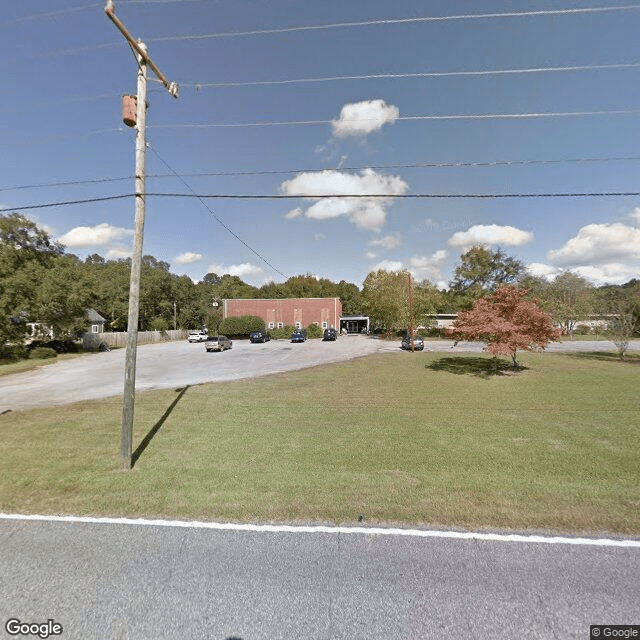
5221 Highway 215, Pauline, SC 29374
For more information about senior living options: (866) 208-4318
Overall Review of Rosewood Assisted Living
Cons
 The reviewer would not recommend the facility for a loved one.
- There was a strong odor of urine upon entering the facility.
- The aunt's nasal cannula was on the floor, and staff claimed the piece connecting the hoses was lost.
- A phone call was received 24 hours later stating she had died because she kept removing her oxygen.
- The facility left two residents stranded at a closed location and would not answer the phone.
- The staff were described as cussing at patients and not caring for them.
Review
Rosewood Assisted Living in Pauline, SC is not a broad fit for most families seeking dependable care. The community appears best suited for absolutely independent seniors who require minimal daily assistance and whose families can stay vigilant and intervene quickly if concerns arise. In practice, that narrow niche means Rosewood serves only those who can tolerate an environment where medical oversight is sporadic, staff responsiveness is questionable, and daily quality of care is not reliably demonstrated.
For families evaluating options, Rosewood should be considered only after all safer, more transparent alternatives have been explored. Those with loved ones who have chronic health needs, such as COPD, oxygen dependence, or conditions that demand constant monitoring, should look elsewhere. Families relying on consistent, respectful staffing, clean surroundings, and prompt attention to distress signals will want to pass on Rosewood and prioritize facilities with verifiable, positive care experiences and stronger safety nets.
What little positive nuance exists in the available feedback barely offsets the overwhelming concerns. The reviews do not present clear, credible advantages that would compensate for the primary drawbacks. When a facility is judged by residents and families primarily on elements like smell, supervision, and staff demeanor, any so-called advantages tend to fade. In Rosewood’s case, the absence of substantiated strengths makes the risks stand out: a care setting must earn trust through reliable, empathetic, and proactive care, not through the absence of egregious failures alone.
The most troubling, recurring issues center on supervision, medical safety, and respect. A loved one reportedly died after an oxygen-management lapse, with the family receiving a late notification and questions about why monitoring surpassed prescribed needs. Multiple accounts describe a facility where a nasal cannula was left on the floor, and where residents were inadequately checked or supported. There are also claims that staff did not answer calls from nearby facilities during emergencies and that patients were subjected to dismissive or abrasive treatment. Together, these episodes suggest a pattern rather than isolated incidents, pointing to systemic shortcomings in staffing, training, and accountability.
Two other persistent red flags reinforce the decision to steer families toward alternatives: inadequate maintenance of basic sanitary conditions and a troubling culture in interactions with residents. Smell and cleanliness concerns, coupled with reports of staff cursing at patients, paint a picture of an environment where dignity and comfort are not consistently safeguarded. When care hinges on the competence and tone of the on-site team, these concerns transform from mere complaints into meaningful risk factors, risk of hospitalizations, escalation of medical issues, and erosion of resident well-being. In short, the cons do not merely outweigh the pros; they cast doubt on the facility’s ability to provide the fundamental protections expected in assisted living.
For families weighing next steps, a disciplined, practical approach is essential. Schedule unannounced visits to observe staff interactions and response times; request to review current care plans and medication management procedures; verify staffing ratios during peak hours; and probe how oxygen-dependent residents are monitored and supported. Seek out independent feedback from current residents and families, and examine state inspection histories for safety and compliance records. In the absence of transparent, credible evidence of improvement, Rosewood should remain a last-resort option rather than a first-choice community.
The bottom line is decisive. Rosewood Assisted Living is a high-risk option for anyone with real medical needs or a wish for consistently compassionate, competent care. The strongest takeaway is to pursue other communities that demonstrate reliable oversight, clean environments, respectful staff conduct, and clear, timely communication with families. For those with no practical alternatives, proceed with rigorous, ongoing oversight and explicit expectations documented in a formal care plan. In all other cases, move toward facilities where safety, dignity, and dependable care are proven priorities.
 67 resident community capacity
 Assisted Living
 Memory Care
 Activities on-site
 Air-conditioning
 Beauty salon
 Cable or satellite TV
 Computer center
 Devotional services off-site
 Dining room
 Fitness room
 Fully furnished
 Gaming room
 Garden
 Housekeeping services
 Indoor common areas
 Kitchenette
 Move-in coordination
 Outdoor space
 Private bathrooms
 Restaurant-style dining
 Small library
 Telephone
 Wellness center
 Wi-Fi/high-speed internet available
 Greenville-Spartanburg (21 miles away)
 Community operated transportation
 12-16 hour nursing
 24-hour call system
 Ambulatory care
 Assistance with bathing
 Assistance with dressing
 Assistance with transfers
 Diabetes diet
 Diabetic care
 Medication management
 Mental wellness program
 Special dietary restrictions
 Concierge services
 Planned day trips
 Extensive on-site amenities with 24/7 care.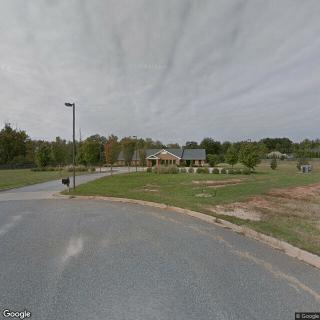



 Comprehending Evening Confusion in Dementia: Causes, Manifestations, and Support
 Delirium and Dementia: Unraveling the Key Differences
 Are Dementia and Alzheimer's Disease Lethal? A Comprehensive Exploration