White Oaks Estates in Spartanburg, SC

Save
White Oaks Estates White Oaks Estates

White Oaks Estates in Spartanburg, SC

400 Webber Road, Spartanburg, SC 29307

For more information about senior living options: (844) 490-3973

3.7 from 49 reviews
5 stars
29
4 stars
4
3 stars
1
2 stars
1
1 stars
14

Assisted Living Continuing Care Retirement Community (CCRC) Independent Living Memory Care Skilled Nursing Facility

Overall Review of White Oaks Estates

Pros

  • pro The staff is friendly and helpful, making stays as pleasant as possible.
  • pro Physical therapy is excellent in preparing residents to go home.
  • pro Deborah Boulware, Admissions Director, goes beyond her job description to accommodate questions or concerns.
  • pro Emma Bowers, Administrator, handles concerns promptly and efficiently with a sweet, friendly voice.
  • pro Kay Jacobs, Social Services Director, helps families navigate their journey with their loved ones.
  • pro Jerrica Smith, Therapy Director, supports residents during rehab.
  • pro Gwen Worthington, Assistant Director of Nursing, answers questions with a warm smile.
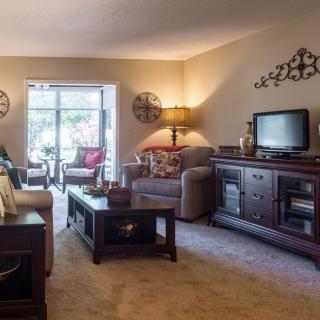
  • pro The facility is consistently clean and well-maintained, with a pleasant atmosphere.

Cons

  • pro One reviewer says White Oak Estates is "the most absolute terrible place on this earth" and urges others to stay away.
  • pro A critic describes the business office as rude, disorganized, and repeatedly interrupting and hanging up on calls.
  • pro Another reviewer calls the care "incompetence at its finest," alleging nurses and CNAs fail to assist residents or monitor medications.
  • pro A family member claims the facility tried to hold a patient hostage to squeeze insurance payments, describing it as entrapment and illegal.
  • pro There are reports of neglect and unsafe conditions, including a resident developing an infection due to delayed treatment and being discharged under insurance pressure.
  • pro A reviewer complains of dirty rooms and bathrooms (feces in the toilet) and residents living in unsanitary conditions.
  • pro Several reviews allege staff rude or discriminatory behavior, including accusations of racism toward patients and families.

Review

White Oaks Estates in Spartanburg is best suited for families pursuing post-acute rehabilitation with the aim of returning home, and for residents who want a warm, service-oriented environment that can transition into longer-term care if needed. The campus blends independent living, assisted living, and skilled nursing, allowing families to stage a care plan without relocating a loved one to another facility. Rehab teams consistently earn praise for helping residents regain function, while admissions and administrative staff are commonly cited as responsive and compassionate. The overall vibe leans toward a homey, approachable setting where personal attention and ongoing family involvement are valued.

Those who should consider alternatives are typically those with a heightened need for steady, high-touch nursing oversight or those who prize flawless administrative processes. A portion of reviews describe rude or fragmented office interactions, uneven bedside care, and slower responsiveness, raising concerns for families that cannot monitor day-to-day care closely. There are serious allegations among some posters about neglect and unsafe conditions, and a sense that certain shifts can be understaffed. For families living far away or relying on a predictable routine, these issues become decisive factors before committing to White Oaks.

On balance, the strongest positives center on therapy outcomes and the care team's everyday demeanor. Multiple families report that physical therapy, occupational therapy, and nursing staff contribute real progress toward discharge, and that admissions, social services, and therapy leadership go the extra mile to coordinate care and answer questions. The facility also earns praise for cleanliness, comfortable rooms, and practical safety features like routine checks. Dining and activities often receive favorable mentions, reinforcing a sense of wellbeing. These strengths matter most when rehab goals are clear and family members want to stay closely involved in the plan.

To navigate this community effectively, prospective residents should demand concrete, current details about staffing, care plans, and discharge protocols. Request meetings with the Director of Nursing and the therapy leadership, and ask for the latest staffing ratios by unit. Probe how medication management is handled, how quickly call bells are answered, and how concerns are escalated. Review the discharge process, especially when insurance changes or when moving from rehab to long-term care; ensure the facility can coordinate records and seamlessly transfer care. A tour should include a look at cleanliness, room upkeep, and how therapy spaces feel in practice, not just on paper.

Patterns across the reviews show that White Oaks Estates can deliver compassionate, competent rehab care when the care team is aligned and responsive. The most convincing praise comes from families who view staff as partners and witness consistent progress in mobility and daily function. Yet persistent cautions about understaffing, inconsistent bedside care, and administrative friction can color a resident's experience if not actively managed. The contrast between positive rehab experiences and negative anecdotes highlights the need for vigilant oversight, especially for families negotiating complex insurance and discharge timelines.

Bottom line: White Oaks Estates is a credible option for post-acute rehab with the potential to evolve into long-term care, provided that care leadership is accessible and a family remains engaged. It is less suitable for those requiring uniform, intensive nursing oversight or for families uneasy about reports of staffing gaps and communication lapses. Prospective buyers should plan a structured due diligence sequence: tour, meet key leaders, request current shift-by-shift staffing data, and arrange at least a two-week observation period around therapy and daily care routines. With disciplined oversight, White Oaks Estates can meet solid rehabilitation goals while preserving the dignity and comfort residents expect.

Features

Housing

  • 88 resident community capacity 88 resident community capacity

Types of Care

  • Assisted Living Assisted LivingAssisted living facilities provide crucial support and care for seniors who may need help with daily tasks such as medication management, bathing, and meal preparation. These communities offer a safe and comfortable environment where seniors can maintain their independence while receiving the assistance they need to thrive in their golden years.
  • Continuing Care Retirement Community (CCRC) Continuing Care Retirement Community (CCRC)Continuing Care Retirement Communities (CCRCs) are important for seniors because they provide a range of housing options and care services all in one location. This allows seniors to age in place and receive the level of care they need as their health changes, without having to move to a new facility. CCRCs provide a sense of security and peace of mind for seniors and their families, knowing that they will be taken care of no matter what the future holds.
  • Independent Living Independent LivingIndependent living communities are important for seniors because they offer a safe and supportive environment where older adults can live independently while still having access to amenities and services that enhance their quality of life. These communities provide social opportunities, recreational activities, and assistance with daily tasks, promoting overall well-being and allowing seniors to maintain their independence for as long as possible.
  • Memory Care Memory CareMemory care is crucial for seniors as it provides specialized support and services for individuals with dementia or Alzheimer's disease. These programs offer a safe and secure environment where residents receive personalized care, cognitive stimulation, and help with daily activities. Memory care helps seniors maintain their independence, quality of life, and dignity while also providing peace of mind for their families.
  • Skilled Nursing Facility Skilled Nursing FacilitySkilled Nursing Facilities are crucial for seniors as they provide round-the-clock medical care, rehabilitation services, and assistance with daily activities. These facilities ensure that seniors receive the specialized care they need to maintain their health and well-being as they age.

Amenities

  • Air-conditioning Air-conditioningAir conditioning is important for seniors as they are more vulnerable to heat-related illnesses and may have underlying health conditions that make it difficult for them to regulate their body temperature. It helps to keep them comfortable, safe, and healthy in hot weather.
  • Beauty salon Beauty salonBeauty salons are important for seniors because they provide a space for them to feel pampered, socialize, and maintain their personal grooming and hygiene. Regular visits to a beauty salon can help boost seniors' self-esteem and overall well-being.
  • Cable or satellite TV Cable or satellite TVCable or satellite TV is important for seniors because it provides entertainment, news, and companionship, helping to combat loneliness and boredom. It also offers a wide range of programming options tailored to different interests and preferences.
  • Computer center Computer centerA computer center is essential for seniors as it provides access to technology, communication tools, and resources that can enhance their daily lives. It allows them to stay connected with loved ones, engage in online activities, and learn new skills, ultimately promoting socialization and mental stimulation.
  • Fitness room Fitness roomHaving a fitness room in a senior living community is essential for seniors to stay active, maintain their physical health, and improve their overall well-being. Regular exercise can help prevent falls, reduce the risk of chronic diseases, and promote mental sharpness. It also provides social opportunities for residents to connect with others and enjoy a sense of community.
  • Fully furnished Fully furnishedFully furnished senior living communities are important for seniors because they provide convenience, comfort, and a hassle-free moving experience. Seniors can easily settle into their new living space without the stress of having to buy and move furniture. This allows them to focus on enjoying their new home and community.
  • Gaming room Gaming roomGaming rooms are important for seniors as they provide a fun and engaging environment for socializing, cognitive stimulation, and physical activity. Games can improve memory, problem-solving skills, and overall mental well-being while fostering friendships and reducing feelings of isolation.
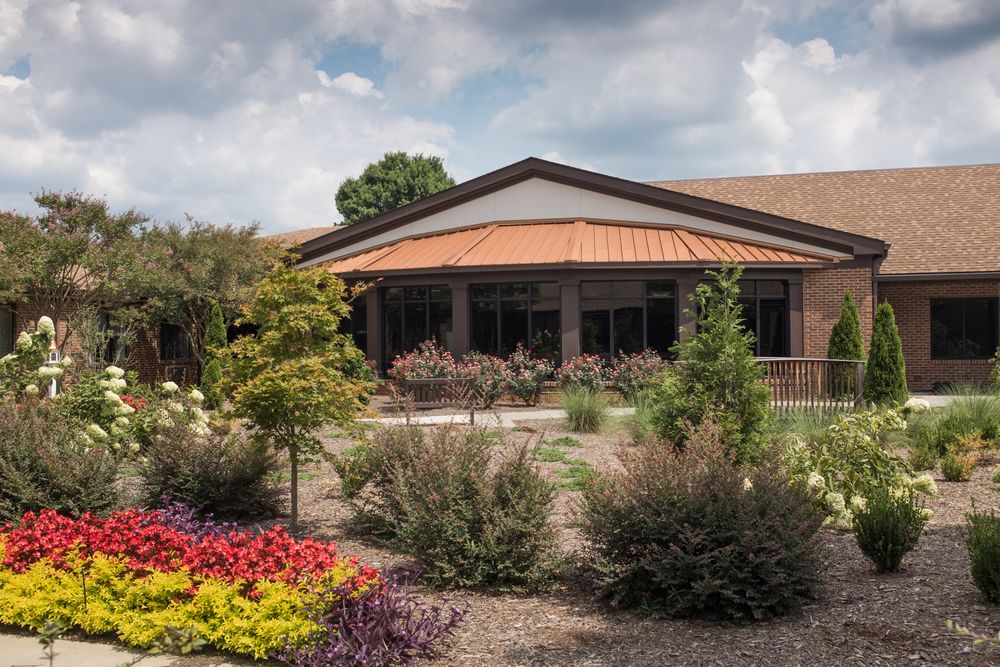
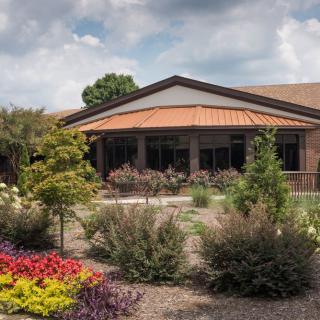
  • Garden GardenGardens are important for seniors as they provide a peaceful and therapeutic environment for relaxation, physical activity, and socialization. Being in nature has been shown to reduce stress, improve mood, and promote overall well-being. Gardens also offer opportunities for seniors to engage in gardening activities, which can improve mobility, flexibility, and cognitive function. Additionally, gardens create a sense of community and connection with others who share a passion for plants and outdoor spaces.
  • Housekeeping services Housekeeping servicesHousekeeping services are important for seniors because they help maintain a clean and safe living environment, promote independence, and reduce the risk of accidents or illnesses. Additionally, having assistance with household chores can alleviate physical strain and allow seniors to focus on other aspects of their well-being.
  • Kitchenette KitchenetteKitchenettes are important for seniors living in senior living communities because they provide the convenience and independence of being able to prepare simple meals and snacks in the comfort of their own living space. This can help promote a sense of autonomy and well-being for seniors, allowing them to maintain some level of control over their dietary choices and daily routines.
  • Move-in coordination Move-in coordinationMove-in coordination is important for seniors because it helps ease the transition into their new living environment. It ensures that all logistics, such as packing, organizing movers, and setting up utilities are taken care of, allowing seniors to focus on settling in and adjusting to their new home. Having a smooth move-in process can alleviate stress and anxiety, making the transition smoother and more enjoyable for seniors.
  • Outdoor space Outdoor spaceOutdoor spaces are important for seniors as they provide opportunities for physical activity, social interaction, exposure to natural light and fresh air, and a sense of connection to nature. Having access to outdoor spaces can improve overall well-being and quality of life for older adults living in senior communities.
  • Private bathrooms Private bathroomsPrivate bathrooms are important for seniors in senior living communities because they provide independence, dignity, and comfort. Having a private bathroom allows seniors to maintain their personal hygiene routines without the need for assistance, promoting a sense of autonomy and privacy. Additionally, private bathrooms help prevent the spread of infections and provide a safe and clean environment for seniors to navigate safely.
  • Restaurant-style dining Restaurant-style diningRestaurant-style dining is important for seniors because it allows them to enjoy delicious, nutritious meals in a social and upscale setting. This enhances their dining experience, promotes healthy eating habits, and fosters socialization with fellow residents, ultimately contributing to their overall well-being and quality of life.
  • Small library Small librarySmall libraries are important for seniors as they provide access to a variety of reading materials, including books, newspapers, and magazines. This can help stimulate their minds, keep them engaged, and provide a sense of community through book clubs and other social activities. Additionally, reading has been shown to improve cognitive function and overall mental well-being in older adults.
  • Telephone TelephoneTelephones are important for seniors as they provide a lifeline for communication with loved ones, emergency services, and healthcare providers. They offer a sense of security and independence, enabling seniors to stay connected and access assistance when needed.
  • Wellness center Wellness centerWellness centers are important for seniors because they offer a variety of programs and services that promote physical, mental, and emotional well-being. These centers provide opportunities for exercise, socialization, education, and relaxation, helping seniors maintain their overall health and quality of life.
  • Wi-Fi/high-speed internet available Wi-Fi/high-speed internet availableWi-Fi/high-speed internet is important for seniors to stay connected with loved ones, access online resources, and participate in virtual activities to combat feelings of loneliness and isolation. It also allows them to easily manage healthcare needs, access entertainment, and engage in lifelong learning opportunities.

Transportation

  • Greenville-Spartanburg (20 miles away) Greenville-Spartanburg (20 miles away)
  • Community operated transportation Community operated transportationCommunity operated transportation is crucial for seniors as it provides them with the means to access essential services, social activities, and medical appointments. It allows seniors to maintain their independence and quality of life by ensuring they can participate in activities outside of their homes. Additionally, community-operated transportation services offer a safe and reliable way for seniors to travel without having to rely on family or friends for assistance.
  • Transportation arrangement Transportation arrangementTransportation arrangements are crucial for seniors as they may face challenges with driving, mobility, or access to public transportation. Having reliable transportation services ensures that seniors can easily attend appointments, social activities, and maintain their independence and quality of life.
  • Transportation arrangement (non-medical) Transportation arrangement (non-medical)Transportation arrangements are essential for seniors as they provide access to essential services, activities, and social interactions outside the home. This service helps maintain independence, mobility, and overall well-being for seniors who may have limited transportation options.

Care Services

  • 24-hour call system 24-hour call system24-hour call systems are important for seniors because they provide peace of mind and immediate assistance in case of emergencies. This technology ensures that help is always available, promoting safety and security for elderly individuals living alone or in assisted living facilities.
  • 24-hour supervision 24-hour supervision24-hour supervision is important for seniors to ensure their safety, well-being, and access to immediate assistance in case of emergencies or health issues. This constant support provides peace of mind for both seniors and their loved ones, allowing them to age in place with dignity and security.
  • Activities of daily living assistance Activities of daily living assistanceActivities of daily living assistance are important for seniors because they provide essential support with tasks such as eating, bathing, dressing, and mobility. This assistance helps seniors maintain their independence, dignity, and overall quality of life as they age.
  • Assistance with bathing Assistance with bathingAssistance with bathing is crucial for seniors as it helps maintain personal hygiene, prevents infections, and ensures their overall well-being and comfort. It also provides a sense of dignity and independence for seniors who may struggle with this task on their own.
  • Assistance with dressing Assistance with dressingAssistance with dressing is important for seniors because it helps maintain their independence, promotes personal hygiene, prevents accidents and injuries, and improves overall quality of life. This service ensures that seniors can continue to dress comfortably and confidently, despite any physical limitations they may have.
  • Assistance with transfers Assistance with transfersAssistance with transfers is crucial for seniors as it helps prevent falls and injuries, maintains their independence, and ensures they can safely navigate their living environment. It also provides peace of mind for both seniors and their loved ones.
  • Diabetes diet Diabetes dietA diabetes diet is crucial for seniors as it helps manage blood sugar levels, reduce risks of complications, and improve overall health and well-being. By following a balanced and nutritious diet tailored to their specific needs, seniors can better control their diabetes and enhance their quality of life.
  • Meal preparation and service Meal preparation and serviceMeal preparation and service are crucial for seniors as they may have limited mobility or energy to cook nutritious meals. Having access to healthy and convenient food options can ensure they are getting the proper nutrition needed to maintain their overall health and well-being.
  • Medication management Medication managementMedication management is crucial for seniors to ensure they are taking the right medications at the correct dosages and times. This helps prevent adverse drug interactions, reduces the risk of medication errors, and promotes overall health and well-being. Proactive management also allows for adjustments as needed based on changing health conditions or new prescriptions.
  • Special dietary restrictions Special dietary restrictionsSpecial dietary restrictions are important for seniors because age-related changes in metabolism and health conditions can make it difficult for their bodies to process certain foods. By following a diet tailored to their specific needs, seniors can maintain their overall health and well-being, manage chronic conditions, and reduce the risk of complications such as malnutrition or food interactions with medications.

Dining

  • Diabetes diet Diabetes dietA diabetes diet is crucial for seniors as it helps manage blood sugar levels, reduce risks of complications, and improve overall health and well-being. By following a balanced and nutritious diet tailored to their specific needs, seniors can better control their diabetes and enhance their quality of life.
  • Special dietary restrictions Special dietary restrictionsSpecial dietary restrictions are important for seniors because age-related changes in metabolism and health conditions can make it difficult for their bodies to process certain foods. By following a diet tailored to their specific needs, seniors can maintain their overall health and well-being, manage chronic conditions, and reduce the risk of complications such as malnutrition or food interactions with medications.

Activities

  • Community-sponsored activities Community-sponsored activitiesCommunity-sponsored activities are important for seniors as they provide opportunities for social interaction, mental stimulation, and physical activity. These activities can help improve overall well-being, combat loneliness and isolation, and promote a sense of belonging and purpose among older adults.
  • Concierge services Concierge servicesConcierge services are essential for seniors as they provide assistance with daily tasks and errands, enhance their quality of life by offering convenience and personalized care, and promote a sense of safety and security.
  • Fitness programs Fitness programsFitness programs are crucial for seniors as they help improve strength, flexibility, balance, and overall well-being. Staying active can reduce the risk of chronic diseases, improve mental health, and enhance quality of life in older adults.
  • Planned day trips Planned day tripsPlanned day trips are important for seniors because they offer opportunities for socialization, mental stimulation, and physical activity. They provide a change of scenery and help seniors stay engaged and connected to their community, promoting overall well-being and quality of life.
  • Resident-run activities Resident-run activitiesResident-run activities are important for seniors as they encourage social interaction, creativity, and a sense of autonomy. These activities empower seniors to stay engaged and active in their community while fostering meaningful connections with their peers.
  • Scheduled daily activities Scheduled daily activitiesScheduled daily activities are important for seniors because they provide structure, socialization, mental stimulation, and physical activity. Engaging in regular activities can improve overall well-being and quality of life for seniors living in a community setting.

Description

White Oaks Estates in Spartanburg, SC is a vibrant assisted living community that offers a range of care services and amenities to ensure the comfort and well-being of its residents. With options such as Continuing Care Retirement Community (CCRC), Independent Living, Memory Care, and Skilled Nursing Facility, individuals can find the level of care that meets their unique needs.

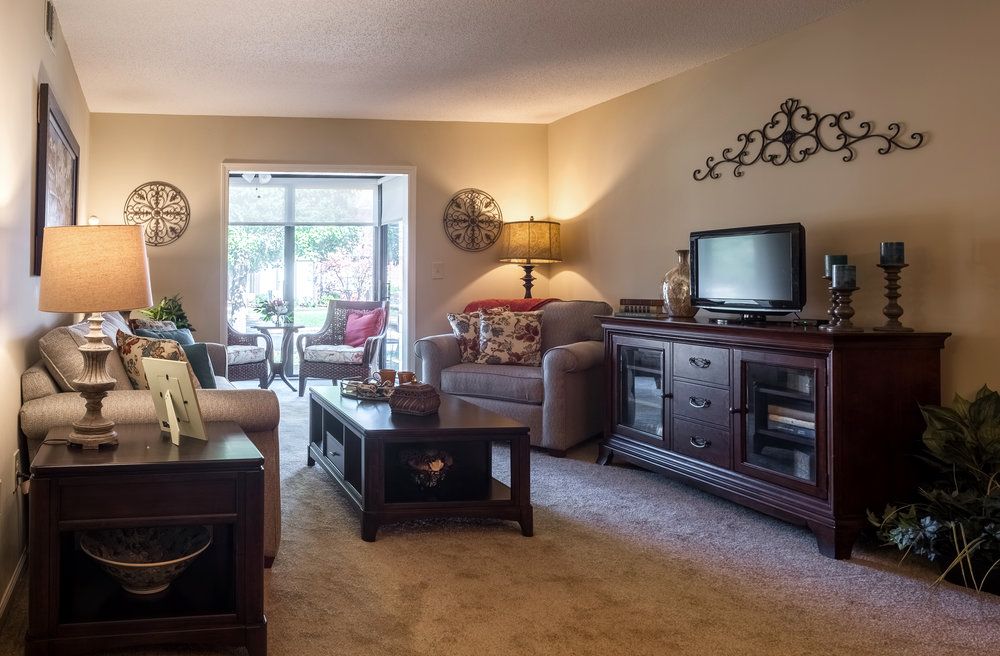
The community boasts a variety of amenities designed to enhance the daily lives of residents. A beauty salon is available on-site for all their grooming needs. Residents can enjoy their favorite TV shows with cable or satellite TV in their own apartments. Community-operated transportation makes it convenient for residents to run errands or attend scheduled appointments. A computer center allows residents to stay connected with loved ones or pursue personal interests online. For those looking to stay fit, a fitness room is available for workouts. The fully furnished apartments provide a comfortable living space, and housekeeping services help maintain cleanliness.

White Oaks Estates ensures that residents have ample opportunities for entertainment and socializing through various on-site facilities. A gaming room allows residents to engage in friendly competition with their neighbors. The garden provides a serene outdoor space where residents can relax and enjoy nature. A small library offers a quiet place for reading and relaxation. The restaurant-style dining experience allows residents to savor delicious meals prepared by skilled chefs.

Care services at White Oaks Estates are comprehensive and personalized to support the individual needs of each resident. With 24-hour supervision, residents can have peace of mind knowing that assistance is always available when needed. Trained staff members are there to assist with activities of daily living, such as bathing and dressing, as well as transferring if required. Medication management ensures that medications are taken correctly and on time. Special dietary restrictions related to diabetes or other health conditions are taken into consideration during meal preparation.

Residents also have access to various activities designed to promote engagement and enjoyment within the community. Concierge services cater to personal requests and needs. Fitness programs encourage residents to stay active and maintain a healthy lifestyle. Planned day trips provide opportunities for exploration and new experiences. Resident-run activities allow individuals to take charge and organize events that interest them. Additionally, there are scheduled daily activities that offer a variety of options for residents to participate in.

The community's prime location offers convenience in terms of nearby amenities. With cafes, parks, pharmacies, physicians, restaurants, places of worship, and hospitals all in close proximity, residents have easy access to essential services and recreational opportunities.

White Oaks Estates is a welcoming assisted living community that provides comprehensive care services, an array of amenities, and numerous activities to support the physical, emotional, and social well-being of its residents.

Nearby Places of Interest

Restaurants

  • Hibachi Buffet & Grill (0.4 miles)
  • Wendy's (0.5 miles)
  • McDonald's (0.5 miles)
  • Chick-Fil-A (1 miles)
  • Taco Bell (1.3 miles)
  • Bruster's Real Ice Cream (1.4 miles)
  • Monterrey Mexican Restaurant (1.5 miles)

Pharmacies

  • Walmart Pharmacy (0.4 miles)
  • Walgreens (1.5 miles)
  • CVS Pharmacy (1.6 miles)
  • Shertech Compounding Pharmacy (1.6 miles)
  • Ingles (2.8 miles)
  • Ingles Market (3.1 miles)
  • Ford's Drugs & Medical (3.2 miles)

Cafes

  • Panera Bread (1.1 miles)
  • Starbucks (1.7 miles)
  • John's Cafe & Catering (2.9 miles)
  • Starbucks (3.5 miles)
  • Starbucks (3.6 miles)
  • Spill the Beans (3.7 miles)

Parks

  • Hillcrest Park (1.3 miles)

Physicians

  • Saad Upstate Neurology (1.4 miles)
  • Cardiology Consultants PA (1.4 miles)
  • Spartanburg Neurological Center (1.4 miles)
  • Carolina Family Physicians (1.4 miles)
  • Greenville Hospital System University Medical Center (1.4 miles)
  • Piedmont Internal Medicine - East (1.4 miles)
  • Allergy Partners of the Foothills (1.4 miles)

Hospitals

  • Mary Black Hospital North Wing Entrance (1.4 miles)
  • Mary Black Memorial Hospital (1.5 miles)
  • Mary Black Health System Emergency Room/Department (1.5 miles)
  • Medical Group of the Carolinas - Woman's Clinic (2.2 miles)
  • Spartanburg Surgery Center (3.7 miles)
  • Spartanburg Regional Medical Center (4 miles)
  • Spartanburg Regional Wound Center (4 miles)

Places of Worship

  • Westminster Presbyterian Church (1.7 miles)
  • First Presbyterian Church (3.3 miles)

Frequently Asked Questions

Where is White Oaks Estates?
Does White Oaks Estates provide care for residents with dementia or Alzheimer's disease?

Nearby Communities

  • Eden Terrace Of Spartanburg

    Eden Terrace Of Spartanburg

    Spartanburg, SC

    4.7 from 101 reviews
     

    pro Compassionate staff and a clean, social environment with elegant dining.

  • Woodbridge of Spartanburg

    Woodbridge of Spartanburg

    Spartanburg, SC

    3.9 from 72 reviews
    $1,850 to $2,150 / month

    pro Responsive staff, regular meals, and engaging activities.

  • Woodbridge Spartanburg

    Woodbridge Spartanburg

    Spartanburg, SC

    4 from 71 reviews
     

    pro Extensive amenities and services (dining, wellness, activities, transportation).

  • Pacifica Senior Living Skylyn

    Pacifica Senior Living Skylyn

    Spartanburg, SC

    3.5 from 229 reviews
    $2,295 to $3,295 / month

    pro Friendly staff, clean facilities, good dining, smooth move-in, and engaging activities.

  • Summit Hills

    Summit Hills

    Spartanburg, SC

    4.8 from 201 reviews
    $4,100 to $4,330 / month

    pro Friendly staff, strong sense of community, and well-maintained accommodations.

  • TerraBella Spartanburg

    TerraBella Spartanburg

    Spartanburg, SC

    4.5 from 88 reviews
    $2,175 to $3,775 / month

    pro Friendly, attentive staff with engaging activities and good value.

  • Magnolia Manor of Spartanburg

    Magnolia Manor of Spartanburg

    Spartanburg, SC

    3 from 61 reviews
     

    pro Effective therapy programs and attentive staff.

  • Heritage Court Apartments

    Heritage Court Apartments

    Spartanburg, SC

    3.5 from 20 reviews
    $4,440 / month

    pro Diabetic care and devotional services with on-site activities for an engaged senior lifestyle.

  • Woodland Place Senior Living

    Woodland Place Senior Living

    Spartanburg, SC

    3.7 from 63 reviews
    $2,195 to $3,895 / month

    pro Friendly, attentive staff; engaging activities; spacious rooms with private baths.

Related Resources

  • when should someone with dementia go into a care home8 Important Indicators That Memory Care May Be Necessary

    The article highlights eight indicators that a loved one with dementia may require specialized memory care, emphasizing the emotional and logistical challenges families encounter in this decision. It discusses signs such as difficulties with daily tasks, safety concerns, and caregiver burnout, suggesting that memory care facilities can provide the necessary support and structured environments for those experiencing cognitive decline.

  • what do dementia patients think aboutDelving into the Inner World of Dementia: Insights into Thoughts and Awareness

    Dementia, primarily caused by Alzheimer's disease but also linked to other conditions, leads to cognitive decline impacting memory and daily functioning, with individuals experiencing varied awareness of their impairments. Despite memory loss, emotional connections persist, enabling responses to familiar stimuli, highlighting the need for caregivers to provide compassionate support that recognizes both limitations and retained emotional depth.

  • does my mom have dementia quizFive Subtle Dementia Indicators to Observe: An In-Depth Guide to Understanding “Does My Mom Have Dementia?”
    The article presents five subtle indicators of dementia, such as memory lapses and mood swings, to help families assess cognitive decline in loved ones. It emphasizes early detection, open communication, and seeking professional help while providing practical support steps.