
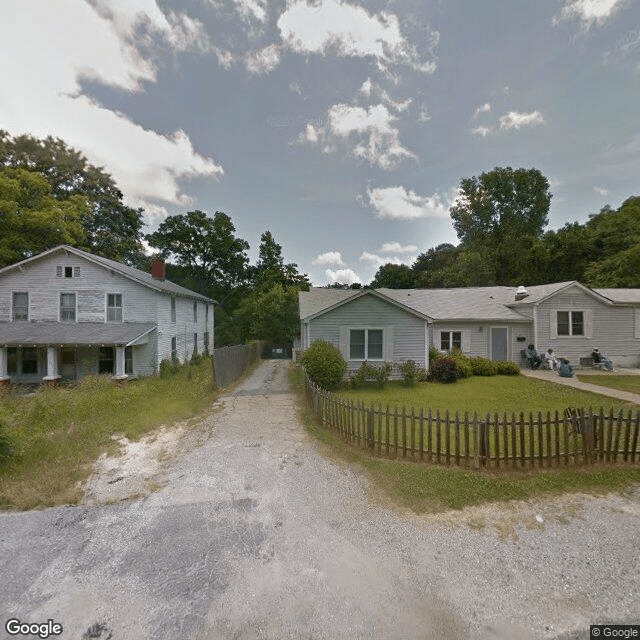
107 Cornwell Street, Union, SC 29379
For more information about senior living options: (866) 208-4318
Whitney Place Costs & Pricing
Whitney Place offers competitive pricing for its residents, particularly when compared to both Union County and the broader South Carolina market. For a semi-private room, Whitney Place charges $1,300 per month, which is significantly lower than the county average of $1,650 and the state average of $3,243. Similarly, their studio apartments are priced at $2,200 per month, matching the cost in Union County but still presenting considerable savings against South Carolina's average rate of $3,649. This makes Whitney Place an attractive option for those seeking quality accommodations without the financial burden often associated with assisted living facilities in the region.
| Floor plans | Whitney Place | Union County | South Carolina |
|---|---|---|---|
| Semi-Private | $1,300 | $1,650 | $3,243 |
| Studio | $2,200 | $2,200 | $3,649 |
Assisted Living communities with a similar price nearby
-
from +$100 / mo
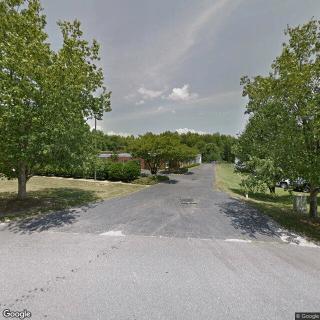
Woodbridge
$1,400 to $1,800 / month24.2 miles away
Overall Review of Whitney Place
Cons
 The staff here are rude and don’t care about the residents.
- Tammy is verbally abusive and physically abusive.
- There are no activities.
- The reviewer would give Whitney Place a 0.
- The reviewer will not return to the facility.
- People should run in the opposite direction.
Review
Whitney Place in Union, SC is best suited for families that want a small, straightforward assisted living option and are prepared to do significant hands-on evaluation before choosing. It may appeal to those who accept a more modest program and are willing to ride out questions about staffing quality and daily activities. This is not a community that promises a polished, high-touch experience from day one; the reviews point to a need for careful vetting, especially around who is delivering care and how residents are kept mentally and socially engaged.
Those who place a premium on consistently respectful staff interactions, clearly documented routines, and a robust activities calendar should seriously consider alternatives. The most alarming report describes rude and abusive behavior by staff, including a named employee, with an accompanying claim that activities are virtually non-existent. When care and engagement are the core expectations, such allegations cannot be dismissed; they signal potential risks to safety, dignity, and quality of life that many families simply won’t accept. Even families attracted by affordability or a quieter setting must weigh whether oversight and escalation mechanisms are sufficient to prevent repetition of serious issues.
The mixed star ratings hint at some redeeming elements, but they don’t erase the gravity of the negative testimony. A 5-star and a 4-star review imply there are residents who found value or satisfaction in aspects of the community, perhaps related to basic housing, location, or some degree of staff attentiveness in certain situations. Yet those positives are not elaborated enough to form a reliable counterweight to the concerns raised. In practical terms, this means a prospective resident can’t rely on unanimity of experience; the risk profile appears uneven, and a decision should hinge on direct, current observations during tours.
The core tension is clear: any perceived upside, whether it’s affordability, a calmer environment, or simpler routines, collides with significant deficits in staffing behavior and resident engagement. If staff treatment is inconsistent or hostile, safety and wellbeing suffer; if activities are sparse or absent, daily life can quickly feel isolating and stagnating. The external advantages do not meaningfully offset these fundamental drawbacks. Families must assess whether there is a credible plan to address these gaps, or if a different community would deliver more reliable daily life and a more proactive care atmosphere.
To evaluate Whitney Place effectively, approach visits as practical tests rather than mere walkthroughs. Request a current, detailed activities calendar and speak with the activities director about what programming will look like for the specific needs of the resident. Observe interactions between staff and residents in real time, noting tone, responsiveness, and how concerns are handled. Meet several staff members across shifts, and, if possible, speak with multiple residents about their day-to-day experiences. Ask for recent incident reports, turnover rates, and proof of staff training and supervision. Review the facility’s policies on safeguarding residents, complaint resolution, and escalation when concerns arise. Finally, compare what is promised on paper with what is actually experienced in person.
In the end, Whitney Place should be approached with caution. It is not a strong fit for families whose top priorities are dependable staff, dignity-preserving care, and a lively, structured program. For those who can tolerate uncertainty and are prepared to demand accountability through careful oversight, a trial period with clear, measurable expectations might be considered. More often, however, families will find that alternatives offering consistent staff quality and a robust activity slate better align with long-term peace of mind and daily quality of life. The decision should hinge on whether a clear plan emerges during visits to address the serious concerns raised and whether a demonstrable commitment to resident-centered care is promptly and transparently proven.
 24 resident community capacity
 Assisted Living
 Activities on-site
 Beauty salon
 Cable or satellite TV
 Devotional services off-site
 Dining room
 Fully furnished
 Garden
 Housekeeping services
 Indoor common areas
 Kitchenette
 Move-in coordination
 Outdoor space
 Restaurant-style dining
 Small library
 Telephone
 Wi-Fi/high-speed internet available
 24-hour call system
 Ambulatory care
 Assistance with bathing
 Assistance with dressing
 Assistance with transfers
 Diabetes diet
 Diabetic care
 Incontinence care
 Medication management
 Mental wellness program
 Special dietary restrictions
 Extensive amenities with strong access to healthcare, worship, and dining nearby.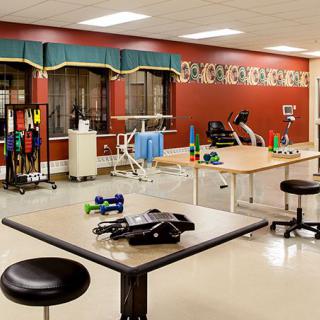






 Is Assisted Living Deductible on Your Taxes? Understanding the Complexities of Assisted Living Expenses and Deductions
 Assisted Living Support for Veterans: A Complete and Detailed Overview
 Exploring the Contrasts Between Assisted Living and Skilled Nursing