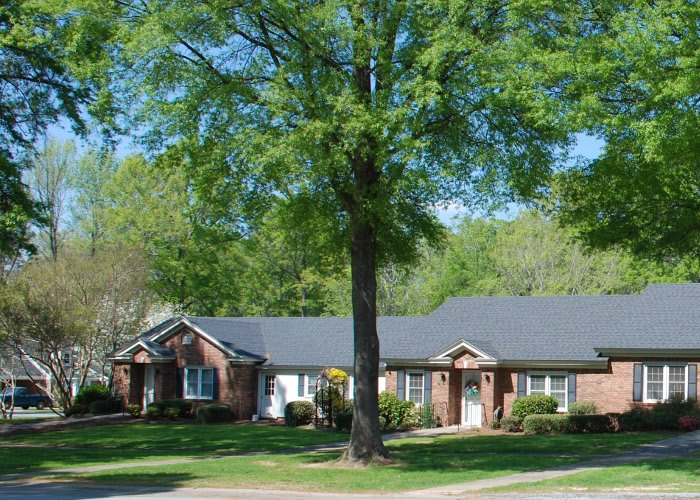
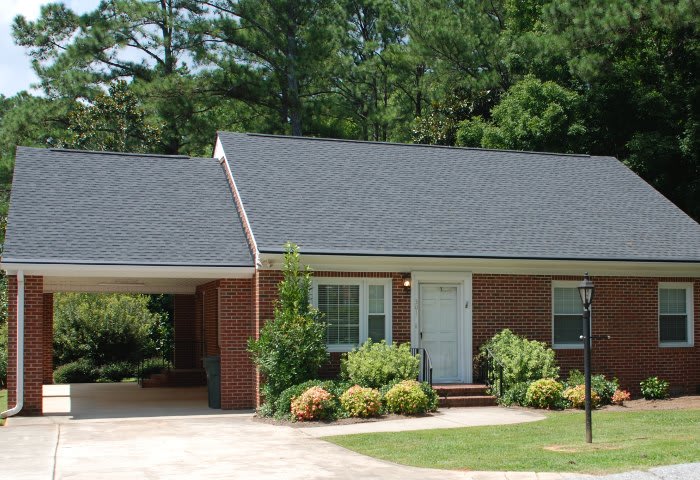
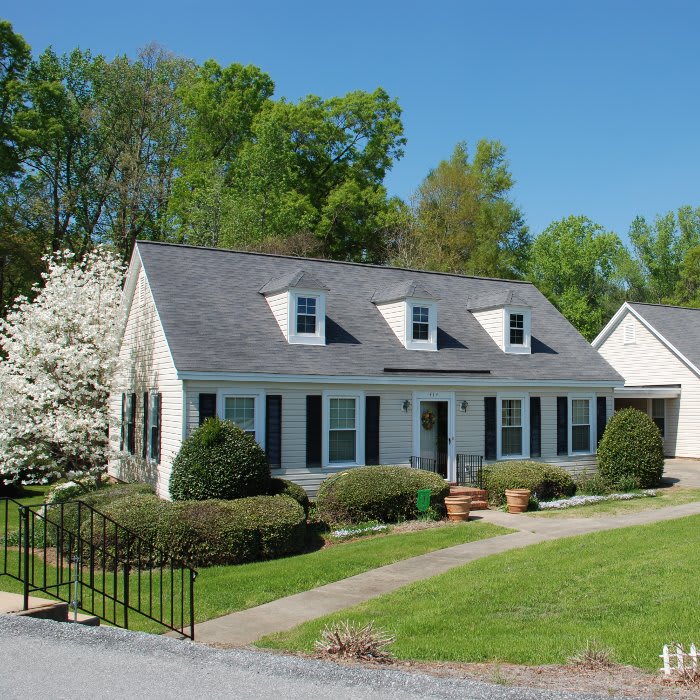
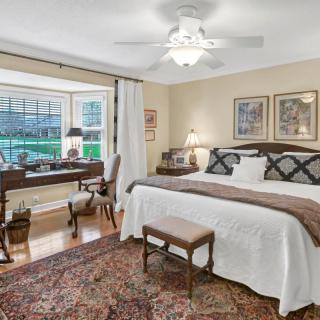
801 Musgrove Street, Clinton, SC 29325
For more information about senior living options: (866) 208-4318
Clinton Presbyterian Community Costs & Pricing
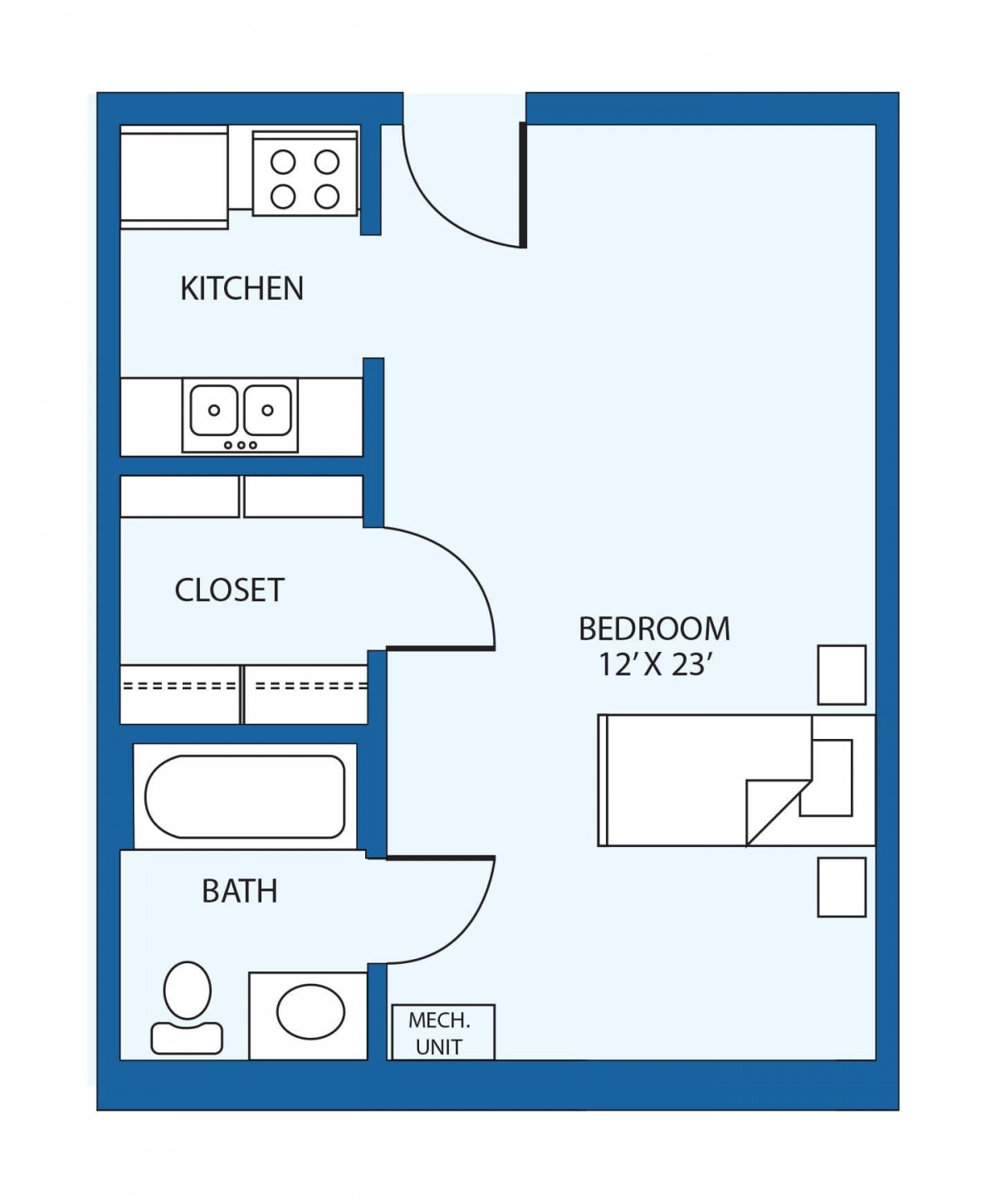
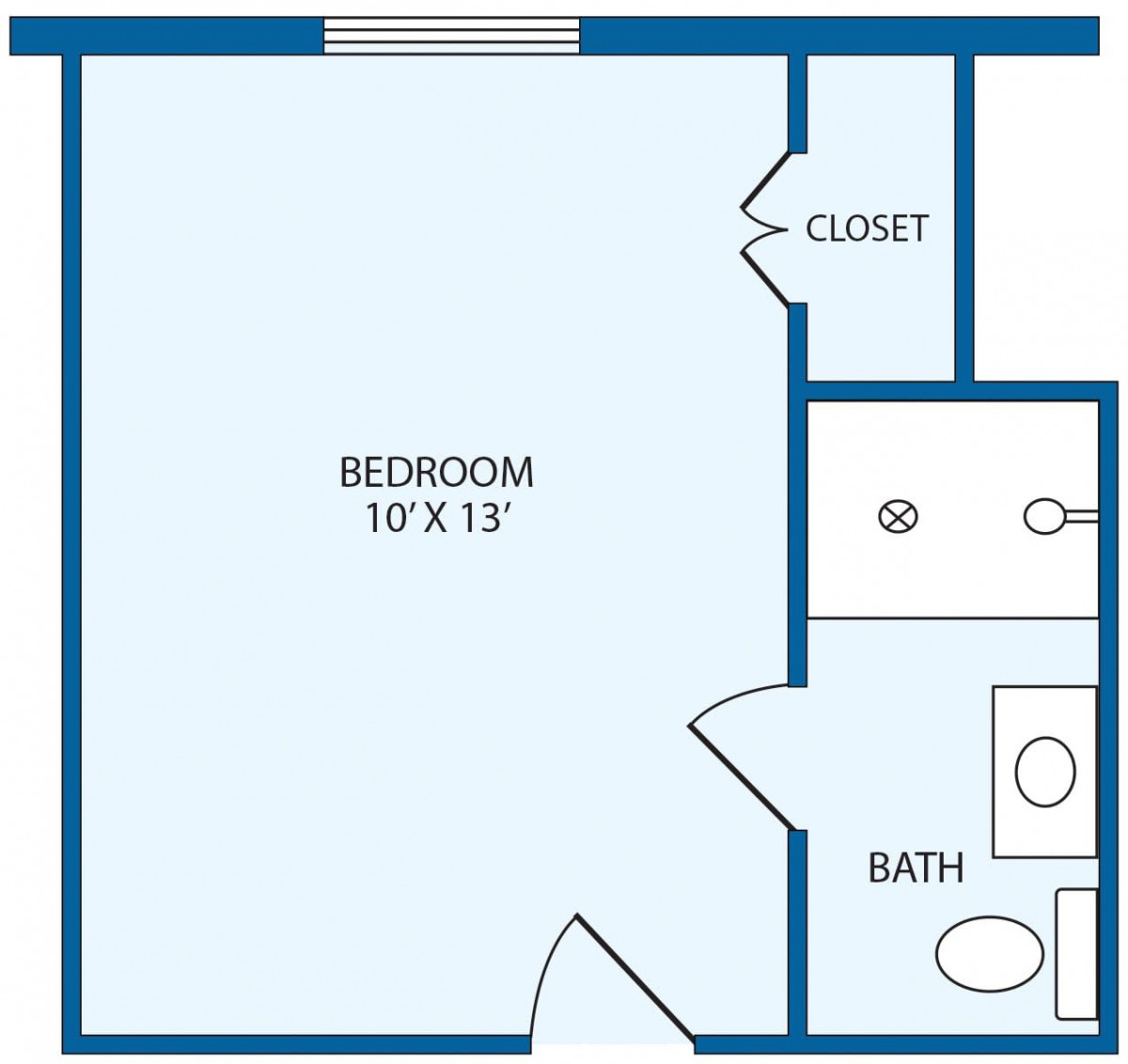
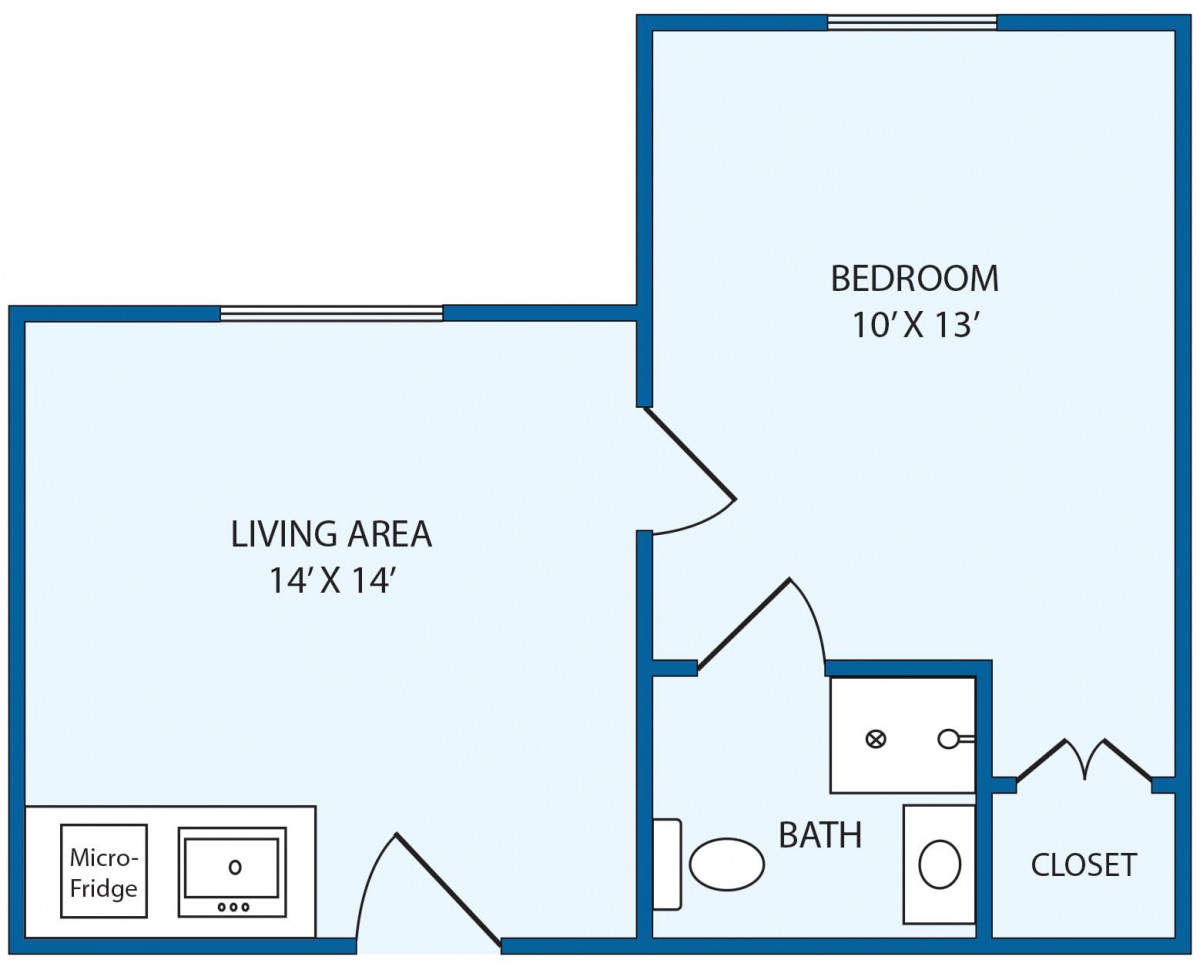
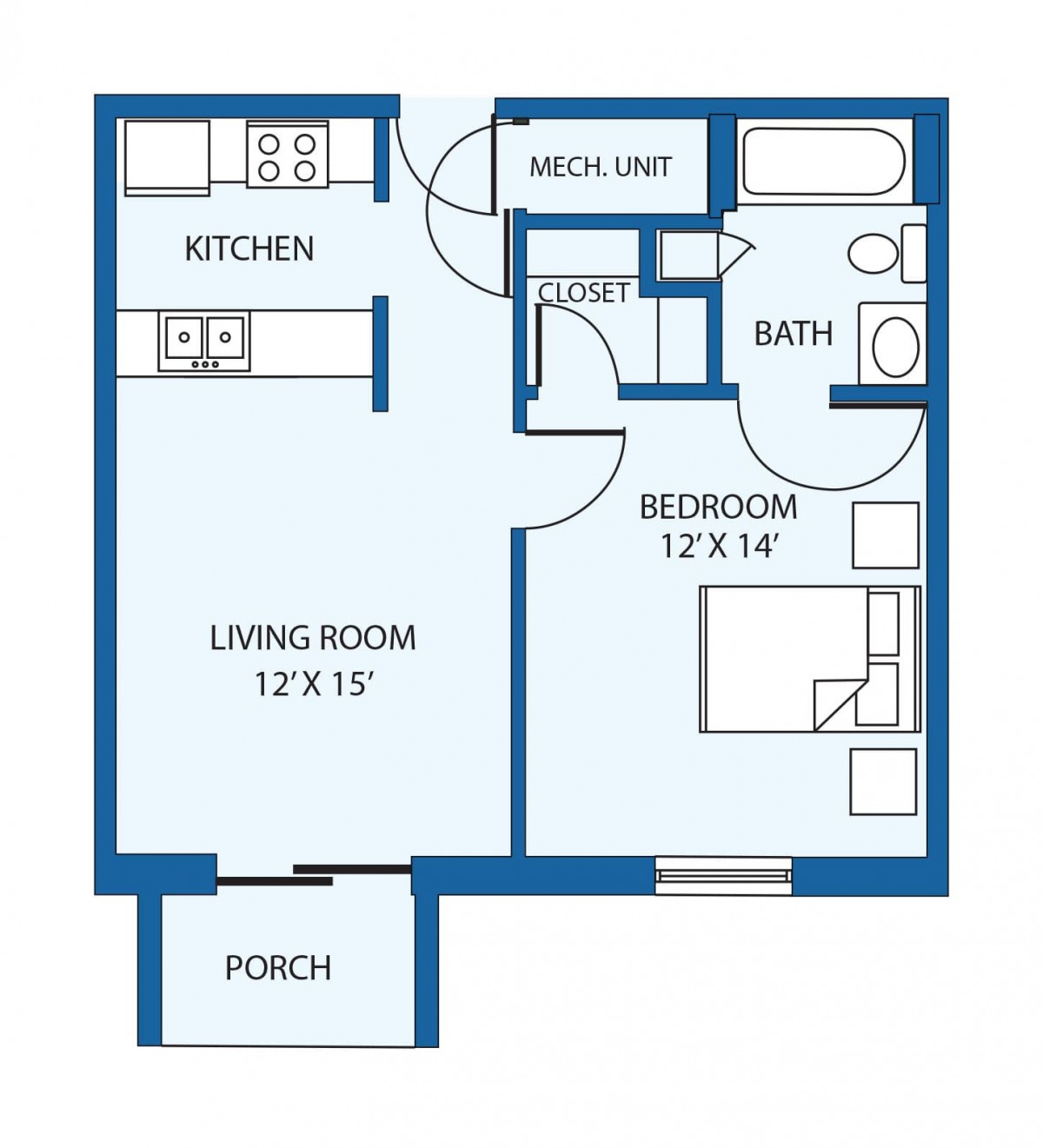
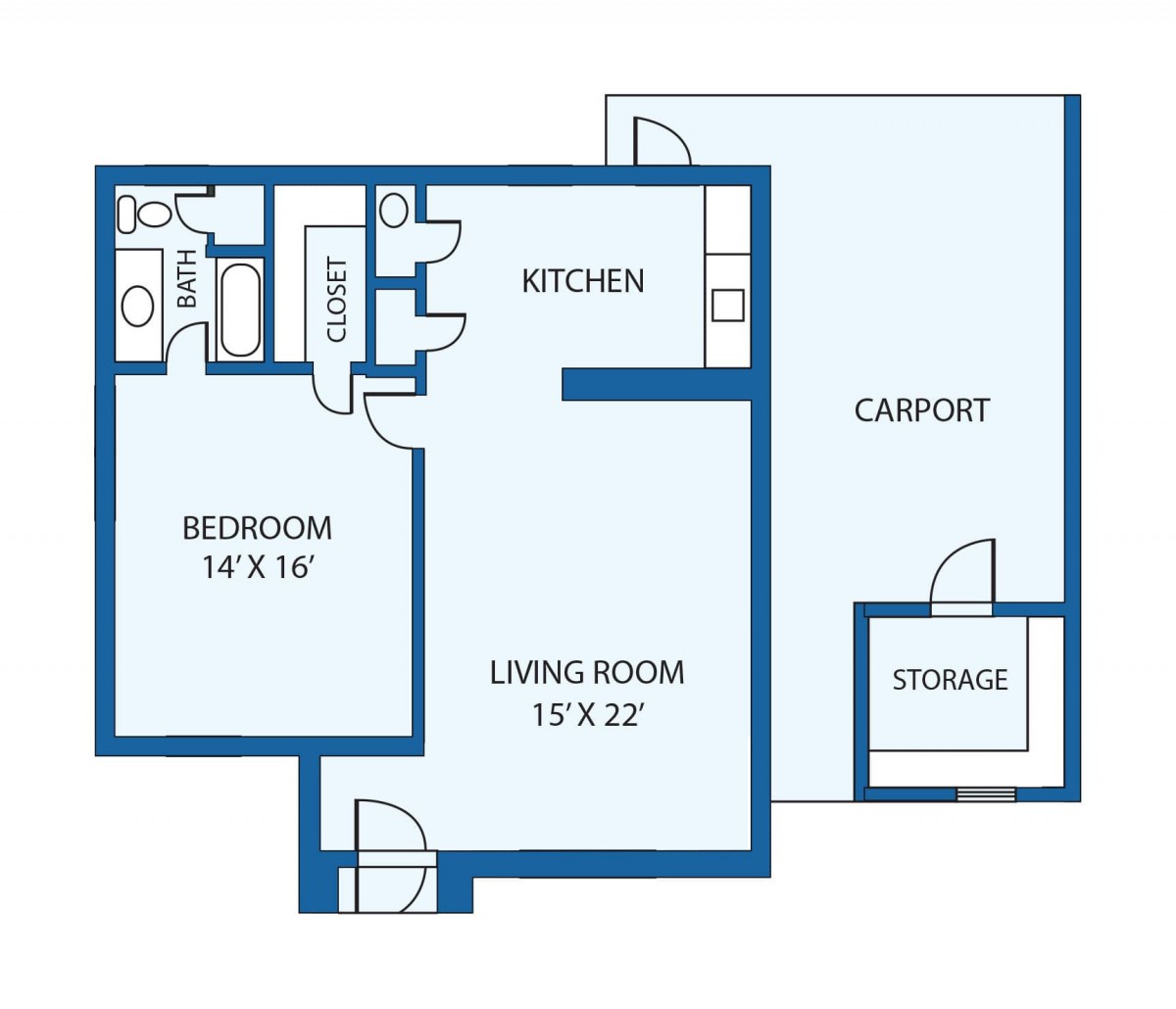
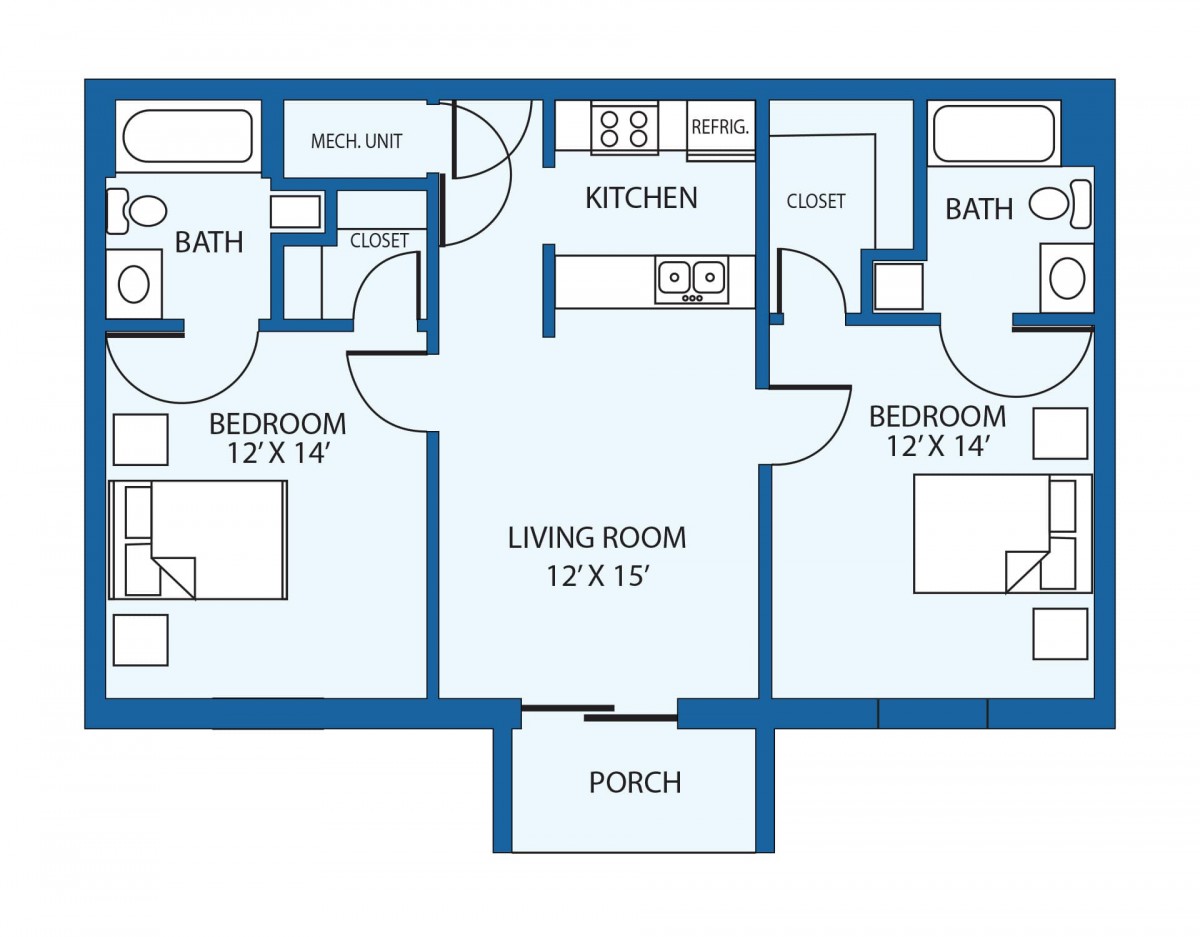
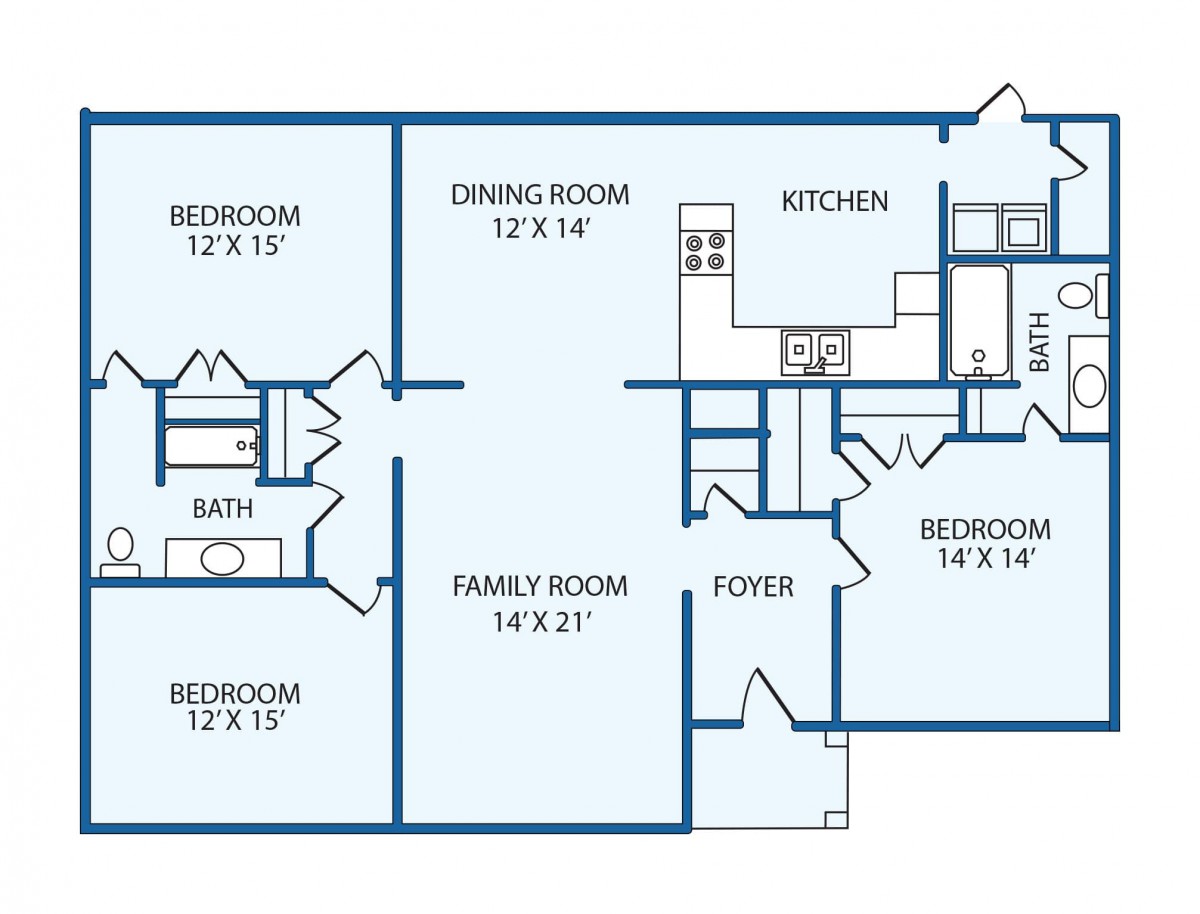
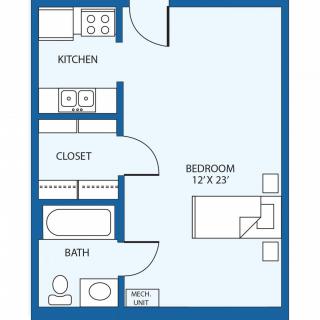
Clinton Presbyterian Community offers a competitively priced range of housing options when compared to both Laurens County and the broader South Carolina market. For instance, a studio unit at Clinton is available for $1,769 monthly, significantly lower than the county average of $3,368 and the state average of $3,649. Similarly, their one-bedroom units are priced at $2,739, which is just slightly above Laurens County's average of $2,722 but considerably more affordable than the state's average of $3,806. The two-bedroom option stands out as well; priced at $3,735 per month, it remains competitive when juxtaposed with Laurens County's average of $3,256 and South Carolina's higher average of $4,337. These pricing dynamics highlight Clinton Presbyterian Community as a desirable option for those seeking affordability without compromising on quality in a vibrant community setting.
| Floor plans | Clinton Presbyterian Community | Laurens County | South Carolina |
|---|---|---|---|
| Studio | $1,769 | $3,368 | $3,649 |
| 1 Bedroom | $2,739 | $2,722 | $3,806 |
| 2 Bedrooms | $3,735 | $3,256 | $4,337 |
Assisted Living communities with a similar price nearby
-
from +$126 / mo
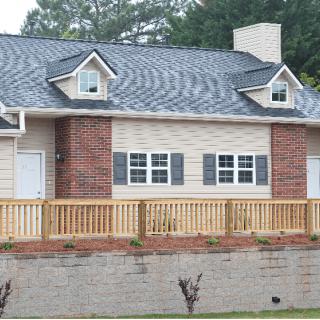
Quillen Manor Assisted Living and Villas
$1,895 to $3,400 / month24.0 miles away -
from -$169 / mo
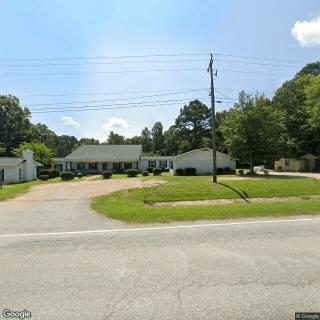
Laurens Estates
$1,600 to $2,000 / month6.8 miles away
Overall Review of Clinton Presbyterian Community
Pros
 The staff are very caring, knowledgeable, and easy to communicate with.
- The PT and OT departments are first class.
- The facility is exceptionally clean and well maintained.
- The meals are tasty, and residents can order from menus.
- There are lots of activities for residents to participate in.
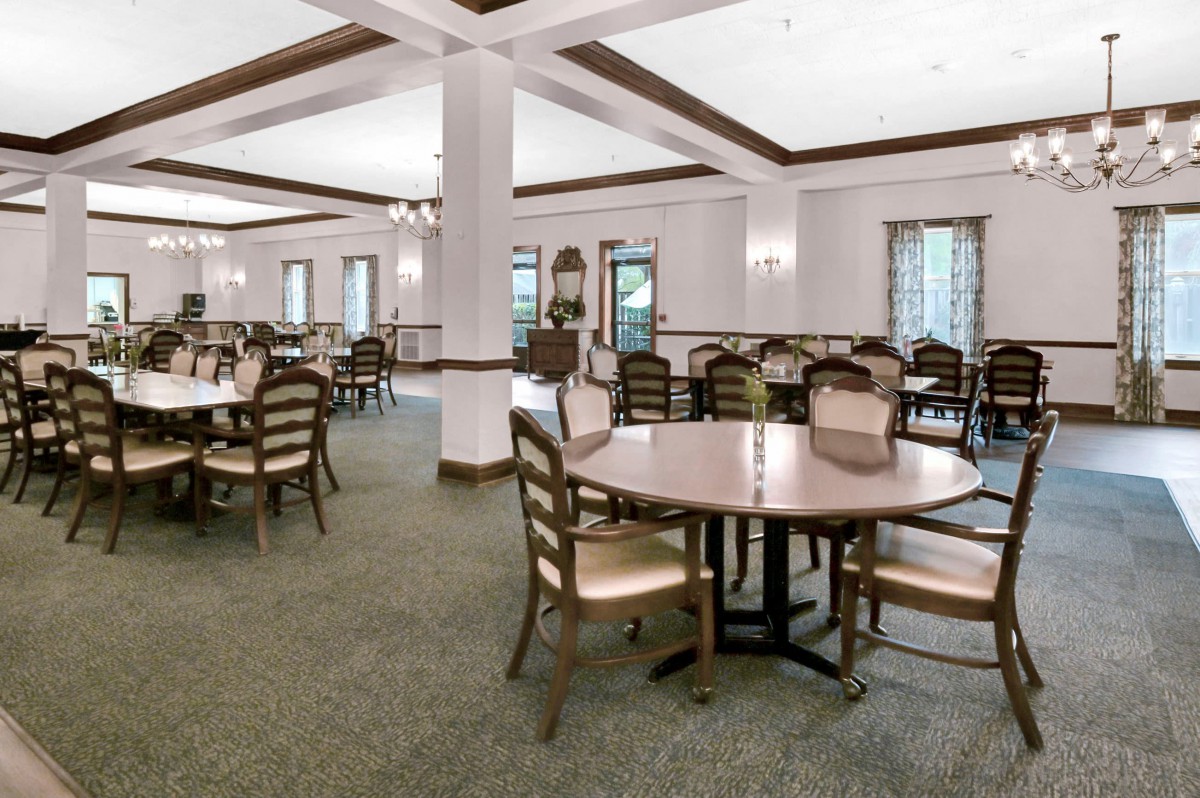
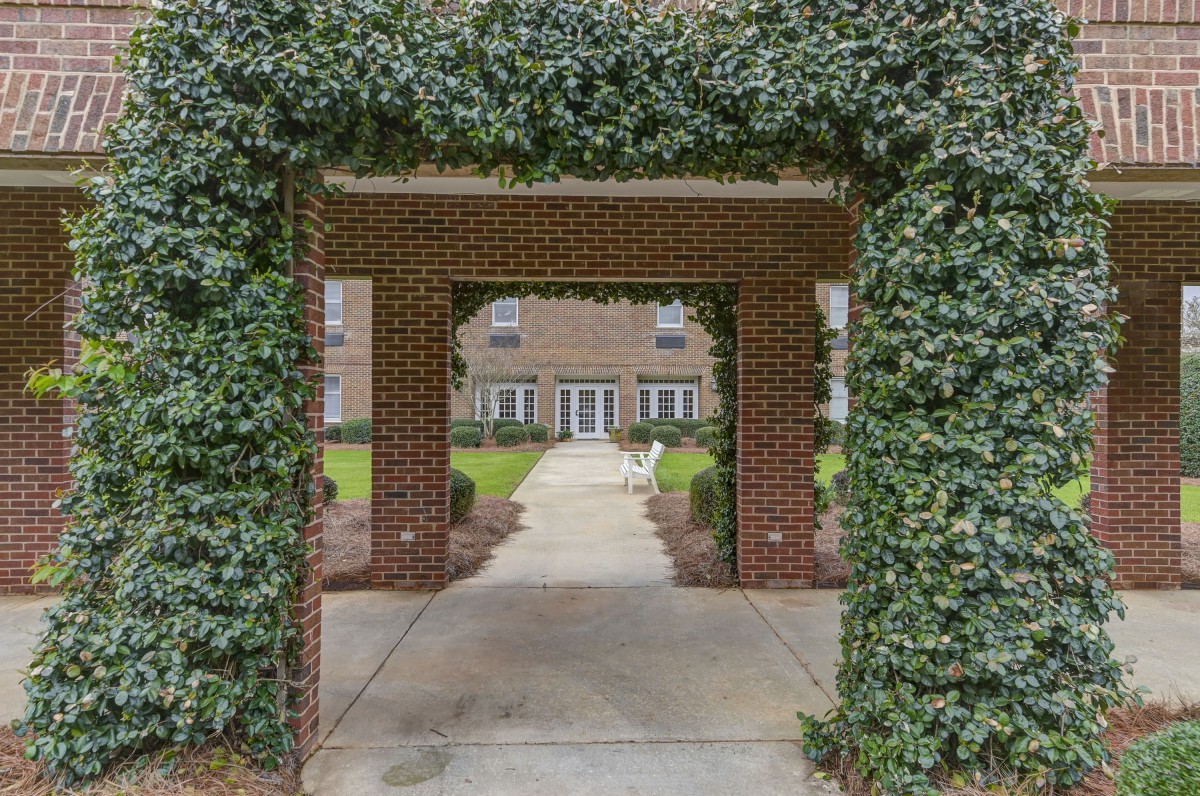
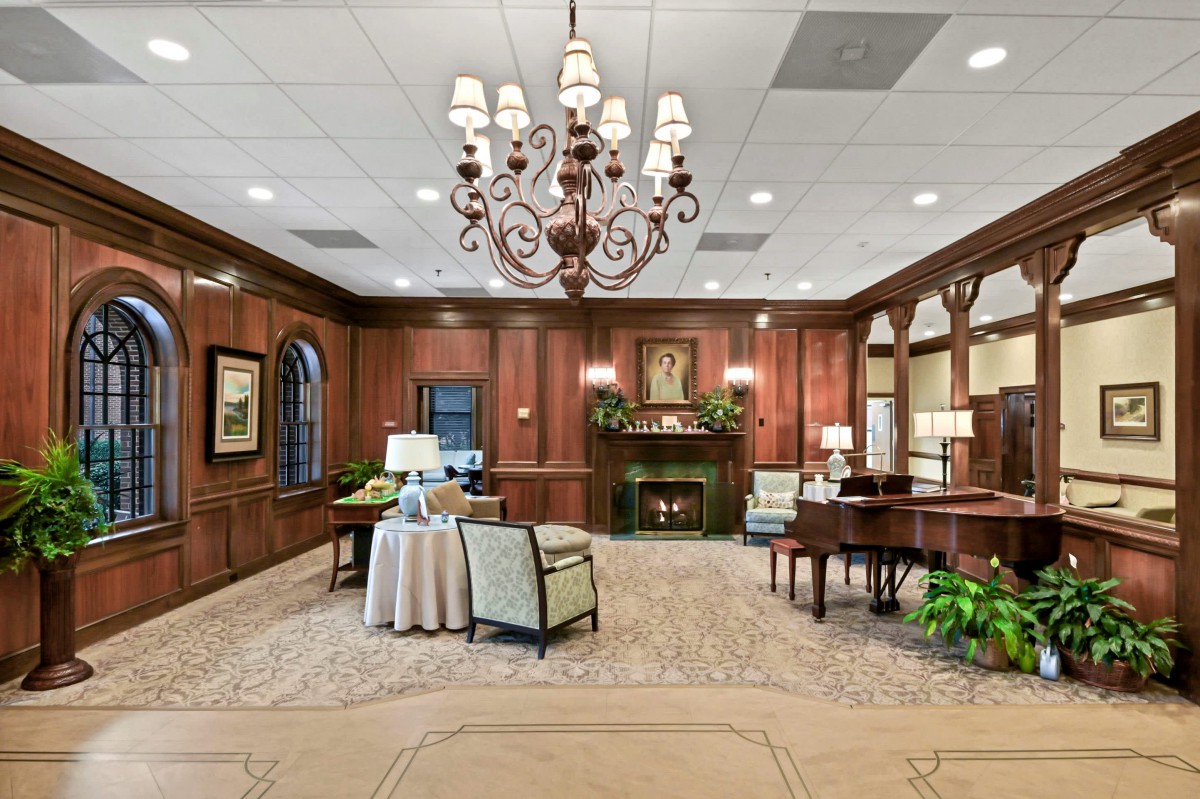
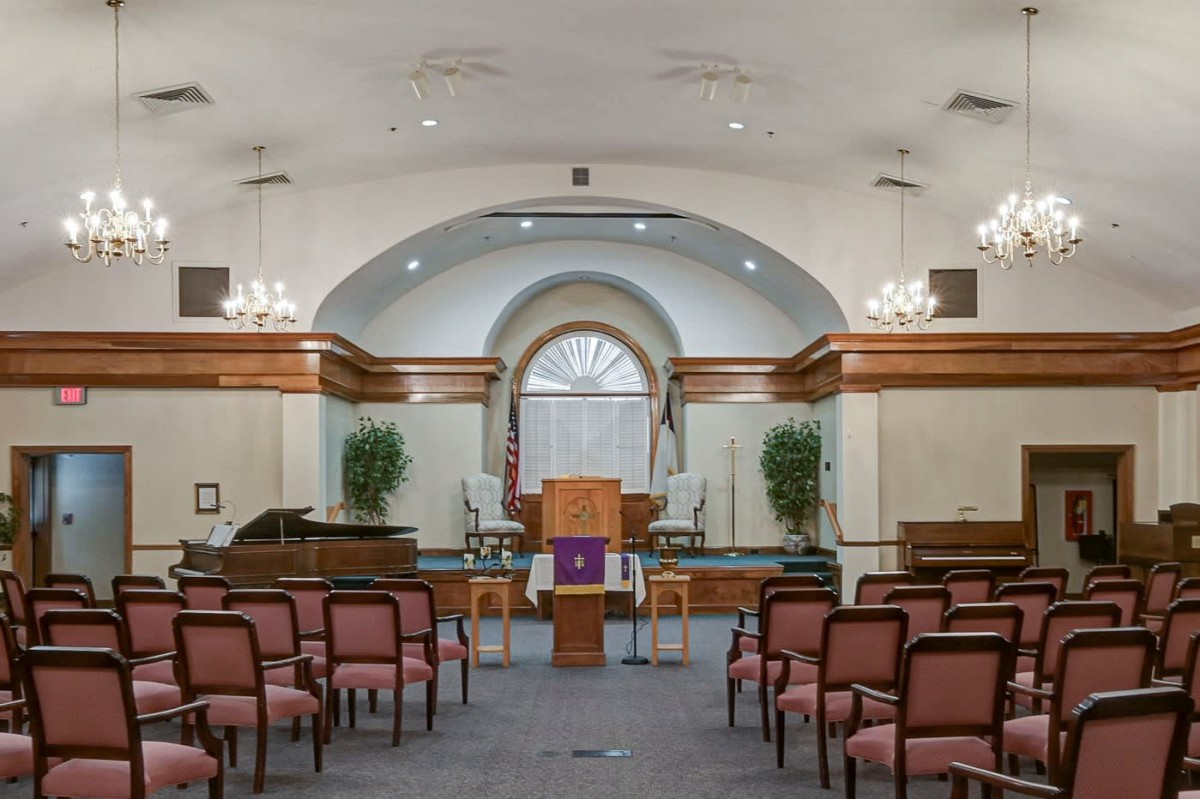
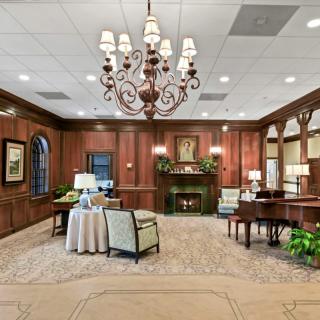
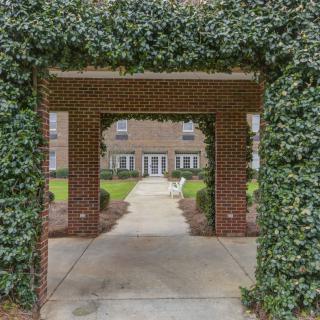
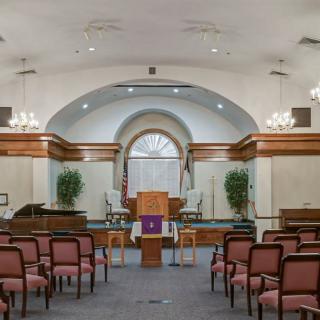
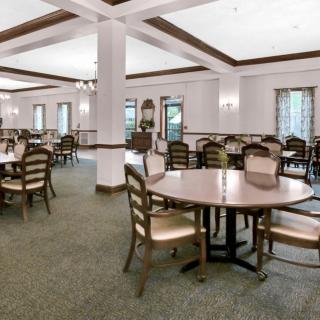
- The campus has a college-like ambiance with amenities such as a library, post office, gym, and chapel.
- The welcome from staff and residents is warm and thorough.
- The community is highly recommended and described as a GEM.
Cons
 They felt the staff did not monitor or assist her walking closely enough, contributing to falls at home.
- They described the staff as giving no real help and suggested sending her to the hospital to get rid of her, refusing to return.
- They observed staff lingering at the front desk all day and not providing the necessary support to help the elderly walk.
- They criticized the lack of ongoing supervision and attention to the patient's safety and needs.
Review
Clinton Presbyterian Community is best suited for active seniors who want a lively, campus-style setting where independence is supported but care can be escalated on demand. This is a place with multiple living options, from independent apartments to assisted living and skilled nursing, on a single, walkable site. Residents regularly engage in church activities, book clubs, field trips, and a broad slate of onsite programs, with dining options that residents actually praise. Families drawn to a well-connected community, where care transitions can be managed without uprooting the resident, will find the environment conducive to staying socially engaged while aging in place.
At the same time, possible residents or families should consider alternatives if constant, one-on-one supervision is essential. A notable concern in the feedback highlights moments when mobility support and vigilant monitoring were not available or immediate, leading to safety worries. The perception that staff could be tied up at the front desk or unavailable for real-time assistance underscores a reality: for try-before-you-buy independence, this community delivers. But for those who require relentless hands-on assistance or very close watchfulness to prevent falls, a different setting with higher staffing ratios or dedicated memory-care oversight may be a better fit.
The big picture here is that the strongest pro package, robust rehabilitation, caring staff, and a remarkable social and culinary ecosystem, tends to neutralize most hesitation about general safety and comfort. PT and OT services are repeatedly singled out as first-rate, and the overall cleanliness, coupled with high-quality meals and accessible menus, creates a reliable, reassuring baseline. The sense of community is palpable, amplified by a full-time chaplain, a welcoming atmosphere, and an abundance of activities that keep residents visible, valued, and connected to both family and faith communities.
Equally compelling is the campus’s breadth of living options, which makes Clinton Presbyterian Community unusually adaptable. Residents can begin in independent living and, if needs change, transition smoothly into assisted living or skilled nursing without leaving the same grounds. The campus design, complete with amenities like a library, gym, quiet study spaces, a post office, and even a named café, supports both independence and purposeful activity. This infrastructure reduces relocation stress for aging families and preserves a sense of home as care needs shift, a strong argument for families prioritizing continuity and social integration.
Prospective movers should verify practical details during tours: the current staffing patterns, especially during peak activity times; how rehab teams coordinate with nursing and daily living staff; and what a realistic day looks like for a resident who needs more mobility assistance. Price versus value also matters; reviewers note reasonable value in independent living, but any family should confirm the pricing structure as needs evolve. Ask about memory-care support if cognitive decline is a concern, and observe whether staff responsiveness aligns with promises, especially for residents at higher risk of falls.
In sum, Clinton Presbyterian Community stands out for families seeking an engaged, all-in-one senior living ecosystem with serious rehab capabilities and a rich program calendar. It is a compelling choice for independent seniors who value campus life and a built-in ladder of care, coupled with superior food and a warm, caring staff ethos. Those who prioritize around-the-clock, highly proactive supervision or who want a smaller, more intimate setting may want to compare options that emphasize constant one-on-one care or specialized memory-care environments. For the right family, this community offers not just a place to live, but a connected, adaptable home where care can grow alongside the resident.
 22 resident community capacity
 Assisted Living
 Continuing Care Retirement Community (CCRC)
 Independent Living
 Memory Care
 Skilled Nursing Facility
 Cats allowed
 Dogs allowed
 Activities off-site
 Air-conditioning
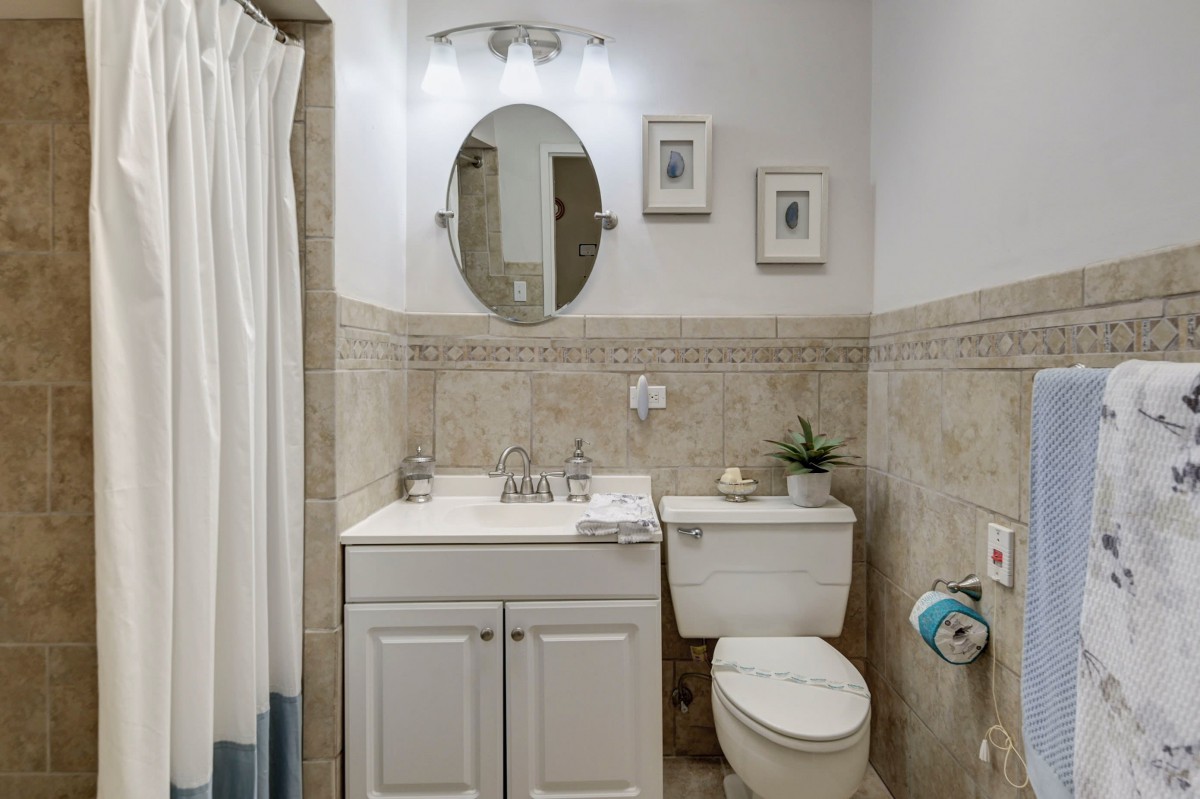
 Bath tubs
 Beautician on-site
 Cable or satellite TV
 Devotional services off-site
 Fireplaces
 Full kitchen
 Fully furnished
 Garden
 Ground floor units
 Handicap accessible
 Housekeeping services
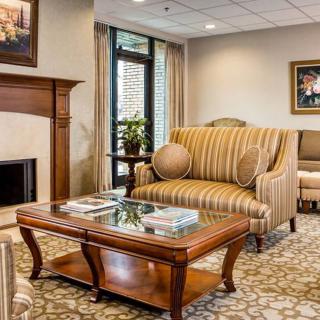
 Indoor common areas
 Move-in coordination
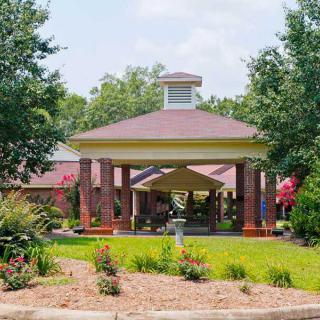
 Outdoor common areas
 Private bathrooms
 Private patio, deck, or balcony
 Respite or short term stays offered
 Wheelchair accessible showers
 Wi-Fi/high-speed internet available
 Community operated transportation
 24-hour call system
 Assistance with bathing
 Assistance with dressing
 Assistance with transfers
 Diabetes diet
 Diabetic care
 Incontinence care
 Meal preparation and service
 Medication management
 Special dietary restrictions
 BBQs or picnics
 Birthday parties
 Fitness programs


 Understanding Dementia Behaviors: Practical Insights and Strategies for Caregivers
 When Dementia Sparks Anger and Aggression: Understanding the Connection and Ways to Cope
 Dementia Behaviors: In-Depth Understanding and Effective Coping Strategies