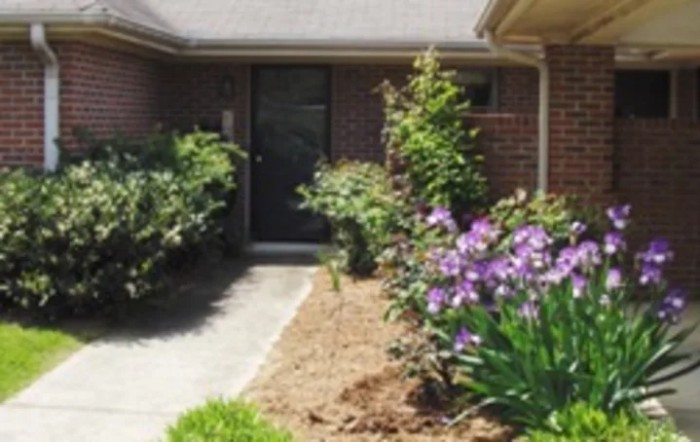
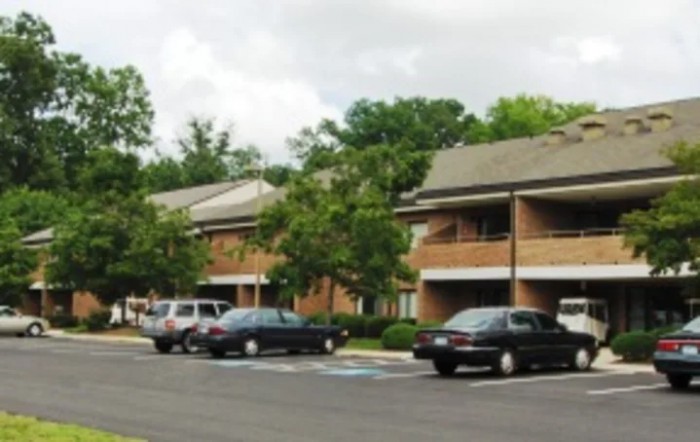
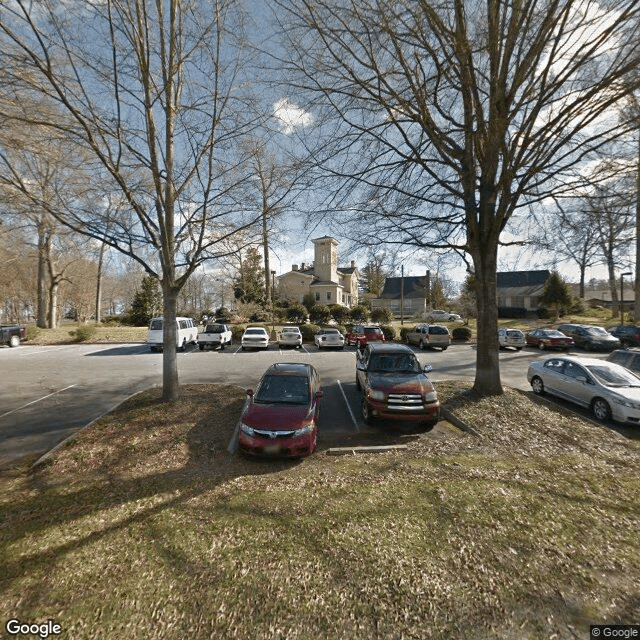
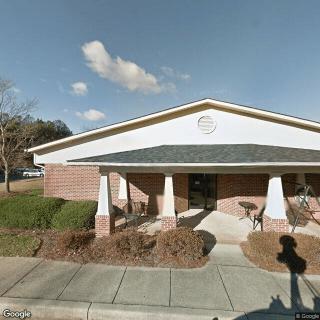
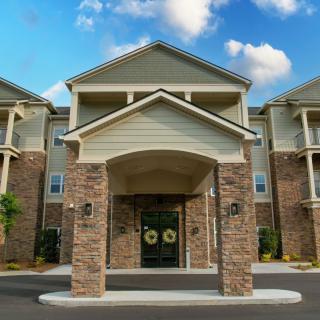
Martha Franks Baptist Retirement Center

Save

Martha Franks Baptist Retirement Center

1 Martha Franks Drive, Laurens, SC 29360

For more information about senior living options: (844) 490-3973

3.9 from 76 reviews
5 stars
46
4 stars
9
3 stars
3
2 stars
0
1 stars
18

Assisted Living Continuing Care Retirement Community (CCRC) Independent Living Memory Care Skilled Nursing Facility

Martha Franks Baptist Retirement Center Costs & Pricing

Martha Franks Baptist Retirement Center offers competitive pricing for its residents, particularly when compared to both Laurens County and the broader South Carolina market. For a studio apartment, the monthly cost at Martha Franks is $2,646, which is notably lower than the county's average of $3,368 and significantly less than the state average of $3,649. Similarly, in terms of one-bedroom units, Martha Franks charges $2,950 - a price that is slightly above Laurens County's average of $2,722 but remains far more affordable than the state average of $3,806. These rates not only reflect an attractive option for individuals seeking quality senior living accommodations but also underscore the center's commitment to providing value within its offerings.

Floor plansMartha Franks Baptist Retirement CenterLaurens CountySouth Carolina
Studio$2,646$3,368$3,649
1 Bedroom$2,950$2,722$3,806

What level of care are you interested in?

Assisted Living

Memory Care

Independent Living

Skilled Nursing Facility

Continuing Care Retirement Community (CCRC)CCRC

Other


Request a tour at Martha Franks Baptist Retirement Center

    Overall Review of Martha Franks Baptist Retirement Center

    Pros

    • pro The facility is clean, cheerful, and bright, with residents enjoying frequent activities.
    • pro The staff are friendly, polite, and genuinely caring toward residents.
    • pro Martha Franks is a wonderful place to live, offering good friends, good food, and engaging activities.
    • pro The community is caring and well suited to serve senior families.
    • pro The staff cared for residents with dementia with love and ensured their physical and emotional needs were met.
    • pro New arrivals feel welcomed and at home, often forming connections with other residents.
    • pro The community provides thoughtful amenities such as an ice cream maker, daily soup and salad bar, beautiful grounds, and extensive cable.
    • pro The administration has created a positive atmosphere and ongoing improvements.
    • pro The staff are always willing to help and show genuine love for residents.

    Cons

    • pro One reviewer described unclean conditions, noting mercury exposure and a resident escaping near a pond, which led to immediate removal.
    • pro A reviewer claimed a grandmother did not receive adequate care, with staff not ensuring she ate or drank, not bathing her, and leaving her on the toilet for an hour.
    • pro A reviewer alleged a nurse named Brandy yelled and cursed at patients on the phone, with other nurses not intervening.
    • pro A reviewer criticized the administration as nasty and selfish, citing cross-contamination, staffing shortages, reliance on outside agencies, and dirty hallways.
    • pro A reviewer stated the facility was dirty, with stinky hallways, ongoing supply shortages, and smoking on the grounds despite high charges.

    Review

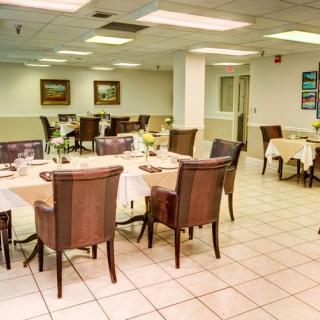
    Martha Franks Retirement Community is described by many residents and families as a warm, clean, and inviting place that feels like a close-knit, faith-centered village for aging loved ones. Across numerous reviews, the property earns praise for its bright, cheerful atmosphere, well-kept grounds, and a routine that includes three meals a day, housekeeping, and on-call nursing support. Visitors routinely note a helpful, friendly staff who greet residents by name, and a culture that emphasizes care, community, and spiritual nourishment. The overall tone from many accounts is that MFRC is more than a facility - it is a welcoming home where people form lasting friendships, enjoy regular activities, and feel connected to a broader church community.

    A common thread in the stories is the sense that MFRC has grown out of a long-standing vision and a strong sense of purpose. One review lauds the "fruit of a great vision forty years ago by an astounding woman of God," while others speak of personal experiences that reinforce that mission: a father with Parkinson's who has found appropriate support, a mother with dementia who was lovingly cared for until her passing, and a dad who remains in the skilled unit where staff are described as patient and dedicated. The community is repeatedly framed as not just a place to live, but a place where caregivers and residents become like family; staff are described as professional, attentive, and genuinely invested in residents' well-being. Chaplains and church connections are highlighted by several reviewers as integral to the culture, with residents and staff often speaking about faith, prayer, and service together.

    Positive anecdotes extend to the everyday joys of life at MFRC. Reviewers celebrate the availability of abundant amenities - an ice cream maker that's "anytime," a soup-and-salad bar, and a broad range of television channels that keep residents entertained. The campus is frequently praised for its beautiful grounds and a calendar filled with activities that encourage socializing, learning, and intergenerational engagement. Families note that local community members frequently visit, adding to the sense that the facility remains connected to the wider community. The Independent Living residents, in particular, speak about the comfort of freedom to come and go, meals, housekeeping, and maintenance support, with staff described as consistently nearby and ready to assist in emergencies.

    Several reviews specifically recount improvements in leadership and atmosphere. One reviewer notes that the current administration is "FAR better than the prior one" and attributes a noticeable shift toward the original intent of Miss Martha Franks. Others speak about the staff's ongoing willingness to help, the presence of caring medical professionals, and a general sense of stability that allows families to feel at ease about their loved ones' care. For some, MFRC has become a place they are proud of, a community that their own stories and faith commitments align with, and a home that provides a reliable structure for aging relatives to thrive.

    However, not all experiences recounted are unambiguously positive. A particularly troubling account describes a severe accident: a husband in rehabilitation who escaped, ran outside near an unfenced exit by a pond, and nearly drowned. The reviewer attributes unclean conditions (a closet mix-up with clothing, a claim of mercury exposure) and emphasizes that this incident led to an immediate removal from the facility. The writer insists that appearances can be deceptive and urges families to be vigilant about safety and environmental risks. This account highlights real concerns about the physical setup and the potential hazards that can accompany senior-care facilities, underscoring the importance of proactive supervision and secure grounds.

    Even more grave are allegations from other reviewers who claim neglect and harm. One reviewer describes a grandmother who was at MFRC for only a month before declining sharply, claiming staff did not ensure she ate or drank adequately, failed to bathe her, and left her on a toilet for an extended period. They accuse the staff of indifference and attribute their loved one's rapid deterioration to the care they received at the facility. Other critiques target specific staff behavior - one mentions a nurse who allegedly yelled and cursed at patients during phone calls, implying a broader culture of nonresponsiveness when staff are not under direct scrutiny. These narratives also accuse some administrators of nastiness and selfishness, point to cross-contamination and supply shortages, and question the adequacy of staffing, suggesting reliance on outside agencies and a concerning lack of accountability.

    The most pointed warnings emphasize systemic problems: complaints about cleanliness and hygiene, the irritant of hallway odors, inconsistent bathing and care, and a perception that the administration is disconnected from daily operations. Some reviewers even suggest extreme measures, like installing cameras in residents' rooms, and express fear about long-term viability. The sentiment here is not that MFRC is a uniformly bad place, but rather that serious care-quality and safety gaps exist in certain experiences, and these gaps deserve careful attention and independent oversight.

    Taken together, the collection of reviews paints a nuanced picture of Martha Franks Retirement Community. For many families, it is a place of genuine warmth, Christian fellowship, and thoughtful ongoing care that turns a housing arrangement into a living, breathing community. For others, it is a reminder of the fragile nature of elder care and the high stakes of safety, cleanliness, and compassionate treatment. The contrast between the overwhelmingly positive testimonials and the serious allegations underscores the importance of thorough, ongoing evaluation by prospective residents and their families: visit often and widely, assess care quality and environment in person, and weigh personal needs and safety considerations against the strengths of the community.

    Features

    Housing

    • 88 resident community capacity 88 resident community capacity

    Types of Care

    • Assisted Living Assisted LivingAssisted living facilities provide crucial support and care for seniors who may need help with daily tasks such as medication management, bathing, and meal preparation. These communities offer a safe and comfortable environment where seniors can maintain their independence while receiving the assistance they need to thrive in their golden years.
    • Continuing Care Retirement Community (CCRC) Continuing Care Retirement Community (CCRC)Continuing Care Retirement Communities (CCRCs) are important for seniors because they provide a range of housing options and care services all in one location. This allows seniors to age in place and receive the level of care they need as their health changes, without having to move to a new facility. CCRCs provide a sense of security and peace of mind for seniors and their families, knowing that they will be taken care of no matter what the future holds.
    • Independent Living Independent LivingIndependent living communities are important for seniors because they offer a safe and supportive environment where older adults can live independently while still having access to amenities and services that enhance their quality of life. These communities provide social opportunities, recreational activities, and assistance with daily tasks, promoting overall well-being and allowing seniors to maintain their independence for as long as possible.
    • Memory Care Memory CareMemory care is crucial for seniors as it provides specialized support and services for individuals with dementia or Alzheimer's disease. These programs offer a safe and secure environment where residents receive personalized care, cognitive stimulation, and help with daily activities. Memory care helps seniors maintain their independence, quality of life, and dignity while also providing peace of mind for their families.
    • Skilled Nursing Facility Skilled Nursing FacilitySkilled Nursing Facilities are crucial for seniors as they provide round-the-clock medical care, rehabilitation services, and assistance with daily activities. These facilities ensure that seniors receive the specialized care they need to maintain their health and well-being as they age.

    Pets

    • Cats allowed Cats allowed"Pet friendly" senior living communities are important for seniors because pets provide companionship, reduce feelings of loneliness and depression, promote physical activity and mental stimulation, and offer a sense of purpose and responsibility. Pets can improve overall well-being and quality of life for seniors in many ways.
    • Dogs allowed Dogs allowed"Pet friendly" senior living communities are important for seniors because pets provide companionship, reduce feelings of loneliness and depression, promote physical activity and mental stimulation, and offer a sense of purpose and responsibility. Pets can improve overall well-being and quality of life for seniors in many ways.

    Amenities

    • Activities off-site Activities off-siteEngaging in off-site activities is crucial for seniors to maintain social connections, stay active, and stimulate their minds. It promotes overall well-being and helps combat feelings of isolation and loneliness.
    • Activities on-site Activities on-siteActivities on-site are important for seniors because they provide opportunities for socialization, mental stimulation, physical activity, and overall well-being. Engaging in activities can help seniors stay active, maintain their independence, and improve their quality of life.
    • Air-conditioning Air-conditioningAir conditioning is important for seniors as they are more vulnerable to heat-related illnesses and may have underlying health conditions that make it difficult for them to regulate their body temperature. It helps to keep them comfortable, safe, and healthy in hot weather.
    • Bath tubs Bath tubsBath tubs are important for seniors because they provide a safe and relaxing way to bathe, helping to prevent slips and falls while promoting independence and overall well-being.
    • Beautician on-site Beautician on-siteHaving a beautician on-site at a senior living community is important for seniors as it allows them to easily access grooming and personal care services, boosting their self-esteem and overall well-being. It also provides convenience and helps seniors maintain their sense of independence and personal style.
    • Beauty salon Beauty salonBeauty salons are important for seniors because they provide a space for them to feel pampered, socialize, and maintain their personal grooming and hygiene. Regular visits to a beauty salon can help boost seniors' self-esteem and overall well-being.
    • Cable or satellite TV Cable or satellite TVCable or satellite TV is important for seniors because it provides entertainment, news, and companionship, helping to combat loneliness and boredom. It also offers a wide range of programming options tailored to different interests and preferences.
    • Computer center Computer centerA computer center is essential for seniors as it provides access to technology, communication tools, and resources that can enhance their daily lives. It allows them to stay connected with loved ones, engage in online activities, and learn new skills, ultimately promoting socialization and mental stimulation.
    • Devotional services off-site Devotional services off-siteDevotional services off-site are important for seniors as they provide spiritual nourishment, social engagement, and a sense of community outside of the senior living facility. This can enhance overall well-being and help combat feelings of isolation and loneliness often experienced by older adults.
    • Devotional services on-site Devotional services on-siteDevotional services on-site provide seniors with spiritual support and a sense of community, as well as an opportunity for reflection and guidance during their senior living experience. This can promote emotional well-being and connection to others, leading to a more fulfilling and enriching lifestyle in their later years.
    • Fitness room Fitness roomHaving a fitness room in a senior living community is essential for seniors to stay active, maintain their physical health, and improve their overall well-being. Regular exercise can help prevent falls, reduce the risk of chronic diseases, and promote mental sharpness. It also provides social opportunities for residents to connect with others and enjoy a sense of community.
    • Fully furnished Fully furnishedFully furnished senior living communities are important for seniors because they provide convenience, comfort, and a hassle-free moving experience. Seniors can easily settle into their new living space without the stress of having to buy and move furniture. This allows them to focus on enjoying their new home and community.
    • Gaming room Gaming roomGaming rooms are important for seniors as they provide a fun and engaging environment for socializing, cognitive stimulation, and physical activity. Games can improve memory, problem-solving skills, and overall mental well-being while fostering friendships and reducing feelings of isolation.
    • Garden GardenGardens are important for seniors as they provide a peaceful and therapeutic environment for relaxation, physical activity, and socialization. Being in nature has been shown to reduce stress, improve mood, and promote overall well-being. Gardens also offer opportunities for seniors to engage in gardening activities, which can improve mobility, flexibility, and cognitive function. Additionally, gardens create a sense of community and connection with others who share a passion for plants and outdoor spaces.
    • Housekeeping services Housekeeping servicesHousekeeping services are important for seniors because they help maintain a clean and safe living environment, promote independence, and reduce the risk of accidents or illnesses. Additionally, having assistance with household chores can alleviate physical strain and allow seniors to focus on other aspects of their well-being.
    • Indoor common areas Indoor common areasIndoor common areas are crucial for seniors as they provide a space for socialization, recreation, and community engagement, promoting overall well-being and reducing feelings of isolation and loneliness.
    • Kitchenette KitchenetteKitchenettes are important for seniors living in senior living communities because they provide the convenience and independence of being able to prepare simple meals and snacks in the comfort of their own living space. This can help promote a sense of autonomy and well-being for seniors, allowing them to maintain some level of control over their dietary choices and daily routines.
    • Move-in coordination Move-in coordinationMove-in coordination is important for seniors because it helps ease the transition into their new living environment. It ensures that all logistics, such as packing, organizing movers, and setting up utilities are taken care of, allowing seniors to focus on settling in and adjusting to their new home. Having a smooth move-in process can alleviate stress and anxiety, making the transition smoother and more enjoyable for seniors.
    • Outdoor common areas Outdoor common areasOutdoor common areas are important for seniors as they provide a space for socialization, physical activity, and relaxation. Being outside in nature can improve mood and overall well-being, while also encouraging movement and engagement with others. These spaces can help combat feelings of isolation and promote a sense of community among residents.
    • Outdoor space Outdoor spaceOutdoor spaces are important for seniors as they provide opportunities for physical activity, social interaction, exposure to natural light and fresh air, and a sense of connection to nature. Having access to outdoor spaces can improve overall well-being and quality of life for older adults living in senior communities.
    • Private bathrooms Private bathroomsPrivate bathrooms are important for seniors in senior living communities because they provide independence, dignity, and comfort. Having a private bathroom allows seniors to maintain their personal hygiene routines without the need for assistance, promoting a sense of autonomy and privacy. Additionally, private bathrooms help prevent the spread of infections and provide a safe and clean environment for seniors to navigate safely.
    • Restaurant-style dining Restaurant-style diningRestaurant-style dining is important for seniors because it allows them to enjoy delicious, nutritious meals in a social and upscale setting. This enhances their dining experience, promotes healthy eating habits, and fosters socialization with fellow residents, ultimately contributing to their overall well-being and quality of life.
    • Small library Small librarySmall libraries are important for seniors as they provide access to a variety of reading materials, including books, newspapers, and magazines. This can help stimulate their minds, keep them engaged, and provide a sense of community through book clubs and other social activities. Additionally, reading has been shown to improve cognitive function and overall mental well-being in older adults.
    • Telephone TelephoneTelephones are important for seniors as they provide a lifeline for communication with loved ones, emergency services, and healthcare providers. They offer a sense of security and independence, enabling seniors to stay connected and access assistance when needed.
    • Wellness center Wellness centerWellness centers are important for seniors because they offer a variety of programs and services that promote physical, mental, and emotional well-being. These centers provide opportunities for exercise, socialization, education, and relaxation, helping seniors maintain their overall health and quality of life.
    • Wheelchair accessible showers Wheelchair accessible showersWheelchair accessible showers are crucial for seniors as they provide a safe and independent bathing option for those with mobility challenges. These showers help prevent falls and allow seniors to maintain their dignity and autonomy while ensuring they can bathe comfortably.
    • Wi-Fi/high-speed internet available Wi-Fi/high-speed internet availableWi-Fi/high-speed internet is important for seniors to stay connected with loved ones, access online resources, and participate in virtual activities to combat feelings of loneliness and isolation. It also allows them to easily manage healthcare needs, access entertainment, and engage in lifelong learning opportunities.

    Transportation

    • Community operated transportation Community operated transportationCommunity operated transportation is crucial for seniors as it provides them with the means to access essential services, social activities, and medical appointments. It allows seniors to maintain their independence and quality of life by ensuring they can participate in activities outside of their homes. Additionally, community-operated transportation services offer a safe and reliable way for seniors to travel without having to rely on family or friends for assistance.
    • Transportation arrangement Transportation arrangementTransportation arrangements are crucial for seniors as they may face challenges with driving, mobility, or access to public transportation. Having reliable transportation services ensures that seniors can easily attend appointments, social activities, and maintain their independence and quality of life.
    • Transportation arrangement (non-medical) Transportation arrangement (non-medical)Transportation arrangements are essential for seniors as they provide access to essential services, activities, and social interactions outside the home. This service helps maintain independence, mobility, and overall well-being for seniors who may have limited transportation options.

    Care Services

    • 24-hour call system 24-hour call system24-hour call systems are important for seniors because they provide peace of mind and immediate assistance in case of emergencies. This technology ensures that help is always available, promoting safety and security for elderly individuals living alone or in assisted living facilities.
    • 24-hour supervision 24-hour supervision24-hour supervision is important for seniors to ensure their safety, well-being, and access to immediate assistance in case of emergencies or health issues. This constant support provides peace of mind for both seniors and their loved ones, allowing them to age in place with dignity and security.
    • Activities of daily living assistance Activities of daily living assistanceActivities of daily living assistance are important for seniors because they provide essential support with tasks such as eating, bathing, dressing, and mobility. This assistance helps seniors maintain their independence, dignity, and overall quality of life as they age.
    • Ambulatory care Ambulatory care"Ambulatory care services provide essential medical support and treatment to seniors without requiring hospitalization, allowing them to maintain their independence and quality of life while managing chronic conditions or receiving routine medical care."
    • Assistance with bathing Assistance with bathingAssistance with bathing is crucial for seniors as it helps maintain personal hygiene, prevents infections, and ensures their overall well-being and comfort. It also provides a sense of dignity and independence for seniors who may struggle with this task on their own.
    • Assistance with dressing Assistance with dressingAssistance with dressing is important for seniors because it helps maintain their independence, promotes personal hygiene, prevents accidents and injuries, and improves overall quality of life. This service ensures that seniors can continue to dress comfortably and confidently, despite any physical limitations they may have.
    • Assistance with transfers Assistance with transfersAssistance with transfers is crucial for seniors as it helps prevent falls and injuries, maintains their independence, and ensures they can safely navigate their living environment. It also provides peace of mind for both seniors and their loved ones.
    • Diabetes diet Diabetes dietA diabetes diet is crucial for seniors as it helps manage blood sugar levels, reduce risks of complications, and improve overall health and well-being. By following a balanced and nutritious diet tailored to their specific needs, seniors can better control their diabetes and enhance their quality of life.
    • Diabetic care Diabetic careDiabetic care is crucial for seniors as they are more susceptible to developing diabetes due to aging and other health conditions. Proper management of diabetes can help prevent complications such as heart disease, vision loss, and nerve damage, improving the overall quality of life for seniors in senior living communities.
    • High acuity care High acuity careHigh acuity care is important for seniors because it provides specialized medical attention and support for individuals with complex medical needs. This level of care ensures that seniors receive the appropriate treatment and assistance to maintain their health and quality of life as they age.
    • Incontinence care Incontinence careIncontinence care is essential for seniors to maintain their dignity, hygiene, and overall quality of life. By addressing incontinence issues promptly and effectively, seniors can enjoy a sense of independence and comfort in their daily activities.
    • Meal preparation and service Meal preparation and serviceMeal preparation and service are crucial for seniors as they may have limited mobility or energy to cook nutritious meals. Having access to healthy and convenient food options can ensure they are getting the proper nutrition needed to maintain their overall health and well-being.
    • Medication management Medication managementMedication management is crucial for seniors to ensure they are taking the right medications at the correct dosages and times. This helps prevent adverse drug interactions, reduces the risk of medication errors, and promotes overall health and well-being. Proactive management also allows for adjustments as needed based on changing health conditions or new prescriptions.
    • Special dietary restrictions Special dietary restrictionsSpecial dietary restrictions are important for seniors because age-related changes in metabolism and health conditions can make it difficult for their bodies to process certain foods. By following a diet tailored to their specific needs, seniors can maintain their overall health and well-being, manage chronic conditions, and reduce the risk of complications such as malnutrition or food interactions with medications.

    Dining

    • Diabetes diet Diabetes dietA diabetes diet is crucial for seniors as it helps manage blood sugar levels, reduce risks of complications, and improve overall health and well-being. By following a balanced and nutritious diet tailored to their specific needs, seniors can better control their diabetes and enhance their quality of life.
    • Meals provided Meals provided"Meals provided" are crucial for seniors in assisted living communities as it ensures they have access to nutritious, balanced meals without the stress of meal planning and preparation. This can help promote overall health and well-being for seniors who may have limited mobility or cognitive abilities.
    • Special dietary restrictions Special dietary restrictionsSpecial dietary restrictions are important for seniors because age-related changes in metabolism and health conditions can make it difficult for their bodies to process certain foods. By following a diet tailored to their specific needs, seniors can maintain their overall health and well-being, manage chronic conditions, and reduce the risk of complications such as malnutrition or food interactions with medications.
    • Vegetarian VegetarianA vegetarian diet is important for seniors because it can help lower the risk of chronic diseases, maintain a healthy weight, and provide essential nutrients needed for aging bodies. Additionally, plant-based diets are often easier on digestive systems and can contribute to overall well-being in older adults.

    Activities

    • Activities off-site Activities off-siteEngaging in off-site activities is crucial for seniors to maintain social connections, stay active, and stimulate their minds. It promotes overall well-being and helps combat feelings of isolation and loneliness.
    • Activities on-site Activities on-siteActivities on-site are important for seniors because they provide opportunities for socialization, mental stimulation, physical activity, and overall well-being. Engaging in activities can help seniors stay active, maintain their independence, and improve their quality of life.
    • Community-sponsored activities Community-sponsored activitiesCommunity-sponsored activities are important for seniors as they provide opportunities for social interaction, mental stimulation, and physical activity. These activities can help improve overall well-being, combat loneliness and isolation, and promote a sense of belonging and purpose among older adults.
    • Concierge services Concierge servicesConcierge services are essential for seniors as they provide assistance with daily tasks and errands, enhance their quality of life by offering convenience and personalized care, and promote a sense of safety and security.
    • Devotional activities offsite Devotional activities offsiteDevotional activities offsite are important for seniors because they provide social engagement, spiritual growth, and a sense of community outside of their living environment. This can improve overall well-being, mental health, and combat feelings of isolation or loneliness.
    • Devotional activities on-site Devotional activities on-siteDevotional activities on-site provide seniors with a sense of community, spiritual fulfillment, and emotional support, promoting overall well-being and a positive sense of purpose in their lives.
    • Fitness programs Fitness programsFitness programs are crucial for seniors as they help improve strength, flexibility, balance, and overall well-being. Staying active can reduce the risk of chronic diseases, improve mental health, and enhance quality of life in older adults.
    • Planned day trips Planned day tripsPlanned day trips are important for seniors because they offer opportunities for socialization, mental stimulation, and physical activity. They provide a change of scenery and help seniors stay engaged and connected to their community, promoting overall well-being and quality of life.
    • Resident-run activities Resident-run activitiesResident-run activities are important for seniors as they encourage social interaction, creativity, and a sense of autonomy. These activities empower seniors to stay engaged and active in their community while fostering meaningful connections with their peers.
    • Scheduled daily activities Scheduled daily activitiesScheduled daily activities are important for seniors because they provide structure, socialization, mental stimulation, and physical activity. Engaging in regular activities can improve overall well-being and quality of life for seniors living in a community setting.

    Description

    Martha Franks Baptist Retirement Center in Laurens, SC is a premier assisted living community offering a range of care services and amenities to meet the diverse needs of its residents. As a Continuing Care Retirement Community (CCRC), Martha Franks provides various levels of care, including Independent Living, Memory Care, and Skilled Nursing Facility.

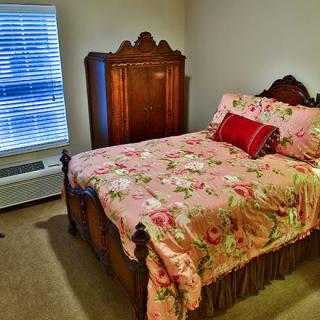
    Residents at Martha Franks can enjoy an array of amenities designed to promote wellness and comfort. The community features on-site activities that cater to different interests, ensuring that there is always something engaging for everyone. With air-conditioned living spaces and wheelchair accessible showers, residents can relax and feel at ease within their private accommodations. Additional amenities include housekeeping services, fully furnished units, cable or satellite TV, and Wi-Fi/high-speed internet access.

    The staff at Martha Franks Baptist Retirement Center prioritize the well-being of each resident with 24-hour supervision and assistance with activities of daily living such as bathing, dressing, and transfers. Specialized care services like diabetic care and medication management are available to ensure residents' health needs are met. Meals provided adhere to specific dietary restrictions including diabetes diet and vegetarian options.

    Elevating the quality of life for residents further are the numerous activities available both on-site and off-site. From fitness programs to planned day trips, concierge services to resident-run activities, there's never a dull moment at Martha Franks. Additionally, residents have easy access to nearby parks for outings as well as a variety of pharmacies, physicians' offices, restaurants, places of worship, and hospitals within close proximity.

    With its dedication to exceptional care services, comprehensive amenities, and an enriching lifestyle filled with engaging activities both inside and outside the community walls, Martha Franks Baptist Retirement Center in Laurens is truly a remarkable assisted living community for seniors seeking the highest standard of care in a warm and inviting environment.

    Nearby Places of Interest

    Located in Laurens, South Carolina, this area offers a variety of amenities that cater to seniors looking for a comfortable and convenient place to live. With several parks nearby, such as Pine Street Park for outdoor recreation and relaxation, as well as places of worship like First Presbyterian Church for spiritual fulfillment, residents can enjoy a peaceful and fulfilling lifestyle. There are plenty of dining options available, including Roma and Whiteford's Giant Burger, providing easy access to delicious meals. Additionally, pharmacies like Adair Apothecary and Physicians like Laurens Family Practice are within close proximity for healthcare needs. For transportation needs, U-Haul services are available nearby. Overall, this area offers a range of services and facilities that can enhance the quality of life for seniors considering living in Laurens.

    Parks

    • Laurens County Administrator (0.2 miles)
    • Pine Street Park (8.7 miles)

    Places of Worship

    • First Presbyterian Church (0.3 miles)
    • Second Baptist Church (1.3 miles)
    • Southern Baptist Convention (1.5 miles)
    • Southern Baptist Convention (2.6 miles)
    • Chestnut Ridge Baptist Church (3.6 miles)
    • Rocky Springs Presbyterian Church (3.6 miles)
    • New Prospect Baptist Church (4 miles)

    Restaurants

    • Roma (0.6 miles)
    • Bojangles' Famous Chicken 'n Biscuits (0.6 miles)
    • Little Caesars Pizza (0.6 miles)
    • Whiteford's Giant Burger (0.8 miles)
    • KFC (0.9 miles)
    • China Star (0.9 miles)
    • A Taste of Home (1 miles)

    Pharmacies

    • Adair Apothecary (0.6 miles)
    • Drug-Lo Discount Drugs (0.6 miles)
    • Laurens Drug Co. (0.6 miles)
    • Fleetwood Pharmacy Of Laurens (0.9 miles)
    • Wattsville Drugs (1.9 miles)
    • Walgreens (2.3 miles)
    • Ingles Market (2.4 miles)

    Physicians

    • Laurens Family Practice (0.9 miles)
    • Laurens County Communi (5 miles)
    • Piedmont Pediatrics (5 miles)
    • Greenville Kidney Center PA (5.1 miles)
    • Carolina Women's Center (5.1 miles)
    • Laurens County Mental Health (5.2 miles)
    • The Family Healthcare Center (5.3 miles)

    Hospitals

    • Self Medical Center-Laurens (4.8 miles)
    • Laurens County Health Care System (5 miles)
    • Laurens County Hospital (5 miles)

    Transportation

    • U-Haul (6.4 miles)
    • U-Haul Neighborhood Dealer (8.3 miles)

    Cafes

    • Main Street Bake Shoppe (8.4 miles)
    • Steamers Cafe & Catering (8.4 miles)
    • Tavern Cafe (8.9 miles)
    • Joanna Cafe (13.5 miles)

    Frequently Asked Questions

    How much does it cost to live at Martha Franks Baptist Retirement Center in Laurens, SC?
    Where is Martha Franks Baptist Retirement Center?
    Does Martha Franks Baptist Retirement Center provide care for residents with dementia or Alzheimer's disease?
    Does Martha Franks Baptist Retirement Center allow residents to have pets?
    What photos are available for Martha Franks Baptist Retirement Center in Laurens, South Carolina?

    Nearby Communities

    Related Resources

    • dementia careA Holistic Dementia Care Guide: Effective Strategies for Memory Support

      The guide on holistic dementia care outlines the complexity of dementia and stresses the need for individualized caregiver strategies that include medical treatment, psychological support, and environmental adaptations, while emphasizing early detection, various therapeutic options, and caregiver support to enhance quality of life and maintain dignity.

    • dementia careMemory Care Pathways: A Holistic Guide to Dementia Support

      "Memory Care Pathways: A Holistic Guide to Dementia Support" outlines the complexities of dementia and its various types, emphasizing early detection, patient-centered care strategies, caregiver support, and long-term care options while addressing legal and financial considerations to enhance the quality of life for individuals with dementia and their families.

    • sundown syndromeComprehending Evening Confusion in Dementia: Causes, Manifestations, and Support


      Sundown syndrome, or sundowning, is a phenomenon in dementia patients characterized by increased confusion and agitation during late afternoon and evening, influenced by factors like disrupted circadian rhythms and fatigue. Effective caregiver strategies include establishing routines and managing environmental light while addressing caregiver stress through support services.


    Get Pricing Ask A Question Schedule A Tour Contact Senior Advisor